Flowers
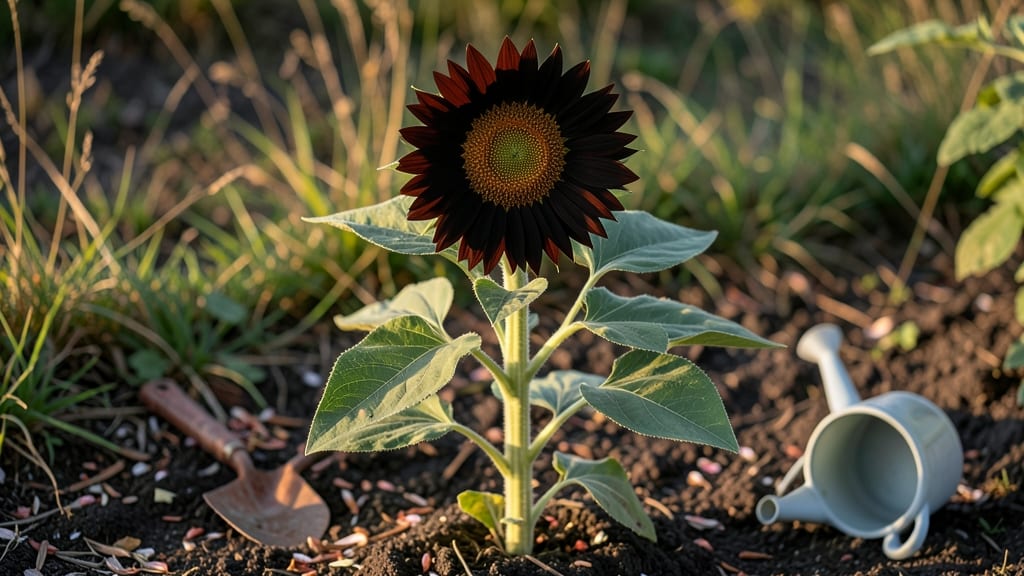
Black-and-white sunflowers like 'Moulin Rouge' aren't just plants—they're living statements in your garden. 🌻 Their deep burgundy centers and creamy petals create a dramatic focal point that turns heads and adds modern sophistication to any space.
I planted mine last summer near the patio, and neighbors kept asking what variety they were. The contrast is so striking it feels like a gallery piece, not just a flower bed.
These sunflowers thrive in full sun and well-drained soil, making them perfect for borders, containers, or mixed beds where you want to draw the eye. Their tall stems (up to 5 feet) also work beautifully as standalone specimens in cottage-style gardens or urban planters.
The best part? They bloom from midsummer through fall, giving you months of that bold contrast effect.
Pair them with silver foliage plants like lamb's ear or dusty miller for extra drama, or add pops of bright color with purple salvia or orange marigolds to balance the monochrome drama. The symbolic meaning—elegance, mystery, and resilience—makes them especially meaningful for special garden areas or memorial plantings.
Whether you're designing a modern urban garden or a traditional cottage-style yard, these sunflowers deliver instant visual impact with minimal effort. Their versatility means they'll fit right in no matter your style—just give them space to shine. Here's how to make them the star of your garden this season.
📚 In This Guide
- What you need
- Instructions
- Tips and common mistakes
- Wrapping up and next steps
What you need
- ● Black and white sunflower seeds: 10–20 seeds (varities like 'Moulin Rouge' for black or 'Russian Giant' (white) for height).
- ● Well-draining potting mix: 2–3 gallons (or garden soil amended with compost).
- ● Containers or garden plot: For containers: 5–7" deep pots (1 seed per pot).
- ● For garden beds: Full sun (6+ hours/day) and loose, fertile soil.
- ● Organic fertilizer: Balanced 10-10-10 or slow-release granules (follow package rates).
- ● Watering can or hose: With a gentle spray nozzle.
- ○ Mulch (optional): Straw or shredded leaves to retain moisture.
- ● Freshly cut black and white sunflowers: 3–5 stems (harvest when blooms are fully open).
- ● Floral preservative: 1 packet (or 1 tsp sugar + 2 drops bleach per quart of water).
- ● Vase or container: Tall and narrow (e.g., 12" minimum height).
- ○ Floral foam (optional): For secure arrangements.
- ● Scissors or pruners: Sharp and clean (sterilize with rubbing alcohol).
- ○ Decorative elements (optional): Eucalyptus, ferns, or greenery for texture.
- ● Ribbon, twine, or paint for artistic touches.
- ● Gloves (recommended): To protect hands from thorns or soil.
- ● Trowel or hand shovel: For transplanting seedlings.
- ○ Sunlight meter (optional): To confirm 6+ hours of direct sun.
- ● Weather awareness: Plant after the last frost (seeds need warmth to germinate).
- ● Patience: Sunflowers take 80–100 days to bloom!
How to grow black and white sunflowers for dramatic garden impact
Here's how I create bold, high-contrast sunflower displays that stop every passerby in their tracks.
🌱 Step 1: Choose the Right Varieties for Maximum Contrast
Start with 'Black Oil' sunflowers for the darkest stems and 'Russian White' for pure white blooms—these create the most striking black-and-white contrast. I always buy seeds from reputable suppliers to ensure true color and vigor. The key is planting at least 4 plants in a tight cluster to create that signature sunflower wall effect.
Black sunflowers need full sun to develop their deepest tones, so position them where they'll get 6+ hours of direct sunlight daily. If your garden has afternoon shade, plant them where they'll catch morning sun instead—this prevents the stems from becoming weak and leggy.
🌱 Step 2: Prepare the Soil for Strong Stems and Vibrant Blooms
Sunflowers thrive in loose, well-draining soil with a pH between 6.0 and 7.5. I mix 2 inches of compost into the top 6 inches of soil before planting to provide nutrients without compacting the roots. Avoid garden soil that's heavy or clay-like—sunflower roots need room to spread.
Dig holes 1 inch deeper than the root ball and space plants 12-18 inches apart in rows 2 feet apart. This spacing gives each plant room to grow while still creating that dramatic mass effect. Tap the soil gently after planting to remove air pockets around the roots.
☀️ Step 3: Water Deeply and Maintain Consistent Moisture
Water sunflowers deeply once a week rather than lightly daily—this encourages deep root growth. I check moisture by sticking my finger 2 inches into the soil; if it feels dry, that's your watering cue. Overwatering causes weak stems that can't support the heavy blooms.
Mulch around the base with 2-3 inches of straw or wood chips to retain moisture and suppress weeds. Keep the mulch 2 inches away from the stems to prevent rot. You'll notice the soil stays moist longer and the plants grow taller without leaning.
✂️ Step 4: Provide Support and Prune for Stronger Growth
Sunflowers need staking when they reach 18-24 inches tall. I use 3-foot bamboo stakes tied loosely with soft plant ties to avoid damaging the stems. Black sunflowers, in particular, can get top-heavy—support prevents them from snapping in wind or rain.
Remove any side shoots that form below the main flower head to direct energy into the primary bloom. Watch for yellowing leaves, which signal overwatering or nutrient deficiency. If this happens, reduce watering and add a balanced fertilizer like 10-10-10 at half strength.
🌿 Step 5: Enjoy the Show and Plan for Next Season
The payoff comes when buds form—black sunflowers develop a deep, almost purple hue before opening fully. I let mine bloom completely for the boldest contrast, then harvest seeds for next year's garden. Cut stems at the base with clean shears and arrange them in buckets of water for indoor arrangements.
After blooming, cut back stems to 6 inches tall to encourage a second round of smaller flowers. This extends your display and gives you more seed for future plantings. The more you grow, the more dramatic your black-and-white sunflower focal points become!
Tips & tricks for perfect black and white sunflower displays
Creating that jaw-dropping black-and-white sunflower contrast takes a few strategic moves—here's how to guarantee your garden becomes the neighborhood showstopper.
Variety Pairing Secret: For the most dramatic contrast, pair 'Black Oil' sunflowers with 'Russian White' varieties. I've found that planting them in a 3:1 ratio (three black to one white) creates the most balanced visual impact. The white blooms act as perfect focal points against the dark stems, making your display pop even more.
Sunlight Strategy: Black sunflowers need full sun to develop their deepest tones, so position them where they'll catch 6+ hours of direct sunlight daily. If your garden has afternoon shade, plant them where they'll get morning sun instead. I've learned this the hard way—shady afternoons make the stems grow weak and leggy, ruining that bold contrast we're after.
Soil Prep Hack: Before planting, mix 2 inches of compost into the top 6 inches of soil to create loose, well-draining conditions. I like to add a handful of perlite to improve drainage, especially in clay-heavy soils. This prevents waterlogging that can cause stem rot and weak growth. Tap the soil gently after planting to remove air pockets—this small step makes a huge difference in root establishment.
Staking Timing: Don't wait until your sunflowers are already leaning! Install 3-foot bamboo stakes when plants reach 18-24 inches tall. I use soft plant ties to secure them loosely—too tight can damage the stems. Black sunflowers, in particular, get top-heavy, so staking early prevents them from snapping in wind or rain.
Pro Tips for Black And White Sun Flower
- Creating that jaw-dropping black-and-white sunflower contrast takes a few strategic moves—here's how to guarantee you...
- Variety Pairing Secret: For the most dramatic contrast, pair 'Black Oil' sunflowers with 'Russian White' varieties. I...
- Sunlight Strategy: Black sunflowers need full sun to develop their deepest tones, so position them where they'll catc...
Frequently asked questions
Got questions about black and white sunflowers? You’re not alone! Here are some of the most common queries—plus answers to help you grow these showstoppers with confidence.
Can black and white sunflowers really grow in my climate?
These sunflowers thrive in USDA zones 2–11, making them versatile for most gardens. Just ensure they get full sun (6+ hours/day) and well-draining soil. In cooler zones, start seeds indoors 2–3 weeks before the last frost for a head start. Pro tip: If your summers are scorching, mulch around the base to retain moisture.
How do I keep them from leaning or falling over?
Sunflowers are top-heavy, so staking or cages are key! Use bamboo stakes or spiral supports tied gently to the stem (avoid wrapping too tight—it can restrict growth). For extra stability, plant them near fences or trellises. If you’re growing them in containers, choose wide, deep pots (12+ inches) and add a stake early.
Are black and white sunflowers the same as regular sunflowers?
Not exactly! While they share the same genus (Helianthus annuus), these varieties feature dark purple-black petals with white centers (or vice versa), creating a dramatic contrast. They’re non-GMO, open-pollinated, and perfect for cut flowers or pollinator gardens. Fun fact: Their seeds are edible—just like classic sunflowers!
How long does it take for black and white sunflowers to bloom?
From seed to bloom, expect 80–100 days, depending on the variety and growing conditions. For faster results, opt for transplants (available at nurseries). Watch for buds forming 2–3 weeks before opening—this is your cue to enjoy their striking beauty! Pro tip: Deadhead spent blooms to encourage more flowers.
What can I plant alongside black and white sunflowers for a stunning display?
Pair them with complementary colors like salvia (purple), zinnia (red/orange), or lavender for a dreamy contrast. Avoid planting near tomatoes or potatoes—sunflowers can compete for nutrients. For height variation, mix in cosmos or dahlias. Bonus: Sunflowers deter pests, so they’re great neighbors for veggies!
Why are my sunflower leaves turning yellow or spotted?
Yellowing leaves often signal overwatering, nutrient deficiencies, or fungal issues. Check soil moisture—sunflowers prefer dry soil between waterings. Spots? It could be powdery mildew (common in humid climates). Improve airflow by spacing plants 12–18 inches apart and apply neem oil if needed. Preventative tip: Water at the base, not overhead.
Wrapping up and next steps
Black and white sunflowers aren’t just a bold statement—they’re a masterclass in contrast, bringing drama and elegance to any garden or arrangement. Whether you’re a seasoned gardener or a beginner, these striking blooms prove that simplicity can be extraordinary. 🌻✨
Ready to make your outdoor space pop? Grab your seeds, pick a sunny spot, and let nature do the rest. Start small, experiment, and watch your garden transform—one sunflower at a time!