
Flowers
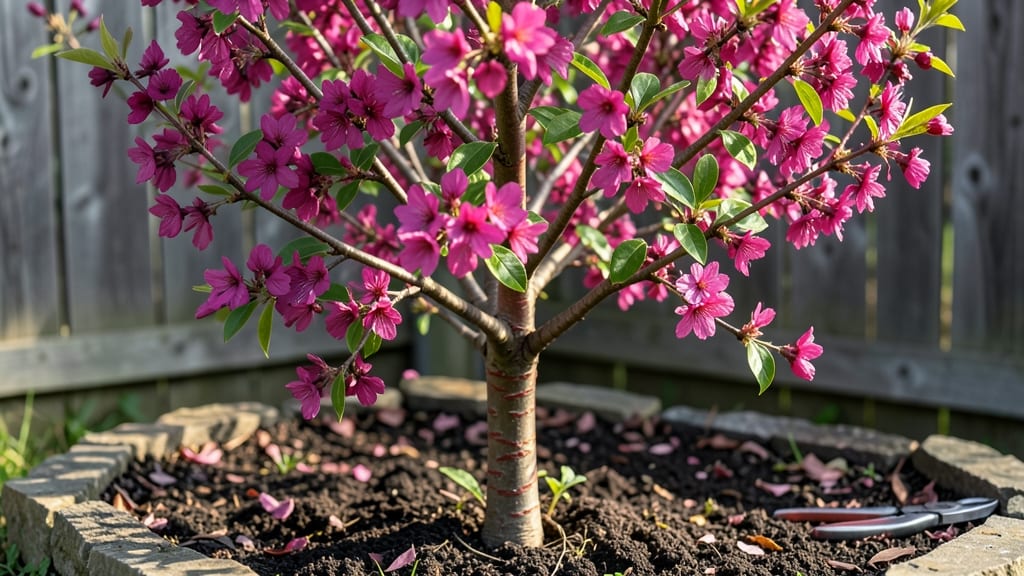
The ornamental plum tree flowers you crave every spring start with a single, bold pruning cut. I’ve watched my Pacific Northwest plum tree transform from a tangled mess into a showstopping cloud of pink and white blossoms—all because I learned to prune for frost resilience.
The key isn’t just cutting back; it’s timing it right to protect those delicate buds when winter’s chill lingers.
Most gardeners overlook the frost-resistant pruning step, but it’s what keeps your plum tree blooming year after year. You’ll need sharp pruners, a sunny spot with well-draining soil, and a little patience—this isn’t a quick fix, but the payoff is worth it.
My tree now bursts into bloom by early April, long before the frost warnings end, and the neighbors stop by just to admire it.
What you’ll end up with is a tree that’s stronger, healthier, and covered in flowers—not just for one season, but for decades. The blossoms attract bees early in the year, the branches stay sturdy against wind and rain, and the tree’s overall shape becomes a garden centerpiece.
Prune correctly now, and you’ll have a plum tree that outshines every other spring bloomer in your neighborhood.
This method works for varieties like ‘Methley’ and ‘Snow Fountain,’ but the principles apply to most ornamental plums in zones 5-8. Whether you’re dealing with a young sapling or an established tree, the same frost-smart approach keeps it thriving. Let’s get those branches shaped for next year’s best bloom yet.
📚 In This Guide
- What you need
- Instructions
- Tips and common mistakes
- Wrapping up and next steps
What you need
- ● Bypass pruning shears – Sharp, clean, and disinfected (1 pair, 6–8" blade for small branches).
- ● Loppers – For thicker branches (1 pair, 8–12" cutting capacity).
- ● Pruning saw – For large branches (1, with a curved blade for precision).
- ● Gloves – Heavy-duty, cut-resistant (1 pair) to protect from thorns and debris.
- ● Disinfectant (70% isopropyl alcohol or bleach solution) – To sterilize tools between cuts and prevent disease.
- ● Rubbing alcohol or hand sanitizer – For cleaning hands after pruning.
- ● Heavy-duty trash bags – For collecting pruned branches (1–2 bags, 30+ gallon size).
- ● Ladder or step stool – If your tree is taller than 6 feet (1, with stable, non-slip feet).
- ○ Marking twine or flags – To tag branches for removal (optional but helpful for complex pruning).
- ● Pruning sealant – For sealing larger cuts (e.g., tree wound dressing) to prevent decay.
- ● Extension pole pruners – For high branches without a ladder (1, 8–12 ft reach).
- ● Work apron or old shirt – To protect clothing from sap and debris.
- ● Camera or phone – To document your tree’s shape before/after pruning!
Step-by-step guide to frost-resistant pruning for Pacific Northwest plum trees
Here’s how to encourage vibrant blooms while protecting your plum tree from Pacific Northwest’s chilly nights.
Time Your Pruning for Late Winter Dormancy
Prune your ornamental plum tree in late winter—specifically 4-6 weeks before the last frost date in your area. This timing ensures the tree has time to heal before spring’s first cold snap. In the Pacific Northwest, that usually means February to early March. Avoid pruning in fall or early winter, as fresh cuts won’t have time to harden off before frost.
Look for dormant buds that haven’t yet swollen—these indicate the tree is still in its winter rest phase. If you see any green shoots or flowers starting to bloom, wait another week. Pruning too early can stimulate growth that won’t survive late frosts, leaving your tree vulnerable to damage.
Remove Dead, Diseased, or Crossing Branches First
Start by cutting out any dead, diseased, or damaged branches—these are easy to spot because they’re brown, brittle, or lack leaves. Use clean, sharp pruning shears to make cuts just outside the branch collar (the swollen area where the branch meets the trunk). This prevents disease from spreading to healthy wood.
Next, remove any branches that are rubbing against each other or growing inward. These “crossing branches” compete for energy and can create wounds where pests or diseases enter. Aim for an open center—this improves airflow and sunlight penetration, which helps the tree recover faster after pruning. If a branch is larger than ½ inch in diameter, use a pruning saw instead of shears to avoid tearing the bark.
Thin Out Overcrowded Branches for Better Bloom Display
Focus on selective thinning to encourage stronger blooms. Remove up to 25% of the tree’s total branches, prioritizing those that are too close together or growing straight upward (called “water sprouts”). These vertical shoots rarely produce flowers and can block light from reaching inner branches.
Make your cuts just above an outward-facing bud—this directs the tree’s energy toward new growth that will spread outward, improving the tree’s shape and flower display. Avoid cutting back to a stub; a clean cut at the right angle heals faster and reduces the risk of disease. If you’re unsure which bud is outward-facing, look for the one that points away from the center of the tree.
Shape the Tree for Frost Resistance and Airflow
Give your plum tree a rounded, vase-like shape by gradually shortening branches that are too long. This shape helps snow and ice slide off more easily, reducing frost damage to delicate blossoms. Start with branches that are longer than 2 feet—trim them back to a lateral bud or side branch to encourage a bushier, more compact form.
Pay special attention to the outer canopy. Branches on the outside of the tree are more exposed to frost, so prune them lightly (no more than 10-15% of their length) to avoid weakening the tree. If a branch is whip-thin or less than ¼ inch thick, leave it alone—these small branches contribute to the tree’s overall resilience and flower production.
Clean Up and Apply Protective Measures
After pruning, sterilize your tools with rubbing alcohol or a 10% bleach solution to prevent spreading disease. Collect and dispose of pruned branches—never leave them on the ground, as they can harbor pests or fungi that might infect your tree.
To protect your plum tree from late frosts, consider covering it with frost cloth on nights when temperatures are expected to drop below 28°F. Focus on the flowering branches, as buds are most vulnerable. Water the tree deeply before the first hard frost—this helps the roots absorb moisture and prepares the tree for winter dormancy. Mulch around the base with 2-3 inches of organic mulch to insulate the roots and retain moisture.
Tips & tricks for frost-resistant pruning of Pacific Northwest plum trees
Here’s what I’ve learned from pruning plum trees in the Pacific Northwest—these tricks will help you avoid common mistakes and get the most vibrant blooms possible.
Timing is Everything: The 4-6 week window before your last frost date is critical. I check my local frost calendar and mark the date exactly 6 weeks out—this gives your tree the perfect healing window. If you’re unsure about your exact last frost date, aim for late February to early March in the PNW. Between us, I’ve seen plum trees pruned too early send out tender new growth that gets fried by late frosts.
Branch Selection Strategy: When thinning branches in Step 3, focus on creating an open vase shape that lets light and air circulate. I like to visualize a bird’s nest—branches should spread outward and upward, not crowd inward. For branches larger than ½ inch, use a pruning saw to avoid tearing the bark, which can invite disease. Real talk: I used shears on a thick branch once and ended up with a ragged cut that took forever to heal.
Frost Protection Layers: The 28°F threshold for frost cloth is your guide, but I’ve found adding a layer of mulch (2-3 inches) around the base creates an extra insulating barrier. Water deeply before the first hard frost to help roots absorb moisture—they’ll need it to support new spring growth. I also wrap the trunk with tree wrap for younger trees, which prevents sunscald that can stress the tree during winter.
Pro Tips for Ornamental Plum Tree Flowers
- Here’s what I’ve learned from pruning plum trees in the Pacific Northwest—these tricks will help you avoid common mistakes and get the most vibrant blooms possible.
- Timing is Everything: The 4-6 week window before your last frost date is critical.
- Branch Selection Strategy: When thinning branches in Step 3, focus on creating an open vase shape that lets light and air circulate.
Frequently asked questions
Got questions about growing and caring for your ornamental plum tree flowers?
Here are some of the most common queries—plus expert answers to help you keep those stunning blooms thriving in the Pacific Northwest’s chilly climate!
When is the best time to prune ornamental plum trees to protect their flowers?
Prune after flowering (late spring to early summer) to avoid cutting off next year’s blooms. In the PNW, where late frosts are common, wait until mid-April to May—once frost risk has passed. Focus on removing dead, diseased, or crossing branches first, then shape lightly. Pro tip: Never prune in fall or winter, as new growth can be frost-damaged.
How do I protect plum tree flowers from late spring frosts in the Pacific Northwest?
Use frost cloths or row covers on chilly nights (below 28°F). Avoid plastic sheets, which can trap heat and burn blooms. Water trees deeply the day before a frost—moist soil retains heat better. For young trees, mulch heavily (3–4 inches) with wood chips or straw. If frost hits, cover flowers with a light blanket at dusk and remove by noon.
Can I grow ornamental plum trees in containers, or do they need to be planted in the ground?
While possible, containers limit root growth and reduce frost hardiness. Choose a large pot (at least 20 gallons) with drainage holes and use well-draining soil. Move pots to a sheltered spot in winter (e.g., against a south-facing wall). For best blooms, plant in the ground—PNW’s cool, wet climate suits their native resilience.
Why aren’t my ornamental plum tree flowers opening, even though the buds look healthy?
Bud blast (from frost, bacteria, or mites) or bud moth infestations are common culprits. Check for sawdust-like frass (mite droppings) or chewed buds. Treat with neem oil or insecticidal soap early spring. If buds swell but won’t open, thin them out—overcrowding stresses the tree. Water consistently to avoid drought stress too.
Are there frost-resistant alternatives to ornamental plum trees for the PNW?
Yes! Try cherry plums (Prunus cerasifera) (hardy to -15°F) or Japanese plum (Prunus salicina) varieties like ‘Santa Rosa.’ For non-plum options, serviceberry (Amelanchier) or ornamental pear (Pyrus calleryana) offer similar spring blooms with better cold tolerance. All thrive in PNW’s zones 5–8.
Wrapping up and next steps
Ornamental plum tree flowers bring unmatched beauty and resilience to Pacific Northwest gardens, especially when pruned with frost in mind! 🌸 By mastering the right techniques—like timing cuts after dormancy and removing dead wood—you’ll ensure vibrant blooms year after year.
Whether you’re a seasoned gardener or just starting, these steps make the process simple and rewarding.
Ready to transform your yard? Grab your pruners and start shaping your plum tree today! For extra inspiration, explore local PNW gardening events or connect with fellow plant lovers online. Happy pruning! ✂️🌿