
Planting
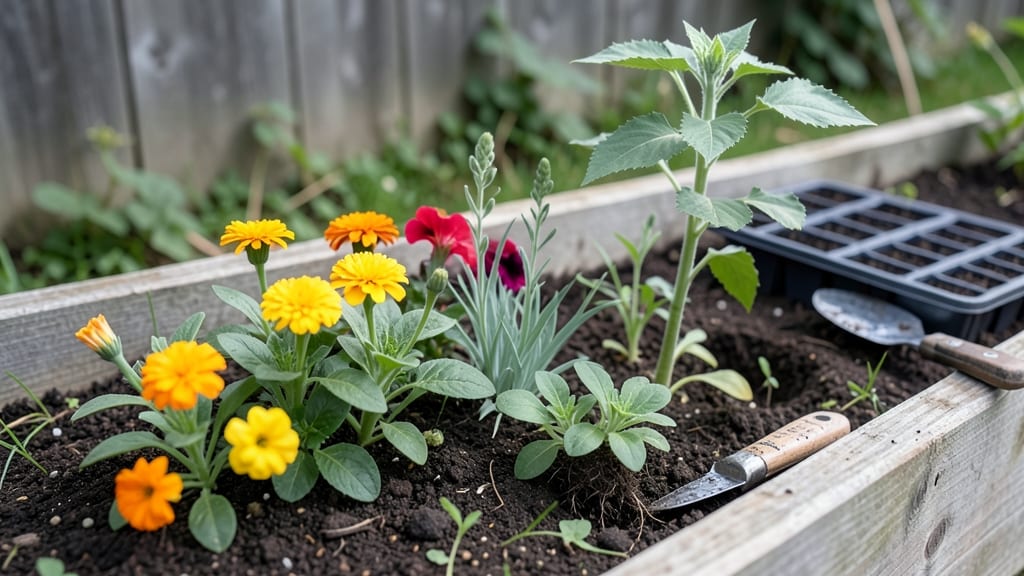
Planting a flower garden for dummies isn’t as scary as it sounds—it’s just about starting small and keeping it simple. 🌸 I’ve turned my own backyard into a colorful haven by focusing on easy-to-grow annuals and perennials that thrive with minimal fuss.
The key is choosing the right plants for your sunlight and soil, then giving them consistent water and a little love.
You don’t need fancy tools or a huge space to begin. Grab a trowel, some gloves, and a few packets of seeds or starter plants from your local nursery. I recommend starting with sun-loving flowers like marigolds, zinnias, or petunias—they’re hardy, bloom fast, and forgive beginner mistakes.
A 5-gallon bucket of compost mixed into your soil will work wonders if your yard feels heavy or clay-like.
Once planted, your garden will reward you with bold colors and sweet fragrances within weeks. The first time I saw my zinnias pop up after just two weeks of watering, I knew I was hooked.
You’ll learn to spot when plants need more water, how much space they need to spread, and which weeds to pull before they steal your flowers’ nutrients.
This method works for containers, raised beds, or in-ground plots—just adjust the spacing. Even if you kill a few plants along the way (we all do), you’ll still end up with a garden that brings joy, not stress. Let’s get those blooms growing!
📚 In This Guide
- What you need
- Instructions
- Tips and common mistakes
- Wrapping up and next steps
What you need
- ● Garden space: A sunny spot (6+ hours of sunlight/day) or partial shade for shade-loving flowers. Size: at least 4’x4’ for starters.
- ● Soil: Topsoil (1–2 cubic yards, depending on garden size)
- ● Compost (1–2 bags, 40–60 lbs each) for nutrients
- ● Flowers: Beginner-friendly picks: Annuals: Marigolds, zinnias, or sunflowers (5–10 plants)
- ● Perennials: Coneflowers or black-eyed Susans (3–5 plants)
- ● Tools: Garden trowel (1, stainless steel)
- ● Hand pruners (1 pair, bypass-style)
- ● Garden gloves (1 pair, durable fabric)
- ● Watering can (1, 1–2 gallon capacity) or hose with spray nozzle
- ● Mulch (straw or shredded bark, 2–3 bags) to retain moisture.
- ● Plant markers (cheap sticks or labels) to track varieties.
- ● Knee pad or small stool for comfort.
- ● Organic fertilizer (balanced 10-10-10, 1–2 lbs) for a boost.
- ● Bird feeder (to attract pollinators!).
Step-by-step instructions for planting a beginner flower garden
Here’s how I turn blank spaces into blooming beauty—no green thumb required.
🪴 Step 1: Choose Your Garden Spot and Prep the Soil
Pick a location that gets at least 6 hours of sunlight daily—most flowers thrive with morning sun and afternoon shade. Avoid low spots where water pools after rain, as soggy soil invites rot. I like to test soil drainage by digging a 6-inch hole, filling it with water, and timing how long it takes to drain: under 2 hours is ideal.
Loosen the top 6 inches of soil with a garden fork or tiller. This breaks up compacted earth so roots can spread easily. Mix in 2-3 inches of compost (or the organic matter you’ve gathered) to boost nutrients. If your soil feels heavy or clay-like, add sand or perlite to improve drainage. Work the amendments into the top layer only—deep tilling disturbs beneficial soil organisms.
☀️ Step 2: Plan Your Layout for Easy Maintenance
Start small—4 plants is plenty for beginners. Group flowers by height: tall blooms (like delphiniums) in back, medium (like salvia) in the middle, and short (like marigolds) in front. This creates a natural tiered look and prevents taller flowers from shading out shorter ones. I sketch a rough map on paper first to visualize spacing.
Check plant tags for mature width—most perennials need 12-24 inches between plants, while annuals can sit 6-12 inches apart. Dig holes twice as wide as the root ball but only as deep as the container’s drainage holes. Loosen roots if they’re circling in the pot before placing them in the hole. This prevents transplant shock and encourages outward growth.
💧 Step 3: Plant and Water Like a Pro
Place each plant in its hole, then fill around the roots with soil, pressing gently to remove air pockets. Water deeply right after planting—this settles the soil and helps roots establish contact. I use a soaker hose or watering can with a gentle spray to avoid disturbing the soil surface. Aim for 1 inch of water per week, either from rainfall or irrigation.
Mulch with 2-3 inches of shredded bark or straw to retain moisture and suppress weeds. Keep mulch 2 inches away from plant stems to prevent rot. Water again in 3-4 days, then taper to every 2-3 days until new growth appears. Overwatering at this stage is the #1 mistake—you’ll know it’s right when the soil feels damp 2 inches below the surface but not soggy.
🌿 Step 4: Care for Your Garden Through the First Season
Deadhead spent blooms (pinch off faded flowers) to encourage more blooms and keep plants looking tidy. I do this every 2-3 days during peak bloom season. Fertilize lightly 4-6 weeks after planting with a balanced, slow-release fertilizer (like 10-10-10). Follow package instructions—too much fertilizer burns roots and attracts pests.
Watch for pests like aphids or powdery mildew. If you spot them, treat with neem oil or insecticidal soap (mix 1 teaspoon per quart of water). Most issues start small, so act fast. Keep an eye on soil moisture—wilting in the morning means roots need water, while yellowing leaves often signals overwatering. Adjust your schedule based on what you see, not a rigid calendar.
Tips & tricks for planting a beginner flower garden
Here's what nobody tells you about turning dirt into a thriving garden without the stress.
Sunlight Secret: That "at least 6 hours of sunlight" rule is non-negotiable for most flowers, but timing matters too. Morning sun (especially in hot climates) prevents scorching, while afternoon sun helps prevent fungal diseases. If your spot gets intense afternoon heat, consider partial shade varieties like impatiens or coleus for those areas.
Soil Test Trick: The 6-inch hole drainage test is your best friend—if water drains in under 2 hours, you're golden. If it takes longer, mix in more sand or perlite to improve drainage. For heavy clay soil, I've had great success with raised beds filled with a mix of topsoil, compost, and coconut coir to create perfect planting conditions.
Plant Spacing Pro Tip: When digging holes twice as wide as the root ball, use the extra space to create a "moat" around the roots. This encourages outward growth rather than circling roots that can strangle your plant. Think of it like giving your flowers room to stretch their legs after being cooped up in pots.
Watering Wisdom: The "1 inch per week" guideline is perfect, but delivery method matters. Soaker hoses or drip irrigation keep water at soil level where roots need it, while overhead watering can waste water through evaporation. I set my timer for early morning watering—this gives plants all day to absorb moisture before evening evaporation.
Pro Tips for Plant A Flower Garden For Dummies
- Here's what nobody tells you about turning dirt into a thriving garden without the stress.
- Sunlight Secret: That "at least 6 hours of sunlight" rule is non-negotiable for most flowers, but timing matters too.
- Soil Test Trick: The 6-inch hole drainage test is your best friend—if water drains in under 2 hours, you're golden.
Frequently asked questions
Got questions? You’re not alone! Here are answers to the most common concerns about starting your flower garden—no green thumb required.
What’s the best time of year to plant a flower garden?
For most regions, spring (after the last frost) and early fall are ideal. Spring gives flowers time to establish roots before summer heat, while fall planting lets them grow slowly without competing with weeds. Check your USDA Plant Hardiness Zone for local timing tips!
How often should I water my new flower garden?
Water deeply 1–2 times per week (more in extreme heat). New plants need 1–1.5 inches of water per week. Use a drip irrigation system or soaker hose to keep soil moist without wasting water. Avoid overhead watering—it can spread disease.
What’s the easiest way to keep pests away naturally?
Try these low-effort fixes:
- Neem oil spray (repels aphids, mites, and whiteflies)
- Plant companion flowers like marigolds (deter nematodes) or lavender (keeps bees happy and pests away)
- Handpick slugs at night (use a flashlight—it’s weirdly satisfying!)
Can I plant flowers in containers instead of a ground garden?
Containers work great
for balconies, patios, or small spaces. Use pots with drainage holes and a lightweight potting mix. Choose compact varieties like petunias, pansies, or dwarf sunflowers. Just ensure containers get at least 6 hours of sunlight daily.
How do I protect my flowers from harsh weather?
For frost, cover delicate plants with frost cloth or old blankets. In heatwaves, mulch soil to retain moisture and water early in the morning. For wind, stake tall flowers (like sunflowers) or place containers against a wall. Most annuals are resilient—just give them a little TLC!
Wrapping up and next steps
You’ve got this! 🌸 Planting a flower garden is all about taking it one step at a time—choosing the right flowers, prepping the soil, and giving your blooms the love they need.
Remember, even the most stunning gardens start with a single seed or small pot. Now’s your time to shine!
Ready to dive deeper? Start small—pick a sunny patch, grab your tools, and let your green thumb grow! For extra inspiration, check out our seasonal planting guide to keep your garden thriving year-round. Happy gardening! 🌱