
Planting
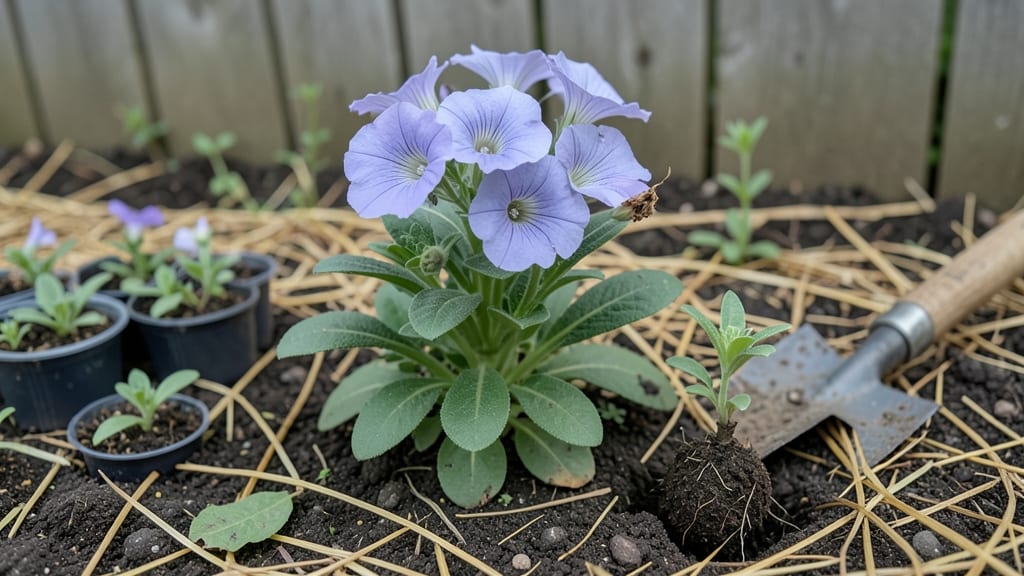
Planting flowering plants at the wrong time means waiting months—or even years—for those vibrant blooms you crave. 🌸 I’ve learned the hard way that timing isn’t just about the calendar; it’s about soil warmth, frost dates, and the plant’s natural rhythm.
The right moment turns a fragile seedling into a showstopper that thrives from the first watering.
Start with soil that’s warm enough to hold moisture but not soggy—think of it as the perfect handshake between roots and earth. Most flowering plants need 6-8 hours of sunlight daily, but some, like impatiens, tolerate shade.
Dig holes just deep enough so the top of the root ball sits flush with the soil, and space them according to their mature size—crowding leads to competition and fewer blooms.
After planting, water deeply to settle the soil and encourage roots to spread. Mulch lightly to retain moisture and keep weeds at bay. Within 2-4 weeks, you’ll see new growth signaling success.
The key? Patience—some perennials take a year to establish before their first big bloom, but the wait is worth it.
Seasonal timing varies by region, but a general rule is to plant cool-season flowers like pansies in early spring or fall, while heat-lovers like marigolds thrive when soil temperatures hit 60°F.
Adjust for your zone, and don’t be afraid to ask local nurseries for their best advice—they’ve seen what works in your backyard.
📚 In This Guide
- What you need
- Instructions
- Tips and common mistakes
- Wrapping up and next steps
What you need
- ● Flowering plants: Choose healthy nursery-grown plants (1–3 per variety, depending on desired coverage). Opt for root-bound specimens with firm stems and vibrant leaves.
- ● Potting soil or garden soil: 5–10 gallons (or enough to fill containers/planting holes). Use well-draining soil amended with compost (20–30% organic matter).
- ● Containers or planting area: Containers: 1–2 per plant (12–18" diameter for medium-sized flowers, deeper for perennials). Ensure drainage holes are present!
- ● Garden beds: Clear weeds, loosen soil to 12" depth, and amend with compost.
- ● Fertilizer: Slow-release granular (10–10–10 or balanced formula) or organic options like worm castings. Apply per package instructions (typically 1–2 tbsp per plant).
- ● Mulch: 1–2 inches of organic mulch (e.g., shredded bark or straw) to retain moisture and suppress weeds.
- ● Garden trowel or hand shovel (for digging holes 2–3x wider than the root ball).
- ● Gloves (gardening or work gloves to protect your hands).
- ● Watering can or hose with a gentle spray nozzle (for post-planting hydration).
- ● Pruning shears (to trim dead/damaged foliage or shape plants).
- ○ pH testing kit (optional) – Ensures soil pH is ideal (most flowers thrive in 6.0–7.0).
- ○ Stakes or plant supports (optional) – For tall or top-heavy flowers (e.g., delphiniums or sunflowers).
- ● Sunlight assessment: Know your space! Most flowering plants need 6+ hours of sunlight daily (check labels for specific needs).
- ● Seasonal timing: Plant in spring or fall (avoid extreme heat/cold). Cool-season flowers (e.g., pansies) can handle light frost.
- ● Water source: Ensure easy access to water for the first 2–3 weeks (daily watering may be needed).
- ● Weather check: Avoid planting during rain or wind—wait for a calm, overcast day.
Step-by-step guide to planting flowering plants for stunning blooms
Here's how I plant flowering plants to ensure vibrant blooms all season long.
🌱 Step 1: Choose the Right Time for Your Climate
Flowering plants thrive when planted at the right time—typically 4-6 weeks before your last frost date in spring or 6-8 weeks before your first frost in fall. Check your local frost dates and adjust for your specific flowers: cool-season bloomers like pansies and snapdragons can handle light frost, while tender varieties like petunias and geraniums need warm soil.
I dig my finger 2 inches deep into the soil—if it feels cold and hard, wait a week. Warm soil (around 60-65°F) signals it's time to plant. For container-grown flowers, you can plant a little earlier since pots warm up faster than garden beds.
☀️ Step 2: Pick the Perfect Sunlight Spot
Most flowering plants need full sun (6+ hours daily), but some like impatiens and begonias thrive in partial shade (3-6 hours of sun). Observe your yard: if leaves scorch by midday, that's too much sun; if plants stretch weakly, they need more light. I mark spots with flags to track sunlight patterns for a few days before planting.
For maximum blooms, position tall flowers (like delphiniums) toward the north or back of the bed, so they don’t shade shorter varieties. Group plants with similar sun needs together—this ensures even growth and fewer stressed flowers.
🪴 Step 3: Prepare the Soil for Happy Roots
Flowering plants love well-draining, nutrient-rich soil. Loosen the top 12 inches of soil with a garden fork or tiller to break up compaction. Mix in 2-3 inches of compost (the 1 cubic yard you prepped) to boost fertility without overwhelming roots. Avoid fresh manure—it burns tender roots and can attract pests.
For heavy clay soil, blend in sand or perlite (about 1 part to 3 parts soil) to improve drainage. Test the soil pH—most flowers prefer 6.0-7.0. If your soil is too acidic, add lime; if alkaline, use sulfur a few weeks before planting.
🌿 Step 4: Plant with Care for Strong Starts
Dig holes twice as wide as the root ball but only as deep as the container’s height. Gently remove the plant from its pot, loosening tangled roots with your fingers. Place it in the hole so the top of the root ball sits level with the soil surface—burying too deep can suffocate stems, while planting too high leaves roots exposed.
Fill the hole with soil, pressing lightly to eliminate air pockets. Water deeply until moisture seeps 2 inches below the surface. Mulch around the base (but not touching stems) with 2-3 inches of organic mulch (like shredded bark) to retain moisture and suppress weeds. This keeps roots cool and conserves water.
💧 Step 5: Water and Maintain for Continuous Blooms
Water newly planted flowers once daily for the first week, then taper to every other day once established. Check soil moisture by sticking your finger 1 inch deep—if it’s dry, water thoroughly. Avoid wetting leaves to prevent fungal diseases like powdery mildew, which can ruin blooms.
Feed flowering plants with a balanced, water-soluble fertilizer (10-10-10) every 4-6 weeks during the growing season. Deadhead spent blooms regularly to encourage new flowers. I pinch off faded blossoms with my fingers or snip with clean scissors—this redirects energy from seed production to more vibrant blooms.
Tips & tricks for perfect flowering plant planting
Here's what nobody tells you about planting flowering plants that'll make all the difference in your garden's success.
Timing is Everything: The 4-6 week window before last frost isn't just a suggestion—it's when soil temperatures consistently reach 60-65°F at 2 inches deep. I test this by sticking my finger in the ground: if it feels warm and crumbly, your flowers will thrive. For container-grown plants, you can plant a week earlier since pots warm up faster than garden beds. Remember, tender varieties like petunias won't survive frost, while pansies can handle light chills.
Sunlight Strategy: That 6+ hours of sun isn't just about duration—it's about quality. I track sunlight patterns for 3 days before planting to identify true sun spots. If your yard has afternoon shade, position sun-loving flowers toward the north side of the bed. For partial shade lovers like impatiens, I mark the shadiest spots with flags and plant them there—this prevents leggy growth from stretching toward light.
Soil Secret: The 2-3 inches of compost you mix in should be well-aged—fresh compost can burn tender roots. I always test my soil pH before planting: most flowers prefer 6.0-7.0. If your soil tests outside this range, amend it 2-3 weeks before planting to give the soil time to adjust. For clay soil, blend in sand or perlite (1 part to 3 parts soil) to prevent waterlogging, which can rot roots before flowers even appear.
Planting Precision: When you're placing that root ball in the hole, the top should sit level with the soil surface—not buried, not exposed. I use a level tool to check this, especially when planting on slopes. After filling the hole, press lightly around the edges to eliminate air pockets, then water until moisture seeps 2 inches down. This ensures roots make immediate contact with moist soil, giving your plants the best possible start.
Pro Tips for Plant Flowering Plants
- Here's what nobody tells you about planting flowering plants that'll make all the difference in your garden's success.
- Timing is Everything: The 4-6 week window before last frost isn't just a suggestion—it's when soil temperatures consistently reach 60-65°F at 2 inches deep.
- Sunlight Strategy: That 6+ hours of sun isn't just about duration—it's about quality.
Frequently asked questions
Got questions about planting flowering plants? You’re not alone—even seasoned gardeners have doubts! Below, we’ve answered the most common questions to help you grow a vibrant, blooming garden with confidence.
When is the best time to plant flowering plants?
The ideal time depends on your climate and plant type. In most regions, spring (after the last frost) and early fall (6-8 weeks before the first frost) are the sweet spots. Cool-season flowers (like pansies) thrive in fall, while warm-season bloomers (like marigolds) love spring warmth. Always check your plant’s specific needs!
Can I plant flowering plants in summer?
Summer planting is possible but trickier—heat and drought stress young plants. If you must plant, choose heat-tolerant varieties (e.g., zinnias, sunflowers) and water deeply daily for the first 2 weeks. Plant in late afternoon to reduce transplant shock, and use shade cloth if temps exceed 90°F.
What if my flowering plants aren’t blooming?
Lack of blooms usually stems from over-fertilizing with nitrogen (which encourages leaves, not flowers), poor sunlight, or stress. Try deadheading spent blooms, switching to a phosphate-rich fertilizer, and ensuring 6+ hours of sunlight daily. If pests or disease are the issue, isolate the plant and treat with neem oil or insecticidal soap.
Are there low-maintenance flowering plants for beginners?
Start with drought-tolerant perennials like coneflowers, black-eyed Susans, or lavender, which thrive with minimal fuss. Annuals like marigolds and petunias also bloom prolifically with basic care—just keep them watered and in full sun. Succulents (e.g., sedum) are another great, nearly indestructible option!
Can I plant flowering plants in containers?
Yes! Containers are perfect for small spaces or renters. Use well-draining soil mixed with compost, and choose compact varieties like geraniums, bacopa, or pansies. Ensure pots have drainage holes, and water frequently (containers dry out faster). Rotate pots occasionally for even sunlight exposure!
Wrapping up and next steps
You’ve got all the secrets to stunning blooms—from choosing the right season to nurturing your plants with care! 🌸 Remember, the key is patience and timing: whether you’re planting perennials in early spring or annuals in late summer, each step builds toward a vibrant garden.
Don’t let setbacks discourage you—even the most experienced gardeners learn as they grow.
Now that you’re armed with knowledge, take the next step! Start small with a single bed or pot, track your progress, and soon, your garden will be a burst of color. Happy planting—your future blooms are waiting! 🌱✨