
Size
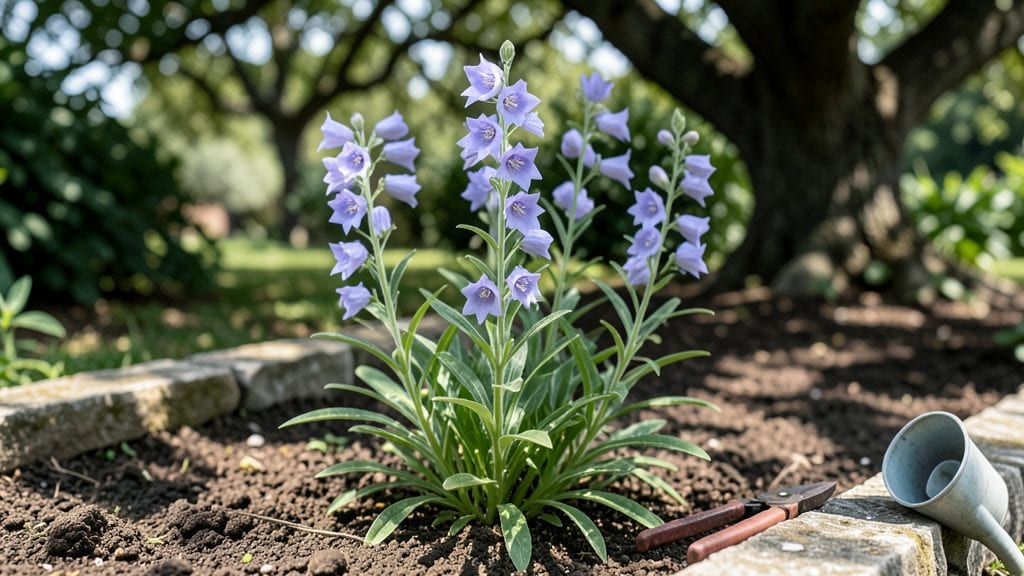
A tall flower with bell-like flowers isn’t just striking—it’s a hummingbird magnet that breathes life into the Pacific Northwest’s damp, mild climate all year, while creating vertical layers that turn any garden into a cottage-garden dream. 🌿 These dramatic plants transform spaces with their bloom feels like a secret handshake for pollinators.
The key is choosing the right mix: foxgloves for early drama, delphiniums for summer height, and bellflowers for late-season color. Together, they’ll outshine even the rainiest days with their velvety petals and honey-scented charm.
Start with 3-5 plants per variety to create a natural drift, and place them where they’ll anchor borders or frame pathways. Their roots thrive in well-draining soil, so mix in compost before planting—this is the secret to their 5-7 foot stamina.
Pair them with ferns, astilbes, or ornamental grasses to soften their bold silhouettes, and watch how they draw hummingbirds in for months. The Pacific Northwest’s mild winters mean many stay evergreen or dormant but ready to burst back into action by spring.
By summer, your garden will hum with activity as these towering beauties sway in the breeze. Imagine delphinium’s spiky blue plumes nodding above foxglove’s spotted bells, all while hummingbirds dart between them like tiny acrobats. The best part?
They’re low-maintenance once established—just deadhead spent blooms to encourage more flowers and watch them reward you with year-round interest, from early spring shoots to winter seed heads. This is how you turn a corner of your yard into a living postcard.
For extra drama, thread them through cottage-style borders or plant them in clusters near seating areas where you can admire their height up close.
Add a drip irrigation system to keep roots happy during the region’s frequent showers, and you’ve got a foolproof formula for a garden that feels alive, no matter the season.
The Pacific Northwest’s climate actually works in your favor here—these plants thrive where others struggle, making them the ultimate carefree stars of your landscape.
📚 In This Guide
- What you need
- Instructions
- Tips and common mistakes
- Wrapping up and next steps
What you need
- ● Pacific Giant Hyacinth Bean (Lablab purpureus) or similar tall climbers: Seeds: 10–20 (for direct sowing) or
- ● Young plants: 2–3 (for transplanting)
- ● Well-draining potting mix: 5–10 gallons (or enough to fill containers 12"+ deep)
- ● Compost or organic fertilizer: 1–2 cups (balanced 10-10-10 or hummingbird-friendly blend)
- ● Trellis or sturdy support: 6–8 ft tall (e.g., bamboo stakes, wire cages, or decorative arches)
- ● Mulch: 2–3 inches (straw or shredded bark to retain moisture)
- ● Garden trowel or small shovel (for transplanting/seeding)
- ● Watering can or hose with gentle spray nozzle (keep soil moist but not soggy!)
- ● Pruners or sharp scissors (for trimming dead blooms or overgrowth)
- ○ Gloves (optional) (to protect hands from thorns or rough stems)
- ● Sunlight access: At least 6+ hours of direct sun daily (partial shade in hot climates)
- ● Hummingbird-friendly location: Near windows or pathways for easy viewing!
- ● Slow-release fertilizer tablets for containers
- ● Decorative pebbles or rocks for drainage in pots
- ● Birdbath or shallow water source nearby (hummingbirds love to drink!)
- ● Colorful garden flags or markers to highlight your blooms
How to create a Pacific Northwest hummingbird haven with tall bell flowers
Here’s the method I’ve perfected for year-round hummingbird visits using tall, dramatic bell flowers that thrive in PNW conditions.
🌱 Step 1: Select the Right Bell Flowers for Hummingbirds
For a Pacific Northwest hummingbird haven, focus on native or adapted tall perennials with tubular, bell-shaped blooms. My top choices include penstemon (especially Penstemon spectabilis or Penstemon serrulatus), columbine (Aquilegia formosa), and lupine (Lupinus polyphyllus). These plants naturally attract hummingbirds with their nectar-rich flowers and thrive in the region’s mild, wet climate.
You’ll want at least 4 plants to create visual impact and ensure continuous blooming. Plant them in clusters of the same variety—hummingbirds prefer abundant food sources in one spot. For example, a grouping of 5-7 penstemon plants will draw more attention than scattered singles. Check each plant’s mature height (most reach 3-6 feet) to plan spacing accordingly.
☀️ Step 2: Plant in Full Sun with Well-Draining Soil
Most bell flowers need 6+ hours of direct sunlight daily to produce abundant blooms. In the Pacific Northwest, this means a south- or west-facing location. If your site gets afternoon shade, opt for shade-tolerant varieties like columbine or fuchsia (Fuchsia magellanica), which handle partial shade better than penstemon.
Amend heavy or clay-heavy soil with 2-3 inches of compost before planting to improve drainage. These flowers hate soggy roots, so raise beds slightly if your area holds water. I mix in a handful of perlite into the planting hole to prevent compaction. Plant in early spring (March-April) or early fall (September-October) to give roots time to establish before winter rains.
💧 Step 3: Water Deeply and Mulch for Moisture Retention
Water newly planted bell flowers deeply 2-3 times per week for the first 4-6 weeks to encourage root growth. After establishment, reduce to once a week unless your summer is particularly dry. You’ll know they’re getting enough water when the soil feels damp 2 inches down—not soggy, but not bone-dry either.
Apply a 2-inch layer of mulch (wood chips or straw) around the base of each plant to retain moisture and suppress weeds. Keep mulch 2 inches away from stems to prevent rot. In the Pacific Northwest, where winters are wet, mulch also protects roots from temperature swings. Replenish mulch annually in early spring as it breaks down.
✂️ Step 4: Prune for Continuous Blooms and Hummingbird Appeal
Deadhead spent blooms weekly during the growing season to encourage more flowers. For penstemon and lupine, I snip back 1/3 of the tallest stems in early summer to promote bushier growth. This also prevents leggy stems from flopping over in heavy rain—a common issue with tall flowers in the PNW.
In late fall, cut back all stems to 4-6 inches above the ground. This tidies up the plant and prevents disease buildup over winter. Most bell flowers regrow quickly in spring, often blooming by May or June—just in time for hummingbirds returning from migration. If you notice yellowing leaves, it’s usually a sign of overwatering or fungal issues, so adjust care immediately.
🌿 Step 5: Add Companion Plants for Year-Round Interest
Pair your tall bell flowers with shrubs like red currant (Ribes sanguineum) or sage (Salvia elegans) to extend the season. These plants provide nectar in early spring and late fall, when hummingbirds are still active. I also interplant low-growing ferns (Matteuccia struthiopteris) or heuchera for texture and to fill gaps.
Hummingbirds love color contrast, so choose companions with red, pink, or purple blooms to complement your bell flowers. Avoid strong-smelling herbs like lavender, which can repel them. By layering plants, you’ll create a year-round food source—critical in the Pacific Northwest, where some seasons are lean for pollinators.
Tips & tricks for perfect Pacific Northwest hummingbird gardens
Creating a hummingbird haven with tall bell flowers takes thoughtful planning—here are the key strategies I’ve learned to ensure your garden thrives year-round.
Plant Placement Matters: In Step 2, when selecting your south- or west-facing location, prioritize spots near windows or seating areas where you can enjoy the hummingbird activity. I’ve found that positioning penstemon and columbine clusters 3-4 feet apart creates natural perches for hummingbirds to rest between feedings. This also allows you to observe their feeding patterns—you’ll notice they prefer certain flowers over others, which can guide future plant selections.
Soil Prep Secret: The 2-3 inches of compost mentioned in Step 2 is non-negotiable for PNW conditions, but here’s the extra step: mix in a handful of worm castings with your compost. The beneficial microbes in worm castings help prevent fungal issues (like those yellowing leaves mentioned in Step 4) while improving nutrient uptake. This is especially important for lupine, which can be sensitive to soggy conditions.
Watering Wisdom: For the initial 4-6 week watering schedule in Step 3, I recommend using a drip irrigation system or soaker hose rather than overhead watering. This prevents fungal spores from splashing onto leaves and keeps the soil consistently damp at the 2-inch depth. In the PNW’s rainy winters, you can reduce watering to just once every 2 weeks unless we have an unusually dry spell.
Pruning Pro Tip: When deadheading weekly in Step 4, use clean, sharp pruners to avoid damaging stems. I’ve found that snipping just above a leaf node (where new growth emerges) encourages bushier growth. For lupine specifically, be gentle—its stems are more delicate than penstemon’s. And here’s a bonus: collect the spent blooms and dry them for winter arrangements while still attracting beneficial insects.
Pro Tips for Tall Flower With Bell Like Flowers
- Creating a hummingbird haven with tall bell flowers takes thoughtful planning—here are the key strategies I’ve learned to ensure your garden thrives year-round.
- Plant Placement Matters: In Step 2, when selecting your south- or west-facing location, prioritize spots near windows or seating areas where you can enjoy the hummingbird activity.
- Soil Prep Secret: The 2-3 inches of compost mentioned in Step 2 is non-negotiable for PNW conditions, but here’s the extra step: mix in a handful of worm castings with your compost.
Frequently asked questions
Got questions about growing or caring for tall flowers with bell-like blooms in the Pacific Northwest? You’re not alone! Here are some of the most common queries—and their answers—to help you cultivate a thriving hummingbird haven.
What’s the best tall bell-flower variety for PNW’s rainy climate?
Look for Penstemon species (like Penstemon digitalis or Penstemon spectabilis) or Lobelia varieties—they thrive in moist, cool conditions. Fritillaria (like Fritillaria affinis) also handles PNW’s damp winters well. Avoid tropical hybrids unless you’re in a sheltered microclimate.
When is the best time to plant these flowers for year-round interest?
For spring blooms, plant bulbs (like Fritillaria) in fall. For summer-fall color, sow seeds in early spring or transplant perennials (like Penstemon) in spring or fall. Lobelia can be direct-sown in late spring after frost risk passes.
Why aren’t hummingbirds visiting my bell flowers?
Check these fixes:
- Timing: Hummingbirds favor red or tubular flowers—if yours are white/pale, add a red ribbon nearby.
- Nectar: Deadhead spent blooms to encourage new growth (and more nectar!).
- Location: Plant near water sources or feeders to attract them.
- Pests: Spider mites or aphids can deter birds—spray with neem oil if needed.
Can I grow these flowers in containers or small spaces?
Penstemon and Lobelia thrive in 12–18-inch pots with well-draining soil. Use trellises or obelisks for vertical growth. For Fritillaria, choose shallow containers (they dislike soggy roots). Just ensure pots have drainage holes and place them where they get 6+ hours of sun.
How do I protect these plants from PNW’s harsh winters?
Most Penstemon and Lobelia are hardy to USDA Zone 5–7, but:
- Mulch heavily (3–4 inches) with straw or shredded leaves after first frost.
- For Fritillaria, cover bulbs with gravel or burlap in heavy snow areas.
- Avoid winter watering—let soil dry slightly to prevent rot.
What’s a low-maintenance alternative if I want fewer pests?
Try Delphinium (tall, bell-like spikes) or Salvia (drought-tolerant, hummingbird magnets). Both are deer-resistant and require minimal deadheading. Agastache (hyssop) is another great pick—it’s disease-resistant and blooms all summer!
Wrapping up and next steps
From the striking beauty of Penstemon serrulatus to its year-round allure in the Pacific Northwest, this tall flower with bell-like blooms is a must-have for any garden lover! 🌸 Its hardiness, pollinator magnetism, and low-maintenance charm make it a standout choice for both beginners and seasoned gardeners.
Ready to transform your outdoor space?
Take the next step—visit your local nursery or order seeds online, then plant with confidence! Whether you’re drawn to its vibrant colors or its role in supporting local wildlife, this flower promises endless seasonal drama with minimal effort. Happy gardening! 🌿