Flowers
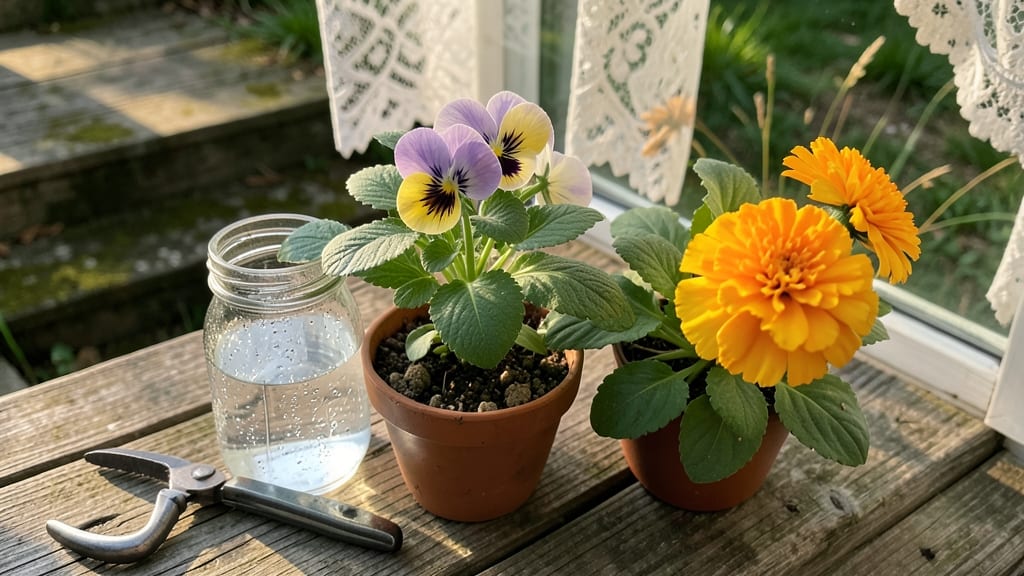
Preserving edible flowers keeps their vibrant colors and delicate flavors long after they bloom. ✨ I used to toss them after harvest, but now I dry, freeze, or refrigerate them to use in teas, garnishes, or even cocktails all year round.
The key is choosing the right flowers—nasturtiums, violets, and borage are my go-tos—and handling them carefully to avoid pesticides or dirt.
You’ll need just a few simple supplies: clean paper towels, airtight containers, and either a dehydrator, freezer, or refrigerator. For drying, lay petals flat on a towel to remove moisture before storing.
Freezing works best for whole flowers like pansies, while refrigerating keeps them crisp for garnishes. Always double-check that your flowers are safe to eat—some look edible but aren’t.
Imagine sprinkling dried violets on salads or adding frozen nasturtium petals to homemade lemonade. The flavors stay bright, and the presentation elevates any dish. You’ll save money, reduce waste, and always have fresh-looking blooms ready for creative recipes or decor. Let’s get started with the simplest methods first!
Works for both beginners and seasoned gardeners—just adjust based on your kitchen tools. Whether you’re preserving a single bouquet or a harvest from your garden, these techniques keep flavors and colors intact.
Next, we’ll walk through each method step by step, so you can pick the one that fits your space and time.
📚 In This Guide
- What you need
- Instructions
- Tips and common mistakes
- Wrapping up and next steps
What you need
- ● Edible flowers: Choose organic, pesticide-free blooms like nasturtiums, violets, pansies, or borage. Harvest when fully open but still fresh (avoid wilting!).
- ● Clean, dry surface: A baking sheet, parchment paper, or mesh screen (for air-drying).
- ● Sharp scissors or pruning shears: For clean cuts (about 2–3 inches of stem).
- ● Paper towels or kitchen towel: To gently pat dry excess moisture.
- ● Air-tight containers: Glass jars, resealable bags, or silicone molds (for storage).
- ● Food-safe labels & markers: To label flowers by type and date.
- ● Silica gel packets: For ultra-fast, crisp drying (great for petals).
- ● Dehydrator: Set to 95°F–115°F (35°C–46°C) for even drying.
- ● Vacuum sealer: Extends shelf life for frozen or dried flowers.
- ● Essential oils (food-grade): A drop of lemon or lavender in storage jars for fragrance (use sparingly!).
- ● Hairspray (edible-grade) or beeswax: For a glossy finish on dried petals.
Step-by-Step instructions for preserving edible flowers
Here's the method I trust to keep your edible blooms vibrant and ready for culinary use.
🌿 Step 1: Select and Prepare Flowers at Peak Freshness
Harvest flowers in the morning after dew has dried but before the heat of the day sets in. Look for blooms that are fully open but haven't started to wilt—this is their prime. Gently shake off any insects or debris, then trim the stems at a 45-degree angle about 2 inches below the bloom. This angle increases water absorption later.
I like to work with flowers that have just opened because they contain the most flavor and color. Avoid flowers with yellowing petals or brown edges—they won't preserve well. Place them in a single layer on a clean kitchen towel to catch any excess moisture from the stems.
💧 Step 2: Choose Your Preservation Method
For drying, select a well-ventilated area with 60-70°F temperature and low humidity. I use a mesh screen or a drying rack to allow air to circulate around the flowers. Lay them flat, stems down, and avoid touching them while they dry. This method works best for delicate flowers like violets and pansies.
For sugar preservation, you'll need fine granulated sugar—about 1 cup of sugar per 1 cup of water—and a clean glass jar. This technique is perfect for flowers like roses and lavender that hold their shape well. Bring the sugar and water to a simmer, then carefully place the flowers into the syrup. Let them soak for 24-48 hours before transferring to a storage jar.
☀️ Step 3: Dry or Cure Flowers Properly
If drying, allow the flowers to dry completely—this can take 3-7 days, depending on humidity. You'll know they're ready when the petals are crisp and the stems snap easily. Store dried flowers in an airtight container with a silica gel packet to absorb any remaining moisture. Keep them in a cool, dark place to maintain their color and flavor.
For sugar-preserved flowers, remove them from the syrup after soaking and pat them dry gently with a paper towel. Place them in a clean, dry jar and cover with a tight-fitting lid. Store in the refrigerator for up to 6 months. The sugar acts as a natural preservative while keeping the flowers soft and flavorful.
⏰ Step 4: Store and Use Preserved Flowers
Label your containers with the type of flower and the date of preservation. This helps you track how long they've been stored and ensures you use them before they lose their quality. Dried flowers can be used in teas, garnishes, or baked goods, while sugar-preserved flowers add a sweet, delicate touch to desserts and cocktails.
When using preserved flowers, handle them gently to avoid breaking the petals. Sprinkle dried flowers over salads or infuse them in oils for a floral note. Sugar-preserved flowers can be chopped finely and mixed into frostings, syrups, or even savory dishes like goat cheese. The key is to use them within their prime—typically 3-6 months for dried and up to 6 months for sugar-preserved.
Tips & tricks for perfectly preserved edible flowers
A few simple tricks will help you maintain the beauty and flavor of your edible blooms for months.
The Timing Secret: In Step 1, harvesting in the early morning is critical because flowers contain the most moisture and vibrant color right after dew has evaporated. I always check for fully open blooms with no signs of wilting—this is when their flavor and color are at their peak. If you must harvest later in the day, choose flowers that are still tightly closed and let them open naturally before preserving.
Temperature Control: For drying flowers in Step 2, maintaining that 60-70°F range is essential. If your space is warmer, consider using a fan to improve airflow around the flowers. Humidity is the real enemy here—if your kitchen feels damp, try placing a small bowl of silica gel or rice near your drying rack to absorb excess moisture. This helps prevent mold and ensures crisp, vibrant petals.
Sugar Preservation Hack: When making your sugar syrup in Step 2, let it cool slightly before adding the flowers. Hot syrup can scorch delicate petals, especially with flowers like roses. I like to let the syrup sit at room temperature for about 10 minutes after simmering before gently placing the flowers in. This preserves their color and prevents any unwanted browning during the 24-48 hour soaking process.
Storage Wisdom: In Step 3, when storing your preserved flowers, always use airtight containers. For dried flowers, I add an extra silica gel packet to absorb any lingering moisture that could cause deterioration. Label each container with both the flower type and date—this helps track freshness. Remember, dried flowers last 3-6 months while sugar-preserved ones keep for up to 6 months in the fridge, but their quality peaks within the first 3 months.
Pro Tips for Preserve Edible Flowers
- A few simple tricks will help you maintain the beauty and flavor of your edible blooms for months.
- The Timing Secret: In Step 1, harvesting in the early morning is critical because flowers contain the most moisture a...
- Temperature Control: For drying flowers in Step 2, maintaining that 60-70°F range is essential. If your space is warm...
Frequently asked questions
Got questions about preserving edible flowers?
Here are answers to the most common ones—so you can keep those delicate blooms fresh and safe for your dishes!
Can I preserve edible flowers without a dehydrator?
If you don’t have a dehydrator, try air-drying (hang stems upside down in a dark, dry place) or refrigeration (wrap in a damp paper towel for 1–2 weeks). For quick preservation, blanching (dipping in boiling water for 30 seconds) followed by freezing works too. Just avoid moisture buildup to prevent mold!
How long do preserved edible flowers stay good?
With proper storage, dehydrated flowers last 6–12 months in an airtight container, while refrigerated blooms stay fresh for 1–2 weeks. Freeze-dried flowers can last even longer—up to 2 years—if kept in a sealed bag with a desiccant. Always check for off smells or discoloration before use!
Are there any flowers I should never preserve for eating?
Yes! Avoid preserving foxglove, oleander, or lily of the valley—they’re toxic. Even safe flowers like chrysanthemums or marigolds can lose flavor if overhandled. When in doubt, research the species or stick to well-known edible varieties like violets, nasturtiums, or pansies.
Why did my preserved flowers turn moldy?
Mold usually means too much moisture during storage. Always pat blooms dry before preserving, use a food-safe desiccant (like silica gel), and store in airtight containers. If mold appears, toss the batch—it can’t be safely removed. For extra safety, sterilize tools with rubbing alcohol before handling.
Can I use preserved flowers for garnishes or cooking?
Yes! Dehydrated or freeze-dried flowers work great for garnishes, teas, or baked goods. Just rehydrate briefly (if needed) in warm water before using. For cooking, crush delicate petals (like rose or lavender) into sauces or infuse oils. Pro tip: Start with small amounts—flavors can be potent!
Wrapping up and next steps
Preserving edible flowers is easier than you think—and the results are worth every effort! 🌸 Whether you freeze, dry, or pickle your blooms, these methods keep their beauty and flavor intact for months.
Start small with a few favorite varieties, experiment with techniques, and soon you’ll have a pantry stocked with edible art ready to elevate any dish.
Now that you’re armed with the know-how, why not try preserving a bouquet today? Grab some flowers from your garden (or a trusted local farm) and follow the steps—your future meals (and taste buds) will thank you! 🌿✨