Flowers
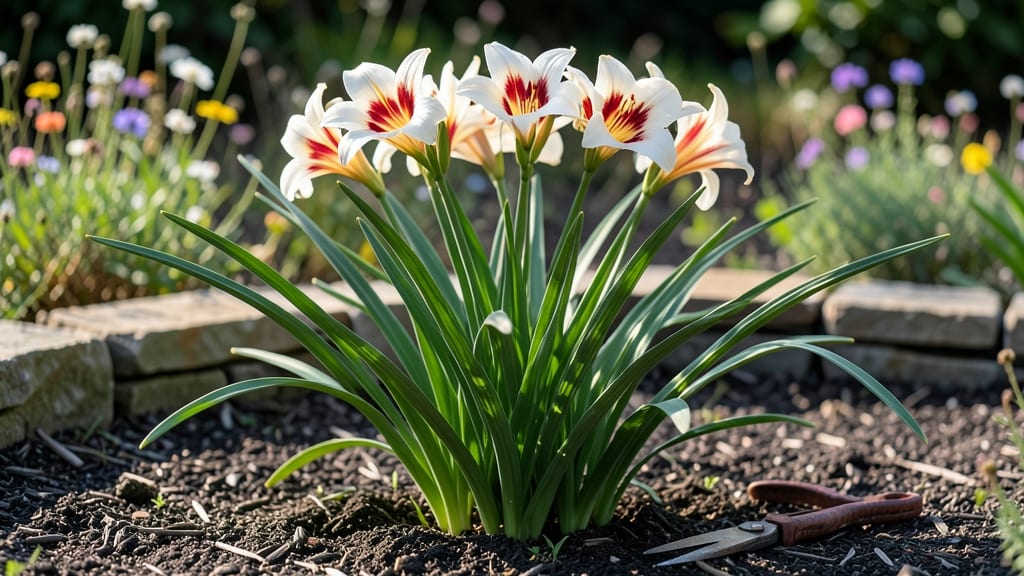
There’s nothing quite like the white flower red center combination to turn heads in your garden—it’s drama wrapped in elegance. 🌸 I first fell for this look when a single red-centered white poppy caught the light in my neighbor’s border, and I knew I had to have it.
That bold contrast doesn’t just stop gardeners; it stops everything—bees, butterflies, and even passersby mid-stride. These flowers thrive in cottage gardens, mixed borders, or as dramatic focal points near pathways. Pair them with deep purples, soft greens, or even other reds to amplify the visual punch.
My go-to combo? Planting them alongside lavender for a dreamy, romantic feel or salvia for a modern edge. The best part? Many bloom from late spring through fall, giving you months of that striking impact.
You’ll love how easy they are to work into bouquets too—just snip a few stems, and you’ve got instant conversation pieces for your home. The secret to keeping them looking their best? Deadheading spent blooms and ensuring they get full sun to partial shade, depending on the variety.
Trust me, once you see how they transform a space, you’ll be reaching for more. Works in containers, beds, or wildflower meadows—just pick your favorite and let the drama begin. Ready to make your garden the talk of the neighborhood?
📚 In This Guide
- What you need
- Instructions
- Tips and common mistakes
- Wrapping up and next steps
What you need
- ● Plants: 1–3 Lilium ‘Red Center’ or Hemerocallis ‘Stella de Oro’ (daylilies) bulbs/seeds (depending on variety)
- ● Alternative options: Iris ‘Red Center’, Tulipa ‘Queen of Night’, or Anemone ‘Honorine Jobert’ (for a similar look)
- ● Soil: 1 bag (10–15 lbs) of well-draining potting mix or garden soil amended with compost
- ● Fertilizer: 1 lb of balanced 10-10-10 granular fertilizer or organic compost
- ○ Mulch: 2–3 inches of pine bark or shredded leaves (optional but recommended)
- ● Garden trowel or hand shovel (for planting)
- ● Watering can or hose with a gentle spray nozzle
- ● Gloves (to protect your hands)
- ● Pruners (for trimming dead foliage or spent blooms)
- ● Measuring tape or ruler (to space plants 12–24 inches apart, depending on variety)
- ● A sunny spot with at least 6 hours of direct sunlight daily (most varieties thrive in full sun)
- ● Access to water (consistent moisture, but avoid waterlogging)
- ● Patience! Some flowers (like lilies) take 60–90 days to bloom from seed.
How to design a striking white-and-red centerpiece garden
Here's how to create a showstopping contrast that draws eyes and pollinators alike.
🌱 Step 1: Select 4 Plants with White Blooms and Red Centers
For maximum impact, I choose plants where the white petals surround a vibrant red center. Four of my favorites are Mexican sunflower (Tithonia rotundifolia), coral bells (Heuchera), red hot poker (Kniphofia), and black-eyed Susan (Rudbeckia). Each brings a different texture and height to the arrangement.
Check the mature height of each plant—you'll want a mix of 12-inch ground covers like coral bells alongside 3-4 foot stalks like Mexican sunflower. This creates visual layers that draw the eye upward. I always plant taller varieties toward the back or center of the bed.
☀️ Step 2: Plant in Full Sun with Well-Draining Soil
Most white-and-red centerpiece plants thrive in 6+ hours of direct sun daily. Amend your garden soil with 2-3 inches of compost to ensure good drainage—these plants hate soggy roots. I dig a hole twice as wide as the root ball but only as deep as the container it came in.
Space plants 18-24 inches apart to give them room to mature without crowding. If planting in containers, use a high-quality potting mix and add perlite for extra aeration. The key is to mimic their natural habitat—most prefer lean, sandy soil that drains quickly.
💧 Step 3: Water Deeply After Planting and Establish a Routine
Give newly planted specimens a thorough watering to settle the soil around roots. After that, water 1-2 times weekly depending on rainfall, aiming for 1 inch of water per week. You'll know it's enough when the top 2 inches of soil feel moist but not waterlogged
Mulch with 2-3 inches of organic mulch like shredded bark to retain moisture and suppress weeds. This is especially important during the first growing season when roots are establishing. Watch for wilting—if leaves droop by midday, it's time to water again.
✂️ Step 4: Prune and Deadhead for Continuous Blooms
Regular pruning keeps plants compact and encourages more flowers. After the first flush of blooms, I trim back spent stems to just above a set of leaves using clean, sharp pruners. This prevents leggy growth and redirects energy to new blooms.
For plants like Mexican sunflower, I leave some seed heads for winter interest but remove them once they turn brown. Coral bells benefit from a light trim in early spring to shape them before new growth begins. The goal is to keep the centerpiece looking fresh and vibrant all season.
🌿 Step 5: Add Complementary Greens for Depth
To make the white-and-red contrast pop even more, I interplant with deep green foliage like hostas or fern varieties. These act as a neutral backdrop that makes the bold colors stand out. I also add a few silver or variegated foliage plants for extra texture.
Group plants in odd-numbered clusters of 3 or 5 for natural-looking arrangements. For example, place three Mexican sunflowers in a triangle with coral bells filling the gaps. This creates visual interest while keeping the design balanced. Step back frequently to check your progress—what looks good up close may need adjustment from a distance.
Tips & tricks for perfect white-and-red centerpiece gardens
Want your garden centerpiece to command attention? These pro tips will help you create a showstopping white-and-red contrast that keeps blooming all season.
Plant Height Strategy: In Step 1, when selecting your four plants, think vertically! Place the 3-4 foot Mexican sunflowers at the center or back of your bed—they'll anchor the design while drawing eyes upward. The 12-inch coral bells should go at the front or edges to create that perfect layered look. I like to sketch a quick layout first so I can visualize how the heights will interact before planting.
Sunlight Secret: Step 2 emphasizes 6+ hours of direct sun, but here's the thing: morning sun is gentler than afternoon heat. If your garden gets intense afternoon sun, give your coral bells a little afternoon shade—they'll reward you with more vibrant foliage. For the other plants, full sun is non-negotiable, but a little afternoon relief can prevent stress during summer's peak heat.
Watering Wisdom: The 1-2 times weekly guideline in Step 3 works, but timing matters. Water in the early morning so foliage dries quickly—this prevents fungal issues that can dull those bright red centers. I also check soil moisture by lifting a plant gently; if it feels light, it's time to water. The top 2 inches should be moist but not soggy, especially after those 2-3 inches of organic mulch settle in.
Pruning Precision: When you're deadheading in Step 4, aim to cut just above a set of leaves where new growth can emerge. For Mexican sunflowers, I leave a few seed heads for winter interest but remove the rest once they turn brown—they can look messy if left unattended. Coral bells are more forgiving, but always use clean, sharp pruners to avoid damaging stems. A little regular maintenance keeps your centerpiece looking fresh and vibrant all season.
Pro Tips for White Flower Red Center
- Want your garden centerpiece to command attention? These pro tips will help you create a showstopping white-and-red c...
- Plant Height Strategy: In Step 1, when selecting your four plants, think vertically! Place the 3-4 foot Mexican sunfl...
- Sunlight Secret: Step 2 emphasizes 6+ hours of direct sun, but here's the thing: morning sun is gentler than afternoo...
Frequently asked questions
What are some popular flowers with white petals and red centers?
Think hibiscus, roses (like the ‘Double Delight’ or ‘Julia Child’ varieties), calla lilies, dahlias, or black-eyed Susans. For perennials, beardtongue (Penstemon) and coneflowers are standout picks!
How do I encourage more red centers in my white flowers?
Healthy soil rich in phosphorus (the middle number in NPK ratios) boosts vibrant centers. Deadhead spent blooms regularly and ensure full sun—most of these flowers thrive with 6+ hours of sunlight daily. Overwatering can dilute color, so let soil dry slightly between waterings.
When is the best time to plant these flowers for year-round color?
For perennials like coneflowers or beardtongue, plant in early spring or fall (6-8 weeks before frost). Annuals (e.g., hibiscus) can go in after the last frost. In warm climates, fall planting extends blooms into winter.
Can I mix these flowers with other colors for a striking contrast?
Pair them with deep purples (e.g., salvia), soft yellows (e.g., coreopsis), or bold greens (like hostas) for drama. Avoid overpowering reds—opt for pinks or oranges instead for harmony.
Why are my white flowers’ red centers fading or turning brown?
Brown centers often signal fungal issues (like powdery mildew) or nutrient deficiencies. Prune affected stems, improve airflow, and fertilize with a balanced formula. If pests (e.g., aphids) are present, use neem oil or insecticidal soap.
Pro Tip: Deadheading isn’t just for looks—it redirects energy to produce more vibrant blooms with those show-stopping red centers! Snip spent flowers just above a set of leaves.
Wrapping up and next steps
The white flower with a red center isn’t just a stunning visual—it’s a bold statement in any garden, patio, or floral arrangement. From the delicate Anemone to the striking Geranium, these plants bring drama and elegance with minimal effort.
Whether you’re a seasoned gardener or just starting, their striking contrast is easy to love and even easier to grow!
Ready to add a pop of color to your space? Start small:
- Pick one plant from our favorites and plant it this weekend.
- Pair it with complementary greenery or neutrals for a cohesive look.
- Share your progress—tag us @GardenInspo for a chance to be featured!