Container Gardens
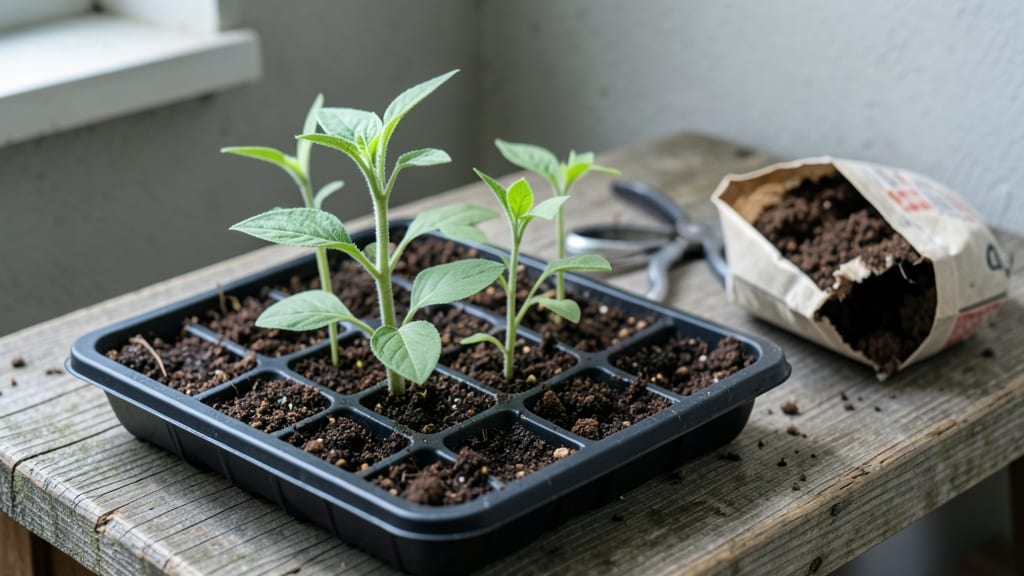
Planting sunflower seeds indoors is the secret to head-starting those 10-foot giants before your last frost—no more waiting for store-bought seedlings that bolt in the heat. 🌻 I’ve grown sunflowers from seed every spring, and starting them inside means you skip the race against time, giving your plants a 3-4 week advantage before transplanting.
The key isn’t fancy equipment; it’s matching their needs to your space, from a simple container to a grow light that mimics summer sunshine.
You’ll need just three basic supplies: a seed-starting mix (not garden soil), a container with drainage, and a sunny windowsill or grow light. Sunflowers are forgiving—overwatering is their only real enemy, and even then, they bounce back faster than most seedlings.
The trick is keeping the soil consistently moist but not soggy, and giving them 12-16 hours of light daily to prevent leggy, weak stems. My first batch of indoor sunflowers shot up 6 inches in just 10 days with the right setup.
By the time you’re ready to transplant, you’ll have stocky, dark-green seedlings with strong stems that handle outdoor conditions like pros.
The blooms arrive 2-3 weeks earlier than if you’d planted outside, and you get to choose from hundreds of varieties—tall giants, tiny snack-size ones, or even multicolored blooms that turn heads at the farmers’ market. The payoff?
A summer of sunflower-worthy stems that make your neighbors ask, “Did you grow those?”
Works for any indoor space, from a kitchen windowsill to a basement setup with grow lights. Even if you’ve killed seedlings before, sunflowers are the most beginner-friendly giant plant you’ll ever grow. Let’s get those seeds sprouting!
📚 In This Guide
- What you need
- Instructions
- Tips and common mistakes
- Wrapping up and next steps
What you need
- ● Sunflower seeds: 3–5 seeds per container (choose compact varieties like 'Teddy Bear' or 'Moulin Rouge' for indoor growth—aim for 12–18 inches max at maturity).
- ○ Seed-starting containers: 4–6 inch diameter pots with drainage holes (2–3 containers per seed batch). Optional: biodegradable peat pots for easy transplanting.
- ● High-quality potting mix: 1–2 bags of seed-starting mix (sterile, lightweight, and well-draining). Avoid garden soil—it’s too dense!
- ● Grow lights or sunny windowsill: Natural light: South-facing window (6+ hours of sunlight daily).
- ● Grow lights: LED full-spectrum bulb (12–16 hours/day, 6–12 inches above seedlings).
- ● Spray bottle: For gentle watering (avoid over-saturating seeds).
- ● Plastic wrap or humidity dome: To retain moisture and warmth during germination.
- ● Heat mat: Keeps soil at 70–75°F to speed up germination (especially useful in cooler homes).
- ● Fertilizer: Balanced liquid fertilizer (diluted to ½ strength) once seedlings sprout 2–3 true leaves.
- ● Support stake or tomato cage: For taller varieties (install when seedlings reach 6–8 inches).
- ● Thermometer/hygrometer: Monitors soil temp and humidity for optimal growth.
Step-by-Step instructions for planting sunflower seeds indoors
Here's how I get sunflowers off to a strong start indoors—no guesswork, just reliable growth.
🌱 Step 1: Prepare Containers and Soil Mix
Use 4-inch diameter pots or a single seed-starting tray with individual cells. Fill each container with a lightweight, well-draining mix—equal parts potting soil and perlite works perfectly. I press the mix down lightly with my fingers until it's firm but not compacted, creating a stable foundation for those deep taproots.
Moisten the mix until it feels like a wrung-out sponge: damp but not dripping. Too much water now will suffocate seeds, while too little makes germination uneven. Tap each pot gently on the table to settle the soil and create small air pockets for root development.
🌱 Step 2: Sow Seeds at the Right Depth
Plant 2-3 seeds per pot at a depth of 1 inch—about twice the diameter of a sunflower seed. Sowing too shallow risks drying out the seed before germination, while planting too deep forces seedlings to struggle upward. I use my pinky finger to make a small hole, drop in the seeds, then cover them with a thin layer of soil.
Gently press the soil around the seeds to ensure good contact, but don't compact it. I like to label each pot with the date and variety—sunflowers grow fast, and you'll forget which one you planted first. Place the pots in a shallow tray to catch any runoff during watering.
💧 Step 3: Provide Warmth and Consistent Moisture
Sunflower seeds germinate best in 70-75°F soil. I place the pots on a seedling heat mat to maintain this temperature—without it, germination can take twice as long. Keep the soil consistently moist but never soggy; water from the bottom by placing the tray in ½ inch of water for 10 minutes, then drain excess.
Cover the pots loosely with plastic wrap to retain humidity, but remove it immediately once sprouts appear—5-10 days after planting. Watch for the first true leaves (the second set after the initial seed leaves) to confirm germination success. If condensation forms inside the wrap, prop up one side to allow airflow.
☀️ Step 4: Move to Bright Light Immediately
The instant seedlings emerge, they need 12-14 hours of full-spectrum light daily. A south-facing window rarely provides enough intensity, so I use a grow light on a timer positioned 4-6 inches above the plants. Raise the light as seedlings grow to maintain that distance—leggy, stretched seedlings mean your light is too far away.
Rotate pots a quarter turn daily so plants grow straight toward the light, not lopsided. You'll see strong, stocky stems with deep green leaves within 2 weeks. If leaves yellow or stems bend, your light source is insufficient—move it closer or extend the photoperiod.
⏰ Step 5: Harden Off Before Transplanting
Two weeks before your last frost date, begin hardening off seedlings by placing them outside in a sheltered spot for 1-2 hours the first day. Gradually increase exposure over 7-10 days, ending with a full day in direct sun. This toughens stems and prevents transplant shock when moved to the garden.
Watch for wilting or leaf drop—these are signs the process is too aggressive. Once seedlings tolerate outdoor conditions without stress, transplant them into the garden at the same depth they were growing in pots. Water deeply at the base to encourage root expansion into the new soil.
Tips & tricks for planting sunflower seeds indoors
Sunflowers are forgiving but reward precision—here's how to give them the perfect start without overcomplicating things.
Soil Mix Matters: In Step 1, the equal parts potting soil and perlite ratio is key for drainage, but don't stop there. I add a handful of coarse sand to the mix for even better aeration—sunflower roots need oxygen as much as moisture. This prevents that dreaded "soggy bottom" syndrome where roots suffocate. For even better results, sterilize your soil mix by baking it at 200°F for 30 minutes before planting to kill any fungal spores that could compete with your seedlings.
Seed Depth Secret: That 1-inch planting depth in Step 2 is your sweet spot, but here's what nobody tells you—press the soil gently around the seeds to eliminate air pockets, then water lightly from the bottom. This ensures consistent moisture without disturbing the seeds. I've found that using a pencil to make the planting hole gives you perfect, consistent depth every time. If you're planting multiple varieties, color-code your pots with a non-toxic marker on the rim—you'll thank yourself when those towering plants start blooming at different times.
Germination Timing: The 5-10 day window for sprouts in Step 3 can feel like eternity, but here's how to speed things up: After planting, place your pots in a sealed plastic bag with a few drops of water on the bottom—this creates a mini greenhouse effect. Check daily for condensation on the inside of the bag; if it's heavy, your humidity is perfect. Once sprouts appear, remove the bag immediately to prevent mold growth. I've seen germination cut in half using this method, especially in cooler homes.
Lighting Strategy: That 12-14 hours of light in Step 4 is non-negotiable, but here's the pro move: Use a timer for your grow light and set it to come on at dawn and off at dusk—this mimics natural daylight cycles and prevents your seedlings from getting confused. I position my light just 3 inches above the seedlings initially, then raise it as they grow. Watch for that "leggy" look—if stems are stretching toward the light, it's too far away. Rotate your pots daily to prevent them from growing crooked toward one side.
Pro Tips for Planting Sunflower Seeds Indoors
- Sunflowers are forgiving but reward precision—here's how to give them the perfect start without overcomplicating things.
- Soil Mix Matters: In Step 1, the equal parts potting soil and perlite ratio is key for drainage, but don't stop there.
- Seed Depth Secret: That 1-inch planting depth in Step 2 is your sweet spot, but here's what nobody tells you—press the soil gently around the seeds to eliminate air pockets, then water lightly from the bottom.
Frequently asked questions
Got questions about growing sunflowers indoors?
You’re not alone! Here are answers to the most common queries to help you get started with confidence.
How deep should I plant sunflower seeds indoors?
Plant sunflower seeds about 1 inch deep in well-draining soil. Since they’re large seeds, they don’t need to be buried too deeply—just enough to cover them lightly. Press gently to ensure good soil contact for moisture.
When is the best time to start sunflower seeds indoors?
For indoor starts, sow seeds 4–6 weeks before your last frost date (or 6–8 weeks for dwarf varieties). Sunflowers grow quickly, so timing depends on your climate. Check local frost guidelines to avoid transplant shock.
Do sunflowers need special light indoors?
Yes! Sunflowers thrive on bright, direct light (12–16 hours/day). Place them near a south-facing window or use grow lights 6–8 inches above the plants. Without enough light, they’ll grow leggy and weak.
Can I grow sunflowers indoors without a garden?
Use deep containers (12+ inches) with drainage holes to accommodate their long taproots. Dwarf varieties (like ‘Teddy Bear’) are ideal for small spaces. Just ensure they get plenty of sunlight and room to grow upright.
Why aren’t my sunflower seeds sprouting?
Check these common issues: cold soil (keep it 70–75°F), dry soil (keep moist but not soggy), or old seeds (use fresh ones). If they’re still dormant after 2 weeks, try pressing them gently into the soil or soaking overnight.
Pro Tip:
If your sunflowers start leaning toward light, rotate the pot daily to encourage even growth. A little patience and adjustments will help them stand tall and proud!
Wrapping up and next steps
Growing sunflower seeds indoors is a rewarding way to jumpstart your garden and enjoy towering blooms months before outdoor planting season!
With the right setup—whether it’s a sunny windowsill, grow lights, or a simple container—you’ll nurture strong seedlings ready for transplanting. Don’t wait for spring—start small, stay patient, and watch your sunflowers reach for the sky!
🌱 Next step: Once your seedlings sprout, monitor their light and water needs closely. When they’re a few inches tall, they’ll be eager to stretch toward the sun—literally and figuratively!