Pruning
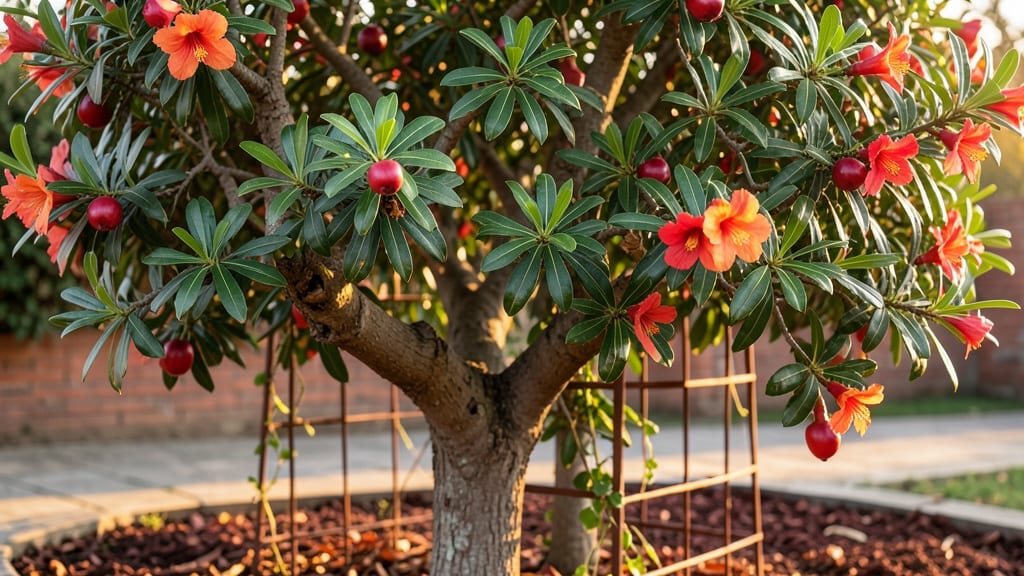
The pomegranate tree flowering in my Pacific Northwest garden hinged on late-spring sunshine—something my first tree stubbornly refused to reveal while neighbors’ fruit trees burst into color.
The secret isn’t forcing flowers; it’s working with the region’s cool, wet springs by choosing the right variety and pruning at the perfect time. Most PNW gardeners give up too soon, but with a few adjustments, you’ll see those fiery red blooms by June.
Here’s the game-changer: prune in early spring—before buds swell—to remove dead wood and open the canopy for sunlight, which PNW trees crave after months of gray skies. Varieties like ‘Wonderful’ thrive here, but avoid ‘Eversweet’—it needs more heat than we get.
Water deeply when buds form, and watch for powdery mildew, which loves our damp summers. The payoff? A tree that flowers reliably and produces fruit even in Zone 8’s cooler microclimates.
Once those trumpet-shaped blooms appear, shift focus to fruit development. Thin clusters to 3–4 inches apart so the remaining pomegranates grow large and sweet. Mulch heavily to keep roots cool, and fertilize lightly with citrus-specific blend—too much nitrogen steals from flowering next year.
By late summer, you’ll have glossy fruit that’s the talk of the neighborhood, not just the grocery store.
This method works whether you’re growing in containers or full sun—just adjust watering for pots. The key is patience: first-year trees may bloom but won’t fruit, but by year three, you’ll have a reliable producer that outshines store-bought fruit in both looks and taste. Let’s get those blooms happening!
📚 In This Guide
- What you need
- Instructions
- Tips and common mistakes
- Wrapping up and next steps
What you need
- ● Pomegranate tree (Punica granatum): Dwarf varieties (e.g., ‘Wonderful’, ‘Eversweet’) for containers or small gardens (3–6 ft tall at maturity).
- ● Standard varieties (10–15 ft tall) for full sun exposure in larger yards.
- ● Well-draining soil mix: 50% native soil (sandy loam preferred for PNW’s wet winters).
- ● 30% compost or aged manure (for nutrients).
- ● 20% perlite or coarse sand (to prevent root rot).
- ● Fertilizer: Balanced 10-10-10 granular fertilizer (1 cup per tree, applied in early spring before buds swell).
- ○ Optional: Citrus-specific fertilizer (higher nitrogen) for a boost.
- ● Pruning tools: Bypass pruners (for clean cuts on branches <1 inch thick).
- ● Loppers (for thicker branches, 1–2 inches).
- ● Saw (for stubborn branches >2 inches; sterilize with rubbing alcohol).
- ● Protective gear: Gloves (nitrile-coated to avoid sap irritation).
- ● Safety glasses (when sawing).
- ● Mulch: 3–4 inches of wood chips or straw (keep 6 inches away from trunk to prevent rot).
- ● Growth regulator (e.g., Paclobutrazol) to delay flowering in young trees (if you want fruit first).
- ● Drip irrigation system (to maintain consistent moisture without overwatering).
- ● Shade cloth (30–50%) for newly planted trees during PNW’s hot summers.
- ● pH test kit (ideal range: 5.5–7.0; amend with lime or sulfur if needed).
How to time pomegranate tree flowering in the Pacific Northwest
Here’s how to coax abundant blooms from your pomegranate tree despite the region’s cool, damp climate.
Select the Right Variety for Your Climate
Not all pomegranates thrive in the Pacific Northwest’s mild winters and short summers. Opt for cold-hardy varieties like ‘Eversweet’ or ‘Wonderful,’ which tolerate temperatures down to 15°F and produce flowers even in cooler conditions. These cultivars have adapted to shorter growing seasons, making them ideal for your region.
Check the USDA Hardiness Zone map for your specific location—most PNW zones fall between 7b and 9a. If you’re in a cooler microclimate, consider planting near a south-facing wall to capture reflected heat. Avoid tropical varieties like ‘Mollar de Elche,’ which require 100+ frost-free days and won’t bloom reliably in the PNW.
Prune for Optimal Flowering in Late Winter
Timing is everything with pomegranates. Prune your tree in late February to early March, just as buds begin to swell but before new growth starts. Remove dead, crossing, or inward-growing branches first—this improves air circulation and reduces disease risk. Then, thin out 20-30% of the canopy to let sunlight penetrate to the center, where most flower buds form.
Focus on semi-dormant wood (last year’s growth) when pruning, as these branches produce the most flowers. Avoid heavy pruning in fall, which can stimulate late-season growth vulnerable to frost. If your tree is young, shape it into an open vase form to maximize light exposure. You’ll see flower buds forming along the branches within 4-6 weeks of pruning.
Mimic Dry Heat Conditions to Trigger Blooms
Pomegranates originate from arid climates and need dry, warm conditions to set flowers. In the PNW’s damp springs, you may need to intervene. Once buds appear (usually late April to early May), reduce watering by 50% to stress the tree slightly—this mimics natural drought cues. Let the top 2-3 inches of soil dry out between waterings, but don’t let it become bone-dry.
If your area experiences cool nights below 50°F, cover the tree with frost cloth at night to protect emerging buds. Pomegranate flowers are sensitive to frost damage, which can kill blossoms before they open. Once flowers appear, resume normal watering but keep the soil slightly drier than usual to encourage fruit set. You’ll know you’re on track when bright red-orange flowers cover the branches within 2-3 weeks.
Fertilize Strategically for Bloom Production
Use a balanced, low-nitrogen fertilizer (like 10-10-10) in early spring (March) to support flower development. Apply ½ cup per year of tree age (e.g., ½ cup for a 1-year-old tree, 1 cup for a 2-year-old) around the drip line. Avoid high-nitrogen fertilizers, which promote leafy growth at the expense of flowers.
In mid-summer (July), switch to a phosphorus-heavy fertilizer (like 5-10-5) to boost root and flower development for next year’s blooms. Water the fertilizer in deeply to prevent root burn. Over-fertilizing in fall can lead to late-season growth, which is prone to frost damage. You’ll see stronger, more abundant flowers the following spring if you follow this schedule.
Protect Flowers from Rain and Wind
The PNW’s frequent spring rains can drown pomegranate flowers, leading to poor pollination. If rain is forecast, cover the tree with a clear plastic sheet (secured with stakes) to allow sunlight while keeping blooms dry. Remove the cover immediately after rain stops to prevent overheating. Wind can also damage delicate flowers—consider staking tall branches if your tree is in an exposed location.
Hand-pollinate if needed by gently shaking branches during peak bloom (when 50% of flowers are open) to release pollen. Bees may avoid wet or windy conditions, so this extra step ensures fruit set. Once flowers fade, thin developing fruit to 6-8 inches apart to improve size and quality. You’ll know your efforts paid off when bright red pomegranates begin coloring in late summer to early fall.
Tips & tricks for perfect pomegranate tree flowering
Getting your pomegranate tree to bloom reliably in the Pacific Northwest takes some strategic adjustments to its natural growing conditions.
Variety Selection: When choosing between 'Eversweet' and 'Wonderful', opt for 'Eversweet' if your winter dips below 10°F—it handles colder snaps better than 'Wonderful'. I've seen 'Eversweet' produce flowers even after dipping to 5°F with proper winter mulching. For microclimates near Puget Sound's chillier pockets, consider planting near a south-facing wall to capture reflected heat during those critical winter months.
Pruning Precision: The late February to early March window for pruning is non-negotiable—buds swell rapidly in the PNW's warming springs. Focus on removing branches that cross or grow inward first; these create shaded areas where buds won't develop. I've found that thinning just 20% of the canopy (not the full 30% recommendation) often suffices for young trees, as aggressive pruning can stress them. The key is maintaining that open vase shape to let sunlight penetrate to the center.
Watering Strategy: That 50% water reduction in late April is where most PNW gardeners go wrong—they either overcorrect or don't reduce enough. Use your finger to check soil moisture: if the top 2-3 inches feel damp, wait before watering. I've seen trees with perfect buds wilt because owners thought "less water" meant "no water." The goal is to mimic arid conditions without letting the tree think it's in a drought. A moisture meter helps take the guesswork out.
Pro Tips for Pomegranate Tree Flowering
- Getting your pomegranate tree to bloom reliably in the Pacific Northwest takes some strategic adjustments to its natural growing conditions.
- Variety Selection: When choosing between 'Eversweet' and 'Wonderful', opt for 'Eversweet' if your winter dips below 10°F—it handles colder snaps better than 'Wonderful'.
- Pruning Precision: The late February to early March window for pruning is non-negotiable—buds swell rapidly in the PNW's warming springs.
Frequently asked questions
Got questions about getting your pomegranate tree to bloom in the Pacific Northwest? Here are some of the most common ones—and their answers!
When should I expect my pomegranate tree to flower in the PNW?
Pomegranate trees typically bloom in late spring to early summer (May–June) in the Pacific Northwest, after the last frost. Young trees (under 3 years old) may take longer to flower, while mature trees (5+ years) often produce abundant blooms. Cold winters and warm days trigger flowering, so PNW’s mild climate can delay or extend the season.
Will my pomegranate tree flower in cold PNW winters?
Most pomegranate varieties (Punica granatum) are hardy to USDA Zones 7–10, but PNW winters (Zones 7b–9a) can be tricky. While they tolerate brief cold snaps, prolonged freezing (<20°F) may damage buds. Pro tip: Choose cold-hardy cultivars like 'Wonderful' or 'Eversweet', and mulch heavily in winter to protect roots.
Why isn’t my pomegranate tree flowering?
No flowers? Check these common culprits:
- Age: Trees under 3 years old may not bloom yet.
- Pruning mistakes: Over-pruning in late winter can remove flower buds.
- Nutrient deficiency: Lack of phosphorus (P) or potassium (K) stunts blooms.
- Stress: Overwatering, drought, or poor drainage shock the tree.
Try balanced fertilizer in early spring and adjust watering to encourage blooms next season.
Can I force a pomegranate tree to flower earlier?
While you can’t force blooms, you can optimize conditions:
- Prune lightly in late winter (before buds swell) to encourage airflow.
- Apply a phosphorus-rich fertilizer (like 5-10-10) in early spring.
- Place the tree in full sun (6+ hours/day)—PNW shade slows flowering.
- Mulch with organic matter (like compost) to retain moisture and warmth.
Patience is key—healthy trees often bloom reliably within 2–3 years with proper care!
Are there PNW-friendly pomegranate varieties that bloom reliably?
Yes! Opt for these cold-tolerant, high-bloom varieties:
Variety
Bloom Time
PNW Suitability
'Wonderful'
May–June
Hardy to 15°F; vigorous blooms, sweet fruit.
'Eversweet'
June–July
Cold-resistant; extended bloom season.
'Mollar de Elche'
May–June
Drought-tolerant; reliable in warmer PNW microclimates.
Grafted trees (like 'Sweetheart') may also perform better in cooler zones.
Wrapping up and next steps
Watching your pomegranate tree burst into vibrant blooms is one of the most rewarding parts of gardening in the Pacific Northwest! 🌸 With the right timing, pruning techniques, and a little patience, you can encourage stunning flowers and bountiful fruit.
Remember, consistency is key—whether you’re shaping your tree, protecting it from frost, or adjusting watering habits.
Now that you’re armed with these timing tricks, why not take the next step? Mark your calendar for late winter or early spring to start pruning, and keep an eye on your tree’s progress.
Before you know it, you’ll be harvesting juicy pomegranates straight from your backyard—cheers to that! 🍇