Flowers
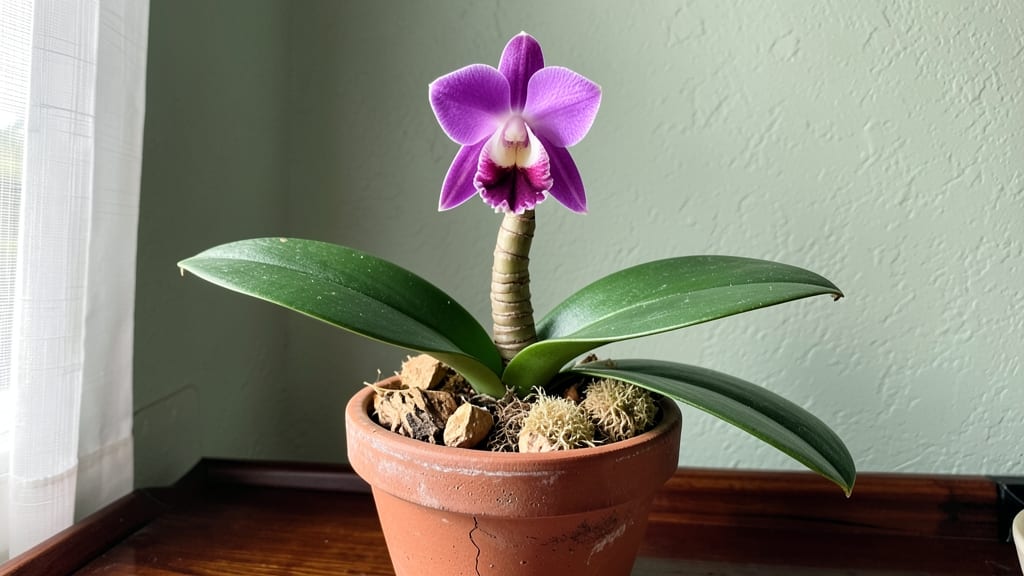
The regal bird of paradise flower (Celosia argentea var. cristata) brings bold, feather-like plumes to containers with surprising frost tolerance. 🌿 I fell for its velvety crests the first time I saw one in a friend’s patio pots—now I grow them every year, and they thrive even when temperatures dip below freezing at night.
The secret lies in their adaptability: these tropical-looking beauties handle containers like pros, as long as you match their needs to your climate.
You’ll need well-draining potting mix (think 60% peat or coco coir, 30% perlite, and 10% compost), a sunny spot with at least 6 hours of direct light daily, and containers with drainage holes—10-12 inches wide for each plant.
Water when the top inch of soil feels dry, but avoid soggy roots, which is their biggest downfall. A balanced fertilizer (10-10-10) every 4-6 weeks keeps those plumes vibrant, and pinching back leggy stems encourages bushier growth.
What you’ll end up with is a container garden showstopper—bright red, pink, or gold plumes that last from summer through frost. The flowers even dry beautifully for winter arrangements, and hummingbirds adore them.
With the right care, these plants reward you with months of drama in spaces where tropicals usually falter.
Works equally well on patios, balconies, or as a striking centerpiece. Once you try them, you’ll never buy store-bought bouquets again—they’re that good.
📚 In This Guide
- What you need
- Instructions
- Tips and common mistakes
- Wrapping up and next steps
What you need
- ● Container: A large, well-draining pot (18–24" diameter) with drainage holes. Terracotta or fabric pots are ideal.
- ● High-quality potting mix: 50% cactus/succulent mix + 50% perlite or orchid bark (promotes drainage).
- ● Regal Bird of Paradise plant: A healthy nursery-grown specimen (check for vibrant foliage and buds).
- ● Slow-release fertilizer: 5–10–10 NPK blend (follow package instructions for application).
- ● Mulch: Orchid bark or pine straw (1–2" layer) to retain moisture and regulate temperature.
- ● Garden trowel (for transplanting).
- ● Pruning shears (sterilized with rubbing alcohol).
- ● Spray bottle (for misting in dry climates).
- ○ Support stake or trellis (optional, if training vines).
- ● Plant saucer (to catch excess water).
- ○ pH testing kit (optional, to monitor soil acidity, ideal pH: 6.0–7.5).
Step-by-step guide to growing regal bird of paradise in containers
This stunning tropical beauty thrives in pots with the right care—here's how to coax those dramatic blooms indoors or out.
🪴 Step 1: Select the Right Container and Drainage
Choose a large, sturdy container at least 18-24 inches wide with drainage holes—this plant's fibrous roots need room to spread. I prefer glazed ceramic or heavy plastic to prevent tipping from the plant's eventual height (up to 6 feet). Add a 3-4 inch layer of gravel or broken pottery at the bottom to improve drainage and prevent root rot.
Regal Bird of Paradise hates soggy feet, so if your container lacks holes, drill multiple ½-inch holes along the sides near the base. Place a piece of landscape fabric over the drainage layer to keep gravel from clogging the holes while still allowing water to flow freely.
🌱 Step 2: Prepare Well-Draining Soil Mix
Fill the container with a custom soil blend that mimics its native tropical forest floor. Start with equal parts peat moss, perlite, and high-quality potting mix, then mix in 20% coarse sand or orchid bark for aeration. This ensures water drains quickly but retains enough moisture for the plant's thirsty roots.
I always add a slow-release fertilizer (5-10-5 ratio) mixed into the top 6 inches of soil—this gives the plant a steady nutrient supply without risking salt buildup from liquid fertilizers. Tap the container gently to settle the mix, leaving 2 inches of space at the top for watering.
☀️ Step 3: Plant and Position for Bright, Indirect Light
Remove the plant from its nursery pot and loosen the roots if they're circling. Place it in the center of the container, ensuring the top of the root ball sits 1 inch below the rim. Backfill with your prepared mix, pressing lightly to eliminate air pockets but not compacting too firmly.
Position your regal bird of paradise in bright, indirect light—think east or west-facing window or 10 feet from a south window. Direct sun will scorch the large leaves, while too little light stunts growth and prevents blooming. You'll know the light is right when new leaves emerge deep green with no yellowing and the plant grows 2-3 inches per month.
💧 Step 4: Water Deeply and Maintain High Humidity
Water thoroughly until water runs freely from the drainage holes, then allow the top 2-3 inches of soil to dry out before watering again. I use room-temperature water to avoid shocking the roots, and I always water at the base of the plant to keep the foliage dry—this prevents fungal diseases that love damp leaves.
Mist the leaves 2-3 times weekly or place the pot on a pebble tray filled with water to maintain the 60-70% humidity this tropical beauty craves. In dry indoor air, you'll notice leaf edges browning—a clear sign the humidity is too low. A small humidifier nearby works wonders if misting isn't enough.
✂️ Step 5: Feed and Prune for Healthy Growth
Fertilize every 4-6 weeks during spring and summer with a balanced liquid fertilizer (10-10-10) diluted to half-strength. Reduce feeding in fall and winter when growth slows. I also add a handful of compost to the soil surface in spring to boost microbial activity—this helps the plant absorb nutrients more efficiently.
Prune yellow or damaged leaves at the base with clean, sharp pruners, and trim any leggy stems back by ⅓ to encourage bushier growth. Never prune more than 20% of the foliage at once—this plant recovers slowly from heavy pruning. Watch for flower stalks emerging in late winter; these can be 1-2 feet tall before the dramatic blooms appear.
Tips & tricks for perfect regal bird of paradise flower growth
A few simple strategies will help your regal bird of paradise thrive and reward you with those iconic blooms.
Container Stability Matters: That 18-24 inch container might seem sturdy, but as your plant grows toward 6 feet, it will become top-heavy. I recommend placing your container on a wide, flat surface or using a saucer or tray underneath to catch any accidental spills. For outdoor containers, consider weighting the base with bricks or stones—especially if you experience wind. This prevents tipping, which can uproot the delicate root system you've worked so hard to establish.
The Soil Secret: When mixing your custom blend of equal parts peat moss, perlite, and potting mix with 20% coarse sand, don't skip the tap-to-settle step. This creates a firm yet aerated base that supports the plant's weight while preventing compaction. I also recommend adding a handful of worm castings to the mix—this natural amendment improves microbial activity and nutrient availability, giving your regal bird of paradise an extra growth boost.
Light Positioning Hack: If you're working with limited window space, try this: place your container on a rotating turntable or lazy Susan near your brightest window. Rotate it quarter-turn every 2-3 days to ensure even light exposure on all sides. This prevents lopsided growth and encourages the plant to develop its characteristic symmetrical shape. The goal is to mimic the dappled sunlight of its native tropical forest floor.
Humidity Booster: For those winter months when indoor air gets dry, I've found that placing the container on a bed of damp sphagnum moss (kept moist but not soggy) works better than a pebble tray. The moss releases moisture gradually, maintaining that crucial 60-70% humidity range without creating a breeding ground for fungal diseases. Just be sure to keep the moss 2-3 inches below the container's base to prevent root rot.
Pro Tips for Regal Bird Flower
- A few simple strategies will help your regal bird of paradise thrive and reward you with those iconic blooms.
- Container Stability Matters: That 18-24 inch container might seem sturdy, but as your plant grows toward 6 feet, it will become top-heavy.
- The Soil Secret: When mixing your custom blend of equal parts peat moss, perlite, and potting mix with 20% coarse sand, don't skip the tap-to-settle step.
Frequently asked questions
Got questions about growing the stunning regal bird of paradise flower (Caesalpinia pulcherrima)? You’re not alone—this tropical beauty has a few quirks! Here are answers to the most common questions to help you nurture your plant like a pro.
Can regal bird of paradise survive in cold climates?
The regal bird of paradise is not frost-hardy—it thrives in USDA zones 9-11. In colder areas, grow it in large containers (15+ gallons) and bring it indoors before temps drop below 40°F (4°C). A sunny patio or greenhouse works well for winter. Pro tip: Use frost cloth for extra protection if temps dip slightly!
How long does it take for regal bird of paradise to bloom?
With ideal care, expect vibrant blooms 6–12 months after planting (or transplanting). Young plants may take longer—patience is key! Boost flowering by ensuring full sun (6+ hours daily), well-draining soil, and balanced fertilizer (10-10-10) every 4–6 weeks during spring/summer.
Why aren’t my regal bird of paradise flowers opening?
Closed buds often signal stress. Check these fixes:
- Water issues: Overwatering causes root rot; underwatering stresses the plant. Aim for dry soil between waterings.
- Light deficiency: Move to a sunnier spot—even partial shade can delay blooms.
- Nutrient lack: Feed with low-phosphorus fertilizer (too much phosphorus = fewer flowers!).
What’s the best container size for regal bird of paradise?
These plants have deep roots, so skip small pots! Opt for a 15–20 gallon container with drainage holes. Use a fast-draining mix (cactus/succulent soil + perlite). For stability, choose a wide, heavy pot—they can get top-heavy with blooms!
Are there frost-resistant alternatives to regal bird of paradise?
If your climate is too chilly, try these hardier tropical-looking flowers:
- Plumeria (Frangipani): Zones 10–11; grows in containers; fragrant blooms.
- Bougainvillea: Zones 9–11; drought-tolerant; vibrant bracts.
- Ixora: Zones 10–11; glossy leaves; clusters of small flowers.
- Canna Lily: Zones 8–11; bold foliage; dig up tubers in winter.
Pro tip: Add mulch to container soil in winter to insulate roots!
Wrapping up and next steps
The regal bird of paradise flower is a stunning, frost-resistant tropical beauty that thrives in containers—perfect for adding drama to your garden or patio! 🌺 With the right care, you’ll enjoy its vibrant blooms and lush foliage for years.
Whether you’re a beginner or a seasoned gardener, this guide gives you all the tools to succeed.
Ready to transform your space? Start by selecting the perfect container and follow the steps outlined above. With patience and a little love, your regal bird of paradise will reward you with breathtaking, bird-like blossoms that turn heads! 🌿✨