
Flowers
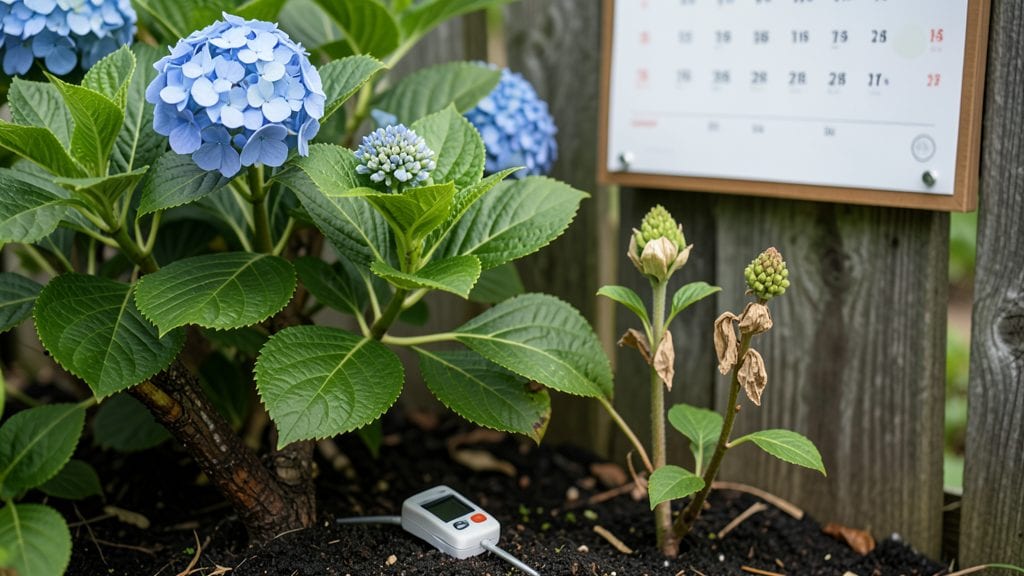
Hydrangeas don’t naturally flower all year—but with the right varieties and care, you can stretch their blooms from early summer through frost. 🌸 I’ve learned the hard way that most hydrangeas bloom on old wood (last year’s growth), which means they’re already set by late spring.
That’s why I now focus on ever-blooming types like ‘Endless Summer’ or ‘Limelight,’ which produce flowers on both old and new growth.
The secret to longer blooms lies in pruning at the right time and choosing varieties bred for extended seasons. Ever-blooming hydrangeas can reward you with fresh flowers from June until fall’s first freeze, while regular types need careful pruning to encourage reblooming.
I’ve even seen some varieties push into early spring with mild winters—though don’t expect tropical heat to keep them going year-round.
What you’ll get is a garden that stays vibrant well into autumn, with clusters of blooms that change color based on soil pH. The key is balancing pruning, watering, and variety selection to maximize your season. We’ll cover exactly how to do that without sacrificing next year’s blooms.
This approach works best in USDA zones 5-9, where winters are cold enough to rest the plants but not so harsh they prevent spring regrowth. For warmer climates, you might need to prune differently to avoid heat stress. Let’s get those hydrangeas blooming longer than you thought possible!
📚 In This Guide
- What you need
- Instructions
- Tips and common mistakes
- Wrapping up and next steps
What you need
- ● Hydrangeas: Choose evergreen varieties like Hydrangea macrophylla (e.g., 'Endless Summer' or 'Nikko Blue') or Hydrangea paniculata (e.g., 'Limelight'). Quantity: 1–3 plants per desired bloom spot.
- ● Well-draining potting soil: Type: Mix 60% peat moss/compost + 40% perlite/sand. Quantity: 1–2 bags (5–10 gallons each) per plant.
- ● Containers: Size: 15–20 gallons (for dwarf varieties) or 25+ gallons (for standard hydrangeas). Material: Glazed ceramic, fabric grow bags, or plastic with drainage holes.
- ● Slow-release fertilizer: Type: 10-10-10 or 14-14-14 NPK blend. Quantity: 1 lb per 5 gallons of soil.
- ○ Watering can or drip irrigation: Capacity: 1–2 gallons for hand-watering; Optional: Timer for automated systems.
- ● Pruning shears: Type: Bypass pruners (sharp, clean edges). Quantity: 1 pair.
- ● Mulch: Type: Wood chips or pine straw. Quantity: 2–3 inches around plant base (renew annually).
- ● Growth regulators: Paclobutrazol (e.g., B-9) to encourage compact growth and extended blooms. Use: Follow label instructions (typically 1–2 applications per year).
- ● Acid-loving plant food: Iron sulfate or citric acid to adjust soil pH (ideal: 5.2–5.5). Quantity: 1–2 tbsp per gallon of water, applied monthly.
- ● Shade cloth: SPF: 30–50% for afternoon sun protection in hot climates.
- ● Heat mat (for indoor pots): Use: Extends growing season in cooler months.
- ● Garden journal: Track blooms, pruning dates, and fertilizer schedules to refine your routine!
How to extend Hydrangea blooms through the seasons
Here’s how to coax your hydrangeas into longer, more abundant flowering—no matter the season.
☀️ Step 1: Choose the Right Variety for Year-Round Interest
Not all hydrangeas bloom continuously, but some varieties are far better at it. Oakleaf hydrangeas (Hydrangea quercifolia) produce fresh flowers on old wood, so they bloom early and often. Panicle hydrangeas (H. paniculata) like ‘Limelight’ or ‘Little Lime’ also rebloom prolifically, while Bigleaf hydrangeas (H. macrophylla) like ‘Endless Summer’ can be trained to flower twice a year with the right care.
If you’re starting fresh, pick a reblooming cultivar—it’s the first step to extending your blooming window. I always check the label at the nursery, because even within the same type, some varieties are more consistent than others. For example, ‘Nikko Blue’ is a Bigleaf that naturally blooms in spring and fall, while ‘Endless Summer’ can be coaxed into summer blooms with a little extra effort.
🌿 Step 2: Prune Strategically to Encourage Multiple Blooming Cycles
Pruning is where most gardeners go wrong—cutting at the wrong time can mean no flowers at all. For spring-blooming varieties (like most Bigleaf hydrangeas), prune right after they finish blooming in late spring or early summer. This lets you shape the plant while preserving next year’s flower buds, which form on old wood.
For reblooming varieties (like ‘Endless Summer’ or panicle types), you can prune lightly in late winter or early spring to shape the plant, then do a second, lighter pruning in early summer after the first flush of flowers fades. This encourages new growth that will produce a second round of blooms. Never cut back more than one-third of the plant in a single pruning session—this stresses the plant and reduces flowering.
💧 Step 3: Master Watering and Soil for Continuous Blooms
Hydrangeas are thirsty plants, but inconsistent watering leads to stress and fewer flowers. Keep the soil evenly moist but not soggy—think of a wrung-out sponge. During hot, dry spells, I water deeply 2-3 times per week rather than light sprinkles daily. The goal is to encourage deep root growth, which supports more robust flowering.
Soil pH also plays a role in bloom color and quantity. Bigleaf hydrangeas, in particular, thrive in slightly acidic soil (pH 5.2-6.0). Test your soil and amend with sulfur or peat moss if it’s too alkaline. For panicle and oakleaf types, a neutral to slightly acidic pH (6.0-7.0) works best. I test my soil every few years—it’s the secret to vibrant blooms that last.
✂️ Step 4: Feed and Deadhead for Extended Blooming
Fertilizer timing matters more than quantity when it comes to hydrangeas. In early spring, apply a balanced, slow-release fertilizer (like 10-10-10) to jumpstart growth. Then, in mid-summer, switch to a low-nitrogen, high-phosphorus formula (like 5-10-10) to encourage flowering. Too much nitrogen in summer leads to leafy growth at the expense of blooms.
Deadheading spent flowers isn’t just about looks—it signals the plant to produce new blooms. For reblooming varieties, snip off faded flowers just above a set of leaves or bud (never a bare stem). For oakleaf types, I let some spent blooms stay on for winter interest, but I remove the rest to keep the plant tidy and encourage new growth.
🌱 Step 5: Protect and Mulch for Season-Long Success
Hydrangeas are tough, but they appreciate a little winter protection in colder climates. After the first hard frost, mulch around the base with 3-4 inches of shredded bark or leaves. This insulates the roots and keeps the soil temperature stable, which helps the plant push out early spring blooms. In zones with harsh winters, I also wrap young plants with burlap to prevent sunscald on the bark.
In summer, light shade (especially in the afternoon) prevents the flowers from scorching in intense heat. A 50% shade cloth or dappled shade from nearby trees works well. I’ve seen hydrangeas in full sun wilt dramatically by midday, while those with afternoon shade keep blooming right up until frost.
Tips & tricks for extending Hydrangea blooms all year
Here’s what nobody tells you about keeping those hydrangeas blooming like clockwork—no matter the season.
Variety Selection Matters: Not all hydrangeas are created equal when it comes to reblooming. Oakleaf hydrangeas naturally produce fresh flowers on old wood, so they bloom early and often without much extra work. For Bigleaf varieties like 'Endless Summer,' you’ll need to prune strategically—cutting back by one-third in late winter and again after the first flush of blooms in early summer. I’ve seen ‘Nikko Blue’ put on a stunning fall show without any extra effort, while ‘Limelight’ panicle types reward consistent care with summer reblooms.
Pruning Precision: Timing is everything when it comes to pruning reblooming varieties. In Step 2, when you’re shaping your plant in late winter, focus on removing dead or weak stems while leaving the rest intact. The key is that second pruning after the first flush of flowers fades—this encourages new growth that will produce a second round of blooms. I always mark the pruning dates on my calendar so I don’t miss the window. And remember: never cut more than one-third of the plant at once, or you’ll stress it out.
Soil Secrets: The right soil pH can make all the difference in bloom color and quantity. Bigleaf hydrangeas thrive in slightly acidic soil (pH 5.2-6.0), while panicle and oakleaf types prefer neutral to slightly acidic (pH 6.0-7.0). I test my soil every couple of years—it’s the secret to those vibrant blooms that last. For alkaline soils, amend with sulfur or peat moss in early spring. And don’t forget: hydrangeas are thirsty! Watering deeply 2-3 times per week during dry spells keeps roots healthy and encourages robust flowering.
Deadheading Done Right: This isn’t just about looks—it’s about signaling your plant to produce more blooms. For reblooming varieties, snip off faded flowers just above a set of leaves or bud, never a bare stem. For oakleaf types, I leave some spent blooms for winter interest but remove the rest to keep the plant tidy. The difference in reblooming is night and day when you do this consistently.
Pro Tips for Do Hydrangeas Flower All Year
- Here’s what nobody tells you about keeping those hydrangeas blooming like clockwork—no matter the season.
- Variety Selection Matters: Not all hydrangeas are created equal when it comes to reblooming.
- Pruning Precision: Timing is everything when it comes to pruning reblooming varieties.
Frequently asked questions
about hydrangeas blooming year-round—because every gardener deserves clarity!Can I make my hydrangeas bloom all year?
While hydrangeas naturally bloom seasonally (spring to fall in most climates), you can extend their display with the right care. Prune strategically, choose long-blooming varieties like Endless Summer, and provide consistent moisture and shade. Even then, expect breaks in winter or extreme heat—but with patience, you’ll maximize their time in bloom!
Why don’t my hydrangeas flower in summer?
Summer blooms can fade due to heat stress, drought, or improper pruning. Check these fixes:
- Water deeply 2–3x/week (hydrangeas hate drought!).
- Prune in late winter/early spring (never after June!).
- Move potted hydrangeas to partial shade if scorched.
Do hydrangeas bloom in winter?
Most hydrangeas go dormant in winter, but some varieties (like Oakleaf or Annabelle) may hold dried blooms or buds. For year-round color, plant evergreen hydrangeas (e.g., Hydrangea quercifolia) or pair them with camellias or heather for winter interest. Just don’t expect fresh blooms—think "winter texture" instead!
What’s the best hydrangea for continuous blooms?
Look for reblooming hydrangeas like:
- Endless Summer (mophead/hortensia)
- BloomStruck (panicle)
- Little Lime (compact, long-season)
Can I force hydrangeas to rebloom after they stop?
Unfortunately, no—hydrangeas are seasonal bloomers and won’t produce new flowers mid-season without buds already set. However, you can prune lightly in early summer to encourage some new growth (but expect fewer blooms). For guaranteed color, plan ahead: fertilize in spring, mulch well, and choose reblooming varieties!
Wrapping up and next steps
Hydrangeas don’t bloom all year—but with the right care, you can stretch their stunning displays well beyond their natural season! 🌸 By choosing the right varieties, pruning strategically, and providing optimal growing conditions, you’ll enjoy vibrant blooms for months (or even year-round in mild climates).
The key? Consistency—whether it’s watering, sunlight, or seasonal adjustments.
Ready to transform your garden into a hydrangea paradise? Start by picking one variety from our guide and experiment with a few care tips. Your next step? Grab your pruners, pick a sunny spot, and let the blooms begin! 🌿✨