
Container Gardens
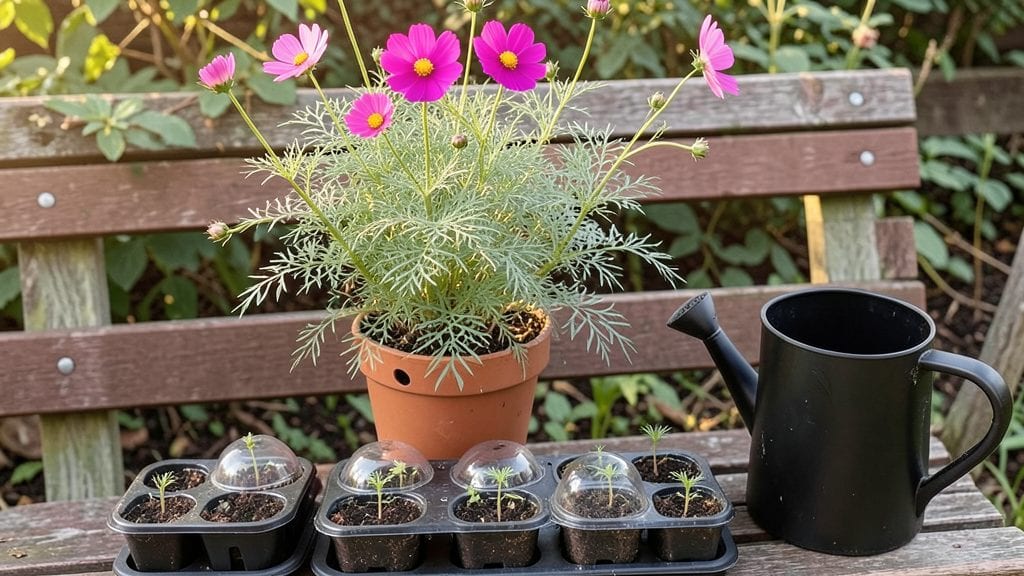
Growing wildflowers in containers turns even a tiny balcony into a buzzing pollinator paradise. 🌸 I learned the hard way that wildflowers need the same care as annuals—just with more forgiveness for their free-spirited growth habits.
The key isn’t fancy equipment; it’s matching the right container to their thirsty roots and giving them sunlight that mimics their natural meadow conditions.
Start with a 5-gallon container for small mixes or a 10-gallon trough for a dramatic display—just make sure drainage holes are bigger than your thumb. Wildflowers thrive in well-draining soil mixed with compost (think 60% potting mix, 30% perlite, 10% compost).
Water deeply once a week rather than daily, and you’ll avoid the soggy soil that chokes them. Most varieties bloom best in full sun, but a few shade-tolerant species (like blue-eyed grass) handle partial shade beautifully.
By midsummer, you’ll have a riot of color that attracts bees, butterflies, and hummingbirds—something store-bought annuals never do. The best part? These plants multiply yearly, so you’ll have free cuttings for next season.
Even my black thumb can’t kill these hardy blooms, and they’ll outperform container petunias in both beauty and pollinator power.
Works for city balconies, rustic farmhouse patios, or even hanging baskets—just adjust watering for exposed spots. Here’s how to keep them thriving all season long.
📚 In This Guide
- What you need
- Instructions
- Tips and common mistakes
- Wrapping up and next steps
What you need
- ● Containers: At least 2–4 containers (5–10 gallons each) with drainage holes. Options: Ceramic or terracotta pots (great for aesthetics)
- ● Fabric grow bags (breathable and lightweight)
- ● Wooden planters (ensure they’re untreated)
- ● Wildflower seeds: Choose a native wildflower mix (e.g., black-eyed Susans, coneflowers, or cosmos). Aim for 1–2 tbsp per container (follow seed packet instructions).
- ● Potting soil: A well-draining blend (60% potting mix + 40% perlite/sand or coconut coir). Avoid heavy garden soil!
- ● Drainage layer: 1–2 inches of gravel, pebbles, or broken pottery pieces per container.
- ● Watering can or hose with a gentle spray nozzle (for even moisture).
- ● Gloves and pruners (for planting and maintenance).
- ○ Seed-starting kit: Optional for pre-germination (e.g., seed trays + humidity dome).
- ● Slow-release fertilizer: A balanced 10-10-10 or organic option (sprinkle lightly at planting).
- ● Container saucers or trays (to catch runoff and protect surfaces).
- ● Mulch (straw or shredded leaves): Helps retain moisture (apply ½ inch after planting).
- ● Sunlight meter or app (to track light exposure if your space varies).
- ● Wildlife-friendly touches: A small bird feeder or bee house nearby for extra charm!
Step-by-step instructions for growing wildflowers in containers
Here’s how to create a thriving wildflower display using the right containers and care techniques.
🪴 Step 1: Select the Right Containers and Drainage
Choose containers with drainage holes—wildflowers despise soggy roots. I prefer terra cotta pots or fabric grow bags because they allow excess water to escape while maintaining airflow. For 4 plants, use 5-gallon containers (about 12-15 inches deep) to give roots room to establish. If using shallow trays, add a 2-inch layer of gravel or broken pottery at the bottom to prevent compaction and ensure proper drainage.
Wildflowers thrive in well-draining soil, so avoid plastic containers without holes—they trap moisture and lead to root rot. If your chosen pots lack drainage, drill ¼-inch holes in the bottom and line them with landscape fabric to prevent soil from washing out. This step is critical: waterlogged soil kills wildflowers faster than any other issue.
🌱 Step 2: Fill With Lightweight, Fast-Draining Soil Mix
Fill each container ¾ full with a custom wildflower mix: blend 60% premium potting soil, 30% perlite or coarse sand, and 10% compost. This ratio prevents compaction while providing nutrients. Wildflowers often grow in poor, rocky soil, so avoid heavy garden soil—it compacts and suffocates roots. I like to sift the mix through a ¼-inch mesh screen to remove clumps and ensure an airy texture.
Leave 1-2 inches of space at the top for watering. Press the soil down lightly—just enough to remove air pockets but not so firmly that it becomes dense. You’ll know it’s right when the surface holds its shape but still crumbles easily when touched. This step ensures roots spread freely instead of struggling against compacted soil.
☀️ Step 3: Plant Seeds or Transplants at the Correct Depth
For seeds, scatter them evenly over the soil surface—most wildflower seeds need light to germinate, so don’t bury them. Gently press them into the top ⅛ inch of soil using your fingers or a small board. If using transplants, dig holes twice as wide as the root ball and place each plant at the same depth it grew in its nursery pot. Space 4-6 inches apart to allow airflow and prevent overcrowding.
Water immediately after planting to settle the soil around roots or seeds. Use a spray bottle for seeds to avoid displacing them, while transplants can handle a gentle watering can stream. Watch for even moisture—the soil should feel damp but not soggy. This step is where many gardeners fail: overwatering seeds washes them away, while underwatering prevents germination.
💧 Step 4: Water and Maintain Consistent Moisture
Keep the soil consistently moist (not waterlogged) for the first 2-3 weeks—this is when roots establish. Water early in the morning to reduce evaporation and fungal risks. Once seedlings appear, reduce watering to every 3-4 days, letting the top ½ inch of soil dry out between waterings. Wildflowers are drought-tolerant once established, but young plants need steady moisture to thrive.
After 4-6 weeks, gradually taper off watering to once a week unless your climate is extremely hot or dry. You’ll notice healthier, deeper green leaves when moisture is balanced—wilting or yellowing signals either over- or underwatering. This step builds resilience: stressed wildflowers produce fewer blooms.
✂️ Step 5: Provide Sunlight and Prune for Longer Blooms
Place containers in full sun (6+ hours daily)—most wildflowers need bright light to flower. If your space is shady, choose partial-sun varieties like black-eyed Susans or coneflowers. Rotate pots weekly to ensure even growth. You’ll see leggy stems or pale leaves if light is insufficient—this is your cue to move them closer to a sunny window or outdoors.
Deadhead spent blooms by pinching off wilted flowers with your fingers or small pruners. This encourages more blooms and prevents self-seeding where you don’t want it. Trim back overgrown stems in early fall to ½ their height—this promotes bushier growth next season. Wildflowers reward consistent care with vibrant, long-lasting blooms.
Tips & tricks for perfect wildflower container gardens
These pro tips will help you avoid common pitfalls and create a thriving wildflower display that lasts all season.
Container Selection: Terra cotta pots and fabric grow bags are ideal, but if you're working with limited options, look for containers with at least 4 drainage holes spaced evenly around the bottom. I've had success with repurposed colanders or even old rain gutters with holes drilled—just ensure the holes are ¼-inch or larger to prevent soil clogging. The key is preventing waterlogging, which is the #1 killer of container-grown wildflowers.
Soil Mix Strategy: When blending your 60% potting soil, 30% perlite/sand, 10% compost mix, consider adding a handful of orchid bark or horticultural charcoal to improve drainage and prevent compaction. This is especially helpful for heavy clay soils. I sift my mix through a ¼-inch mesh screen to eliminate clumps—this creates the perfect airy texture wildflowers crave. Pro tip: Test your mix by squeezing a handful; it should hold its shape but crumble easily when touched.
Planting Depth Secrets: For seeds, that ⅛-inch press into the soil is crucial—any deeper and they won't germinate. I use a small board or butter knife to gently press seeds into place without disturbing them. When planting transplants, remember the twice-as-wide hole rule—this prevents root circling and gives roots room to spread. Space those 4-6 inches apart to allow airflow, which is especially important in containers where humidity builds up more quickly.
Watering Wisdom: The 2-3 week consistently moist phase is critical for root establishment, but I've found using a moisture meter helps avoid overwatering. Aim for soil that feels like a wrung-out sponge—damp but not soggy. For the every 3-4 days phase, I water until liquid runs freely from the drainage holes, then let the top ½ inch dry out before watering again. This mimics natural rainfall patterns and prevents fungal issues that plague container gardens.
Pro Tips for Growing Wildflowers In Containers
- These pro tips will help you avoid common pitfalls and create a thriving wildflower display that lasts all season.
- Container Selection: Terra cotta pots and fabric grow bags are ideal, but if you're working with limited options, look for containers with at least 4 drainage holes spaced evenly around the bottom.
- Soil Mix Strategy: When blending your 60% potting soil, 30% perlite/sand, 10% compost mix, consider adding a handful of orchid bark or horticultural charcoal to improve drainage and prevent compaction.
Frequently asked questions
Got questions about growing wildflowers in containers? You’re not alone! Here are some of the most common concerns—and straightforward answers—to help you succeed.
What’s the best container size for wildflowers?
Most wildflowers thrive in containers with a minimum depth of 6–8 inches and a diameter of at least 12 inches. Shallow, wide pots (like window boxes) work for low-growing varieties, while deeper containers (12+ inches) are ideal for taller species. Just ensure the container has drainage holes—wildflowers hate soggy roots!
When is the best time to plant wildflowers in containers?
For most regions, early spring (after the last frost) or late summer (6–8 weeks before the first frost) are the sweet spots. Spring planting gives flowers time to establish before summer heat, while fall planting lets them root before winter dormancy. Pro tip: If planting in summer, water deeply daily for the first 2 weeks to help them adjust.
How often should I water container-grown wildflowers?
Water when the top inch of soil feels dry—usually every 2–3 days in hot weather, but less in cooler months. Containers dry out faster than garden beds, so check soil moisture daily during heatwaves. Mulch lightly (with straw or pebbles) to retain moisture and reduce evaporation.
How do I keep pests away from wildflowers in pots?
Wildflowers are generally pest-resistant, but aphids, slugs, and spider mites might visit. Prevent problems with:
- Neem oil spray (for soft-bodied pests)
- Handpick slugs at night (use beer traps!)
- Avoid overwatering (pests love damp soil)
Can I grow wildflowers in containers indoors?
Most wildflowers need full sun (6+ hours daily), so indoor growth is tricky unless you have a sunny windowsill or grow lights. Low-light-tolerant varieties like sweet alyssum or impatiens (technically not wildflowers but container-friendly) can work, but true wildflowers will struggle without bright light. If you’re set on indoor blooms, opt for herbs like thyme or lavender instead!
Wrapping up and next steps
Growing wildflowers in containers is a rewarding way to bring nature’s beauty to small spaces—no green thumb required! 🌸 With the right mix of sunlight, drainage, and soil, you’ll create a thriving mini-ecosystem that attracts pollinators and delights the senses.
Start small, experiment with varieties, and don’t forget to enjoy the process—your balcony or patio will thank you!
Ready to dive in? Pick your favorite wildflowers, grab a container, and let your garden grow! 🌱 Check out our next-step guide for planting tips and care routines.