Flowers
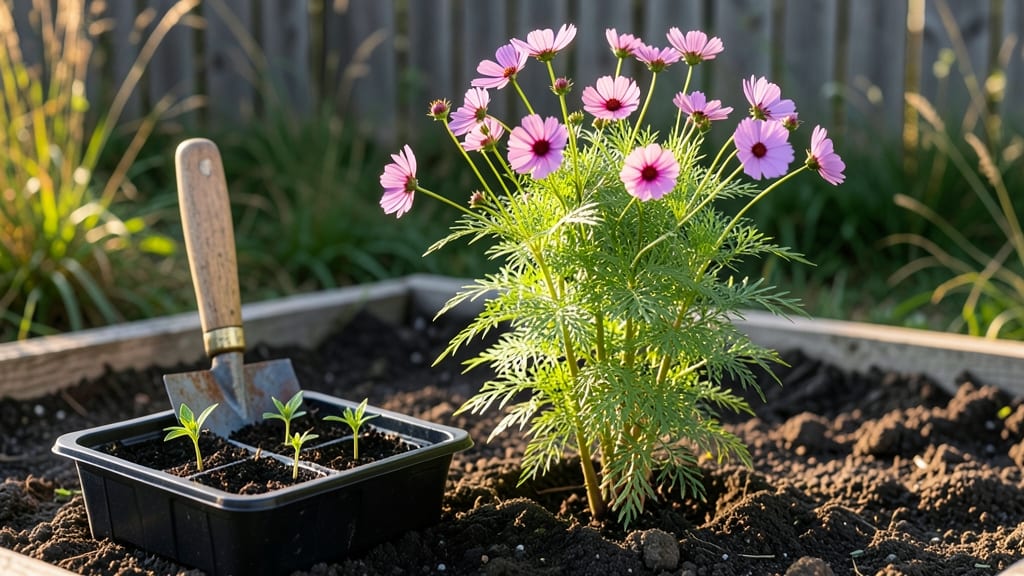
Growing cosmos wildflower seeds opens your garden to frost-resistant blooms that defy cold climates—something I never expected from delicate-looking flowers. 🌱 These seeds thrive where others fail, pushing through cool springs and late falls to reward you with cheerful, daisy-like blooms in shades of pink, white, and magenta.
The secret lies in their hardy nature and adaptability, making them perfect for gardeners in zones 3-10 who want easy, reliable color without fuss.
You’ll need just a few basics: well-draining soil, a sunny spot (at least 6 hours of light daily), and a light touch with water. Cosmos seeds germinate quickly—often within 7-14 days—if kept consistently moist but not soggy.
The real magic happens when you let them grow wild: thin seedlings to 12-18 inches apart and watch them self-seed for years, creating a naturalized meadow effect that hummingbirds and butterflies adore.
Once established, these wildflowers practically take care of themselves. They’re drought-tolerant once rooted, resistant to most pests, and even bounce back after light frosts. You’ll end up with 3-4 foot tall stems bursting with blooms from early summer through fall, long after most annuals have faded.
The key is minimal intervention—just deadhead spent flowers if you want nonstop color, and let the seeds scatter for next year’s show.
This method works for borders, wildflower meadows, or even container gardens. Whether you’re a beginner or a seasoned gardener, cosmos deliver low-maintenance beauty that outperforms fussy annuals. Let’s get those seeds in the ground and bring some cheerful resilience to your landscape!
📚 In This Guide
- What you need
- Instructions
- Tips and common mistakes
- Wrapping up and next steps
What you need
- ● Cosmos wildflower seeds: 1 packet (typically 1,000–5,000 seeds, depending on the variety). Look for frost-resistant varieties like Cosmos bipinnatus or Cosmos sulphureus.
- ● Well-draining potting soil: 1–2 bags (sterile, seed-starting mix preferred). Avoid heavy garden soil.
- ● Seed trays or small pots: 1–2 trays (with drainage holes) or 4–6 small pots (3–4 inches deep).
- ● Watering can or spray bottle: For gentle hydration without disturbing seeds.
- ○ Grow lights or sunny windowsill: Optional but helpful for early growth (6–8 hours of light daily).
- ● Gloves: To protect hands while handling soil or seeds.
- ● Plant labels: Waterproof markers to track varieties.
- ○ Fertilizer (balanced, 10-10-10 or organic): 1 small container (optional, for transplanting).
- ● Mulch (straw or shredded leaves): To retain moisture and protect seedlings from frost.
- ● Transplanting tools: Small trowel or spoon for moving seedlings outdoors.
Step-by-step instructions for growing cosmos wildflower seeds
Here's how I grow cosmos from seed—direct-sown, frost-tolerant, and ready to bloom when most flowers still hesitate.
🌱 Step 1: Choose and Prepare Your Planting Site
Cosmos thrives in full sun (6+ hours daily) but tolerates light shade in hot climates. Choose a spot with well-draining soil—cosmos hates soggy roots. I always test drainage by digging a 6-inch deep hole, filling it with water, and waiting to see if it drains within an hour. If not, amend the soil with 2-3 inches of compost to improve structure.
Loosen the top 4-6 inches of soil with a garden fork, breaking up any compacted layers. Cosmos roots spread shallowly but need loose soil to establish quickly. Scatter a handful of granular, slow-release fertilizer (10-10-10 ratio) into the soil before planting—this gives seedlings a nutrient boost without burning tender roots.
🌱 Step 2: Sow Seeds Directly After Last Frost
Cosmos seeds germinate best when soil temperatures reach 60-65°F, which is why I wait until 2-3 weeks after your last frost date—even though they tolerate light frost. Scatter seeds ¼ inch deep and 12-18 inches apart (closer for shorter varieties, wider for tall types). I tap the seed packet gently to release seeds one at a time, avoiding clumps that lead to overcrowding.
Lightly cover with soil and water gently with a fine spray—don't use a hose or you'll bury seeds too deep. Germination takes 7-14 days, but don't be surprised if seedlings appear in 3-5 days in warm soil. Thin to 12 inches apart once plants reach 2-3 inches tall, using scissors to avoid disturbing roots.
☀️ Step 3: Provide Minimal Care for Vibrant Blooms
Cosmos is drought-tolerant once established, but young seedlings need consistent moisture. Water 1-2 inches per week, aiming for the soil—not the leaves—to prevent fungal diseases. You'll know moisture is right when the top 1 inch of soil feels dry to touch. Mulch around plants with 1-2 inches of straw or shredded leaves to retain moisture and suppress weeds.
Deadhead spent blooms by pinching off flowers just above the next set of leaves—this encourages nonstop blooming from early summer through frost. I also remove any leggy stems by cutting them back to 6-8 inches tall in midsummer. This rejuvenates plants and promotes bushier, more compact growth.
✂️ Step 4: Prepare for Winter and Next Year’s Growth
Cosmos is self-seeding, but I still collect seeds from the dried flower heads in fall for next year. Wait until the seed heads turn brown and papery before harvesting—this ensures maximum viability. Cut the heads, place them in a paper bag, and let them dry indoors for 1-2 weeks before rubbing out the seeds.
In colder climates, cosmos may die back to the ground but often resprouts in spring. If your winters are harsh (below 10°F), cut back stems to 2 inches tall in late fall and mulch heavily. The roots will survive and produce fresh growth by early spring—no need to replant.
Tips & tricks for perfectly growing cosmos wildflower seeds
Here's what I've learned after growing cosmos for years—these tricks ensure your flowers thrive even in cool climates.
Soil Temperature Secret: While the instructions mention soil temps of 60-65°F for germination, I've found that using a simple soil thermometer can help you time your planting perfectly. If your spring is unpredictable, consider using a black plastic mulch to warm the soil 2-3°F faster—this can make the difference between fast germination and waiting weeks. The key is getting those seeds in when the soil hits that sweet spot, especially in cooler regions.
Thinning Technique: When thinning seedlings to 12 inches apart, I use a pair of clean, sharp scissors to snip at the base rather than pulling. This prevents disturbing the roots of your remaining plants, which can shock them. I also thin gradually—first to 6 inches, then wait a week before final thinning. This gives the roots time to adjust and establishes stronger plants that bloom earlier.
Frost Tolerance Insight: While cosmos can handle light frost, don't confuse that with cold soil. I've seen seedlings emerge beautifully only to wilt when nighttime temps drop below 32°F. If your forecast predicts frost after planting, cover young seedlings with frost cloth for the first week or two. This gives them time to develop stronger root systems before facing cooler temperatures.
Winter Preparation: For that final step of cutting back to 2 inches in cold climates, I actually cut back to about 4 inches in zones where winters dip below 10°F. The extra height provides better insulation against freezing temperatures. I also add an extra 3-4 inches of mulch around the base—this creates a protective barrier that keeps roots from heaving out of the ground during freeze-thaw cycles.
Pro Tips for Cosmos Wildflower Seeds
- Here's what I've learned after growing cosmos for years—these tricks ensure your flowers thrive even in cool climates.
- Soil Temperature Secret: While the instructions mention soil temps of 60-65°F for germination, I've found that using ...
- Thinning Technique: When thinning seedlings to 12 inches apart, I use a pair of clean, sharp scissors to snip at the ...
Frequently asked questions
Got questions about growing cosmos wildflower seeds in cooler climates? You’re not alone! Here are answers to the most common queries to help you cultivate a vibrant, frost-resistant garden with ease.
Can cosmos wildflower seeds survive light frost?
Yes! Cosmos seeds are tolerant of light frost, especially after germination. Once sprouted, seedlings can handle temperatures down to 25–30°F (-4 to -1°C) with minimal damage. For extra protection, cover young plants with frost cloth on chilly nights. Pro tip: Direct sow seeds after the last frost for best results.
How long does it take for cosmos seeds to germinate?
Cosmos seeds typically germinate in 7–14 days under ideal conditions (warm soil, consistent moisture, and sunlight). If your climate is cooler, germination may take slightly longer—up to 3 weeks. Keep soil 60–70°F (15–21°C) for faster sprouting. Patience pays off with these cheerful blooms!
Do cosmos wildflowers need full sun, or can they grow in partial shade?
While cosmos thrive in full sun (6+ hours/day), they can tolerate partial shade (4–6 hours), especially in hotter climates. In cooler regions, partial shade may delay flowering but won’t prevent growth. For best results, plant them in a spot with at least 4 hours of sunlight. Bonus: They’re drought-tolerant once established!
Can I plant cosmos seeds in fall for spring blooms?
Fall planting is a great strategy for cooler climates. Sow seeds 6–8 weeks before your first expected frost—they’ll germinate in warm soil and overwinter as hardy seedlings. In spring, you’ll enjoy early blooms. Just ensure the soil stays above freezing during germination.
Why aren’t my cosmos seeds sprouting? Troubleshooting tips.
If your seeds aren’t germinating, check these common issues:
- Cold soil: Cosmos need warmth to sprout—wait until soil is at least 50°F (10°C).
- Too much moisture: Overwatering can cause rot; keep soil evenly moist but not soggy.
- Depth: Plant seeds ¼ inch deep—too deep slows germination.
- Old seeds: Cosmos seeds lose viability after 2–3 years.
Still stuck? Try a heat mat or transplant seedlings indoors if frost delays outdoor planting.
Wrapping up and next steps
Growing cosmos wildflower seeds is a rewarding way to bring vibrant color and life to your garden—even in cooler climates! 🌸 These frost-resistant beauties are low-maintenance, drought-tolerant, and perfect for pollinators.
Whether you're a seasoned gardener or just starting out, their resilience and easy care make them an ideal choice for adding charm to any outdoor space.
Ready to transform your garden? Start by selecting your favorite cosmos varieties, gathering your supplies, and planting with confidence. Watch as your yard bursts into a wildflower wonderland—nature’s way of saying, "You’ve got this!" 🌱✨