Container Gardens
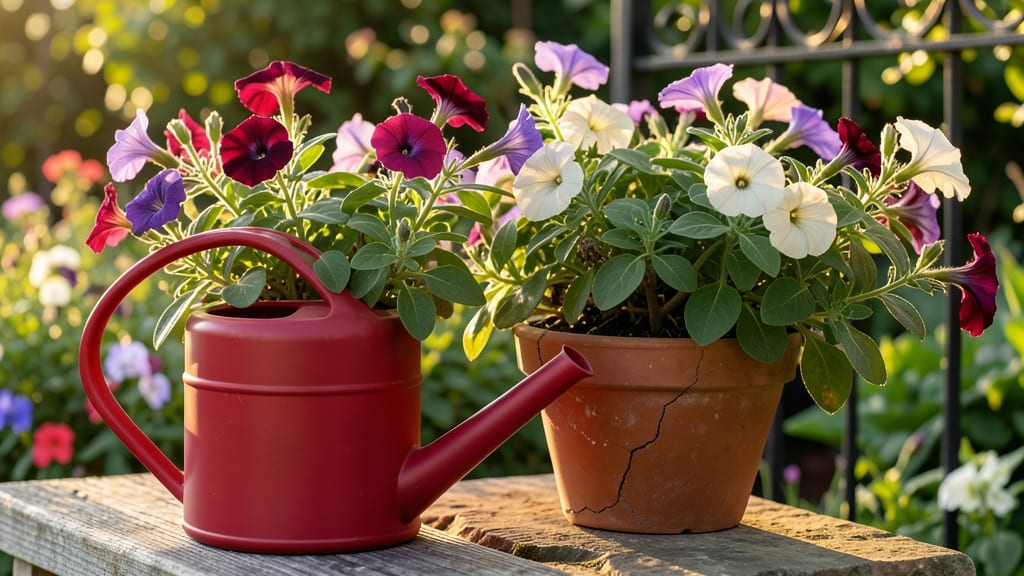
Growing flowers in containers lets you turn even the tiniest balcony into a riot of color. 🌸 I started with a single pot on my fire escape and now have a patio bursting with blooms—no yard required.
The secret isn’t fancy setups but matching the right flowers to your space, sunlight, and care routine.
You’ll need containers with drainage, lightweight potting mix, and flowers that thrive in confined roots. Petunias, geraniums, and marigolds are foolproof starters, while trailing nasturtiums add drama without taking over. Most blooms need 4-6 hours of sun daily, but shade-tolerant varieties like impatiens work for covered patios too.
By midsummer, you’ll be snipping fresh-cut bouquets from your own pots—no grocery store needed. The fragrance of evening primrose or the cheerful pop of pansies turns any space into a retreat.
Just watch for overwatering (containers dry faster than ground soil) and repot every 2-3 years when roots crowd the container.
Works for urban apartments, senior-friendly balconies, or even window boxes. Whether you’re growing for color, pollinators, or cutting flowers, containers make it possible. Let’s get those pots blooming!
📚 In This Guide
- What you need
- Instructions
- Tips and common mistakes
- Wrapping up and next steps
What you need
- ● Containers: 1–3+ pots (size depends on plant type; 6–12" diameter for small flowers, 12–18" for larger blooms). Ensure they have drainage holes!
- ● Potting Soil: 1–2 bags of high-quality, well-draining container mix (avoid garden soil—it compacts!).
- ● Drainage Material: Small rocks (like pebbles) or broken pottery pieces (1–2 inches deep) for the container base.
- ● Flowers: 1–3 plants (choose compact varieties like petunias, geraniums, or pansies for containers). Check plant tags for spacing needs!
- ● Watering Can or Hose: With a gentle spray nozzle for even watering.
- ● Fertilizer: Slow-release granules or liquid fertilizer (follow package instructions).
- ● Self-watering trays or saucers to catch runoff.
- ● Mulch (like bark chips) to retain moisture and suppress weeds.
- ● Decorative stones, paint, or labels for a polished look.
- ● Gloves and pruning shears for maintenance.
Step-by-Step instructions for growing flowers in containers
Here's how I transform small spaces into vibrant displays—no green thumb required.
🪴 Step 1: Select and Prepare Your Containers
Choose pots with drainage holes—flowers despise soggy roots. I prefer terra cotta for its breathability, but plastic works too if you drill extra holes. For 4 plants, use containers at least 6-8 inches deep—shallower pots dry out too fast, especially for thirsty blooms like petunias. Clean containers thoroughly with soapy water to remove residue from previous plants.
Real talk: if your pot lacks drainage, add a 2-inch layer of gravel at the bottom first. This prevents waterlogging while still allowing excess moisture to escape. I always test drainage by filling the pot halfway with water—if it drains within 2 minutes, it's ready for planting.
🌱 Step 2: Choose the Right Soil and Plant Combinations
Fill containers with high-quality potting mix—never garden soil. I blend mine with 20% perlite for extra drainage and a handful of slow-release fertilizer to feed blooms all season. For 4 plants, you'll need about 2 gallons of mix per container (adjust based on pot size). Press the soil down lightly to remove air pockets but don't compact it.
Group plants by sun/water needs. Pair sun-lovers like geraniums with drought-tolerant succulents, or shade-friendly impatiens with ferns. I always plant taller varieties in the center and trailing flowers like nasturtiums at the edges—this creates natural visual balance. Space plants 2-3 inches apart for good airflow.
☀️ Step 3: Position for Optimal Light and Watering
Most container flowers need 6+ hours of sunlight daily. A south-facing balcony gets the best results, but west exposures work too. If your space is shady, opt for begonias or coleus instead of sun-hungry marigolds. I rotate pots quarter-turn weekly so plants grow evenly—you'll notice stems leaning toward the light if you skip this.
Water when the top inch of soil feels dry. Stick your finger in—if it's damp, wait another day. Overwatering is the #1 killer of potted flowers. I water deeply until it drains from the bottom, then empty the saucer after 10 minutes to prevent root rot. Mulch with 1 inch of bark chips to retain moisture and keep roots cool.
✂️ Step 4: Maintain and Encourage Continuous Blooms
Deadhead spent blooms weekly—this redirects energy to new flowers instead of seed production. Pinch back leggy stems to encourage bushier growth. For 4 plants, I fertilize every 2-3 weeks with half-strength liquid fertilizer during the growing season. Stop fertilizing in late summer to let plants prepare for dormancy.
Watch for pests like aphids or spider mites—spray with neem oil at the first sign. I inspect leaves twice weekly under bright light to catch problems early. If flowers stop blooming, check light levels first—most container plants need more sun than we think. Move them closer to the window or supplement with a grow light for 12 hours daily if needed.
Tips & tricks for perfect container flower gardens
Transforming small spaces into vibrant floral displays takes a few strategic moves—here's what I've learned after years of container gardening.
Container Selection: Terra cotta pots may be beautiful, but they dry out faster than plastic. If you choose terra cotta, group containers together to create microclimates that retain moisture longer. For thirsty plants like petunias, I use plastic pots with drainage holes and add an extra inch of gravel at the bottom—this creates a moisture buffer zone that prevents roots from drying out too quickly.
Soil Mix Secrets: The 20% perlite addition in Step 2 isn't just about drainage—it also prevents soil compaction. I always sift my potting mix before using it to break up any clumps, then press it down gently with my fingers rather than using a trowel. This creates just enough firmness to support plants while still allowing roots to spread easily through the soil.
Light Positioning: That 6+ hours of sunlight requirement in Step 3 is non-negotiable for most blooming plants, but here's the trick: if your balcony faces east, rotate containers quarter-turn weekly to ensure even growth. I've seen plants grow lopsided when left stationary—this simple rotation keeps them growing toward all directions, not just the morning sun.
Watering Wisdom: The 10-minute drainage test in Step 3 is your best friend. After watering, I always weigh the pot—if it feels significantly lighter after 10 minutes, your drainage system is working perfectly. For containers without saucers, place them on a layer of pebbles in a tray to catch excess water while still allowing airflow to the roots below.
Pro Tips for Growing Flowers In Containers
- Transforming small spaces into vibrant floral displays takes a few strategic moves—here's what I've learned after yea...
- Container Selection: Terra cotta pots may be beautiful, but they dry out faster than plastic. If you choose terra cot...
- Soil Mix Secrets: The 20% perlite addition in Step 2 isn't just about drainage—it also prevents soil compaction. I al...
Frequently asked questions
Got questions about container gardening?
Here are answers to the most common ones—so you can grow stunning blooms without the hassle!
What’s the best type of container for flowers?
Choose containers with drainage holes to prevent root rot. Terra-cotta pots work well for most flowers, while fabric grow bags are great for lightweight options. For heavy plants like petunias, opt for sturdy plastic or ceramic containers. Avoid glass—it traps moisture and can cause mold.
When is the best time to plant flowers in containers?
Plant annuals after the last frost in spring (check your USDA zone for timing). Perennials can go in early spring or fall. Pro tip: If planting in summer, keep containers in shade for a week to reduce transplant shock!
How often should I water container-grown flowers?
Containers dry out faster than ground soil—water when the top inch feels dry. Most flowers need 1–2 inches of water per week, but check soil moisture. Morning watering prevents evaporation, and mulch (like straw) helps retain moisture. Overwatering is worse than underwatering!
What do I do if my container flowers get pests?
Start with prevention: Inspect plants weekly and remove pests by hand (aphids, spider mites). Use neem oil or insecticidal soap for mild infestations. For slugs, set out beer traps or copper barriers. Act fast! Pests spread quickly in confined spaces.
Can I grow vegetables alongside flowers in containers?
Pair flowers with companion plants like marigolds (repel pests) or basil (attracts pollinators). Just ensure they have similar sunlight and water needs. Avoid overcrowding—stick to 1–2 plants per 6-inch pot for harmony.
Wrapping up and next steps
Growing flowers in containers is a rewarding way to bring color and life to small spaces—whether you’re working with a cozy balcony, a tiny patio, or even a sunny windowsill! 🌸 With the right containers, soil, and sunlight, you can create a thriving mini garden that delights the senses and boosts your mood.
Start small, experiment with easy-to-grow blooms, and don’t forget to nurture your plants with love (and water!).
Ready to turn your space into a floral paradise? Pick one or two flowers to begin, gather your supplies, and let your green thumb shine! 🌱 Happy planting!