Flowers
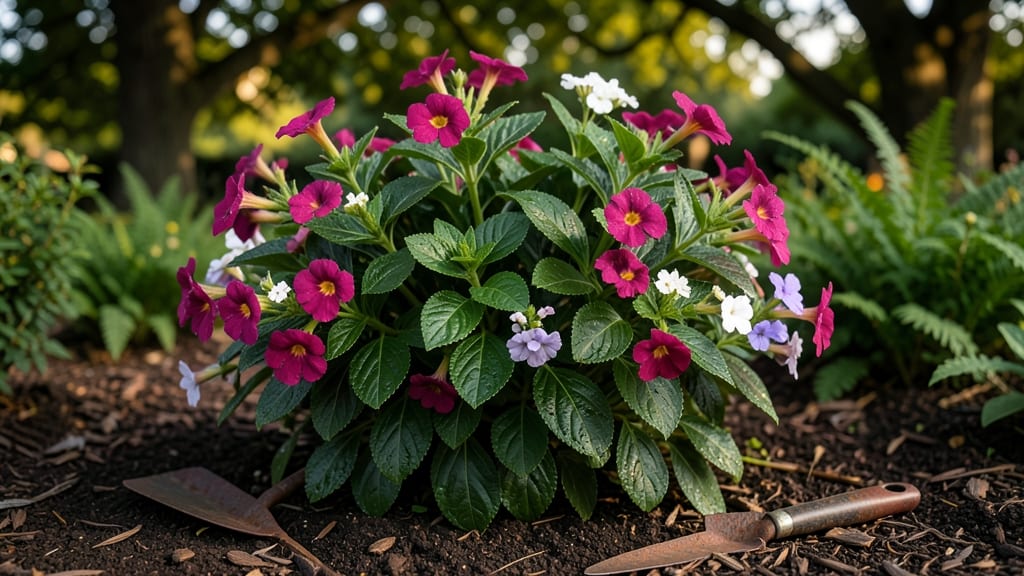
Transform your Pacific Northwest impatiens flower bed into a frost-resistant burst of color that outshines even the toughest blooms. Impatiens bring vibrant blooms to shady spots where most flowers give up, and their velvety petals add texture that makes any garden feel lush and intentional.
I’ve designed beds here that stay stunning from May through October, even when chilly mornings linger.
The secret isn’t just choosing the right impatiens—it’s pairing them with shade-loving companions like ferns, heucheras, or hostas. My go-to combo uses deep purple impatiens with silver foliage for contrast, or hot pink with chartreuse calibrachoa for a pop of energy.
These pairings keep the bed dynamic while letting impatiens shine as the star. And yes, you can mix heights—just place taller plants behind shorter ones for that layered look.
What you’ll end up with is a flower bed that feels like a living painting—bold colors that catch the light, soft textures that invite touch, and a design that holds up through rain and cool spells.
The best part? It requires almost no maintenance once established. Think of it as your low-stress, high-impact garden centerpiece.
Whether you’re working with a small corner bed or a sprawling garden border, these principles scale easily. The key is playing with color families (try blues and purples together) and repeating foliage textures to tie everything together. Let’s make your shade garden the envy of the neighborhood—without the fuss.
📚 In This Guide
- What you need
- Instructions
- Tips and common mistakes
- Wrapping up and next steps
What you need
- ● Impatiens plants: 12–20 frost-resistant varieties (e.g., Impatiens walleriana or Impatiens hawkeri), depending on bed size. Choose hardy cultivars like ‘Accent’ or ‘Super Elfin’ for PNW resilience.
- ● Potting soil: 2–3 cubic yards of well-draining, peat-based mix (amend with perlite or compost for aeration). Avoid heavy clay soils.
- ● Mulch: 2–3 bags of shredded bark or pine straw (3–4 inches deep) to retain moisture and protect roots.
- ● Fertilizer: Slow-release balanced fertilizer (10-10-10) or organic options like fish emulsion (follow package rates).
- ● Watering system: Drip irrigation kit or hose with a gentle spray nozzle (impatiens hate soggy roots!).
- ● Garden tools: Trowel or hand shovel
- ● Garden gloves (nitrile for grip)
- ● Pruners (sterilized)
- ● Rake (for leveling soil)
- ● Location: Partial shade (3–6 hours of sun; PNW’s dappled light is ideal!). Test soil pH (aim for 6.0–7.0; amend with lime if needed).
- ○ Support (optional): Small stakes or cages if planting tall varieties (e.g., ‘Super Nova’).
- ○ Decorative accents (optional):strong> Garden stones or edging for definition
- ● Solar-powered lights for evening ambiance
How to create a thriving impatiens flower bed in the Pacific Northwest
This vibrant, low-maintenance bed will burst with color even in cooler climates—here’s how to make it happen.
Select the Perfect Location for Year-Round Blooms
Impatiens thrive in partial shade—they’ll scorch in full sun and fade in deep shade. In the Pacific Northwest, choose a spot that gets morning sun and afternoon shade, especially during summer months. Avoid areas where afternoon sun hits after 2 p.m., as the leaves will crisp and yellow. I always test a location by placing a white board where the bed will go; if it’s too hot to touch after 2 hours of sun, the spot is too intense.
Ensure the area drains well, even in rainy seasons. Impatiens hate soggy roots, so if your yard holds water after heavy rain, amend the soil with 2-3 inches of compost to improve drainage. A slight slope away from your house or walkways helps prevent water pooling. This is the moment that matters: the right spot means fewer wilting stems and more blooms.
Prepare the Soil for Frost-Resistant Growth
Impatiens prefer rich, well-draining soil with a pH between 6.0 and 6.5. Before planting, loosen the top 12 inches of soil with a garden fork or tiller, breaking up compacted layers. Mix in 3-4 inches of compost or aged manure to feed the roots and improve structure. I like to add a handful of slow-release fertilizer (10-10-10) per square foot—this gives the plants a steady nutrient boost without burning tender roots.
Test your soil’s moisture retention by squeezing a handful. If it crumbles easily, it’s ready; if it sticks together like clay, add more compost or perlite to lighten it. Overwatering is the biggest mistake here—amended soil should hold moisture but not stay soggy. Real talk: Skipping this step leads to leggy, weak plants that flop over in the first wind.
Plant Impatiens at the Right Depth and Spacing
Dig holes twice as wide as the root ball but no deeper—this encourages roots to spread outward instead of sitting in a hole. Space plants 10-12 inches apart in rows 12-18 inches apart for a lush, full look. Impatiens grow quickly, and crowding leads to disease and fewer blooms. I tap each plant gently to settle the roots before backfilling with soil, then water deeply to eliminate air pockets.
Mulch immediately after planting with 2-3 inches of shredded bark or pine needles to retain moisture and suppress weeds. Keep mulch 2 inches away from stems to prevent rot. Here’s the thing—mulching too close to the plant creates a damp, dark environment that invites fungal issues. Water thoroughly after planting, then let the top inch of soil dry out before watering again.
Maintain Consistent Moisture and Fertility
Impatiens need consistent moisture—they wilt quickly when dry but can’t handle soggy soil. Water deeply 2-3 times per week in dry spells, aiming for 1 inch of water per week. Use a soaker hose or drip irrigation to keep leaves dry and reduce disease risk. I water in the early morning to allow foliage to dry before evening, which prevents fungal spores from taking hold.
Feed plants every 4-6 weeks with a balanced liquid fertilizer (20-20-20) diluted to half strength. Over-fertilizing leads to lush leaves but fewer flowers—impatiens bloom best when slightly hungry. Deadhead spent blooms regularly to encourage continuous flowering. Pinch back leggy stems in early summer to promote bushier growth; this is the moment that matters for a full, rounded plant.
Protect from Late Frost and Pests
In the Pacific Northwest, late frosts can still hit in May. Cover young plants with frost cloth if temperatures dip below 32°F after they’ve sprouted. Remove the cloth during the day to allow sunlight. Once plants are established (after 4-6 weeks), they’ll tolerate light frosts, but new growth is always the most vulnerable.
Watch for aphids, spider mites, and slugs—common pests in damp climates. I spray plants with neem oil at the first sign of aphids and set out beer traps for slugs (a shallow dish of beer buried at soil level). Avoid chemical pesticides; they harm beneficial insects and can linger in the soil. A strong spray of water often knocks off aphids before they become a problem.
Tips & tricks for perfect impatiens flower beds
A few thoughtful strategies will help you create a thriving impatiens display that thrives through Pacific Northwest's unique climate challenges.
Location Testing: The 2-hour sun test in Step 1 is your best friend for avoiding scorched leaves. I've found that placing a white board where you plan to plant works better than guessing—if it's too hot to touch after just 2 hours, that spot gets too much afternoon sun. For extra shade testing, use a simple app like Sun Surveyor to track sun patterns throughout the day before committing to a location.
Soil Preparation Secret: When loosening the top 12 inches of soil in Step 2, don't just break it up—actually turn the soil over to create a more aerated environment. I like to work in a handful of perlite with the compost to improve drainage further, especially in clay-heavy Pacific Northwest soils. This prevents that dreaded "soggy roots" scenario that kills impatiens faster than anything else.
Planting Depth Technique: The "twice as wide" rule for planting holes in Step 3 is crucial, but here's what nobody tells you—tap the sides of the hole after planting to eliminate air pockets. I also recommend using your finger to create small drainage channels at the bottom of each hole before adding plants. This ensures water flows away from roots during our rainy seasons.
Frost Protection Strategy: For that critical 32°F threshold in Step 5, I've found that using frost cloth is most effective when you also secure it with small bricks or stakes at the edges. The cloth tends to blow away in Pacific Northwest winds if not properly weighted down. Remove it during the day to prevent overheating, but leave it on at night if temperatures are forecasted to drop below freezing.
Pro Tips for Impatiens Flower Bed
- A few thoughtful strategies will help you create a thriving impatiens display that thrives through Pacific Northwest'...
- Location Testing: The 2-hour sun test in Step 1 is your best friend for avoiding scorched leaves. I've found that pla...
- Soil Preparation Secret: When loosening the top 12 inches of soil in Step 2, don't just break it up—actually turn the...
Frequently asked questions
Got questions about creating a stunning impatiens flower bed in the Pacific Northwest? You’re not alone! Here are answers to the most common queries—from frost prep to troubleshooting—to help your garden thrive.
Can impatiens survive frost in the PNW?
Unfortunately, Impatiens walleriana (the classic annual) is not frost-tolerant—even light frosts (below 32°F) can damage or kill them. For year-round color, opt for frost-resistant alternatives like heuchera, bergenia, or lobelia in shaded beds. If you love impatiens, treat them as summer annuals and replant after the last frost (typically late May in the PNW).
When is the best time to plant impatiens in the PNW?
Plant impatiens after the last frost date (usually mid-to-late May in most of the PNW). Start seeds indoors 6–8 weeks before or buy sturdy nursery starts. For extended blooms, succession-plant every 3–4 weeks until early July. Pro tip: Use black plastic mulch to keep soil warm and deter weeds!
What’s the secret to keeping impatiens blooming all summer?
Impatiens love consistent moisture and partial shade (3–6 hours of sun). Deadhead spent blooms regularly to encourage new flowers. Feed with a balanced liquid fertilizer (like 10-10-10) every 2–3 weeks. Warning: Avoid overcrowding—space plants 10–12 inches apart for airflow and to prevent fungal diseases like downy mildew.
Why are my impatiens leaves turning yellow or spotted?
Yellowing leaves often signal overwatering or poor drainage. Spotted leaves? Likely powdery mildew or aphids. Fix it:
- Ensure pots/containers have drainage holes.
- Water at the base (not overhead) to avoid fungal spread.
- Spray with neem oil or insecticidal soap for pests.
- Prune affected leaves immediately to stop the spread.
Are there frost-hardy impatiens for the PNW?
Most Impatiens species are tender, but two exceptions thrive in cooler climates:
- Impatiens noli-tangere (“touch-me-nots”): Hardy to Zone 3–9 and loves shade.
- Impatiens textori (Asian impatiens): Tougher than walleriana and tolerates light frost (Zone 5+).
Wrapping up and next steps
Creating a stunning impatiens flower bed in the Pacific Northwest is all about embracing color, resilience, and a little creativity! These frost-tolerant beauties bring life to shady spots while requiring minimal fuss—just the right soil, consistent water, and a dash of love.
Whether you’re a seasoned gardener or a newbie with a green thumb, your vibrant flower bed is just a few steps away.
Now that you’re armed with tips and answers, roll up your sleeves and get planting! 🌱 Start small if needed, experiment with varieties, and enjoy the process.
Before you know it, your garden will be bursting with cheerful blooms that turn heads—and maybe even inspire your neighbors to join the fun.