Landscaping
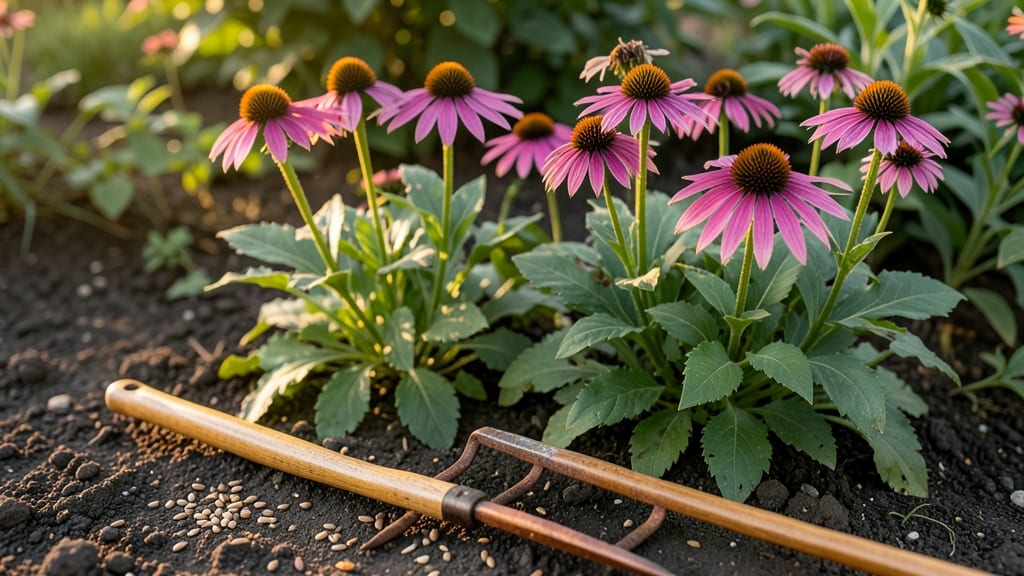
Landscaping with wildflowers turns your yard into a buzzing, blooming sanctuary that works harder than any manicured lawn. 🌼 The first time I swapped a patch of grass for native wildflowers, I didn’t just get more color—I got hummingbirds, bees, and butterflies that had vanished from my neighborhood.
This isn’t about wild abandon; it’s about intentional design that thrives with less water, fewer chemicals, and zero mowing.
The magic starts with choosing the right mix for your region—perennials like black-eyed Susans and milkweed pair beautifully with annuals for year-round interest. You’ll need a sunny spot, minimal soil prep (just loosen the top few inches), and a sprinkle of seeds that multiply like magic.
Within weeks, you’ll watch stems shoot up, and by summer, your "lawn" will be a riot of color that changes with the seasons.
What you end up with is a garden that’s easier to maintain than traditional beds but far more alive. The scent of clover on warm mornings, the way monarchs pause mid-flight to sip from your coneflowers—these are the quiet rewards that make the effort worthwhile.
Plus, you’ll spend less time fussing and more time enjoying the show.
Whether you’re creating a full meadow or just a wildflower border along your driveway, the principles stay the same. The key is starting small—even a 4x8-foot patch makes a difference for pollinators. Let’s get those seeds in the ground and turn your yard into a haven.
📚 In This Guide
- What you need
- Instructions
- Tips and common mistakes
- Wrapping up and next steps
What you need
- ● Wildflower seeds: Choose native species (e.g., Black-eyed Susan, Coneflower, Milkweed). Aim for 1–2 lbs per 100 sq ft for full coverage.
- ● Soil amendments: Compost (2–3 inches spread evenly)
- ● Organic mulch (straw or wood chips, 1–2 inches deep)
- ● Watering system: Hose with adjustable nozzle or drip irrigation kit (for efficiency).
- ● Gloves & long sleeves: Protect yourself from prickly plants and sun.
- ● Garden rake: For leveling soil (medium-tooth, 18–24 inches wide).
- ● Hand trowel: For planting individual seeds or transplants.
- ○ Broadcast spreader (optional but handy): For even seed distribution (mechanical or hand-crank).
- ● Pruners: Sharp bypass pruners for trimming established plants.
- ● Sunlight assessment: Wildflowers thrive in full sun (6+ hours/day). Test your space before buying seeds!
- ○ Soil test kit (optional): Check pH (aim for 6.0–7.5) and nutrients. Adjust with lime or sulfur if needed.
- ● Local plant database: Research native wildflowers suited to your climate/region.
Step-by-Step instructions for designing a wildflower pollinator paradise
Here's how to create a thriving, low-maintenance garden that blooms season after season.
🌱 Step 1: Choose the Right Location and Sun Exposure
Wildflowers thrive where native plants naturally grow, so prioritize areas with full sun (6+ hours daily). I always scout my yard first—look for spots where weeds already flourish, as they indicate ideal conditions. Avoid low-lying areas where water pools, as wildflowers hate soggy roots.
If your yard has limited sun, focus on partial shade wildflowers like Virginia bluebells or wild columbine. Test your spot by observing how long sunlight lingers in summer—most wildflowers need at least 4 hours of direct sun to bloom reliably. Mark the area with stakes to visualize your design before digging.
🌿 Step 2: Prepare the Soil for Optimal Growth
Wildflowers adapt to poor soil, but they perform best when you loosen the top 6 inches of soil to improve drainage. Rent a tiller or use a broadfork to break up compacted areas without disturbing deeper layers. I always work when the ground is slightly moist—dry soil clumps together, while muddy soil compacts again immediately.
Add a thin layer of compost (1-2 inches) and mix it into the topsoil. This boosts organic matter without smothering wildflower seeds, which need sunlight to germinate. Avoid heavy amendments like peat moss or fertilizer—wildflowers thrive in lean conditions. Rake the area smooth afterward to create a fine seedbed.
💧 Step 3: Select and Plant Wildflower Seeds
Choose a mix of native wildflowers that bloom at different times for continuous color. I like to include early bloomers like phlox, mid-season favorites such as black-eyed Susan, and late-season asters to feed pollinators all growing season. Scatter seeds evenly by hand—most wildflower packets contain 1-2 pounds per 1,000 sq ft.
Lightly press seeds into the soil with your hand or a rake—don’t bury them deeper than ¼ inch. Water gently but thoroughly to settle seeds without washing them away. The key is keeping the soil moist until germination, which typically takes 10-21 days. Use a sprinkler with fine mist settings to avoid disturbing seeds.
☀️ Step 4: Maintain with Minimal Effort
Once established, wildflowers need little care. Water deeply once a week during the first growing season to encourage deep root growth. After that, let nature take over—most wildflowers survive on rainfall alone. I pull a few weeds early on to give seedlings a fighting chance, but I never mulch heavily, as wildflowers need sunlight to thrive.
Cut back dead foliage in late fall or early spring to make room for new growth. Avoid fertilizing—wildflowers grow best in nutrient-poor soil. If your garden looks messy in late summer, resist the urge to tidy up. Many pollinators rely on seed heads for winter food, and the natural look adds charm to the landscape.
⏰ Step 5: Extend the Season with Perennial Favorites
For a garden that blooms year after year, focus on perennial wildflowers like coneflowers, bee balm, and goldenrod. These return stronger each season and attract more pollinators. I always leave some seed heads to self-sow—it’s the easiest way to expand your wildflower meadow naturally.
Add a few annuals like cosmos or zinnias for extra color in the first year. These fill gaps while perennials establish. Watch for blooming cycles—when one plant fades, another should take over. This layered approach ensures your pollinator paradise stays vibrant from spring through frost.
Tips & tricks for perfect wildflower landscaping
Creating a pollinator paradise takes a few key tricks that make all the difference between a patchy garden and a thriving meadow.
Location is Everything: Before you start, observe your yard's sun patterns for at least a week. That 6+ hours of full sun mentioned in Step 1 is non-negotiable for most wildflowers. I always check the sunniest spot by watching where my lawn gets crispy in summer—this is prime real estate for sun-loving varieties. For shady areas, Virginia bluebells and wild columbine will still thrive with just 4 hours of light.
Soil Prep Secrets: When loosening that top 6 inches of soil in Step 2, go slow with your broadfork—you want to break up compaction without disturbing deeper layers where beneficial soil organisms live. I test soil moisture by squeezing a handful; it should hold together but not be sticky. That 1-2 inch compost layer is your secret weapon—think of it as a gentle boost, not a fertilizer. Too much nitrogen will make your wildflowers grow lush leaves but few flowers!
Seed Planting Precision: The 10-21 day germination window can feel like forever, so here's my pro tip: After planting, create a simple watering schedule using a rain gauge. Aim for about 1 inch of water per week, delivered gently with a sprinkler set to fine mist. This keeps seeds moist without washing them away—just like baby birds need constant care until they fledge, your seeds need consistent moisture to sprout.
Long-Term Maintenance Hack: That once-a-week watering in the first season is crucial, but after year one, most wildflowers become drought-tolerant. I mark my calendar with a reminder to cut back dead foliage in early spring—this gives new growth room while leaving seed heads for winter pollinators. The messier it looks in late summer, the happier your bees will be!
Pro Tips for Landscaping With Wildflowers
- Creating a pollinator paradise takes a few key tricks that make all the difference between a patchy garden and a thri...
- Location is Everything: Before you start, observe your yard's sun patterns for at least a week. That 6+ hours of full...
- Soil Prep Secrets: When loosening that top 6 inches of soil in Step 2, go slow with your broadfork—you want to break ...
Frequently asked questions
Got questions about transforming your yard into a wildflower haven?
Here are some of the most common ones—and their answers—to help you get started with confidence!
How do I prepare my soil for wildflowers?
Wildflowers thrive in well-draining soil but don’t need rich, amended dirt. Start by removing weeds, then lightly till or scratch the top 2–3 inches of soil. Avoid heavy fertilization—wildflowers prefer lean conditions! If your soil is compacted, aerate it slightly to help seeds make contact with the earth.
When is the best time to plant wildflowers?
For most regions, late summer to early fall (August–September) is ideal—seeds germinate in cooler weather and establish roots before winter. Spring planting (March–April) also works, but avoid planting in peak heat (June–July) unless you’re using pre-mixed wildflower blends designed for summer sowing.
Will wildflowers attract pests like mosquitoes?
Not at all! Wildflowers repel pests by attracting beneficial predators (like ladybugs and lacewings) that eat garden pests. Mosquitoes need stagnant water, not flowers. Plus, diverse wildflower mixes discourage single-species pests. Just avoid standing water in your beds!
Are wildflowers cheaper than traditional lawns?
Yes! Wildflowers require far less water, fertilizer, and mowing—saving money and time. While seed costs vary ($0.50–$3 per sq. ft.), long-term savings on upkeep (and reduced water bills) often offset initial expenses. Pro tip: Buy seeds in bulk or mix your own blends for the best value!
What if my wildflowers don’t grow after planting?
Don’t panic! Wildflowers often take 1–2 years to fully bloom. Check for even moisture (not soggy soil) and ensure seeds have sunlight (6+ hours/day). If birds or squirrels feast on seeds, try a seed tape or lightweight netting. Patience pays off—once established, they’ll return yearly!
Wrapping up and next steps
Transforming your outdoor space into a pollinator paradise with wildflowers isn’t just rewarding—it’s a gift to nature! 🌸 By embracing native species, you’ve created a thriving ecosystem that supports bees, butterflies, and birds while adding beauty to your landscape year-round.
Whether you’re a seasoned gardener or just starting, every small step makes a difference.
Ready to take the next step? Start small—plant a few wildflower patches or share your newfound knowledge with neighbors! 🌿 For inspiration, explore local native plant nurseries or join gardening communities to swap tips and seeds. Your garden could be the next buzzing hotspot for pollinators!