Tools
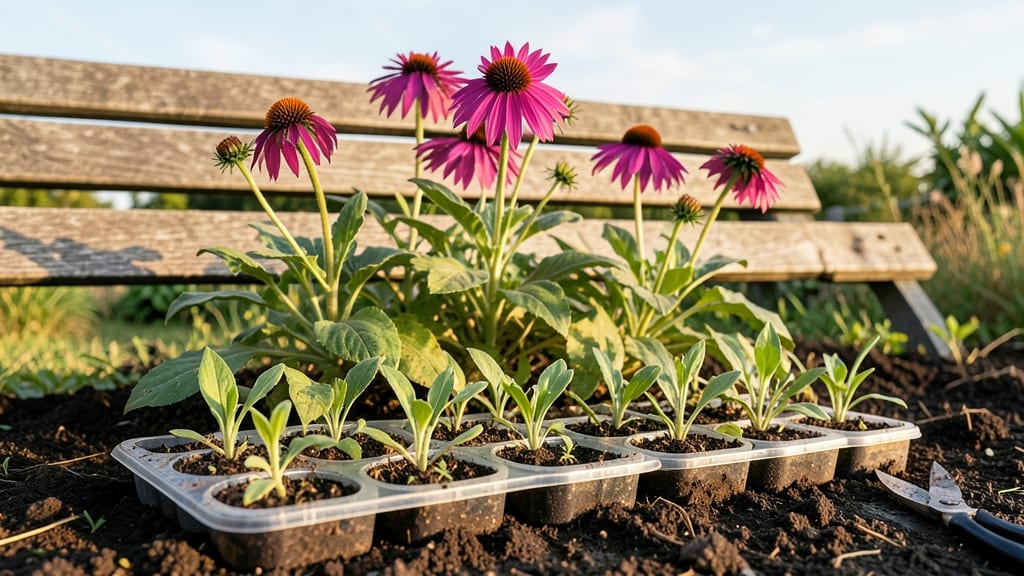
Creating a wildflower garden transforms your yard into a buzzing, blooming sanctuary where bees, butterflies, and hummingbirds outnumber the weeds. 🌼 I learned the hard way that native wildflowers aren’t just pretty—they’re the backbone of a thriving ecosystem, and planting them right means your garden will stay vibrant from early spring through late fall.
The secret lies in mixing tall grasses with mid-height bloomers and low-growing ground covers to create vertical layers that support different pollinators. You’ll need a sunny spot (at least six hours of light), loose soil, and a handful of native seeds—no fancy tools required.
Even a small patch can make a difference, and the best part? Once established, these gardens practically take care of themselves.
Imagine waking up to the scent of lavender in June, watching monarchs flutter through goldenrod in September, and still having color when the first frost arrives. Your garden will become a magnet for wildlife while cutting down on watering, fertilizing, and weeding.
The payoff isn’t just beauty—it’s a living, breathing ecosystem that keeps giving back year after year.
Whether you’re working with a full meadow or a tiny balcony container, the principles stay the same. We’ll cover how to choose the right flowers for your climate, design for maximum impact, and keep your pollinator paradise thriving with minimal effort. Let’s get those seeds in the ground!
📚 In This Guide
- What you need
- Instructions
- Tips and common mistakes
- Wrapping up and next steps
What you need
- ● Wildflower seeds: Choose native species (e.g., Black-eyed Susan, Coneflower, or Milkweed). Aim for 1–2 lbs per 100 sq ft.
- ○ Garden soil or compost: A 2–3 inch layer to enrich the soil (optional but recommended).
- ● Garden rake: For loosening soil and removing debris.
- ● Hoe or tiller: To break up compacted soil (if needed).
- ● Watering can or hose: With a gentle spray nozzle for even moisture.
- ● Garden gloves: To protect your hands while planting.
- ● Straw or mulch: 1–2 inches to retain moisture and suppress weeds.
- ● Seedling trays: For starting seeds indoors (if planting early).
- ● Organic fertilizer: A slow-release option to boost growth.
- ● Bird feeders or baths: To attract extra wildlife visitors!
- ● Wildflower seed mix: Pre-mixed blends for convenience.
Step-by-Step instructions for planting a wildflower garden
Here's how to create a thriving pollinator haven that blooms year-round with minimal fuss.
🪴 Step 1: Select and Prepare Your Planting Site
Choose a spot with 6+ hours of sunlight daily—wildflowers thrive where native species naturally grow. Clear existing vegetation, removing weeds and grass, but avoid tilling deeply, which disrupts soil ecosystems. I like to mark the area with stakes to visualize the space before digging.
Test your soil's drainage by digging a 6-inch hole and filling it with water. If it drains within an hour, your soil is ideal. Slow drainage? Amend with 2-3 inches of compost or coarse sand to improve aeration. Native wildflowers adapt to poor soil, but better drainage prevents root rot in wet climates.
🌱 Step 2: Choose and Plant Native Wildflower Seeds
Select seeds suited to your region and season—early bloomers like lupine or phlox for spring, sunflowers for summer, and goldenrod or asters for fall. Scatter seeds evenly, aiming for 10-15 seeds per square foot, as wildflowers self-seed naturally. Press them lightly into the soil (no deeper than ¼ inch) to ensure good soil contact.
Don’t bury seeds too deeply—they need light to germinate. After planting, water gently but thoroughly to settle the soil. Use a fine mist to avoid displacing seeds. I’ve found that watering in the early morning reduces evaporation and fungal risks.
☀️ Step 3: Maintain Moisture and Monitor Growth
Keep the soil consistently moist for the first 4-6 weeks—wildflower seeds need steady hydration to sprout. Once seedlings appear, reduce watering to once a week unless rainfall is scarce. Overwatering at this stage can lead to damping-off, a fungal disease that kills young sprouts.
Thin seedlings if they become crowded, leaving the strongest plants spaced 6-12 inches apart. Watch for first true leaves (not the initial seed leaves) to identify healthy growth. Mulch lightly with straw or leaves to retain moisture and suppress weeds, but avoid smothering emerging shoots.
✂️ Step 4: Encourage Long-Term Blooms and Pollinator Visits
Deadhead spent blooms in late summer to prevent reseeding and redirect energy into next year’s growth. However, leave some seed heads for pollinators—bees and birds rely on them for food. Cut back foliage in early spring to make room for new growth, but avoid removing all plant matter until you’re sure no wildlife depends on it.
Rotate plantings every 2-3 years to maintain diversity and prevent soil depletion. Wildflowers are low-maintenance, but adding a layer of compost annually keeps the soil fertile. Step back and enjoy as butterflies, bees, and hummingbirds transform your garden into a buzzing ecosystem.
Tips & tricks for planting a wildflower garden
A few simple tricks will help you create a thriving pollinator garden that not only survives but thrives year after year.
Site Selection Strategy: In Step 1, when choosing your planting site, consider adding a small flag or marker to track sun exposure throughout the day. Many spots receive morning sun but are shaded in the afternoon—wildflowers need that consistent 6+ hours of sunlight to reach their full potential. I've seen gardens fail because they were planted in partial shade without realizing the sun pattern changed with seasons.
Soil Prep Insight: For the 6-inch drainage test in Step 1, use a clear container so you can visually track how quickly water drains. If water pools at the bottom after an hour, mix in 2-3 inches of compost and retest. Native wildflowers are tough, but they'll reward you with better growth when drainage is optimal. Don't skip this step—root rot can silently kill your garden before it even blooms.
Seed Planting Technique: When planting your 10-15 seeds per square foot in Step 2, consider mixing seeds with a small amount of sand before scattering. This helps distribute them more evenly and prevents clumping. Lightly pressing seeds into soil (no deeper than ¼ inch) is crucial—they need light to germinate, but they also need good soil contact for moisture. A gentle hand tamper works perfectly for this.
Watering Wisdom: The early morning watering tip in Step 2 is gold—it reduces evaporation and fungal risks. But here's the secret: water deeply enough that moisture reaches at least 2-3 inches down. Shallow watering encourages shallow roots, which means your wildflowers won't be as resilient when summer heat arrives. A soaker hose works wonders for this.
Pro Tips for Planting A Wildflower Garden
- A few simple tricks will help you create a thriving pollinator garden that not only survives but thrives year after y...
- Site Selection Strategy: In Step 1, when choosing your planting site, consider adding a small flag or marker to track...
- Soil Prep Insight: For the 6-inch drainage test in Step 1, use a clear container so you can visually track how quickl...
Frequently asked questions
Got questions about creating your own wildflower haven? Here are some of the most common ones—and their answers—to help you get started with confidence!
What’s the best time of year to plant wildflowers?
For most regions, early spring or fall (after the last frost or before the first frost) is ideal. This gives seeds time to establish roots before extreme heat or cold. If you’re in a mild climate, you can plant year-round—just avoid peak summer droughts!
How much water do wildflowers need once established?
Once planted, wildflowers are drought-tolerant and thrive with minimal watering—about 1 inch per week (including rainfall). During the first growing season, keep soil moist (water 2–3 times weekly) to help seeds germinate. After that, let nature take over!
Will wildflowers attract pests like mosquitoes?
Nope! Wildflowers repel mosquitoes by attracting pollinators like bees and butterflies, which outcompete pests. Avoid stagnant water (mosquito breeding grounds) and choose native species like bee balm or coneflowers for maximum benefits. Win-win for your garden!
Can I plant wildflowers in containers or small spaces?
Use deep pots (12+ inches) or window boxes for balcony gardens. Opt for compact varieties like cosmos or lobelia. Just ensure they get 6+ hours of sunlight and well-draining soil. Containers dry out faster, so monitor moisture closely.
What if my soil is rocky or poor-quality?
Wildflowers are low-maintenance champions and grow well in mediocre soil. Amend with compost if possible, but they’ll still thrive in sandy, clay, or rocky areas. Native wildflowers are especially adaptable—check local species for the best matches!
How do I keep weeds from overtaking my wildflower garden?
Weeds compete for nutrients, but wildflowers help suppress them naturally! Use mulch (straw or leaves) to block weeds, or hand-pull them early. Avoid herbicides—wildflowers (and pollinators!) are sensitive to chemicals. Patience pays off as your garden matures!
Wrapping up and next steps
Planting a wildflower garden is more than just a gardening project—it’s a gift to nature and your local ecosystem! 🌸 By choosing the right native seeds, preparing your soil, and maintaining your space with care, you’ll create a thriving pollinator paradise that blooms year-round.
Whether you’re a beginner or a seasoned gardener, every patch of wildflowers makes a difference.
Ready to take the next step? Start small—even a 10x10-foot plot can support bees, butterflies, and birds. Grab your seeds, mark your calendar for planting, and watch your garden transform into a vibrant, buzzing haven. Happy planting! 🌿