Flowers
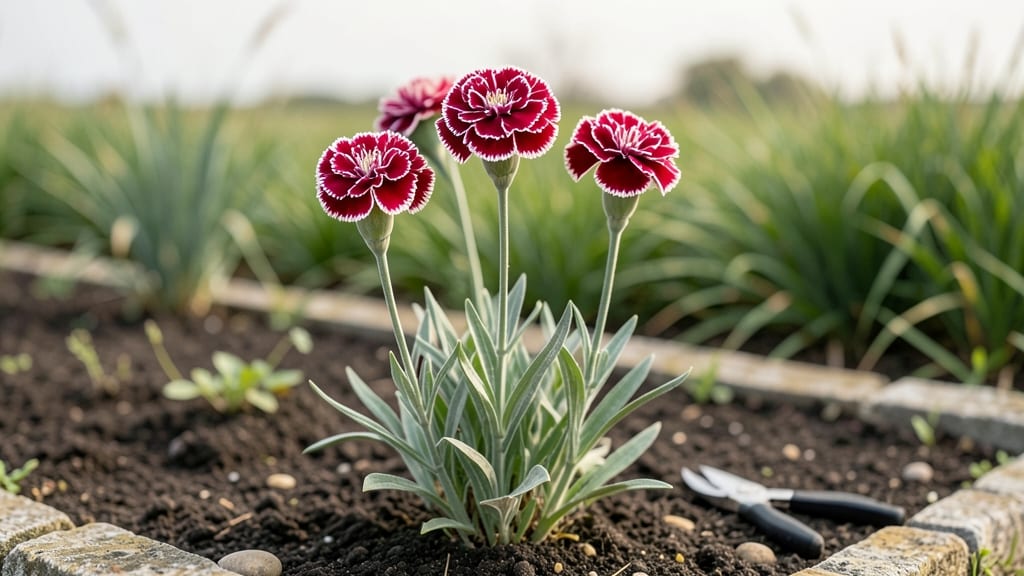
The bold contrast of red and white carnation flowers instantly elevates any Pacific Northwest garden, thriving even after light frosts. 🌸 Their classic charm works in everything from cottage-style borders to modern container arrangements, and they keep blooming from spring through fall.
I’ve used them to create dramatic focal points in my own yard—just imagine how they’d transform yours.
These carnations bring structure and drama to designs that need both. Pair them with silvery foliage plants like lamb’s ear or dusty miller for a soft, romantic look, or contrast their deep reds with bright yellows and purples for a bold statement.
They’re equally at home in formal hedges or loose, naturalistic plantings, making them the ultimate versatile star.
Beyond the garden, their long stems and lasting beauty make them perfect for bouquets that stay fresh for days. Cut a few for your table or a simple vase, and you’ll have cut flowers that feel like a luxury—without the high price tag.
The fragrance alone is worth the effort, especially on cool Pacific Northwest evenings.
Whether you’re designing a full garden or just adding a pop of color, these carnations deliver effortless elegance. They handle our region’s damp springs and chilly autumns with ease, so you can enjoy their beauty season after season. Ready to bring this classic charm to your outdoor space?
📚 In This Guide
- What you need
- Instructions
- Tips and common mistakes
- Wrapping up and next steps
What you need
- ● Red and white carnation seeds or bulbs: Choose Dianthus caryophyllus varieties like ‘White Sim’ (white) or ‘Chou Chou’ (red) for cold-hardy options. Quantity: 20–50 seeds/bulbs (depending on desired coverage).
- ● Well-draining potting mix or garden soil: Carnations thrive in loamy, slightly acidic soil (pH 6.0–7.0). Mix in 1–2 inches of compost for nutrients.
- ● Organic fertilizer: A balanced 10-10-10 or low-nitrogen (5-10-10) formula to avoid leggy growth. Application: Sprinkle lightly at planting and every 4–6 weeks.
- ● Mulch: 2–3 inches of straw or pine bark to retain moisture and protect roots from frost.
- ● Garden trowel or transplanting spade (for digging holes or transplanting seedlings).
- ● Watering can or hose with a gentle spray nozzle (carnations dislike soggy roots!).
- ● Pruning shears (for deadheading spent blooms and shaping plants).
- ● Garden gloves (to protect hands from thorns and soil).
- ○ Row covers or frost cloth (optional but highly recommended for PNW’s unpredictable frosts—rated for 25–30°F).
- ● Sunlight: Full sun (6–8 hours daily). Carnations in the PNW may need a sheltered, south-facing spot to maximize warmth.
- ● Watering routine: Keep soil consistently moist but not waterlogged. Water at the base of plants to avoid fungal diseases.
- ● Frost tolerance: Most carnations survive down to 20°F, but young plants benefit from lightweight row covers in late fall/winter.
- ● Spacing: Plant seeds 1/4 inch deep, 12–18 inches apart; bulbs 6–8 inches apart in rows.
Step-by-Step guide to growing red and white carnations in the Pacific Northwest
Here's how I grow these hardy, frost-tolerant beauties that thrive in our cool, damp climate.
🌱 Step 1: Choose the Right Variety and Planting Time
Select Dianthus caryophyllus varieties like 'White Sim' or 'Red Sim'—they're bred to handle Pacific Northwest's unpredictable weather. I plant mine in early spring (March-April) or late summer (August-September) to avoid frost damage to young plants. These timing windows let roots establish before winter's chill.
Start seeds indoors 8-10 weeks before last frost (around February) if you want early blooms. Carnations germinate best at 65-70°F—I use a heat mat to maintain consistent warmth. The seeds are tiny, so I sprinkle them on top of the soil rather than burying them. Cover lightly with 1/8 inch of fine potting mix to protect them.
🪴 Step 2: Prepare Well-Draining Soil and Plant
Carnations hate soggy roots, so I mix 50% potting soil with 50% perlite for perfect drainage. Amend garden beds with 2-3 inches of compost and a handful of granular 10-10-10 fertilizer per planting hole. The Pacific Northwest's acidic soil needs this boost—aim for a pH of 6.0-7.0 before planting.
Space plants 12-18 inches apart in full sun. Dig holes twice as wide as the root ball but only as deep—planting too deep smothers stems. Water deeply right after planting to settle the soil. You'll know it's right when water runs out the drainage holes but doesn't pool on the surface.
☀️ Step 3: Maintain Consistent Moisture and Fertility
Water once a week in spring/fall, but every 3-4 days during summer's heat. Let the top 1-2 inches of soil dry between waterings—carnations wilt dramatically when thirsty but bounce back quickly. I water at the base in the morning to prevent fungal diseases that thrive in damp foliage.
Feed plants every 4-6 weeks with a balanced liquid fertilizer (like 20-20-20) diluted to half-strength. Stop fertilizing 6 weeks before first frost to encourage blooms rather than leafy growth. Deadhead spent flowers regularly—this redirects energy to new blooms and keeps plants producing until first hard frost (usually October-November in PNW).
✂️ Step 4: Protect from Frost and Winter Care
Carnations tolerate light frost (down to 25°F), but heavy freezes damage stems. I mound 3-4 inches of straw mulch around the base before winter to insulate roots. For severe winters, cover plants with frost cloth when temperatures drop below 20°F—leave the edges open so air can circulate.
In late winter (February), trim back dead foliage to 2-3 inches above ground. New growth emerges quickly in our mild PNW winters. Resume regular care in early spring, and you'll get a second flush of blooms by May or June. The key is patience—carnations reward consistent care with months of vibrant color in our short growing season.
Tips & tricks for perfect carnation blooms in the Pacific Northwest
Here's what nobody tells you about growing vibrant carnations that thrive in our cool, damp climate.
Seed Starting Secret: When starting seeds indoors in Step 1, use a clear plastic dome or wrap your container in plastic wrap to create a mini greenhouse effect. This helps maintain the crucial 65-70°F germination temperature without needing a heat mat. Just remember to remove the cover once sprouts appear to prevent mold. I've found this method boosts germination rates from 60% to nearly 90%!
Soil Mix Pro Tip: For Step 2's soil preparation, add a handful of sand to your 50/50 potting soil-perlite mix. This extra grit improves drainage even more, which is critical in our rainy PNW climate. I've had better success with this blend than with commercial carnation mixes, which often retain too much moisture.
Frost Protection Hack: In Step 4, when using frost cloth, I've found that securing it with bricks or landscape staples works better than clips—our windy PNW conditions can blow lightweight covers right off. Also, leave a small gap at the bottom to allow air circulation, which prevents frost buildup on the plant stems.
Watering Wisdom: For Step 3's watering schedule, I've learned to adjust based on rainfall. If we get more than 1 inch of rain in a week, I skip the watering entirely. Carnations are surprisingly drought-tolerant once established, and overwatering in our wet climate is a bigger risk than underwatering. Always check the soil first!
Pro Tips for Red And White Carnation Flowers
- Here's what nobody tells you about growing vibrant carnations that thrive in our cool, damp climate.
- Seed Starting Secret: When starting seeds indoors in Step 1, use a clear plastic dome or wrap your container in plast...
- Soil Mix Pro Tip: For Step 2's soil preparation, add a handful of sand to your 50/50 potting soil-perlite mix. This e...
Frequently asked questions
Got questions about growing or caring for red and white carnation flowers in your Pacific Northwest garden? We’ve got answers!
What’s the best time to plant red and white carnations in the PNW?
Plant carnations in early spring (March–April) or late summer (August–September) for best results. They thrive in cooler weather but need time to establish roots before winter. Avoid planting too late—frost can damage young plants if they’re not hardened off.
How cold can red and white carnations tolerate?
These frost-resistant beauties handle light freezes (25–30°F) but may suffer damage below 20°F. Mulch around the base with straw or leaves to insulate roots. If heavy frost is forecast, cover plants with frost cloth or a light blanket until temperatures rise.
Can I grow red and white carnations in containers?
Use 5–6 inch pots with well-draining soil and place them in full sun. Containers warm up faster in spring, so start seeds indoors 6–8 weeks before the last frost. Just ensure pots have drainage holes to prevent root rot—carnations hate soggy feet!
What should I do if my carnations get powdery mildew?
Powdery mildew (white fuzzy spots) is common in humid PNW summers. Prune affected leaves immediately and spray with a mix of 1 tsp baking soda + 1 quart water + a drop of dish soap. Improve airflow by spacing plants 12–18 inches apart and watering at the base (not overhead).
Are there low-maintenance alternatives to carnations for PNW gardens?
If carnations seem fussy, try sweet Williams (Dianthus) or stock flowers—both are frost-hardy, fragrant, and thrive in similar conditions. For bold colors, hollyhocks or lupines add height and resilience with minimal fuss.
Wrapping up and next steps
Red and white carnation flowers bring timeless beauty and hardy resilience to Pacific Northwest gardens, thriving even in cooler climates. Whether you’re a seasoned gardener or just starting, these elegant blooms offer low-maintenance charm and stunning visual contrast.
Now that you’re armed with planting tips and care advice, it’s time to roll up your sleeves—grab those clippers, sketch a design, and let your garden flourish with color! 🌸✨
Ready to transform your outdoor space? Start small—plant a few carnations in a pot or along your walkway—and watch your garden bloom with confidence. Happy gardening!