Planting
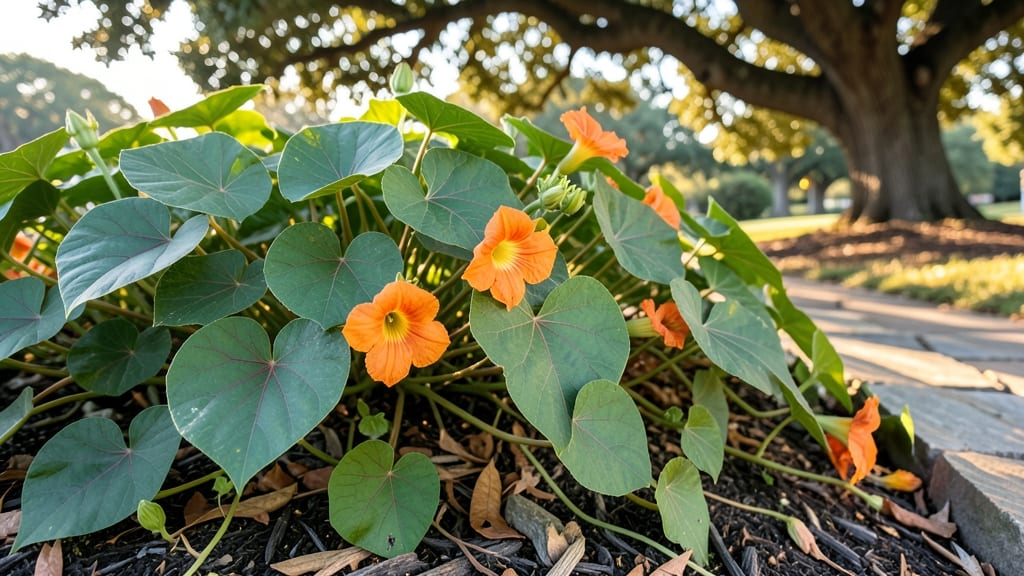
Growing star flower plants in the Pacific Northwest means you can finally have those delicate, star-shaped blooms without worrying about frost. ✨ I learned the hard way that these plants thrive in our cool climate—just don’t let them dry out or they’ll drop their petals faster than you can say "late spring rain."
The secret to happy star flowers is matching their needs to our region’s quirks: well-draining soil that stays slightly moist, morning sun with afternoon shade, and a spot sheltered from wind.
Most people overwater them, but these plants prefer their roots to dry out a bit between drinks—think of them as the succulent cousins of the flower world.
With the right pruning, you’ll get a second flush of blooms in early summer, and the plants will stay compact enough to tuck into borders or containers.
The star-shaped flowers attract pollinators like crazy, and they’re tough enough to handle our damp springs without rotting. Just watch for slugs—they love these petals too.
Once established, these plants spread gently and return year after year, making them a low-maintenance star for any PNW garden. The key is starting with healthy divisions or cuttings in early spring, and you’ll have blooms from June through frost.
📚 In This Guide
- What you need
- Instructions
- Tips and common mistakes
- Wrapping up and next steps
What you need
- ● Star flower plant (Lithodora diffusa) – 1-3 nursery-grown plants (choose healthy, established specimens with vibrant foliage).
- ● Well-draining potting mix – 5-10 gallons, depending on pot size (blend of cactus/succulent mix with perlite or pumice for aeration).
- ● Containers or garden bed: Containers: 1-2 ceramic or fabric pots (10-12 inches in diameter) with drainage holes.
- ● Garden bed: A sunny, slightly sloped area (to prevent waterlogging) with 6+ hours of sunlight daily.
- ● Slow-release fertilizer – 1 packet (10-10-10 NPK ratio) for potted plants or granular rose/flower fertilizer for garden beds.
- ● Pruning shears – Bypass pruners (sharp, clean, and sterilized with rubbing alcohol).
- ● Gloves – Gardening gloves (nitrile-coated for grip and protection).
- ○ Watering can or hose with nozzle – Drip irrigation for precision (optional but helpful).
- ● Mulch – Gravel or bark chips (1-2 inches) to retain moisture and regulate temperature.
- ● pH test kit – To ensure soil pH is 6.0-7.0 (star flowers thrive in slightly acidic to neutral soil).
- ○ Support stakes (optional) – For leggy growth (bamboo or mesh trellis).
- ● Frost cloth – Lightweight frost blanket for Pacific Northwest winters (if planting in colder microclimates).
How to prune star flower plants for frost resistance in the Pacific Northwest
Here’s my foolproof method for keeping your star flowers thriving through PNW winters—pruning ensures they bounce back stronger every spring.
✂️ Step 1: Time Your First Cut for Late Winter
Wait until mid-February when the ground is thawed but before new growth starts. I know it’s tempting to prune earlier, but cutting too soon leaves plants vulnerable to late frosts. Look for bare branches—that’s your signal the plant’s dormant phase is over.
Grab your bypass pruners (never use dull shears—they crush stems) and cut back one-third of the plant’s height. Focus on removing dead or crossing branches first. These are the weak spots that invite pests and rot. I always start at the outer edges and work inward—it keeps the center open for airflow.
🌿 Step 2: Shape for Airflow and Sun Exposure
Star flowers need circulation to dry quickly after rain—a must in the PNW’s damp climate. Step back and visualize the plant as an open vase shape: wider at the base, narrower at the top. Remove any branches growing inward or tangled in the center.
Cut just above a leaf node (the bump where leaves grow) at a 45-degree angle. This prevents water from pooling on the cut. If you’re unsure, err on the side of shorter cuts—you can always prune more later. Avoid cutting into old wood (gray or woody stems)—these won’t regrow.
☀️ Step 3: Lighten the Canopy for Spring Growth
After your first prune, the plant will look sparse—but that’s intentional. Thin out overcrowded stems so sunlight reaches the center. Aim for 3-5 main branches per plant, spaced evenly. You’ll see new buds forming within 2-3 weeks if you’ve pruned correctly.
Here’s the thing—I often hold off on fertilizing right after pruning. The plant’s energy goes into healing cuts first. Wait until early April when you spot fresh green growth before adding any slow-release fertilizer. Too soon, and you’ll encourage weak, leggy stems.
⏰ Step 4: Monitor and Adjust Through Early Spring
Check your star flowers weekly in March. If you notice yellowing leaves on old growth, those branches are done—they won’t recover. Snip them off immediately. New growth should be bright green and upright. If it’s stretching toward the light, your plant needs more sun—move it to a sunnier spot or supplement with a grow light for 12 hours daily.
By mid-April, your pruned star flowers should look like a bushy, well-aerated dome. That’s your cue to do a final light trim: just snip off any dead flowers or overly long stems to encourage bushier blooms. Avoid heavy pruning now—the plant is already pushing new growth.
🌱 Step 5: Prepare for Frost with a Final Adjustment
If a late frost is forecast in May, give your star flowers a light haircut—just trim the tips of new growth by 1-2 inches. This prevents frost damage from reaching the main stems. Water deeply the day before a frost warning, but avoid wetting the foliage.
I’ve found that star flowers pruned this way bloom 2-3 weeks earlier than unpruned ones. The key is patience: don’t rush the process. By following these steps, your plants will reward you with vibrant blooms from early summer through fall—and survive PNW winters like a champ.
Tips & tricks for perfect star flower pruning
These simple tricks will help you master pruning star flowers for that perfect balance of frost resistance and springtime blooms.
Timing is Everything: The mid-February window in Step 1 is your golden opportunity—waiting until the ground thaws but before new growth appears is crucial. I learned this the hard way after pruning too early and losing plants to late frosts. Check for bare branches as your signal that dormancy is over, and don't rush it!
Tool Selection Matters: Bypass pruners are a game-changer for star flowers. They make clean cuts that heal faster, unlike dull shears that crush stems. I keep a pair specifically for pruning tasks—it's worth the investment for healthier plants. For thicker branches, use loppers with a bypass blade to maintain the same clean cut quality.
Visual Cues for Perfect Cuts: When shaping in Step 2, imagine your plant as an open vase. The 45-degree angle cut above leaf nodes prevents water pooling, which is especially important in the PNW's damp climate. If you're unsure about where to cut, shorter is always better—you can always remove more later but can't regrow what you've cut off.
Fertilizer Timing Strategy: Here's what nobody tells you—waiting until early April to fertilize after pruning is key. I've seen plants develop weak, leggy growth when fertilized too soon because all their energy goes into healing cuts rather than establishing strong roots. Look for fresh green growth as your cue that the plant is ready for nutrients.
Pro Tips for Star Flower Plant
- These simple tricks will help you master pruning star flowers for that perfect balance of frost resistance and spring...
- Timing is Everything: The mid-February window in Step 1 is your golden opportunity—waiting until the ground thaws but...
- Tool Selection Matters: Bypass pruners are a game-changer for star flowers. They make clean cuts that heal faster, un...
Frequently asked questions
Got questions about your star flower plant? You’re not alone!
Whether you're a Pacific Northwest gardener or just curious about this frost-resistant beauty, here are answers to the most common queries to keep your star flower thriving.
How cold can star flower plants tolerate?
Star flowers (like Lithodora or Lobelia varieties) are hardy and can handle light frosts down to 15–20°F (-9 to -7°C). For heavy snow or prolonged cold (<10°F/-12°C), a light mulch layer (2–3 inches) protects roots. In extreme winters, container-grown plants may need winter wraps or indoor relocation.
When is the best time to prune star flowers?
Prune star flowers right after flowering (late summer/early fall) to encourage bushier growth next season. Avoid heavy pruning in late fall—focus on shaping lightly. For spring-blooming varieties, a light trim in early spring removes dead wood. Pro tip: Use clean, sharp shears to avoid damaging stems!
Why aren’t my star flowers blooming?
Lack of blooms often stems from over-fertilizing (too much nitrogen), poor sunlight (they need partial shade to full sun), or root-bound containers. Ensure well-draining soil, prune spent blooms regularly, and fertilize lightly in early spring with a balanced 10-10-10 formula. If planted in shade, consider relocating!
Can I grow star flowers in containers?
Star flowers thrive in containers with at least 12-inch depth and drainage holes. Use a fast-draining potting mix (add perlite or sand) and repot every 2–3 years. Choose compact varieties like Lithodora diffusa for small pots. Pro tip: Group containers to retain moisture and deter pests!
What pests should I watch for with star flowers?
Common pests include aphids, spider mites, and slugs. For aphids, spray with water or use neem oil. Slugs? Set out beer traps or diatomaceous earth. Keep plants healthy with regular pruning and watering—stressed plants attract pests. Early detection is key!
Do star flowers need winter protection?
Most star flowers are frost-tolerant, but young plants or containers may need extra care. Apply a 2–3 inch mulch layer around the base in late fall. For potted plants, move to a sheltered spot (like a garage) or wrap with burlap. Avoid heavy mulch—it can suffocate roots in wet climates.
Wrapping up and next steps
Your star flower plant is now ready to thrive in the Pacific Northwest’s chilly climate! 🌿 With the right pruning techniques, frost-resistant care, and a little patience, you’ll enjoy vibrant blooms year after year. Remember, consistency is key—whether trimming back in late winter or protecting it from harsh frosts.
Ready to take the next step? Monitor your plant’s growth closely, adjust your pruning schedule as needed, and share your progress with fellow gardening enthusiasts. Happy growing—your star flower will thank you with stunning, star-shaped beauty! ✨