Aphids
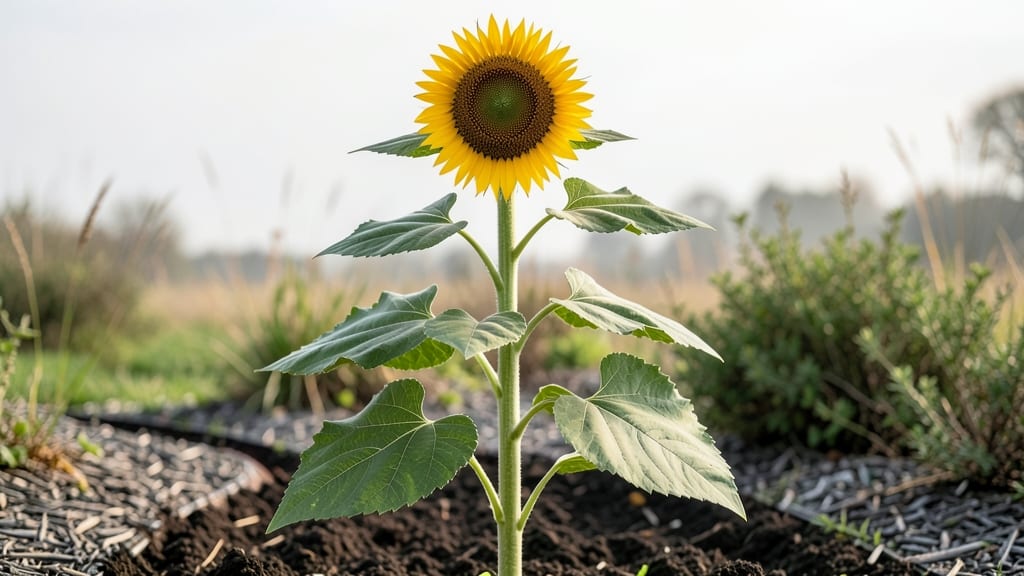
Growing sunflowers in raised beds turns your backyard into a towering, golden display—no deep soil required. 🌻 I learned the hard way that cramming seeds too close stunts their growth, but proper spacing unlocks those 8-foot giants with minimal effort.
The secret isn’t just the space between plants; it’s how raised beds give roots the perfect balance of air and moisture.
You’ll need a bed at least 12 inches deep (sunflowers hate shallow roots) and soil rich in compost—think half garden soil, half compost—to fuel their rapid growth.
Start seeds indoors 6-8 weeks before last frost or sow directly when soil hits 55°F, spacing them 12-18 inches apart for single-stem varieties or 6-12 inches for bush types. Water deeply twice a week, keeping soil moist but never soggy.
By midsummer, you’ll be snapping photos of sunflowers swaying over your fence, their dark centers drawing bees and butterflies. The raised bed setup means no weeds, better drainage, and zero risk of rot—plus, you can grow them in partial shade if needed.
Just watch for powdery mildew (spray with neem oil early) and deer (fence them in if they’re a problem).
This method works for any sunflower variety, from Mammoth to Teddy Bear, and adapts to containers if space is tight. The key? Patience and precision—those blooms are worth the wait. Ready to turn your raised bed into a sunflower showstopper?
📚 In This Guide
- What you need
- Instructions
- Tips and common mistakes
- Wrapping up and next steps
What you need
- ● Raised bed: At least 4’ x 8’ (or larger) with a depth of 12–18 inches (deeper is better for root growth). Opt for cedar, redwood, or untreated wood to avoid chemicals.
- ● Quality soil: 6–8 cubic feet of well-draining, nutrient-rich potting mix (or a blend of 60% topsoil, 30% compost, and 10% perlite). Avoid garden soil—it compacts too easily!
- ● Sunflower seeds: Choose heirloom or hybrid varieties like ‘Mammoth’ (giant blooms) or ‘Teddy Bear’ (compact, great for small beds). Buy 10–20 seeds per bed (thinning later is key!).
- ● Organic fertilizer: Balanced 10-10-10 or compost tea to kickstart growth (follow package rates for application).
- ● Mulch: 2–3 inches of straw or wood chips to retain moisture and suppress weeds.
- ● Basic tools: Garden trowel or transplanting spade
- ● Watering can or hose with a gentle spray nozzle
- ● Measuring tape or ruler (for spacing)
- ● Drip irrigation system: Saves time and ensures consistent watering (especially for tall varieties).
- ● Plant supports: Stakes or cages (5–6 feet tall) for varieties prone to flopping in wind.
- ● Row covers: Lightweight fabric to protect seedlings from pests like aphids (your keyword category! 🐛).
- ● Soil test kit: Check pH levels (ideal: 6.0–7.5) before planting.
- ● Decorative elements: Painted stakes, solar-powered lights, or a small trellis for a whimsical touch!
How to grow towering sunflowers in raised beds
Here’s the method I’ve used to grow sunflowers that reach 10+ feet—with fewer flopping stems and more vibrant blooms.
🪴 Step 1: Build or Select a Raised Bed with Proper Depth
Sunflower roots need 18-24 inches of soil depth to anchor tall varieties. If your raised bed is shallower, add 6 inches of compost to the bottom before filling with high-quality garden soil. I like to mix in 1 cup of bone meal per 4 square feet—this gives roots a phosphorus boost for early growth.
Choose a location with full sun (6+ hours daily) and shelter from strong winds, which can snap stems. If your bed is wider than 4 feet, divide it into sections with wooden dividers—this prevents soil compaction and makes spacing easier later.
🌱 Step 2: Plant Seeds at the Right Depth and Spacing
Sow seeds 1 inch deep and 6-12 inches apart, depending on variety. Giant sunflowers like ‘Mammoth’ need 12 inches between plants, while dwarf types can share space at 6 inches. I plant 2-3 seeds per spot—thinning to the strongest sprout later saves time.
Press the soil gently around seeds to ensure good contact, but don’t pack it down. Water lightly afterward—not enough to dislodge seeds. Cover the bed with 2-3 inches of straw mulch to retain moisture and suppress weeds. This is where most gardeners go wrong: skipping mulch leads to dry soil and leggy stems.
☀️ Step 3: Provide Support for Tall Varieties Early
By the time seedlings hit 12 inches tall, they’ll need support. I drive 6-foot bamboo stakes into the bed at planting, placing one per sunflower (or one stake for every 2-3 plants if using a trellis). For extra stability, tie stems to stakes with soft cloth strips—never wire, which can cut into growing tissue.
Watch for wind stress—if stems sway excessively, add a second stake at a 45-degree angle for triangulation. This prevents the classic "flop-over" that ruins photos and blooms. Prune side shoots that form below the top bud to direct energy upward.
💧 Step 4: Water Deeply and Fertilize Strategically
Sunflowers need 1-2 inches of water weekly, delivered at the base of the plant (not overhead). I water early in the morning to reduce fungal risks. Let the top 2 inches of soil dry between waterings—this encourages deep root growth. Overwatering now leads to weak stems that can’t support heavy blooms later.
When plants reach 3 feet tall, side-dress with 1 tablespoon of 10-10-10 fertilizer per plant. Scratch it into the soil and water deeply. Stop fertilizing 6 weeks before harvest—too much nitrogen late in the season delays flowering. You’ll know you’re on track when buds swell to golf-ball size—that’s when the real magic happens.
✂️ Step 5: Deadhead and Harvest for Continuous Blooms
Once the first blooms fade, snip the spent flower head below the next lateral bud. This redirects energy to side shoots, giving you secondary (and sometimes tertiary) blooms. I harvest every 2-3 days during peak season—cut stems at a 45-degree angle to encourage more growth.
Save seeds from your healthiest plants by leaving 1-2 flowers per variety to mature fully. Dry seeds in a well-ventilated bag for 2 weeks before storing. Here’s the thing—if you skip deadheading, you’ll end up with a single massive bloom and no repeat performance. Trust me, it’s worth the effort.
Tips & tricks for perfect sunflower growth in raised beds
Here's what nobody tells you about growing sunflowers that actually reach their full potential in raised beds.
Soil Depth Strategy: If your raised bed is shallower than 18 inches, don't just add regular soil—create a nutrient-rich foundation. Mix equal parts compost and existing soil for the bottom 6 inches, then top with quality garden soil. This layered approach mimics natural soil depth and gives roots the space they need to anchor those towering stems. I've seen sunflowers flop dramatically when roots can't reach deep enough for stability.
Wind Resistance Hack: The 6-foot bamboo stakes in Step 3 are non-negotiable for varieties over 8 feet tall. Here's the thing—if you notice stems swaying more than 3 inches in wind, immediately add a second stake at a 45-degree angle. This creates a triangle support system that prevents the classic "flop-over" that ruins photos. I learned this the hard way after watching my prize-winning sunflowers collapse mid-season.
Fertilizer Timing Secret: When you side-dress with 10-10-10 fertilizer at the 3-foot mark, focus on the soil immediately surrounding the roots—not on top. Scratch it in about 2 inches deep and water thoroughly. This targeted approach prevents fertilizer burn while ensuring the plant gets exactly what it needs when buds are forming. Too much nitrogen later will delay those stunning blooms you're working toward.
Watering Wisdom: That 1-2 inches weekly guideline assumes consistent rainfall or irrigation. In my experience, sunflowers actually prefer slightly drier conditions when buds first form. Let the top 2 inches dry between waterings during this critical phase—it helps prevent powdery mildew and encourages stronger stems. The key is monitoring soil moisture rather than sticking to a rigid schedule.
Pro Tips for Sunflowers In Raised Beds
- Here's what nobody tells you about growing sunflowers that actually reach their full potential in raised beds.
- Soil Depth Strategy: If your raised bed is shallower than 18 inches, don't just add regular soil—create a nutrient-ri...
- Wind Resistance Hack: The 6-foot bamboo stakes in Step 3 are non-negotiable for varieties over 8 feet tall. Here's th...
Frequently asked questions
Got questions about growing sunflowers in raised beds?
You’re not alone! Here are answers to the most common queries—from spacing to pests—to help your sunflowers thrive .
How close can I plant sunflowers in a raised bed?
Space dwarf varieties 12–18 inches apart and giant types 2–3 feet apart. Crowding reduces airflow, increasing disease risk and stunting growth. In narrow beds (under 4 ft wide), stagger plants in rows to optimize sunlight and space efficiency.
When is the best time to plant sunflowers in raised beds?
Start seeds after the last frost when soil reaches 50–55°F. For cooler climates, sow indoors 2–3 weeks earlier. Sunflowers love warmth—planting too early can lead to leggy, weak stems. Aim for spring or early summer for peak blooms!
How do I keep aphids off sunflowers in raised beds?
Aphids adore sunflowers, but you can prevent outbreaks with these tricks:
- Neem oil spray (apply weekly)
- Introduce ladybugs or lacewings (natural predators)
- Spray with soapy water (1 tsp mild soap per quart of water)
- Prune heavily infested leaves
Can I grow sunflowers in raised beds with other plants?
Yes! Pair sunflowers with companion plants like:
- Basil or marigolds (repel pests)
- Beans or peas (fix nitrogen in the soil)
- Avoid potatoes or fennel (they stunt sunflower growth).
Do sunflowers need extra water in raised beds?
Raised beds drain faster, so water deeply 1–2 times per week (more in extreme heat). Focus on the soil, not the leaves, to prevent fungal issues. Mulch with straw to retain moisture and keep roots cool. Wilting leaves? It’s often thirst, not disease!
Wrapping up and next steps
Growing sunflowers in raised beds is a rewarding way to enjoy their towering beauty and bountiful blooms—as long as you master the spacing secrets! 🌻 Whether you’re a beginner or a seasoned gardener, the right distance between plants ensures strong stems, vibrant flowers, and fewer pests like aphids.
Now that you’re armed with the best materials, techniques, and troubleshooting tips, it’s time to roll up your sleeves and plant!
Start small with a few sunflower varieties in your raised beds, experiment with spacing, and watch your garden transform. Before you know it, you’ll be basking in the glory of sunflower season—and maybe even sharing seeds (or bouquets!) with neighbors. Happy gardening!