Flowers
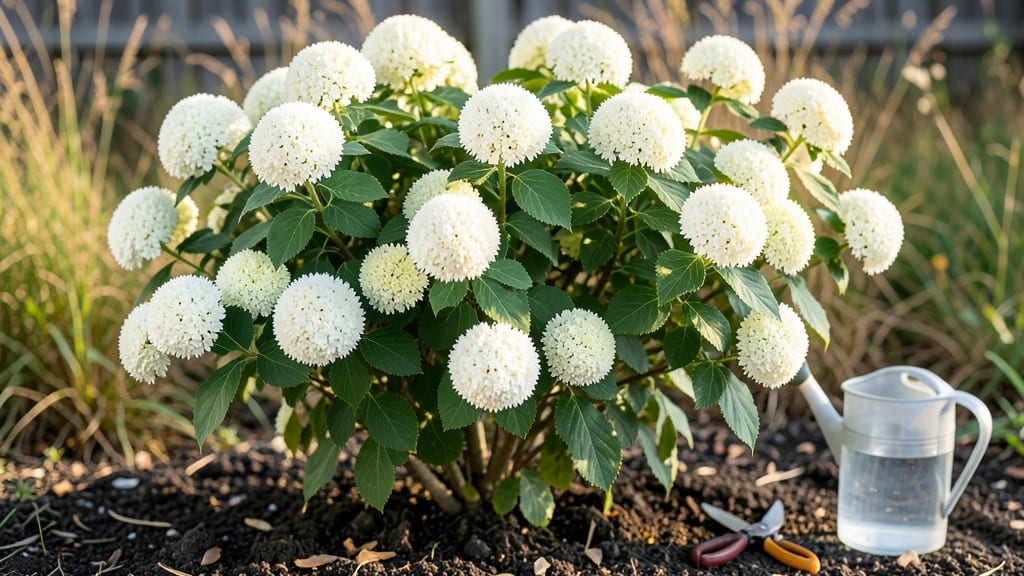
White snowball flowers burst into bloom like Pacific Northwest spring's most dramatic entrance. 🌸 Their cloud-like clusters of creamy-white blossoms turn even the driest March days into a celebration, and they thrive when other plants still shiver under frost.
I've used them to anchor borders, soften fences, and create cottage-garden focal points that last from late spring through early summer.
Their secret weapon? Four-season interest—even when not in bloom, the dark green leaves add structure, and their red berries in fall catch the light like tiny rubies.
Pair them with hellebores for early color, ferns for texture, or lavender for fragrance, and you've got a low-maintenance combo that feels like a hug for your garden. These shrubs grow 6 to 8 feet tall, making them perfect for mid-height hedges or dramatic accents near patios.
Imagine walking past in May when the air still carries a chill, and suddenly—there it is: a drift of white blossoms heavy enough to bend the branches. The effect is magical, especially when backlit by morning sun or framed by spring bulbs like daffodils.
They're deer-resistant, drought-tolerant once established, and handle our region's wet winters like champs. That's why they've become my go-to for adding romance without the fuss.
Whether you're designing a formal border, a wildflower meadow edge, or just filling a shady corner, these flowers deliver effortless elegance. The key is spacing them 8 to 10 feet apart for that dreamy, natural look—like they've always belonged there.
Let's make your garden the talk of the neighborhood this spring.
📚 In This Guide
- What you need
- Instructions
- Tips and common mistakes
- Wrapping up and next steps
What you need
- ● White snowball flowers (Viburnum opulus): 1–3 nursery-grown plants (3–5 ft tall, mature size) or
- ● Seeds (start indoors 8–10 weeks before last frost) or
- ● Hardwood cuttings (6–8 inches long, taken in late fall/winter)
- ● Garden soil: Well-draining, slightly acidic (pH 5.0–6.5). Amend with compost if needed.
- ● Mulch: 2–3 inches of organic mulch (cedar chips, wood shavings, or pine needles) to retain moisture.
- ○ Fertilizer (optional but helpful): Balanced 10-10-10 or slow-release organic fertilizer (e.g., fish emulsion)
- ● Bone meal (1 tbsp per plant at planting time for root boost)
- ● Garden trowel or shovel
- ● Pruning shears (for shaping or propagating cuttings)
- ● Gloves (gardening or work gloves)
- ● Watering can or hose with a gentle spray nozzle
- ● Measuring tape (to ensure proper spacing)
- ○ Optional: Soil pH test kit (to check acidity levels)
- ● Sunlight: Partial shade to full sun (6+ hours of dappled light ideal for PNW climate).
- ● Hardiness zone: USDA Zones 3–7 (perfect for Oregon, Washington, and Northern California!).
- ● Spacing: 6–10 feet apart (allows for mature growth and airflow).
- ● Water access: Consistent moisture during establishment (first year), then moderate watering.
How to plant and care for white snowball flowers
Here's the straightforward method I use to grow these stunning, frost-hardy shrubs in the Pacific Northwest.
🌱 Step 1: Choose the Right Location and Prepare the Soil
White snowball flowers—actually Viburnum opulus—thrive in partial shade to full sun, making them perfect for Pacific Northwest gardens. Look for a spot with morning sun and afternoon shade to prevent leaf scorch. These shrubs grow 6-10 feet tall and wide, so give them 10-15 feet of space between plants.
Test your soil first—these plants prefer moist, well-draining soil with a pH of 5.0-7.0. If your soil is heavy clay, amend it with 3-4 inches of compost mixed into the top 12 inches of soil. Avoid soggy spots; they’ll cause root rot. I like to dig a hole twice as wide as the root ball to encourage root spread.
🪴 Step 2: Plant Bare-Root or Container-Grown Shrubs
If planting bare-root shrubs, soak the roots in lukewarm water for 1-2 hours before handling. This revives dormant roots and helps them establish faster. For container-grown plants, water them 1-2 days before transplanting so the root ball stays intact.
Place the shrub in the hole so the top of the root ball sits 1-2 inches above ground level. This prevents rot from sitting water. Backfill with native soil mixed with compost, tamping gently to remove air pockets. Water deeply to settle the soil and eliminate gaps. You’ll know it’s right when water drains freely but holds moisture at the surface.
☀️ Step 3: Mulch and Water for Establishment
Spread 3-4 inches of organic mulch (like wood chips or shredded bark) around the base, keeping it 3-4 inches away from the trunk to prevent moisture buildup. This conserves soil moisture, regulates temperature, and suppresses weeds—critical in the Pacific Northwest’s wet winters and dry summers.
Water deeply once a week during the first growing season, aiming for 1-1.5 inches of water per week. Check soil moisture by sticking your finger 2 inches down—if it feels dry, water again. Avoid overhead watering, which can spread fungal diseases like powdery mildew. You’ll see new growth within 4-6 weeks if the soil stays consistently moist.
✂️ Step 4: Prune for Shape and Health
Prune white snowball flowers right after flowering (late spring to early summer) to maintain their rounded shape. Remove dead, diseased, or crossing branches first, cutting back to a healthy bud. For shaping, trim back 1/3 of the longest stems to encourage bushier growth. Use clean, sharp pruners to make cuts at a 45-degree angle just above an outward-facing bud.
If your shrub gets too leggy, you can also prune in early winter (dormant season) to control size. Just avoid heavy pruning in fall, as new growth won’t harden off before winter. You’ll notice thicker foliage and more abundant blooms the following spring if you prune correctly.
🌿 Step 5: Protect from Frost and Winter Care
White snowball flowers are frost-resistant, but young plants may need extra protection in harsh winters. Apply a 2-3 inch layer of mulch around the base in late fall to insulate roots. In extreme cold (below 10°F), wrap the shrub loosely with burlap or use frost cloth to shield it from windburn.
Resist the urge to prune in late winter—wait until late spring (after last frost) to avoid encouraging tender new growth that could be damaged by late frosts. These shrubs are low-maintenance once established, but a light fertilizer application in early spring (like a 10-10-10 blend) keeps them thriving.
Tips & tricks for perfect white snowball flowers
Here's what I've learned to help your white snowball flowers thrive in the Pacific Northwest climate.
Soil Preparation: The 3-4 inches of compost mixed into the top 12 inches of soil is crucial, but don't stop there. I like to add a handful of perlite or coarse sand to improve drainage, especially if you're working with clay soil. This helps prevent that dreaded root rot while keeping moisture where it belongs. The wider hole you dig—twice as wide as the root ball—gives roots room to spread, which means stronger plants and more abundant blooms.
Root Soaking Secret: That 1-2 hour soak for bare-root plants isn't just about hydration—it's about waking up dormant roots. I've found that adding a few drops of seaweed extract to the soaking water gives roots a gentle growth boost right from the start. Just make sure the water stays lukewarm; cold water can shock delicate roots.
Mulching Strategy: The 3-4 inches of organic mulch around your plants serves multiple purposes, but here's the pro move: refresh that mulch layer every spring to maintain its insulating properties. I use a mix of wood chips and shredded bark because it breaks down more slowly, giving me that consistent moisture regulation throughout the growing season. Just remember to keep it 3-4 inches away from the trunk to prevent moisture buildup that could lead to rot.
Pruning Precision: When you're trimming back that 1/3 of the longest stems, look for the outward-facing buds—they're your secret to bushier growth. I always make my cuts at a 45-degree angle just above these buds, which gives the plant a better surface area for new growth. And here's a tip I wish I knew earlier: use your pruners to make clean cuts, then dip them in rubbing alcohol between cuts to prevent spreading any potential diseases.
Pro Tips for White Snowball Flowers
- Here's what I've learned to help your white snowball flowers thrive in the Pacific Northwest climate.
- Soil Preparation: The 3-4 inches of compost mixed into the top 12 inches of soil is crucial, but don't stop there. I ...
- Root Soaking Secret: That 1-2 hour soak for bare-root plants isn't just about hydration—it's about waking up dormant ...
Frequently asked questions
Got questions about white snowball flowers? You’re not alone! These stunning Pacific Northwest beauties spark curiosity—from planting tips to troubleshooting. Here are answers to the most common queries:
When is the best time to plant white snowball flowers in my region?
For Viburnum opulus (the classic white snowball), plant bare-root shrubs in early spring or fall (3–4 weeks before your first frost). Container-grown plants can go in spring through early summer. The Pacific Northwest’s mild winters make fall planting ideal—just ensure soil temps are above 40°F (4°C).
Are white snowball flowers truly frost-resistant? How do they handle PNW winters?
These shrubs thrive in USDA Zones 2–7 and are highly cold-hardy. In the PNW, they handle wet winters and snow with ease—just mulch 3–4 inches deep around the base after planting to protect roots. Young plants may need winter protection (burlap wraps) in their first year.
Why aren’t my white snowball flowers blooming this year?
Common culprits include young age (they often need 3–5 years to bloom), poor sunlight (they crave full sun to partial shade), or over-fertilizing. Prune in late winter to encourage new growth, and avoid heavy nitrogen—focus on balanced 10-10-10 fertilizer in early spring.
Can I grow white snowball flowers in containers? What’s the best setup?
Yes! Use a 5-gallon+ container with well-draining soil (mix garden soil with perlite). Choose a large pot (18+ inches wide) for stability and add mycorrhizal fungi to boost root health. Drainage holes are a must, and move containers to partial shade in hot summers.
Are white snowball flowers deer-resistant? What pests should I watch for?
Deer rarely bother them, but aphids or spider mites might visit. Spray with neem oil or introduce ladybugs for natural control. For heavy infestations, a hose blast (gentle pressure) works wonders. Pro tip: Healthy plants with good airflow deter pests!
What’s a good alternative if white snowball flowers don’t thrive in my yard?
Try these PNW-friendly white-blooming shrubs:
- Pacific Dogwood (Cornus nuttallii) – Striking white bracts, thrives in shade.
- Oregon Grape (Mahonia aquifolium) – Evergreen, drought-tolerant, yellow flowers.
- Flowering Currant (Ribes sanguineum) – Early spring blooms, hummingbird magnet.
Wrapping up and next steps
White snowball flowers aren’t just stunning—they’re resilient, low-maintenance, and perfect for adding a touch of Pacific Northwest charm to your garden. Whether you’re a seasoned gardener or just starting, their frost-hardy nature and easy care make them an ideal choice for spring blooms that last.
Ready to transform your outdoor space? Start by choosing the right variety, preparing your soil, and giving these beauties the love they deserve!
🌸 Next step: Grab your gloves, pick a sunny spot, and plant your white snowballs—your garden will thank you with months of effortless elegance!