
Flowers
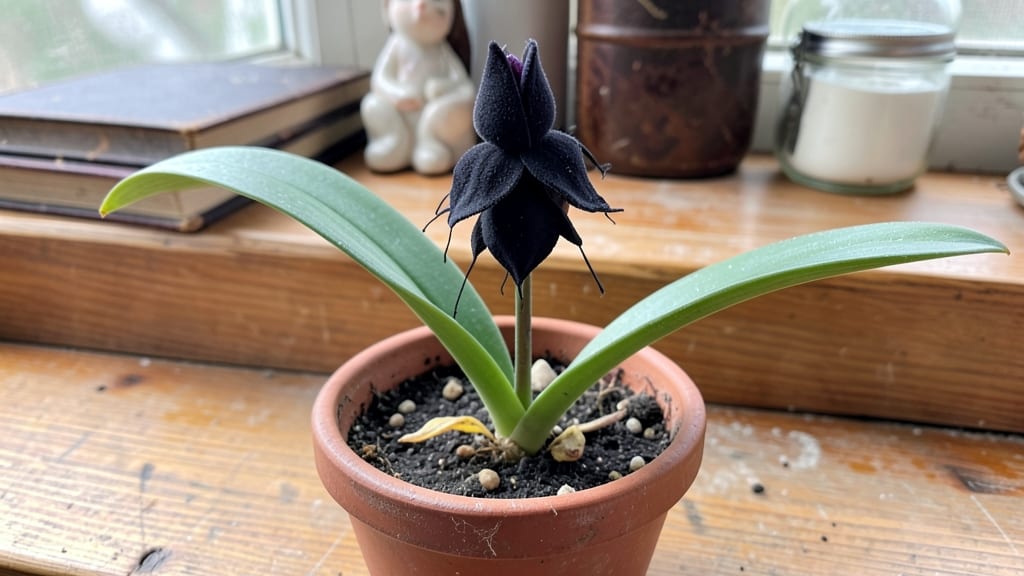
Nothing beats the eerie beauty of black bat flowers thriving in your home—those striking, bat-shaped blooms with dangling purple stamens feel like a secret tropical escape. 🌿 I’ve grown them for years, and once you see them in person, you’ll understand why gardeners obsess over these dramatic plants.
They’re not just pretty; they’re surprisingly easy to care for when you know the tricks.
The key to happy black bat flowers starts with the right setup: a shady corner with bright, indirect light (think dappled sunlight or a north-facing window), well-draining soil mixed with perlite or orchid bark, and a humid environment—they love it when the air feels like a jungle.
Containers with drainage holes are a must, and terracotta pots help prevent root rot. Water when the top inch of soil feels dry, but never let them sit in soggy soil.
By summer, you’ll be rewarded with those glossy, deep-green leaves and occasional spikes of black-and-purple blooms that look like they belong in a fantasy novel. The plants even handle neglect better than many tropicals, though they do appreciate a light fertilizer in growing season.
With the right spot, they’ll keep producing drama for years—no greenhouse required.
Fair warning: they do go dormant in winter, which can be confusing at first. But once you recognize the signs—dropping leaves or slower growth—you’ll know exactly how to adjust care. Let’s dive into the details so you can keep your black bat flowers thriving without the guesswork.
📚 In This Guide
- What you need
- Instructions
- Tips and common mistakes
- Wrapping up and next steps
What you need
- ● Container: A well-draining pot (10–12" diameter) with drainage holes. Terracotta or fabric pots work best to prevent root rot.
- ● Potting Mix: A chunky, airy blend—mix 50% peat-free potting soil, 30% perlite or orchid bark, and 20% coco coir for moisture control.
- ● Black Bat Flower Plant: A healthy Tacca chantrieri (available from specialty nurseries or online retailers). 1 plant per container is ideal.
- ● Slow-Release Fertilizer: Balanced 10-10-10 or orchid fertilizer (follow label instructions for dosage).
- ○ Gloves (optional but recommended—this plant’s sap can irritate skin!).
- ● Spray bottle for misting (black bat flowers love humidity!).
- ○ Humidity tray or pebble tray (optional but helpful for low-humidity climates).
- ● Pruning shears (for trimming dead leaves or spent flower stalks).
- ○ Support stake or trellis (optional, if you want to train the plant’s unique foliage).
- ● A warm, shaded spot (indirect light or dappled sunlight—no direct sun!).
- ● Consistent moisture (keep soil evenly damp but not soggy).
- ● Patience! Black bat flowers are slow growers but reward you with dramatic, otherworldly blooms.
Step-by-Step instructions for growing black bat flowers in containers
Here's how to coax these dramatic tropical beauties to thrive—even if your space is small.
🪴 Step 1: Choose the Right Container and Soil Mix
Black bat flowers (Tacca chantrieri) need well-draining soil that mimics their jungle roots. Use a 6-8 inch diameter pot with drainage holes—terra cotta works best because it breathes. I fill mine with a mix of 50% peat-based potting mix, 30% perlite, and 20% orchid bark for that airy, moisture-retentive texture they crave.
Tap the pot gently to settle the mix, then water until moisture seeps from the bottom. The soil should feel like a damp sponge—not soggy, not dry. Black bat flowers hate wet feet, so if your pot lacks drainage, add a 2-inch layer of gravel at the bottom first. This plant's rhizomes need room to spread, so avoid shallow containers.
☀️ Step 2: Position for Bright, Indirect Light
Place your container where it gets bright, filtered light—think east or west-facing window or 6 feet from a south window. Direct sun scorches their delicate leaves, but too little light causes the dramatic black bracts to fail to develop. You'll know you've got it right when the foliage stays deep green and the plant grows compact, not leggy.
If your home runs dim, supplement with a grow light kept 12-18 inches away for 12-14 hours daily. Black bat flowers are tropical divas—they'll tell you when they're unhappy by dropping leaves or producing weak, pale blooms. Rotate the pot quarter-turn weekly so it grows evenly toward the light.
💧 Step 3: Master the Watering Balance
Water when the top 1-2 inches of soil feel dry to the touch—about once a week in summer, less in winter. Stick your finger in: if it comes out clean, it's time. Overwatering is the #1 killer, so always let excess water drain away completely. I use room-temperature water to avoid shocking the roots, and I water at the base, never from above.
Black bat flowers love humidity—aim for 50-70%. If your home runs dry (like most!), place the pot on a pebble tray filled with water and pebbles, or mist the leaves daily in summer. You'll see the difference in shiny, vibrant leaves instead of crispy edges. In winter, reduce watering to every 10-14 days as growth slows.
🌱 Step 4: Feed and Encourage Blooms
Start fertilizing in spring with a balanced liquid fertilizer (like 20-20-20) diluted to half-strength, applied every 4 weeks. Black bat flowers are heavy feeders but sensitive to salt buildup, so flush the soil with plain water every 3 months to prevent root burn. I switch to a low-phosphorus fertilizer (like 10-10-10) once buds form to promote strong, dramatic blooms rather than leafy growth.
The real magic happens when the plant gets warmth—keep it in 65-75°F temperatures. If your home dips below 60°F at night, the buds may drop. In summer, move it outside to a shaded patio for a few hours daily—fresh air boosts flowering. Watch for the black, bat-shaped bracts emerging in late summer; they'll last 2-3 weeks if conditions are perfect.
✂️ Step 5: Prune and Propagate for Long-Term Growth
After flowering, trim any dead or yellow leaves with clean scissors to encourage new growth. Black bat flowers are rhizomatous, meaning they spread underground—if your pot gets crowded (after 2-3 years), divide the rhizomes in spring. Gently tease apart sections with 2-3 shoots each, replant in fresh mix, and water lightly. The mother plant and divisions will bounce back quickly.
Here's the thing—black bat flowers are not long-lived in containers (usually 3-5 years). When growth slows dramatically, it's time to propagate. I always keep a few divisions on hand so I never lose my favorite plant. With proper care, you'll get multiple bloom cycles per year—each one more dramatic than the last.
Tips & tricks for perfect black bat flowers
These simple secrets will help your black bat flowers thrive—and put on their signature dramatic show.
Soil Mix Matters: In Step 1, don't skip the orchid bark—it's the secret to that perfect airy texture. I like to add a handful of worm castings to my mix too (optional, but it gives leaves that extra glossy finish). The 50-30-20 ratio is non-negotiable for drainage, but if you can't find orchid bark, substitute with coir fiber instead. Just make sure your mix stays loose enough that water drains within 10 minutes after watering.
Light Positioning: For Step 2, I've found that east-facing windows give the most consistent results—no scorching from afternoon sun, but plenty of morning light to fuel growth. If you're using a grow light, position it just 12 inches away from the plant's tallest leaves. The key is to mimic their natural jungle environment: bright but never harsh. You'll know you've got it right when new leaves emerge with that deep, velvety green color.
Watering Wisdom: The finger test in Step 3 is foolproof, but here's what nobody tells you: tap the pot gently before watering. If it feels light (like picking up a feather), it's time. If it's heavy, wait another day. And remember—those 10-14 days in winter? That's when most people overwater. I've seen black bat flowers revive from mild underwatering, but never from soggy roots. The 50-70% humidity range is crucial too—if your home runs drier, a pebble tray with water (not touching the pot) works wonders.
Bloom Trigger: Here's the thing about Step 4—those 65-75°F temps are non-negotiable for flowering. If your home dips below 60°F at night, move the plant to a warmer spot or use a small space heater nearby. I've seen buds drop when temps fluctuate more than 10°F in a 24-hour period. And that low-phosphorus fertilizer switch? It's what transforms leafy growth into those dramatic black bracts. Once buds appear, reduce watering slightly—dry soil helps them open fully.
Pro Tips for Black Bat Flowers
- These simple secrets will help your black bat flowers thrive—and put on their signature dramatic show.
- Soil Mix Matters: In Step 1, don't skip the orchid bark—it's the secret to that perfect airy texture.
- Light Positioning: For Step 2, I've found that east-facing windows give the most consistent results—no scorching from afternoon sun, but plenty of morning light to fuel growth.
Frequently asked questions
Got questions about growing these dramatic Tacca chantrieri beauties? You’re not alone!
Here’s what curious gardeners ask most often—plus the answers to help you cultivate success.
Are black bat flowers easy to grow for beginners?
While they’re stunning, they’re not beginner-friendly. These tropical divas need consistent warmth (65–80°F), high humidity, and bright, indirect light. If you can mimic their jungle habitat, they’ll reward you with those iconic black-and-white blooms. Start with a propagation guide if you’re new to moisture-loving plants!
How long does it take for black bat flowers to bloom?
Patience is key! With ideal conditions, you might see flowers in 12–18 months. Young plants focus on root and leaf growth first. Pro tip: Avoid over-fertilizing—too many nutrients can delay blooming. Instead, feed lightly with a balanced liquid fertilizer (20-20-20) every 4–6 weeks during spring/summer.
Why are my black bat flower leaves turning yellow or brown?
Yellow leaves often signal overwatering (their roots hate soggy soil), while brown edges or crispy tips mean low humidity or underwatering. Check your pot’s drainage—it should never sit in water. Fix it: Water only when the top inch of soil feels dry, and group plants together to boost humidity. A pebble tray with water can help!
Can I grow black bat flowers indoors year-round?
They thrive indoors with the right setup: bright, east-facing light (or a grow light), 60%+ humidity (use a humidifier or mist daily), and warmth. Skip drafty spots near AC/heaters. For extra drama, pair them with ferns or calatheas—they love the same conditions!
What’s a good alternative if black bat flowers are too tricky?
If you want dramatic, low-light-tolerant blooms, try:
- Anthurium (heart-shaped flowers, easier care)
- Spider plants (hardy, air-purifying, and forgiving)
- Peace lilies (white blooms, thrives in shade)
Wrapping up and next steps
The black bat flower isn’t just a stunning tropical beauty—it’s a low-maintenance showstopper that brings drama to any container garden. With the right soil, sunlight, and care, these velvety blooms will reward you with months of exotic allure.
Whether you’re a seasoned gardener or a curious beginner, this resilient plant proves that big impact doesn’t require big space.
Ready to dive in? Start by picking your container and gathering your supplies—then let the black bat flower’s magic unfold! 🌿✨ (And don’t forget to share your progress—we’d love to see your tropical oasis!)