
Flowers
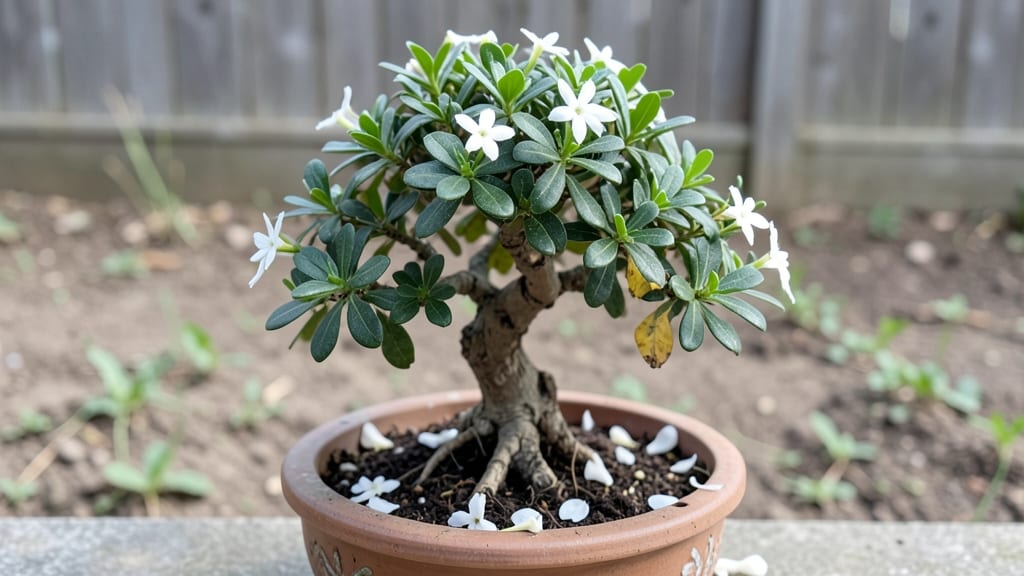
Creating a bonsai with flower that bursts into delicate blooms every season is like bottling springtime in a pot. 🌸 The secret lies in choosing the right species—jasmine for its intoxicating scent, azalea for vibrant bursts of color, or cherry blossom for that classic, ethereal beauty—and giving it the precise care it craves.
I’ve watched my own bonsai transform from a bare branch to a lush, flowering masterpiece over just three years, and the transformation is nothing short of magical.
The key starts with the soil—well-draining, slightly acidic, and rich in organic matter to mimic the rocky slopes these trees love. Watering becomes an art: too much and the roots drown, too little and the buds wither.
But once you find that sweet spot, your bonsai will reward you with blooms that seem impossibly large on such a tiny tree. Pruning isn’t just about shaping; it’s about encouraging the tree to focus its energy on producing flowers, not just leaves.
By late winter, you’ll start seeing those first hints of color—pink, white, or soft lavender—peeking through the branches. The scent alone, especially with jasmine, will make your whole home feel like a garden.
And the best part? With the right care, your flowering bonsai can keep gracing your space for decades, each season more spectacular than the last.
Whether you’re a beginner or a seasoned grower, the joy of coaxing blooms from a miniature tree is unmatched. Let’s dive into how to make it happen—step by step, so you can enjoy that first burst of color sooner than you think.
📚 In This Guide
- What you need
- Instructions
- Tips and common mistakes
- Wrapping up and next steps
What you need
- ● Flowering bonsai tree (e.g., Azalea, Camellia, Serissa, or Japanese Maple—choose one suited to your climate).
- ● Bonsai pot (3–8 inches wide, with drainage holes; ceramic or unglazed clay is ideal).
- ● Well-draining bonsai soil mix (50% akadama, 30% pumice, 20% peat moss or organic compost).
- ● Gravel or lava rocks (for the pot’s drainage layer, ½–1 inch thick).
- ● Pruning tools: Concave cutter (for branch pruning).
- ● Bypass pruners (for thicker branches).
- ● Root hook (for soil aeration).
- ● Wire (aluminum or copper) (1–3mm thick, for shaping branches).
- ● Watering can (with a fine rose nozzle).
- ● Fertilizer (balanced liquid fertilizer, 10-10-10 or bonsai-specific blend).
- ● Humidity tray (for tropical flowering bonsai like Azaleas).
- ● Spray bottle (for misting leaves daily).
- ● Rooting hormone (if propagating from cuttings).
- ● Bonsai glue (for sealing cuts after pruning).
- ● Decorative elements (e.g., moss, rocks, or figurines for styling).
Step-by-step guide to cultivating flowering bonsai trees
Here's how to coax delicate blooms from miniature trees—with techniques that keep them thriving for years.
🌱 Step 1: Select the Right Flowering Species for Your Climate
Not all bonsai produce flowers, so choose carefully. Japanese maple (Acer palmatum) thrives in cooler climates and bursts with vibrant red or orange blooms in spring. For warmer zones, consider jasmine (Jasminum polyanthum) or azalea (Rhododendron). Start with a nursery-trained flowering bonsai—growing from seed takes years to bloom.
Check your hardiness zone before purchasing. A tree labeled "Zone 5" won’t survive winters in Zone 8 without protection. I always verify the species’ native range matches my local climate. For example, azaleas hate humidity above 60%—if you live in the Southeast, opt for drought-tolerant choices like Chinese elm (Ulmus parvifolia) instead.
☀️ Step 2: Position for Light and Seasonal Care
Flowering bonsai need bright, indirect light—6 hours daily in spring/fall, but partial shade during summer’s intense heat. A south-facing window works, but watch for leaf scorch (brown edges). I place mine on a rotating stand to ensure even exposure. In winter, move them to a cooler spot (50-60°F) to mimic dormancy—this triggers better blooming next season.
Adjust watering based on light: more in summer, less in winter. The soil should stay slightly moist but never soggy. Stick your finger 1 inch deep—if it feels dry, water thoroughly until it drains from the bottom. Overwatering suffocates roots and prevents flowering. I use a moisture meter for precision, especially in humid climates where roots rot easily.
✂️ Step 3: Prune to Encourage Blooms (Timing Matters!)
Prune right after flowering (not before) to avoid cutting off next year’s buds. For example, if your azalea blooms in spring, prune in late May or early June. Use sharp, clean scissors to trim back 1/3 of new growth—this redirects energy to flower production. Never prune old wood; it won’t regenerate blooms.
Watch for candles (thick, woody stems) forming on your tree. These are future flower sites. If you see them, reduce pruning in that area—harsh cuts here can kill potential blooms. I also fertilize lightly (balanced 10-10-10) in early spring to support bud formation, but avoid heavy feeding after mid-summer—it encourages leafy growth over flowers.
🪴 Step 4: Repot Every 2-3 Years for Healthy Roots
Repot in early spring before new growth begins. Use a well-draining bonsai mix (60% inorganic grit like akadama, 30% organic matter like pine bark, 10% compost). Trim 1/3 of the roots with clean shears—this keeps the tree compact and encourages fine root growth, which supports flowering.
Choose a pot 1-2 inches wider than the root ball. Flowering bonsai need good drainage, so elevate the tree on a layer of small rocks or lava rock at the pot’s base. After repotting, place the tree in partial shade for 2 weeks to reduce stress. Water lightly until new growth appears—this signals the tree is recovering and ready for normal care.
💧 Step 5: Maintain Year-Round Conditions for Continuous Blooms
Flowering bonsai need consistent humidity (40-60%). In dry climates, mist daily or use a humidifier near the tree. I place mine on a pebble tray filled with water to add moisture without overwatering. During winter, group bonsai together to create a microclimate—this prevents bud drop from cold drafts.
Monitor for pests like spider mites (tiny webs) or scale (brown bumps on stems). Treat early with neem oil or insecticidal soap—chemicals can damage delicate blooms. I inspect my trees weekly during growing season. A healthy flowering bonsai will produce at least one major bloom cycle per year, with some species (like jasmine) offering scented flowers multiple times.
Tips & tricks for perfect flowering bonsai care
A few simple strategies will help your miniature blooms thrive and reward you with stunning flowers year after year.
Species Selection Matters: That first step about choosing the right species is critical—don't just grab any bonsai from the nursery. Japanese maple trees need cooler climates (Zones 5-8) while azaleas prefer acidic soil and humidity below 60%. I always check the species' native range against my local climate. For example, if you live in Arizona, skip the azalea and opt for drought-tolerant species like Chinese elm that can handle your heat.
Light Rotation is a Game-Changer: The 6 hours of bright, indirect light in spring/fall is non-negotiable, but here's what nobody tells you: rotate your bonsai every 2-3 days. Trees grow toward light, and without rotation, they'll develop lopsided growth. I use a simple lazy susan tray under my windowsill to automate this. During summer, move your tree to partial shade by 10am to prevent leaf scorch—you'll notice the difference in just a few days.
Pruning Precision: Timing is everything when pruning flowering bonsai. That late May/early June window for azaleas? It's not arbitrary—it's when the tree has finished flowering but before new buds form. I always prune right after blooms fade completely. And here's a pro move: when you see those thick, woody stems (called "candles"), mark them with a colored pen—they're your future flower sites, so avoid pruning them harshly.
Repotting Recovery: The 2-week partial shade period after repotting is crucial for stress recovery. Don't rush this! I've seen beginners skip it and end up with yellowing leaves or stunted growth. During this time, water lightly—just enough to keep the soil barely moist. You'll know you're doing it right when you see fresh, vibrant new growth appear after about 10 days.
Pro Tips for Bonsai With Flower
- A few simple strategies will help your miniature blooms thrive and reward you with stunning flowers year after year.
- Species Selection Matters: That first step about choosing the right species is critical—don't just grab any bonsai from the nursery.
- Light Rotation is a Game-Changer: The 6 hours of bright, indirect light in spring/fall is non-negotiable, but here's what nobody tells you: rotate your bonsai every 2-3 days.
Frequently asked questions
Got questions about growing bonsai with flowers? You’re in the right place! Whether you're a beginner or a seasoned gardener, these answers will help you nurture your miniature blooms like a pro.
Can I grow flowering bonsai indoors year-round?
Yes, but it depends on the species! Some flowering bonsai, like Ficus retusa or Carmona microphylla, thrive indoors with bright, indirect light. Others, such as Azalea or Cherry Blossom, need seasonal dormancy or cooler temperatures to bloom. Use grow lights in winter if natural light is limited.
How long does it take for a flowering bonsai to bloom?
Patience is key! Most flowering bonsai take 2–5 years to produce blooms, depending on age, species, and care. Young trees focus on root and foliage growth first. Prune lightly and avoid overwatering to encourage healthy development. A Jade bonsai might flower in 3–4 years, while a Serissa could bloom sooner!
What’s the best way to encourage more flowers on my bonsai?
Balance is everything! Prune after flowering to avoid cutting off next year’s buds. Use a high-phosphorus fertilizer (like 10-30-20) during the growing season to boost blooms. Reduce water slightly before flowering season to stress the plant gently—this triggers more blossoms!
Why aren’t my flowering bonsai blooming this year?
Common culprits include lack of dormancy (some need winter rest), over-fertilizing (too much nitrogen = leafy, not flowery), or poor light. Check your species’ needs—some, like Azalea, need acidic soil (pH 4.5–5.5). If indoors, mimic seasonal changes with cooler temps or shorter daylight hours.
Are there flowering bonsai alternatives for small spaces?
Try these space-friendly picks:
- Jade Bonsai (Crassula ovata): Succulent-like, drought-tolerant, and blooms with star-shaped flowers.
- Serissa (Snow Rose): Tiny white/pink blooms; thrives in shade and small pots.
- Ficus Microcarpa (Ginseng Ficus): Hardy, air-purifying, and can produce small flowers with patience.
- Carmona (Fukien Tea): Fragrant white flowers; loves humidity and indirect light.
Wrapping up and next steps
Growing a bonsai with flower is a rewarding journey that blends artistry with nature—proving even the smallest trees can burst with vibrant blooms! 🌸 Whether you’re drawn to delicate azaleas, cheerful jasmine, or bold puccoon, the key lies in patience, proper care, and a little creativity.
With the right techniques—like pruning, soil selection, and seasonal adjustments—your miniature masterpiece will thrive year-round, turning your space into a living gallery of beauty.
Ready to take the next step? Start by choosing your favorite flowering bonsai and gather your supplies. Then, dive into nurturing your tree with confidence—your green thumb is closer than you think! 🌱