
Flowers
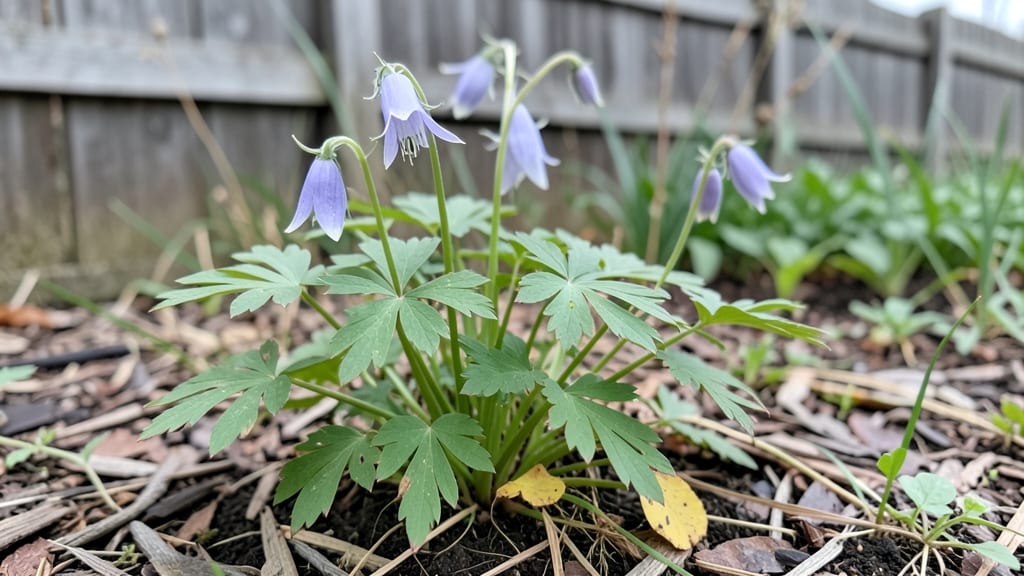
Flipping through columbine pictures flower albums always makes me smile—those Pacific Northwest blue bells thrive in chilly mornings, turning frost into magic. 🌿 I’ve watched them nod in spring rains, then bounce back with fresh blooms by summer, proving they’re the unsung hero of resilient perennials.
Their unique spurred petals catch sunlight in ways no other flower does, creating a shimmering effect that turns ordinary borders into storybook scenes.
Their versatility is what makes them magical: toss a few in a container for instant height, plant them along a shady path where they’ll thrive without fuss, or let them naturalize in wildflower meadows.
Pair them with bleeding hearts for a dreamy woodland combo or contrast their blues with bright red geraniums for a bold statement. They bloom early, often lasting from late spring through summer, giving you months of effortless beauty with almost no maintenance.
What you’ll love most is how they transform a space with minimal effort—just a little afternoon sun and well-draining soil, and they’ll reward you with those iconic nodding blooms. The way they sway in the breeze creates movement that static annuals can’t match, while their seed pods add winter interest.
Once established, they multiply like wildfire (in the best way), filling gaps in your garden without ever needing deadheading.
Perfect for cottage gardens, woodland edges, or even as a striking cut flower—just imagine those delicate stems in a vase with eucalyptus and lavender.
Whether you’re designing a new bed or sprucing up an existing one, columbines are the secret weapon for adding texture, color, and that Pacific Northwest charm to any setting. Let’s explore how to make them the star of your garden!
📚 In This Guide
- What you need
- Instructions
- Tips and common mistakes
- Wrapping up and next steps
What you need
- ● Columbine seeds: Choose Aquilegia formosa (Western Columbine) or Columbine caerulea (Blue Columbine) for the Pacific Northwest. Buy 10–20 seeds for a small patch or 50+ for a full garden bed.
- ● Well-draining potting mix: 1–2 bags (1–2 cubic feet each) of a blend designed for wildflowers or perennials.
- ○ Garden soil (optional for transplanting): Amend with compost (1 part compost to 3 parts soil) if planting outdoors.
- ● Containers or seed trays: 4–6 small pots (3–4 inches deep) or a seed-starting tray with cells for seedlings.
- ● Watering can or spray bottle: With a fine mist nozzle for gentle hydration.
- ● Garden gloves: A pair to protect your hands while handling soil and seeds.
- ● Labels or markers: To track seed varieties and planting dates.
- ● Trowel or small shovel: For transplanting seedlings into the garden.
- ● Mulch (e.g., straw or wood chips): 1–2 inches to retain moisture and suppress weeds.
- ● Fertilizer (balanced 10-10-10 or organic): Light application in early spring if soil is nutrient-poor.
- ● Pruning shears: For trimming spent blooms to encourage regrowth.
- ● Camera or smartphone: With a macro lens or close-up mode for stunning Columbine flower pictures! 📸
How to grow Pacific Northwest columbine in your garden
Here's how to cultivate those stunning frost-resistant blue beauties thriving in PNW climates.
🌱 Step 1: Choose the Right Planting Location
Columbine thrives in partial shade to full sun—ideal for PNW gardens where afternoon shade protects delicate blooms. I always look for spots with morning sun and dappled shade after 11 AM. The best locations are near trees or shrubs where roots provide some natural shade while still getting 4-6 hours of sunlight daily.
Test your spot by observing how sunlight moves through the day. If the area stays dry and warm, it's perfect. Columbine hates soggy roots, so avoid low-lying areas where water pools. The first true leaves will tell you if the location is right—they should appear vibrant green, not pale or stretched.
🪴 Step 2: Prepare the Soil for Healthy Growth
These flowers love well-draining, slightly acidic soil with a pH between 6.0 and 7.5. I mix 2 parts garden soil with 1 part compost and a handful of perlite to improve drainage. Columbine roots are shallow, so focus on the top 6 inches of soil—this is where most nutrients are absorbed.
Before planting, loosen the soil to a depth of 12 inches with a garden fork. Remove any rocks or debris that could hinder root growth. If your soil is heavy clay, add sand or coconut coir to lighten it. The goal is soil that feels like a damp sponge—crumbly but able to hold moisture without becoming waterlogged.
☀️ Step 3: Plant Seeds or Transplants at the Right Time
For best results, plant columbine seeds 6-8 weeks before your last frost date in early spring. I like to start seeds indoors in biodegradable pots using the 2 parts soil, 1 part perlite mix. Press seeds ¼ inch deep—they need light to germinate, so don't bury them too deeply. Keep the soil consistently moist until germination, which takes 2-4 weeks at 65-70°F.
If using transplants, plant them in early spring or fall when temperatures are cool. Space plants 12-18 inches apart to allow for air circulation and prevent fungal diseases. Water deeply after planting to settle the soil around the roots. You'll know it's right when the soil surface looks slightly firm but not compacted.
💧 Step 4: Water and Maintain for Long-Lasting Blooms
Water newly planted columbine once a week for the first month, keeping the soil evenly moist but not soggy. Once established, they're drought-tolerant but will bloom more prolifically with regular watering. I water at the base of the plant in the morning to allow foliage to dry before evening—this prevents fungal issues.
Fertilize lightly in early spring with a balanced 10-10-10 fertilizer to encourage lush foliage. Too much fertilizer leads to more leaves but fewer blooms. Deadhead spent flowers by snipping them off at the base with clean scissors. This encourages more blooms and keeps the plant tidy. The first flush of blooms usually appears in late spring, with a second wave in early summer.
✂️ Step 5: Prune and Overwinter for Next Year’s Growth
After the first frost, cut back the foliage by half to tidy the plant and remove any diseased or damaged stems. I always use sterilized pruners to prevent spreading pathogens. Leave the basal rosette intact—this is where new growth emerges in spring. Mulch around the base with 2-3 inches of organic mulch to protect roots from freezing temperatures.
Columbine is one of the most frost-resistant perennials, but a thick layer of mulch ensures it survives harsh PNW winters. In early spring, remove the mulch and check for any dead foliage. New growth will appear within 2-3 weeks of warming temperatures. This is your signal that the plant is ready for another season of stunning blue blooms.
Tips & tricks for growing Pacific Northwest columbine
These simple strategies will help you cultivate vibrant, thriving columbine that blooms beautifully year after year in your PNW garden.
Location Insight: When choosing your planting spot in Step 1, consider the mature size of nearby trees. Columbine grows best when it gets morning sun but afternoon shade from established trees or shrubs. If you're planting near a young tree, wait until it's at least 5 feet tall before planting—you'll need that dappled shade after 11 AM. I've found that planting near the north side of trees provides perfect conditions without competing for water.
Soil Preparation Secret: For Step 2, test your soil's pH before amending it. Many PNW soils are naturally acidic, so you might not need to adjust the pH at all. If you do need to raise it slightly, use crushed limestone—it works more slowly than quicklime and won't risk burning your columbine's roots. The goal is that perfect 6.0-7.5 range where these flowers truly shine.
Timing Tip for Transplants: In Step 3, if you're using transplants, look for healthy plants with firm stems and vibrant green leaves. Avoid any that are already flowering—they'll be putting energy into blooms rather than establishing roots. I always plant transplants in early spring when soil temperatures reach at least 50°F, which gives them plenty of time to settle in before summer heat arrives.
Watering Wisdom: During Step 4, the key is consistency. Instead of watering every day for a few minutes, give your columbine a thorough watering once a week that soaks down to about 6 inches deep. This encourages deep root growth. I use a rain gauge to measure about 1 inch of water per week—this mimics natural rainfall patterns and prevents shallow root systems that struggle in dry spells.
Pro Tips for Columbine Pictures Flower
- These simple strategies will help you cultivate vibrant, thriving columbine that blooms beautifully year after year in your PNW garden.
- Location Insight: When choosing your planting spot in Step 1, consider the mature size of nearby trees.
- Soil Preparation Secret: For Step 2, test your soil's pH before amending it.
Frequently asked questions
When is the best time to plant columbine flowers?
Columbine thrives when planted in early spring or fall. Spring planting (March–April) gives roots time to establish before summer heat, while fall (September–October) avoids harsh winter conditions. Avoid planting in mid-summer—the heat can stress young plants.
How often should I water columbine flowers?
Water columbines deeply but infrequently—about once a week during the first growing season. Once established, they’re drought-tolerant! Mulch around the base to retain moisture and protect roots. Overwatering can lead to root rot, so let the soil dry slightly between waterings.
Are columbine flowers deer- and rabbit-resistant?
Yes! Columbines are naturally deer- and rabbit-resistant due to their bitter taste. Their fuzzy leaves and unique shape make them less appealing to pests. However, slugs might nibble on young seedlings—consider organic slug bait or beer traps if needed.
Can columbine flowers survive heavy frost?
Columbines are highly frost-resistant and thrive in the Pacific Northwest’s cold winters. They can handle temperatures down to -20°F (-29°C). However, if snow piles up, gently brush it off to prevent stem damage.
Why aren’t my columbine flowers blooming?
If your columbines aren’t blooming, check these common issues:
- Too much shade: They need partial sun (4–6 hours/day).
- Over-fertilizing: Too many nutrients = fewer blooms. Use a low-phosphorus fertilizer.
- Old plants: After 3–4 years, divide clumps to rejuvenate growth.
- Dormancy: Some varieties bloom spring and fall—don’t worry if they rest in summer!
What are some columbine flower alternatives for pollinators?
If you love columbines but want more pollinator-friendly options, try:
- Penstemon (beardtongue)
- Delphinium (larkspur)
- Lupine (drought-tolerant)
- Salvia (hummingbird magnet)
Wrapping up and next steps
The Columbine flower isn’t just a stunning blue beauty—it’s a resilient symbol of the Pacific Northwest’s charm, thriving even in chilly climates. Whether you’re admiring its delicate petals in wild meadows or dreaming of growing your own, these frost-resistant blooms bring joy and color to any space. 🌿
Ready to bring a touch of Columbine magic to your garden? Start by choosing your favorite variety—whether for containers, borders, or wildflower patches—and gather the essentials. Then, dive into planting with confidence! Review the basics or explore common questions to ensure your Columbines flourish.