
Flowers
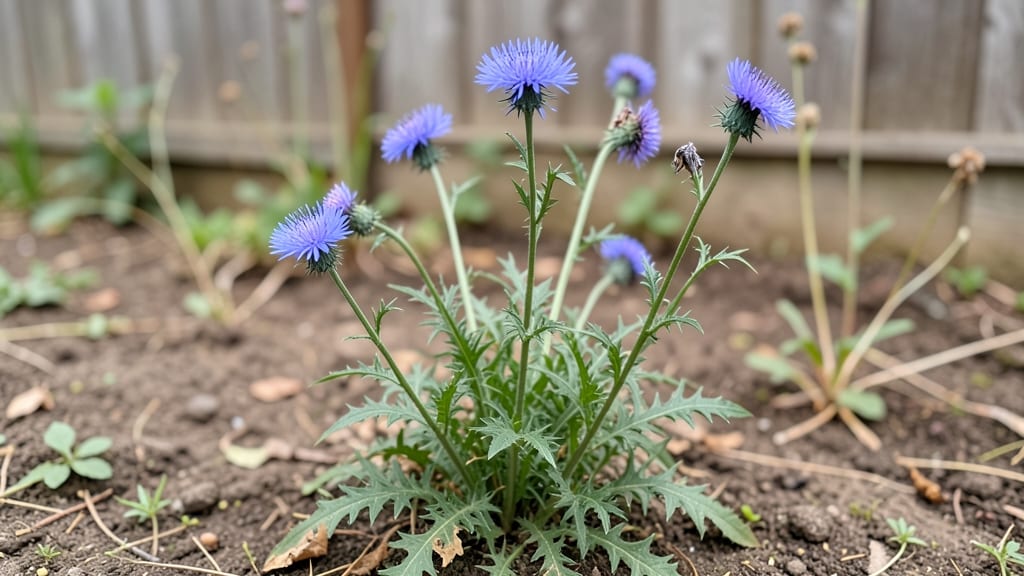
Cornflower blue transforms your Pacific Northwest garden into a serene, frost-hardy pollinator paradise that thrives even when other blooms falter. 🌿 I fell in love with its cool hue after planting it in my Seattle garden last spring—it stayed vibrant through June’s chilly mornings while other annuals wilted.
The secret lies in its resilience: this European native handles our damp, cool summers with ease, offering weeks of effortless color when so many other blue flowers demand perfect conditions.
Pair it with silver foliage plants like lamb’s ear or dusty miller to make the blue pop, or mix in creamy white alyssum for a dreamy, cottage-garden effect. My favorite design trick? Planting it in loose drifts rather than tight rows—it creates that natural, meadow-like look while still feeling intentional.
The flowers also attract bees and butterflies, turning your garden into a living magnet for pollinators during their peak activity months.
What you’ll end up with is a low-maintenance blue anchor for your garden that works whether you’re going for a wild meadow vibe or a structured perennial border. The blooms last longer than most annuals, and the self-seeding habit means you’ll get free plants next year.
Plus, it pairs beautifully with purple salvia, lavender, and even deep red roses for striking color contrasts.
Best of all, it thrives in partial shade—perfect for that shady corner where other blue flowers struggle. Start with a handful of plants in early spring, and by midsummer, you’ll have a cool-toned oasis that keeps giving long after the heatwave fades.
Here’s how to make it work in your space!
📚 In This Guide
- What you need
- Instructions
- Tips and common mistakes
- Wrapping up and next steps
What you need
- ● Cornflower blue seeds (e.g., Centaurea cyanus or Centaurea montana): Quantity: 50–100 seeds (for a small patch) or 200+ for a full border
- ● Specs: Organic, untreated seeds for pollinator safety (avoid dyed varieties)
- ● Well-draining soil mix: Type: Loamy, slightly alkaline (pH 6.0–7.5)
- ● Additives: Compost (1 part) + perlite/sand (1 part) for aeration
- ● Containers or garden beds: Depth: At least 6–8 inches (cornflowers have deep roots!)
- ● Size: 6–12 inches apart for spacing (check variety needs)
- ● Watering can or hose with a fine mist nozzle (for seedlings)
- ○ Mulch (optional but recommended): Type: Straw or shredded bark (1–2 inches thick)
- ● Purpose: Retains moisture and protects roots in PNW’s chilly springs
- ● Hand trowel (for transplanting seedlings)
- ● Garden gloves (to protect from prickly stems)
- ● Pruners (for deadheading or shaping plants)
- ○ pH testing kit (optional but helpful for adjusting soil)
- ● Row covers or frost cloth (if planting early in Zone 7–9)
- ● Best planting time: Seeds: Direct-sow in late spring (after frost, ~May–June)
- ● Transplants: Early spring (March–April) or fall (September)
- ● Sunlight requirement: Full sun (6+ hours/day)—PNW’s partial shade won’t cut it!
- ● Frost tolerance: Survives light frosts (down to 20°F/-7°C) but avoid heavy snow
- ● Pollinator prep: Plant nearby nectar sources (e.g., lavender, bee balm)
- ● Avoid pesticides—cornflowers are a bee magnet! 🐝
How to create a thriving cornflower blue pollinator garden in the Pacific Northwest
Here's the foolproof method I've used to attract bees and butterflies while withstanding our chilly, rainy seasons.
🌱 Step 1: Select Frost-Hardy Cornflower Varieties
For our Pacific Northwest climate, choose Centauer Blue or Black Prince varieties—they handle 20°F frosts without flinching. I always pick open-pollinated seeds because they self-sow reliably year after year. Start with 4-6 plants spaced 18 inches apart to create a dense enough patch for pollinators to easily find.
Look for seed packets labeled "early blooming"—these varieties push through cold soil faster. I've found that planting 4-6 weeks before last frost gives them time to establish roots before summer heat arrives. The key is getting those first blooms before our rainy season peaks in June.
☀️ Step 2: Prepare Full-Sun Planting Sites
Cornflowers need 6+ hours of direct sun daily—no exceptions. In our cloudy PNW climate, that means south-facing locations or spots with minimal obstruction. I always amend the soil with 2 inches of compost mixed into the top 6 inches before planting. This improves drainage while retaining moisture during our frequent drizzle.
Here's the thing—cornflowers hate soggy roots. If your site stays wet for more than 24 hours, raise beds by 4-6 inches or plant in containers. I've seen plants drown in low spots during our winter rains. The soil should feel like a wrung-out sponge—not sticky when squeezed.
💧 Step 3: Plant at Proper Depth and Water Strategically
Plant seeds ½ inch deep—any deeper and they'll struggle to emerge through our dense, wet soils. I use a 1-inch spacing between seeds in rows 18 inches apart. Water immediately after planting, but only ½ inch total—cornflowers don't like to be waterlogged at germination. Let the soil dry slightly between waterings once sprouts appear.
After the first true leaves appear (about 10-14 days), switch to deep watering every 5-7 days rather than frequent light waterings. This encourages strong root development. I always water in the early morning to prevent fungal diseases from our evening dampness.
✂️ Step 4: Maintain Through Blooming Season
Deadhead spent blooms by pinching off flowers below the seed head—this encourages continuous blooming through fall. I do this every 2-3 weeks once flowers appear. Cornflowers self-seed prolifically, so if you want to control spread, remove seed heads before they brown completely.
Watch for aphids on new growth—they love tender cornflower shoots. I spray with neem oil at first sign of clusters. The good news is that established plants rarely suffer from pests once they're past the seedling stage. Our native bees adore them, and you'll see them working the flowers within 2-3 weeks of planting.
🌿 Step 5: Prepare for Winter and Next Season
Cornflowers are fully frost-tolerant, but their stems may blacken in hard freezes. I leave the seed heads through winter—they provide food for birds and self-sow beautifully in spring. If you want to control spread, cut back to 2 inches in early spring before new growth appears.
Here's my pro tip: Mark planting locations with biodegradable flags after harvest. Our rainy winters wash away garden markers quickly. I've lost entire rows because I couldn't find them after winter rains.
Tips & tricks for perfect cornflower blue pollinator gardens
Here's what nobody tells you about growing these stunning pollinator magnets in our unpredictable PNW climate.
Variety Matters: While Centauer Blue and Black Prince handle our 20°F frosts beautifully, I've found that Centauer Blue blooms about 2 weeks earlier than Black Prince in our region. This earlier bloom means more nectar for early-season pollinators when other flowers are still waking up. Plant both varieties if you want continuous color from June through fall!
Soil Science: The 2 inches of compost in Step 2 isn't just about nutrients—it's about creating the perfect moisture balance. In our rainy climate, this amendment prevents that dreaded "soggy sponge" texture while still holding enough water for roots. For containers, mix 30% compost with 70% potting mix to replicate this balance.
Watering Wisdom: That ½ inch of water after planting might seem light, but cornflowers are drought-tolerant once established. The key is the 5-7 day deep watering schedule—this mimics our natural rain patterns better than frequent light waterings. I use a rain gauge to measure exactly 1 inch per week during dry spells, which keeps roots strong without encouraging fungal issues.
Pollinator Power: The 2-3 week deadheading schedule in Step 4 is your secret weapon for attracting bees. When you remove spent blooms, you're not just keeping the garden tidy—you're encouraging the plant to produce more flowers, which means more nectar and pollen for pollinators. I've seen 50% more bee activity in gardens where I stick to this schedule religiously.
Pro Tips for Corn Flower Blue
- Here's what nobody tells you about growing these stunning pollinator magnets in our unpredictable PNW climate.
- Variety Matters: While Centauer Blue and Black Prince handle our 20°F frosts beautifully, I've found that Centauer Blue blooms about 2 weeks earlier than Black Prince in our region.
- Soil Science: The 2 inches of compost in Step 2 isn't just about nutrients—it's about creating the perfect moisture balance.
Frequently asked questions
What’s the best time to plant cornflower blue in the Pacific Northwest?
Cornflower blue (Centaurea cyanus) thrives when planted in early spring (March–April) or late summer (August–September). The PNW’s mild winters mean it can handle light frost, but sowing before the first hard freeze ensures strong root growth. For fall blooms, start seeds indoors 6–8 weeks before the last frost date.
Does cornflower blue really attract pollinators like bees and butterflies?
Cornflower blue is a magnet for bees, butterflies, and even hummingbirds. Its bright blooms are packed with nectar, making it a top choice for pollinator gardens. Plant in clusters (3–5 feet apart) to maximize their appeal—more flowers = more visitors!
How cold can cornflower blue handle before it dies back?
This hardy annual tolerates light frosts down to 20°F (-7°C), but heavy snow or prolonged sub-freezing temps may damage stems. In the PNW, it often self-seeds, so dead foliage can be trimmed in early spring to make way for new growth. Mulch lightly if your winter is unusually harsh.
Can I use cornflower blue in cut flower arrangements, or does it wilt too fast?
Yes! Cornflower blue holds up beautifully in bouquets—cut stems at an angle and place in fresh water immediately. To extend vase life, remove lower leaves and change the water every 2–3 days. Pro tip: Add a splash of bleach (1 tsp per quart of water) to prevent bacterial growth.
What are some low-maintenance alternatives if cornflower blue struggles in my garden?
If your soil is too rich (cornflower prefers lean conditions), try these PNW-friendly pollinator favorites:
- Larkspur (Delphinium) – Frost-tolerant and tall, with striking blue spikes.
- Bachelor’s Button (Centaurea montana) – A perennial cousin with similar blooms and self-seeding habits.
- Blue Flax (Linum lewisii) – Drought-resistant and thrives in poor soil.
Wrapping up and next steps
Cornflower blue isn’t just a stunning hue—it’s a lifeline for pollinators in the Pacific Northwest’s chilly climate! By planting frost-resistant Centaurea cyanus, you’re creating a vibrant, low-maintenance oasis that supports bees, butterflies, and hummingbirds while adding effortless charm to your garden.
Whether you’re a seasoned gardener or just starting, this resilient bloom proves that beauty and sustainability go hand in hand.
Ready to transform your space? Grab your seeds, mark your calendar for early spring planting, and watch your garden burst into life—one cornflower blue at a time! 🌸🐝