
Flowers
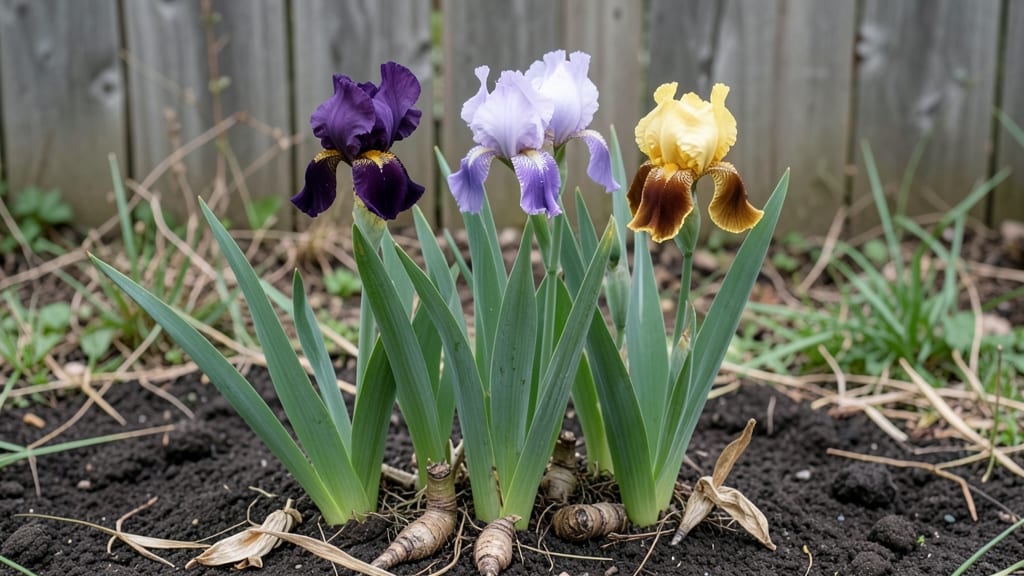
Different colored iris flowers can turn a plain garden border into a showstopper—purple, blue, yellow, and white varieties create drama that lasts from spring through summer. 🌸 I’ve designed borders where irises anchor the look, their bold hues drawing the eye while letting other plants play supporting roles.
The secret isn’t just planting them; it’s arranging them so their colors pop against foliage and neighboring blooms.
Start with a color palette—try pairing deep purple irises with silver foliage for contrast, or bright yellow irises against dark green shrubs for warmth. Mix heights too: taller bearded irises (3–4 feet) behind shorter Siberian types (2–3 feet) adds depth.
My favorite combo? White irises with lavender and dusty rose perennials for a soft, romantic border that still feels structured.
You’ll end up with borders that feel intentional, not random—think jewel-toned accents, unexpected pops of color, and seasonal interest from early spring blooms to late-summer foliage.
The best part? Irises thrive in full sun with minimal fuss, so once planted, they’ll reward you with years of effortless beauty. Let’s design something memorable.
Works for cottage gardens, modern landscapes, or even small urban spaces—just adjust spacing and companion plants to fit your style. The possibilities are endless once you start mixing those colors.
📚 In This Guide
- What you need
- Instructions
- Tips and common mistakes
- Wrapping up and next steps
What you need
- ● Iris rhizomes: Choose at least 3-5 varieties of different-colored irises (e.g., purple, blue, yellow, white, or even rare bicolor types). Aim for 5-10 rhizomes per color for a lush border.
- ● Well-draining soil: A mix of garden soil, compost, and coarse sand (ratio: 60% soil, 30% compost, 10% sand). Irises hate soggy roots!
- ● Garden fork or trowel: For planting and loosening soil. A heavy-duty fork works best for breaking up clay.
- ● Organic mulch: Pine bark, straw, or wood chips (2-3 inches thick) to retain moisture and suppress weeds.
- ● Balanced fertilizer (10-10-10 or similar): Apply 1-2 tablespoons per rhizome at planting time.
- ● Watering can or hose with a gentle spray nozzle: Irises need moderate watering—avoid overhead soaking.
- ● Measuring tape or string: To mark planting rows 2-3 feet apart for even spacing.
- ○ Pruners or shears: For trimming dead foliage after blooming (optional but highly recommended for next year’s growth!).
- ● Garden gloves: Protect your hands from sharp rhizome edges and soil.
- ● Stakes or labels: Use biodegradable markers to track varieties if testing multiple colors.
- ● Slow-release granular fertilizer: (e.g., Osmocote) for spring and fall feedings—boosts blooms!
- ○ Drip irrigation kit: (Optional but game-changing for drought-prone areas.)
- ● A sunny location with at least 6 hours of direct sunlight daily (irises thrive in full sun!).
- ● Proper timing: Plant rhizomes in early fall or late winter (before new growth starts).
- ● Patience: Irises take 2-3 years to reach full maturity and color impact!
How to create a stunning iris border with bold color contrasts
Here's how I design eye-catching iris borders that pop all season long—no fancy tricks, just smart color layering.
🌿 Step 1: Select Iris Varieties for Maximum Contrast
Start with three iris types for depth: bearded irises (classic, bold colors), sibiriticas (soft pastels), and Louisiana irises (deep, moody hues). I pair purple bearded irises with white Siberian irises and burgundy Louisiana irises—the color shift from cool to warm creates instant drama. Check your hardiness zone first; Siberian irises thrive in zones 3-9, while Louisiana irises prefer zones 5-10.
Plant 4-5 clumps per variety to ensure full coverage. Space them 18-24 inches apart—iris rhizomes need room to spread. Dig holes 2 inches deep and place rhizomes with the top third exposed (this prevents rot). The fan-shaped roots should point downward, never buried.
☀️ Step 2: Position for Sunlight and Seasonal Interest
Iris borders need full sun (6+ hours daily) for best blooms, but I place them where they’ll catch morning sun—this prevents afternoon leaf scorch. Add mulch (3 inches thick) around each clump using the cypress mulch to retain moisture and suppress weeds. Mulch also keeps rhizomes cool in summer.
For extra contrast, interplant with silver foliage plants like lamb’s ear or deep green hostas (they won’t compete for nutrients). Step back after planting—you’ll see how the colors interact. If the border looks flat, add a single clump of black iris (yes, it’s a real variety!) to ground the palette.
💧 Step 3: Water and Fertilize for Long-Lasting Blooms
Water deeply once a week after planting, then every 10-14 days once established. You’ll know they’re thirsty when the leaves droop slightly—iris roots are deep, so they hate surface moisture. Fertilize in early spring with 1 tablespoon of 10-10-10 fertilizer per clump, then again after blooming. Avoid high-nitrogen feeds; they encourage leaves over flowers.
Deadhead spent blooms by snipping stems at the base with clean shears. This redirects energy to next year’s flowers. I mark each variety’s location with a small flag (yes, it’s nerdy, but I forget which iris is which!). By late summer, you’ll see new fan-shaped leaves emerging—this is your signal the plant is storing energy for next spring.
✂️ Step 4: Divide and Refresh Every 3-4 Years
Iris clumps multiply fast—when you see 3-4 fans per rhizome, it’s time to divide. Dig up clumps in early fall (after blooming) and separate with a sharp knife. Discard small, weak rhizomes and replant the strongest 2-3 inch pieces in fresh soil. This prevents overcrowding and keeps blooms vibrant.
Here’s the thing—iris borders look best when slightly wild and natural. If a few clumps lag behind, don’t stress. The contrast between tall bearded irises and low-growing Siberians creates texture that hides imperfections. After dividing, add a dash of ornamental grass (like fountain grass) to sway in the breeze—it ties the border together.
Tips & tricks for perfect iris flower borders
Creating a vibrant iris border isn't just about planting—it's about strategic color layering and plant care that makes the difference between ordinary and show-stopping.
Color Theory in Planting: When arranging your iris varieties, think about the color wheel. Purple bearded irises paired with white Siberians create a cool contrast, while adding burgundy Louisiana irises introduces warm tones that make the whole border pop. I like to visualize the color progression before planting—this helps me space them so the colors flow naturally from one section to another.
Rhizome Placement Matters: That top third of the rhizome needs to stay exposed—this isn't just about preventing rot, it's about ensuring proper photosynthesis. When planting, make sure the fan-shaped roots point downward and the rhizome sits at a slight angle rather than flat. This positioning helps water drain properly and prevents the rhizome from rotting in wet soil.
Sunlight Strategy: While iris borders need full sun, morning sun is actually better for preventing leaf scorch. I've learned this the hard way—afternoon sun can turn leaves crispy by summer. If your garden has areas with only afternoon sun, consider planting Siberian irises there instead of bearded varieties, as they're more heat-tolerant.
Seasonal Maintenance: The key to long-lasting blooms is consistent care. After the initial deep watering once a week, you can reduce to every 10-14 days once established, but always check for that slight leaf droop—it's your plant's way of asking for water. And that early spring fertilization? Don't skip it! The 1 tablespoon of 10-10-10 fertilizer per clump gives them just the right boost without encouraging too much leafy growth at the expense of flowers.
Pro Tips for Different Colored Iris Flowers
- Creating a vibrant iris border isn't just about planting—it's about strategic color layering and plant care that makes the difference between ordinary and show-stopping.
- Color Theory in Planting: When arranging your iris varieties, think about the color wheel.
- Rhizome Placement Matters: That top third of the rhizome needs to stay exposed—this isn't just about preventing rot, it's about ensuring proper photosynthesis.
Frequently asked questions
about different colored iris flowers—because every gardener deserves a little clarity! Here are answers to the most common queries to help you create showstopping borders with confidence.Can I mix different iris colors in the same garden border?
Iris flowers thrive when planted in groups, and mixing colors—like deep purples with sunny yellows—creates dramatic contrast. Just ensure they get similar sunlight and soil conditions. For a cohesive look, group shades (e.g., blues together) or alternate bold colors for a rainbow effect.
How long does it take for iris flowers to bloom after planting?
Patience pays off! Newly planted iris rhizomes typically take 1–2 years to establish and bloom. Established clumps may flower in early spring (March–May), depending on your climate. Mulch lightly in fall to encourage faster growth and vibrant blooms next season.
Why aren’t my iris flowers changing color like I expected?
Color shifts in iris flowers are rare, but pale or washed-out blooms often signal stress. Check for:
- Sunlight: Irises need 6+ hours of sun daily.
- Soil: Amend heavy clay with sand; avoid soggy roots.
- Fertilizer: Use a low-nitrogen bloom booster in early spring.
Are there iris alternatives with similar bold colors?
If irises aren’t your style, try these low-maintenance, high-impact alternatives:
Flower
Color Range
Growing Conditions
Bearded Iris
Purple, blue, yellow, white, red
Full sun, well-drained soil
Daylilies (Hemerocallis)
Orange, pink, burgundy, green
Sun to partial shade, adaptable soil
Canna Lilies
Red, pink, yellow, black
Sun to shade, moist soil
How do I protect iris flowers from pests like iris borers?
Iris borers are sneaky, but these steps keep them at bay:
- Inspect rhizomes before planting for tunnels or sawdust-like frass.
- Plant in well-draining soil—borers love soggy roots.
- Apply neem oil or Bt (Bacillus thuringiensis) spray in early summer.
- Divide clumps every 3–4 years to reduce borer buildup.
Wrapping up and next steps
From vibrant purples to sunny yellows and deep blues, different colored iris flowers bring drama, elegance, and endless creativity to your garden borders. 🌈 Whether you’re a seasoned gardener or just starting, these striking blooms are easy to incorporate—just pick your palette, prep your soil, and let nature do the rest!
Now’s the perfect time to plant, experiment, and enjoy the bold beauty these irises bring to any outdoor space.
Ready to transform your garden? Start small—try a single color or mix a few—and watch your borders bloom into a showstopper!