Flowers
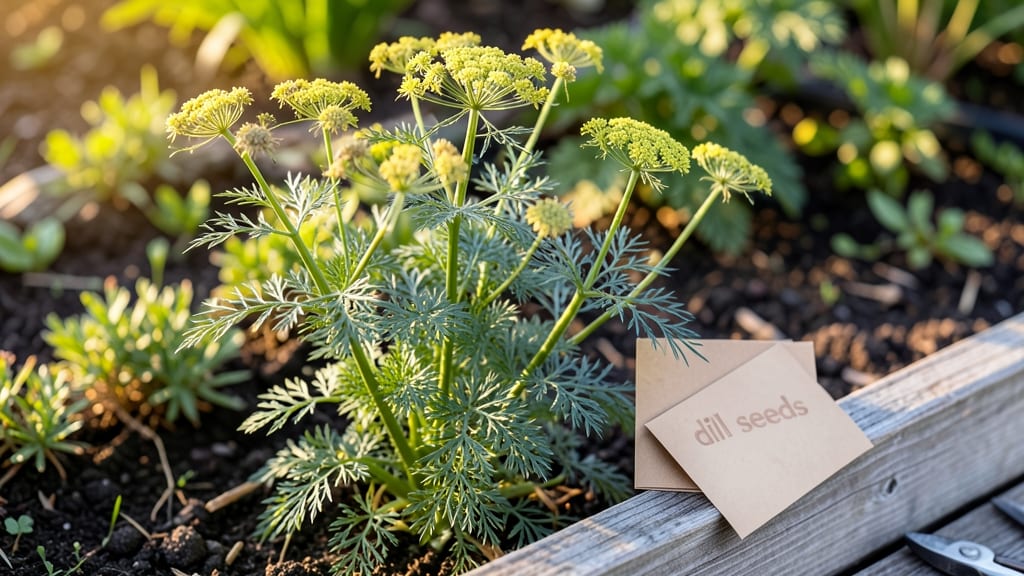
Growing dill flower seeds reveals a secret garden double-duty plant—those feathery fronds you know for soups and pickles transform into delicate yellow blooms that hummingbirds and bees can't resist. 🌻 I learned the hard way that letting dill bolt isn't just for seeds; those flat-topped flowers are edible, too, adding a mild anise flavor to salads and cocktails.
The key to lush dill flowers starts with well-drained soil and full sun—at least 6 hours daily—or the plants stretch leggy and flop. Plant seeds ¼ inch deep, spacing them 12-18 inches apart in rows, and keep the soil consistently moist but never soggy.
Most gardeners overlook the fact that dill's second flush of flowers (after the first harvest) is often the most abundant.
By mid-summer, you'll have clusters of tiny yellow blooms that attract pollinators while adding bright pops of color to your garden. Snip individual flowers for garnishes or let them go to seed for next year's crop.
The trade-off? Dill's tendency to bolt early—just let it happen if you want flowers, but harvest leaves before the stems turn woody.
This plant thrives in USDA zones 3-11, making it one of the most versatile annuals for both edible and ornamental gardens. Whether you're growing in containers or garden beds, dill proves you can have your herbs and your pollinator support too—just give it space to shine.
📚 In This Guide
- What you need
- Instructions
- Tips and common mistakes
- Wrapping up and next steps
What you need
- ● Dill flower seeds: Choose heirloom or organic varieties (e.g., Anethum graveolens) for best results. 1–2 tbsp per planting area (about 100–200 seeds).
- ● Well-draining potting mix or garden soil: 1–2 bags (5–10 quarts) for containers or amend garden soil with compost (1 part compost to 3 parts soil).
- ● Containers or garden space: Containers: 5–6-inch diameter pots (minimum 2 per plant) with drainage holes.
- ● Garden beds: Full sun (6+ hours/day) and 6–12 inches of spacing between plants.
- ● Watering can or spray bottle: For gentle, bottom-watering (prevents seed displacement).
- ○ Plant labels (optional but helpful): Mark varieties if growing multiple types.
- ○ Gloves (optional): Protects hands from prickly stems when handling seedlings.
- ● Trowel or small shovel: For transplanting or loosening soil.
- ○ Lightweight mulch (straw or shredded leaves): 1–2 inches to retain moisture (optional but recommended).
- ● Fertilizer (balances 10-10-10 or compost tea): Light application at planting and mid-season (avoid over-fertilizing).
- ○ Pollinator-friendly companions: Marigolds, nasturtiums, or basil (optional but encourages more bees! 🐝).
- ● 🌡️ Temperature: Dill thrives in 50–80°F soil. Start indoors 4–6 weeks before last frost or direct-sow after danger of frost.
- ● ✨ Soil pH: Aim for 6.0–7.0 (neutral to slightly acidic). Test kits are cheap and worth it!
- ● 🎯 Seed depth: Plant ¼ inch deep—dill seeds need light to germinate!
How to grow dill flower seeds for pollinator-friendly blooms
Here's how to cultivate dill flowers that keep bees buzzing and your kitchen stocked with fresh flavors.
🌱 Step 1: Select and Prepare Your Planting Site
Dill thrives in full sun with at least 6 hours of direct light daily. Choose a spot with well-draining soil—dill hates soggy roots. If your garden soil is heavy clay, amend it with 2-3 inches of compost mixed into the top 6 inches of soil. You'll know the site is ready when the soil holds moisture but drains freely within 1-2 hours of watering.
Dill grows best in cool to moderate temperatures (50-75°F). If planting in early spring, wait until soil temperatures reach 50°F—cold soil slows germination and can cause rot. In hot climates, opt for fall planting to avoid bolting (premature flowering).
🌱 Step 2: Sow Seeds at the Right Depth and Spacing
Scatter dill seeds ¼ inch deep—they’re tiny, so I use a shallow tray to measure depth. Space seeds 12-18 inches apart in rows 18 inches apart for easy maintenance. Dill grows tall and lanky, so crowding leads to weak stems and poor air circulation, inviting fungal diseases like powdery mildew.
Water gently after sowing to settle the seeds into the soil. Avoid washing seeds away—use a fine-mist spray bottle for even moisture. You’ll see first true leaves in 10-14 days, but germination can take up to 3 weeks in cooler soil. Thin seedlings to 12 inches apart once they’re 2-3 inches tall, snipping weaker stems at soil level with clean scissors.
☀️ Step 3: Provide Consistent Care for Lush Growth
Keep soil evenly moist but never waterlogged—dill’s shallow roots dry out quickly in hot weather. Water 1 inch per week, more in extreme heat. You’ll know moisture is right when the top 1 inch of soil feels dry to the touch but the lower soil stays damp. Mulch with 1-2 inches of straw or shredded leaves to retain moisture and suppress weeds.
Fertilize lightly with ½ cup of 5-10-5 fertilizer per 100 square feet at planting and again when flowers appear. Too much nitrogen promotes leafy growth at the expense of blooms. Watch for aphids on new growth—spray with soapy water if you spot clusters of tiny green bugs on stems.
✂️ Step 4: Encourage Continuous Blooming and Pollinator Visits
Dill flowers attract bees, butterflies, and hoverflies, but they also self-seed aggressively. To prolong blooming, deadhead spent flowers by snipping stems ½ inch above the next set of leaves. This redirects energy to new blooms instead of seed production. I do this every 2-3 weeks during the flowering season.
Harvest flowers for culinary use in the morning after dew dries but before noon heat wilts them. Use a sharp knife to cut entire flower umbels (the whole cluster) and let them dry upside-down in a dark, well-ventilated space. You’ll know they’re ready when petals crumble easily between your fingers—this usually takes 1-2 weeks.
🌿 Step 5: Manage Growth for a Second Harvest
If your dill bolts (sends up a tall flower stalk) early, don’t panic—this is normal. Instead of pulling it, let it flower and seed. Once flowers fade, the plant will produce seed heads that you can harvest for next year’s crop. Collect seeds when they turn brown and dry, then store them in a cool, dark place for up to 2 years.
For a second harvest, allow some plants to flower while pinching back others to encourage bushier growth. You’ll see new side shoots form within 2-3 weeks—these will produce a second round of flowers and leaves. This technique works best in cool fall weather when days grow shorter.
Tips & tricks for perfect dill flower cultivation
Here's what I've learned after growing dill flowers for years—these tricks will help you avoid common pitfalls and maximize your harvest.
Location is Everything: That 6 hours of full sun requirement isn't just ideal—it's non-negotiable for robust flower production. I've seen dill plants in partial shade produce leaves but barely any flowers. If your garden lacks full sun, consider using reflective surfaces like white gravel or a light-colored wall to bounce extra light onto your plants.
Timing Secret for Germination: The 10-14 day germination window can feel like forever, but don't rush it! Keep soil consistently moist during this period—never let it dry out completely. I've found that covering newly sown seeds with a thin layer of vermiculite helps retain moisture while still allowing light penetration. This little trick can cut germination time by 2-3 days in cooler conditions.
Deadheading Technique: When you're deadheading every 2-3 weeks, focus on cutting just above the next set of leaves rather than at the base. This encourages bushier growth and more flower production. I use sharp pruning shears for clean cuts, and always harvest in the morning when the flowers are at their freshest. The ½ inch rule is crucial—cutting too close can damage the plant.
Second Harvest Strategy: For that cool fall weather second harvest, I recommend pinching back the main stems when they reach about 12 inches tall. This stimulates branching and creates a bushier plant with more harvest potential. The 2-3 weeks wait for new growth might feel long, but it's worth it for the extra flowers and leaves you'll get.
Pro Tips for Dill Flower Seeds
- Here's what I've learned after growing dill flowers for years—these tricks will help you avoid common pitfalls and ma...
- Location is Everything: That 6 hours of full sun requirement isn't just ideal—it's non-negotiable for robust flower p...
- Timing Secret for Germination: The 10-14 day germination window can feel like forever, but don't rush it! Keep soil c...
Frequently asked questions
Got questions about growing or using dill flower seeds?
You’re not alone! Here are answers to the most common queries—from planting tips to troubleshooting—so you can enjoy these pollinator magnets with confidence.
When is the best time to plant dill flower seeds?
Dill thrives in cool weather, so sow seeds 2–4 weeks before your last frost date in spring or 8–10 weeks before the first fall frost for a second harvest. For year-round blooms in warm climates, plant every 3–4 weeks. Avoid planting in extreme heat—seeds may fail to germinate!
How long does it take for dill flower seeds to germinate?
Count on 7–14 days for germination, depending on soil temperature (ideal: 60–75°F). Keep soil consistently moist but not soggy, and place seeds in a sunny spot. If nothing sprouts after 2 weeks, try re-sowing—dill seeds can be finicky!
Are dill flowers edible, and how do I use them?
Dill flowers add a mild, anise-like flavor and beautiful garnishes. Toss them into salads, stir-fries, or cocktails (like gin-based drinks). For pickling, harvest flowers just before they fully open. Pro tip: Freeze dried flowers in ice cubes for later use!
Why aren’t bees visiting my dill flowers?
Bees love dill, so check these fixes:
- Timing: Plant in full sun (6+ hours/day) and ensure flowers are fully open.
- Pesticides: Avoid chemicals—neonicotinoids repel pollinators.
- Water stress: Dill needs 1 inch of water weekly; drought can deter visitors.
- Alternatives: Plant nearby bee-friendly flowers like borage or marigolds.
Can I grow dill flowers in containers?
Yes! Choose a 5–7 gallon pot with drainage holes and fill it with well-draining soil. Dill grows 2–4 feet tall, so opt for a deep container or use a trellis. Place in a sunny spot, and harvest flowers regularly to encourage more blooms. Bonus: Container-grown dill deters pests like aphids!
What can I do if my dill bolts too early?
Bolting (quick flowering) happens if dill gets stressed by heat or drought. To delay it:
- Plant in partial shade during peak summer.
- Water deeply 2–3 times weekly to keep soil cool.
- Harvest leaves before flowers appear to slow bolting.
Wrapping up and next steps
Growing dill flower seeds isn’t just about adding beauty to your garden—it’s a delicious and eco-friendly way to support pollinators while enjoying fresh, edible blooms! 🌼 Whether you’re a seasoned gardener or a curious beginner, these fragrant, lacy flowers are easy to cultivate and packed with flavor.
Now that you’re armed with the how-tos and pro tips, why not take the next step?
🌱 Ready to plant? Start small with a few seeds in a pot or directly in your garden bed, and watch as your space transforms into a pollinator paradise. Share your harvest with friends, add them to salads, or simply admire their charm—your garden (and the bees!) will thank you.