
Flowers
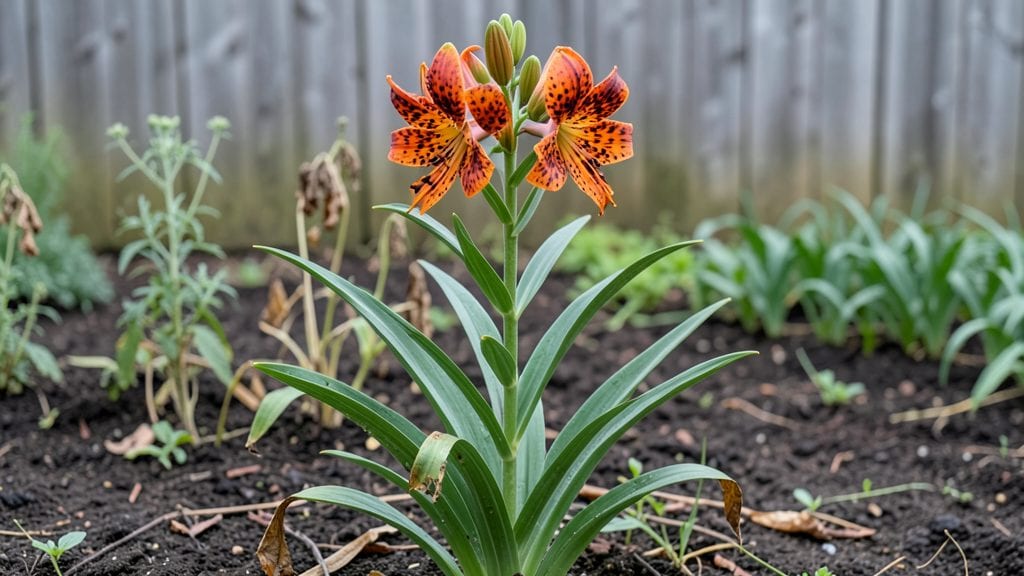
Growing these striking dragon lilies flowers in the Pacific Northwest means finally having those dragon-scaled blooms that thrive despite our damp, cool summers. ✨ These rare beauties—Rigden jeanii—aren’t your typical lilies; they’re tougher, more frost-resistant, and their petals look like something straight out of a fantasy novel.
The secret lies in mimicking their native conditions: well-draining soil, partial shade, and patience, because they reward you with blooms that last for weeks.
You’ll need just a few key things to get started: a spot with morning sun and afternoon shade (they hate scorching), soil that drains like a forest floor—think 60% organic matter, 40% gritty sand—and a little extra mulch to protect those rhizomes when winter rolls in.
Most gardeners overwater these, thinking they need constant moisture, but dragon lilies despise soggy feet. A deep soak every 7-10 days keeps them happy without drowning their delicate roots.
What you’ll end up with is a garden centerpiece that turns heads—petals with deep burgundy scales, nodding like dragon wings, and a fragrance that lingers in the evening air. They bloom later than most lilies, often in July, when many other flowers have already faded.
The best part? They multiply over time, creating natural clumps that spread slowly but surely, giving you more blooms each year without any work.
Here’s where it gets interesting—they’re often confused with daylilies or other Lilium hybrids, but true dragon lilies have that unmistakable dragon-scale texture and a sturdier stem.
If you’re in zones 5-8, these are the only lilies that won’t bolt or flop in our unpredictable summers. Ready to grow something truly unique?
📚 In This Guide
- What you need
- Instructions
- Tips and common mistakes
- Wrapping up and next steps
What you need
- ● Dragon Lily Bulbs: 10–20 Lilium bulbs (species like Lilium martagon or Lilium superbum for frost resistance). Choose USDA Zones 3–8 hardy varieties.
- ● Well-Draining Soil: 6–8 cubic feet of garden soil amended with compost (50% soil, 50% compost).
- ○ Optional: Perlite or coarse sand (1 part per 5 parts soil) for extra drainage.
- ● Fertilizer: Balanced 10-10-10 fertilizer (2 tbsp per bulb at planting).
- ○ Slow-release bulb fertilizer (optional, apply in early spring).
- ● Tools: Trowel or bulb planter.
- ● Garden fork (for loosening soil).
- ● Watering can or hose with gentle spray nozzle.
- ○ Optional: Mulch (straw or shredded leaves, 2–3 inches) for winter protection.
- ● Location: Partial shade to full sun (morning sun + afternoon shade works best in PNW’s humid climate).
- ● Spacing: Plant bulbs 6–8 inches deep and 6–12 inches apart.
- ● Watering: Keep soil consistently moist but not soggy (1–1.5 inches of water per week).
- ● Timing: Planting: Fall (October–November) or early spring (March–April).
- ● Blooming: Mid-to-late summer (July–August).
- ● Note: Dragon lilies are toxic to pets—keep away from cats/dogs!
Step-by-Step instructions for planting and caring for dragon lilies in the Pacific Northwest
Here's how to grow these bold, frost-tolerant beauties that thrive in our cool, damp climate.
🌱 Step 1: Select the Right Location and Prepare the Soil
Dragon lilies love partial shade to full sun, but in the Pacific Northwest, I recommend morning sun with afternoon shade to prevent leaf scorch. They tolerate damp soil better than most, so avoid soggy spots—water should drain within 24 hours. Amend heavy clay soil with 2-3 inches of compost to improve drainage and fertility.
Test your spot by digging down 6 inches—if water pools, raise the planting area with a mound or amend with sand or perlite. Dragon lilies spread aggressively, so give them 3-4 feet of space between clumps. I mark planting spots with stakes to remember where I've planted, since new shoots can look like weeds at first.
🪴 Step 2: Plant Rhizomes at the Correct Depth and Spacing
Plant rhizomes (not bulbs) in early spring after the last frost or in fall before ground freezes. Dig a hole 2 inches deep, just enough to cover the rhizome with 1 inch of soil. Planting too deep suffocates the rhizome, while too shallow exposes it to cold damage.
Space rhizomes 12-18 inches apart—they multiply fast, and crowding leads to smaller blooms. I plant 4 rhizomes per square yard to create a dramatic, naturalized look. Water deeply after planting to settle the soil and encourage root growth. Avoid fertilizing at planting time; dragon lilies prefer lean soil and will thrive with compost worked in annually instead.
☀️ Step 3: Water and Mulch for Frost Protection
Keep soil evenly moist but not soggy for the first 4-6 weeks after planting. Dragon lilies are drought-tolerant once established, but young plants need consistent moisture. Water deeply once a week during dry spells, aiming for 1 inch of water per week. You'll know you're doing it right when the soil feels damp 2 inches down but not waterlogged.
In fall, apply a 3-inch layer of mulch (straw or shredded leaves) to protect rhizomes from freezing. I top-dress with pine needles in winter—they insulate well and acidify the soil slightly, which dragon lilies appreciate. Remove mulch in early spring to prevent rot and allow the soil to warm.
✂️ Step 4: Divide and Maintain for Long-Term Health
Divide clumps every 3-4 years in early spring to prevent overcrowding. Dig up the rhizomes, separate sections with 3-4 shoots each, and replant immediately. This keeps blooms large and vibrant. I divide mine in March when new shoots are 2-3 inches tall—easy to spot and handle.
Deadhead spent blooms to encourage more flowers, but leave the seed pods if you want volunteer plants—dragon lilies self-seed readily. Fertilize lightly in early spring with a balanced 10-10-10 fertilizer if your soil is poor. Too much nitrogen makes them grow leaves instead of flowers, and dragon lilies are all about those dramatic blooms!
⏰ Step 5: Enjoy Frost-Resistant Blooms and Plan for Next Season
Dragon lilies bloom in late summer to early fall, often when other perennials are fading. Their striking colors contrast beautifully with ferns, hostas, and asters. Take photos of your first-year blooms—they’ll help you remember where to divide or add more next spring.
In late fall, cut back foliage to 3 inches tall but leave it in place over winter. The dead leaves protect the rhizomes from temperature swings. I jot down notes each year—like how much they spread or which colors stood out—to refine my planting plan. With minimal care, these tough beauties will reward you for years!
Tips & tricks for perfect dragon lilies in the Pacific Northwest
The secret to thriving dragon lilies lies in understanding their unique needs—especially in our cool, damp climate. Here are my go-to tips to help you get it right the first time.
Soil Drainage is Everything: In Step 1, when you're testing your spot by digging down 6 inches, pay special attention to how water behaves. If it pools after 24 hours, you're dealing with a drainage issue. I've found that mixing in sand or perlite with the 2-3 inches of compost creates the perfect balance—damp enough to support their moisture-loving nature, but never soggy. The goal is a sponge-like texture that holds moisture near the roots while allowing excess to drain away.
Timing Your Planting: For Step 2, I can't stress enough how critical the timing is. Planting in early spring after the last frost gives rhizomes time to establish before summer heat, while fall planting before ground freezes prevents winter damage. I've learned the hard way—planting too early in fall can leave rhizomes vulnerable to cold snaps. Check your local frost dates and mark those windows on your calendar.
Mulching Like a Pro: The 3-inch layer of mulch in Step 3 isn't just for show—it's winter protection gold. I've found that pine needles work especially well in our region because they acidify the soil slightly, which dragon lilies love. Apply it after the first frost when soil temps drop below 40°F. And here's my secret: I always leave a small gap around the stems to prevent rot while still insulating the rhizomes.
Dividing Strategy: When you're ready to divide those clumps every 3-4 years in Step 4, aim for sections with 3-4 shoots each. I've noticed that smaller divisions establish faster than larger ones, and they produce bigger blooms sooner. After dividing, I give the fresh rhizomes a good soak in water for 10 minutes before replanting—this jumpstarts root growth and reduces transplant shock.
Pro Tips for Dragon Lilies Flowers
- The secret to thriving dragon lilies lies in understanding their unique needs—especially in our cool, damp climate.
- Soil Drainage is Everything: In Step 1, when you're testing your spot by digging down 6 inches, pay special attention to how water behaves.
- Timing Your Planting: For Step 2, I can't stress enough how critical the timing is.
Frequently asked questions
Got questions about growing dragon lilies in the Pacific Northwest? You’re not alone!
Here are some of the most common queries—plus expert answers to help you cultivate these stunning blooms with confidence.
Are dragon lilies really frost-resistant?
Native to the Pacific Northwest, dragon lilies (Lilium columbianum) thrive in USDA zones 3–8 and handle light frost. Their rhizomes (underground stems) act like built-in insulation, protecting them from winter chills. Just mulch lightly in harsh winters for extra coziness.
When is the best time to plant dragon lilies?
Plant them in early spring (March–April) or early fall (September–October) for optimal root establishment. Avoid late summer heat, which can stress young plants. If planting in containers, use well-draining soil and keep them in partial shade until established.
How often should I water dragon lilies?
Water deeply 1–2 times per week during the first growing season to encourage strong rhizomes. Once established, they’re drought-tolerant but appreciate moisture during blooming season (late summer). Let the soil dry slightly between waterings to prevent rot.
What pests or diseases should I watch for?
Dragon lilies are generally low-maintenance, but keep an eye out for lily beetles (red/orange pests) or aphids. Treat infestations early with neem oil or insecticidal soap. Fungal issues like botrytis (gray mold) can occur in humid conditions—improve airflow and avoid overhead watering.
Can I grow dragon lilies in containers?
Yes! Use a 12-inch-deep pot with drainage holes and a mix of potting soil and perlite. Choose a spot with morning sun and afternoon shade to prevent wilting. Repot every 2–3 years to refresh the soil. Pro tip: Add a slow-release fertilizer in spring for extra vigor!
Wrapping up and next steps
Dragon lilies are a stunning, low-maintenance addition to any Pacific Northwest garden—especially when you know their frost-resistant secrets! 🌿 With the right soil, sunlight, and a little patience, you’ll enjoy their bold blooms for years.
Whether you’re a beginner or a seasoned gardener, these hardy beauties reward effort with vibrant color and resilience.
Ready to transform your garden? Start by choosing your spot—then dig in! Grab your gloves, and let the magic of dragon lilies unfold. Happy planting! 🌸