Flowers
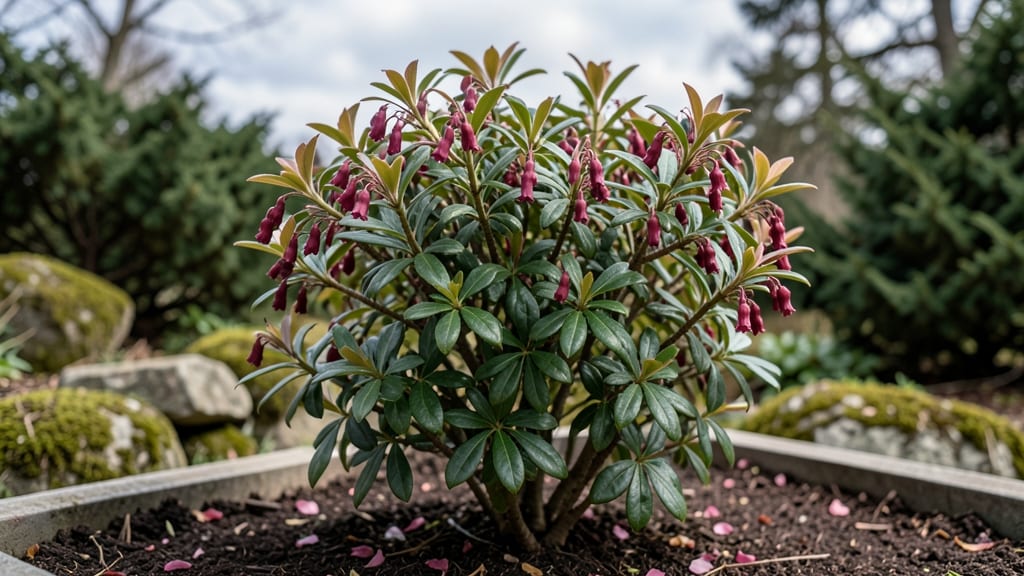
That evergreen bush with red flowers could be the bold statement your Pacific Northwest garden needs—year-round structure with a punch of color when pollinators are most active. 🌿 I’ve designed entire borders around these plants because they deliver four-season interest without fuss, and their nectar-rich blooms keep bees buzzing from spring through fall.
The best candidates thrive in our damp, mild climate: Oregon grape with its holly-like leaves and berries, red flowering currant with clusters of salmon-pink flowers, or dwarf ninebark for a smaller-scale pop of color.
Plant them where they’ll get morning sun and afternoon shade, near pathways or as a low hedge—just 3-5 feet tall, but packed with personality.
What you’ll love most is how they transform a space—imagine a cottage garden edge ablaze with red, or a modern landscape softened by their glossy foliage. Pair them with shrubby asters for late-season color or salmon berry for a native understory.
They’re the workhorses of pollinator gardens, too, keeping bees and hummingbirds visiting long after other flowers fade.
No deadheading needed, minimal pruning required—just water in the first year and watch them establish. Whether you’re filling a shady corner or creating a pollinator highway, these bushes deliver effortless drama with minimal upkeep. Let’s talk placement and pairings next!
📚 In This Guide
- What you need
- Instructions
- Tips and common mistakes
- Wrapping up and next steps
What you need
- ● 1-3 healthy nursery-grown plants (3-5 ft tall, depending on desired size; check for vibrant red flowers or buds)
- ● Well-draining, acidic soil mix (pH 4.5–6.0): 50% peat moss or coconut coir
- ● 30% pine bark fines
- ● 20% perlite or sand
- ● Organic mulch (3–4 inches): pine needles, cedar chips, or shredded bark
- ● Slow-release fertilizer (10-10-10 or acid-loving plant formula; 1 lb per plant)
- ● Watering can or hose with a gentle spray nozzle (1–2 gallons per watering)
- ● Garden gloves (to protect from thorns or soil)
- ● Trowel or shovel (for planting/transplanting)
- ● Pruning shears (sterilized; for shaping or deadheading)
- ○ pH testing kit (optional but helpful for soil checks)
- ○ Drip irrigation system or soaker hose (optional, for consistent moisture)
- ● Sunlight access: Partial shade to full shade (4–6 hours of dappled light daily)
- ● Space: 3–6 ft wide and tall (varies by species)
- ● Patience: 2–3 years for full blooms (some varieties flower earlier!)
Step-by-step planting guide for Pacific Northwest pollinator bushes
Here's how to establish a thriving evergreen shrub with vibrant red blooms that will attract bees, hummingbirds, and butterflies all season long.
🌱 Step 1: Select the Right Location and Soil
Choose a site with morning sun and afternoon shade—this mimics the dappled light of Pacific Northwest forests and prevents leaf scorch. My favorite spot gets 4-6 hours of filtered sunlight daily, with protection from harsh afternoon rays. Test your soil first: these pollinator powerhouses thrive in acidic to neutral pH (5.5-6.5) with excellent drainage.
If your soil is heavy clay, amend with 3-4 inches of organic compost mixed into the top 12 inches of soil. I always dig a 12-inch-deep hole twice as wide as the root ball—this gives roots room to establish without competition. A 5-gallon shrub needs about 3 cubic feet of prepared soil.
🪴 Step 2: Plant at the Correct Depth and Water Thoroughly
Position the shrub so the top of the root ball sits 1 inch above ground level—this prevents crown rot while allowing roots to expand downward. Backfill with native soil mixed with 1 part compost to encourage mycorrhizal fungi growth. Gently firm the soil around the roots, working from the outside in to eliminate air pockets.
Water immediately with 1 gallon of water per gallon of container size. For a 5-gallon shrub, that's 5 gallons total, applied slowly to settle the soil. I always add a 2-inch layer of wood chips around the base to retain moisture and suppress weeds. Keep the soil consistently moist (not soggy) for the first 6-8 weeks.
☀️ Step 3: Provide Seasonal Care for Year-Round Blooms
In spring, apply a 2-inch layer of compost around the drip line (not touching the trunk) to replenish nutrients. These shrubs bloom on new wood, so prune lightly in late winter to shape the plant and remove dead growth. I never cut into old wood—this encourages dense foliage and more flowers.
During summer, water deeply 1-2 times per week—check by sticking your finger 2 inches into the soil. If it feels dry, water until moisture reaches 6 inches deep. In fall, reduce watering slightly and apply a ¼ cup of balanced fertilizer (10-10-10) to support winter hardiness.
🐝 Step 4: Maintain for Maximum Pollinator Impact
Leave spent flowers on the plant—many pollinators rely on seed heads for late-season food. I notice the most activity when I avoid pruning until after blooms fade in late summer. Mulch annually in early spring with 3 inches of shredded bark to protect roots and maintain soil moisture.
Watch for aphids on new growth—spray with neem oil if you see sticky residue on leaves. I've found these shrubs are remarkably disease-resistant when planted in well-draining soil, but overwatering is the quickest way to invite root rot. A healthy plant will produce bright red flowers from late spring through early fall.
Tips & tricks for perfect Pacific Northwest pollinator bushes
These tried-and-true strategies will help you create a thriving habitat that attracts pollinators while ensuring your evergreen bush flourishes for years to come.
Lighting Secret: The 4-6 hours of filtered sunlight is non-negotiable for these native shrubs. I've found that positioning near a north-facing window or under deciduous trees provides the perfect balance. If your site gets harsh afternoon sun, consider using a light shade cloth during peak hours—this prevents leaf scorch while still allowing enough light for photosynthesis. The key is mimicking the dappled light of native forests.
Soil Preparation Strategy: When amending heavy clay soil, I recommend mixing in 3-4 inches of organic compost with 1 part perlite to improve drainage while maintaining moisture. This creates the ideal airy, well-draining medium these shrubs crave. For a 5-gallon shrub, remember that 3 cubic feet of prepared soil means you're creating a spacious root zone that prevents future transplant shock.
Watering Wisdom: That initial 5 gallons of water for a 5-gallon shrub should be applied slowly over 15-20 minutes to allow proper soil settling. After the first 6-8 weeks, you can gradually reduce to 1-2 deep waterings per week—always checking soil moisture to 6 inches deep. I've seen many gardeners overwater, which leads to root rot, so let the top 2 inches dry out between waterings once established.
Pruning Precision: Since these shrubs bloom on new wood, timing is everything. Your late winter pruning should remove only dead growth and shape the plant—never cut into old wood. I recommend using clean, sharp pruners and making cuts just above a leaf bud or lateral branch. This encourages dense foliage and more abundant flowers while maintaining the plant's natural shape.
Pro Tips for Evergreen Bush With Red Flowers
- These tried-and-true strategies will help you create a thriving habitat that attracts pollinators while ensuring your...
- Lighting Secret: The 4-6 hours of filtered sunlight is non-negotiable for these native shrubs. I've found that positi...
- Soil Preparation Strategy: When amending heavy clay soil, I recommend mixing in 3-4 inches of organic compost with 1 ...
Frequently asked questions
Got questions about growing and caring for an evergreen bush with red flowers in the Pacific Northwest? You’re in the right place! Here are some of the most common queries—and their answers—to help you cultivate a thriving pollinator magnet.
What’s the best evergreen bush with red flowers for the Pacific Northwest?
The Pacific Dogwood (Cornus nuttallii) is a top pick—its stunning red bracts bloom in spring, and it thrives in PNW’s mild, wet climate. For year-round color, consider Oregon Grape (Mahonia aquifolium), which offers red flowers in winter and glossy evergreen leaves. Both attract bees, butterflies, and hummingbirds!
When do these bushes bloom, and how long do the flowers last?
Blooming times vary:
- Pacific Dogwood: Late spring (May–June), with flowers lasting 3–4 weeks.
- Oregon Grape: Winter to early spring (February–April), often reblooming lightly in fall.
- Salal (Gaultheria shallon): Late spring (May–June), with clusters lasting 4–6 weeks.
For extended interest, plant a mix of species to stagger your garden’s floral display!
How do I protect these bushes from PNW’s rain and wind?
PNW’s damp conditions are ideal for evergreens, but wind can stress young plants. Mulch heavily (3–4 inches of wood chips) to retain moisture and protect roots. Stake tall varieties like dogwood in their first year, and choose wind-resistant locations (e.g., near fences or hedges). Prune in late winter to encourage sturdy growth.
Are there any pests or diseases I should watch for?
Common issues include:
- Root rot: Overwatering or poor drainage? Ensure well-draining soil and avoid soggy spots.
- Spider mites: Dry conditions can attract them—spray affected leaves with water or use neem oil.
- Fungal spots: Remove infected leaves promptly and improve air circulation.
Healthy soil (rich in compost) and regular checks keep pests at bay!
Can I grow these bushes in containers? What’s the best setup?
Yes! Dwarf varieties like ‘Compacta’ Oregon Grape or ‘Strawberry Licorice’ salal thrive in containers (15+ gallon pots). Use a fast-draining mix (50% potting soil, 30% perlite, 20% compost), and repot every 2–3 years. Place containers in partial shade and water when the top inch of soil is dry.
Pro Tip: Deadhead spent blooms on dogwood to encourage a second flush of flowers, and fertilize lightly in early spring with a balanced, slow-release fertilizer (10-10-10) for vibrant growth.
Wrapping up and next steps
Adding an evergreen bush with red flowers to your Pacific Northwest garden isn’t just about beauty—it’s a game-changer for local pollinators! These hardy plants thrive in your climate, offer year-round interest, and support bees, butterflies, and birds.
Whether you’re a seasoned gardener or just starting, this is your chance to make a real difference in your ecosystem.
Ready to take the next step? Pick your favorite variety—like Rhododendron or Viburnum—and plant it this season. Your garden (and the pollinators!) will thank you. 🌸🐝