
Planting
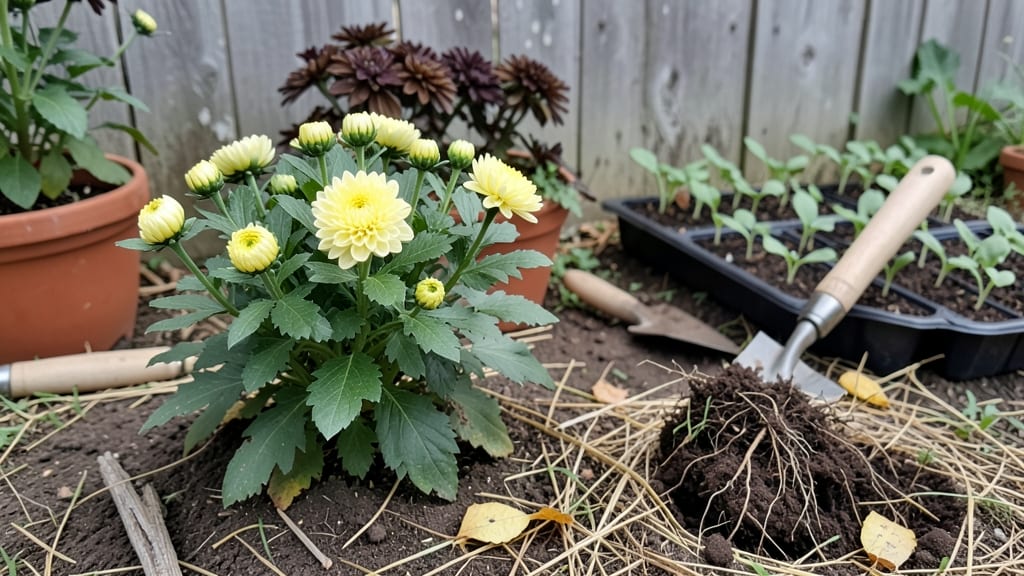
This fall flower planting guide reveals how to turn your Pacific Northwest garden into a vibrant spring showstopper—while avoiding the summer heat and drought stress that plague spring plantings. ✨ I’ve learned the hard way that timing is everything: too early and frost catches them; too late and roots don’t establish before winter.
The key is working with your region’s 6-8 week window between first frost and ground freeze, typically late September through early November.
Start with cool-season champions like pansies, sweet peas, and snapdragons, which thrive in the PNW’s mild autumns. Add hardy perennials like asters and sedum for year-after-year color.
The soil stays workable longer than you’d expect—just test it first: if it’s still warm enough to dig, it’s ready for bulbs and roots. A 3-inch layer of mulch after planting keeps moisture in and weeds out, which is especially critical during our rainy winters.
What you’ll end up with is a garden that blooms earlier and stays lush longer, beating neighbors who plant in spring. The secret isn’t just the varieties—it’s the layered approach: bulbs for spring, biennials for next summer, and perennials that come back year after year.
Even in our cloudy skies, the right choices will give you bold colors from February through October.
This method works whether you’re filling containers on a patio or transforming a whole yard—just adjust watering for exposed spots. The biggest mistake? Skipping soil prep or rushing the planting window. Let’s get those roots settled before winter sets in for good.
📚 In This Guide
- What you need
- Instructions
- Tips and common mistakes
- Wrapping up and next steps
What you need
- ● Flower bulbs/seeds: Choose PNW-friendly varieties like tulips, daffodils, crocuses, hellebores, or fall-blooming perennials (e.g., sedum, asters). Buy 10–20 bulbs per variety for a vibrant display.
- ● High-quality potting soil: 5–10 gallons (look for organic, well-draining mix with compost).
- ● Mulch: 2–3 inches of pine straw, shredded bark, or straw mulch to insulate roots.
- ● Fertilizer: Slow-release bulb fertilizer (e.g., 10-10-10 or 5-10-10) or composted manure.
- ● Water: Gallon jug or hose with a gentle spray nozzle.
- ● Hand trowel (for precise planting).
- ○ Garden fork or bulb planter (optional but helpful for larger bulbs).
- ● Measuring tape or ruler (to check planting depth).
- ● Gloves (to protect hands from soil and sharp bulb edges).
- ● Pruners (for trimming dead foliage post-planting).
- ● Sunlight assessment: Confirm your planting area gets at least 4–6 hours of sunlight daily (PNW’s shorter days matter!).
- ● Soil test: Aim for pH 6.0–7.0. Amend clay-heavy soil with compost or sand if needed.
- ● Frost dates: Know your first frost date (typically October–November in PNW) to time planting.
- ● Watering schedule: Plan for deep watering 1–2 times per week after planting (adjust for rain).
- ● Epsom salt (for magnesium boost in nutrient-poor soil).
- ● Mulch rings or landscape fabric (to keep mulch in place).
- ● Plant labels (to track varieties and planting dates).
- ● Rain gauge (to monitor watering needs in PNW’s wet climate).
Instructions for fall flower planting in the Pacific Northwest
Here's how to time your fall plantings perfectly for vibrant spring blooms.
🌱 Step 1: Choose the Right Fall-Blooming and Spring-Flowering Varieties
For the Pacific Northwest's mild, wet winters, focus on hardy annuals and perennials that thrive with fall planting. I always include pansies (they bloom through winter), snapdragons (tolerate light frost), and calamans (tough as nails). Check your zone—most PNW gardeners are in 7-9, so avoid tender tropicals like impatiens.
Look for seed packets labeled "fall planting" or "cool-season." These varieties are bred to germinate in 50-60°F soil and establish roots before winter dormancy. I skip marigolds—they need warmer soil to sprout reliably in fall.
🌿 Step 2: Prepare Soil and Planting Beds
Work the soil when it's cool but workable—usually after the first 45°F morning but before hard frosts. Amend with 2-3 inches of compost and a balanced 10-10-10 fertilizer at 1 pound per 100 square feet. The PNW's heavy clay benefits from organic matter to prevent compaction.
Rake the surface smooth to create a fine seedbed. For larger plants, dig holes twice as wide as the root ball but only as deep—planting too deep suffocates roots. Water the holes deeply before inserting plants to eliminate air pockets.
⏰ Step 3: Time Planting for Optimal Establishment
In the PNW, aim to plant 6-8 weeks before your first hard frost (usually early October). This gives seedlings time to develop strong roots before winter slows growth. For direct-sown seeds, plant 4-6 weeks before frost—they need 6-8 weeks to mature before cold sets in.
Watch your local forecast—if a 28°F freeze is predicted, cover tender seedlings with frost cloth or straw mulch. I always mark planting dates on my calendar so I don't miss the window. Late plantings may not bloom until next summer.
💧 Step 4: Water and Mulch for Winter Protection
Water newly planted flowers deeply immediately after planting, then once weekly unless rain provides 1 inch or more. The PNW's winter rains often handle this, but containers need regular checks. Avoid overhead watering before dark—wet foliage invites fungal diseases.
Apply 2-3 inches of straw mulch around plants (not touching stems) to insulate roots. This prevents heaving when soil freezes and thaws. I use untreated straw because it breaks down slowly, adding organic matter. In exposed areas, add a 6-inch layer of leaves for extra insulation.
☀️ Step 5: Monitor and Adjust for Spring Growth
Check plants in late winter for signs of life—new growth means they're ready for light fertilization with half-strength 10-10-10. Remove any dead foliage but leave last year's stems on perennials—they protect emerging buds from cold snaps.
If spring arrives and you see leggy, pale growth, your plants need more light. Thin crowded seedlings to 6-12 inches apart (depending on variety) to prevent competition. In the PNW, early spring often brings cloudy skies, so supplemental light may help container-grown flowers.
Tips & tricks for perfect fall flower planting in the Pacific Northwest
A few key strategies will help you avoid common mistakes and get the most vibrant blooms next spring.
Soil Temperature Timing: Use a soil thermometer to confirm your soil has reached 50-60°F before planting—this is the sweet spot for cool-season varieties to germinate reliably. I've learned the hard way that planting too early when soil is still cold (below 45°F) can delay growth or even kill tender seedlings. Check temperatures in the morning when soil is coolest.
Frost Protection Strategy: When a 28°F freeze is forecasted, cover seedlings with frost cloth or straw mulch the night before. I've found that simply covering plants after the freeze hits often isn't enough—the damage is already done. Start protecting them when temperatures drop below 32°F to give your flowers the best chance.
Planting Depth Visual: For larger plants, think of the root ball like a pancake—it should sit at the same level it was in the nursery pot. Pressing the soil down too much or planting too deep (below the root flare) suffocates roots. A good trick is to draw a line on the pot at planting depth before removing it from the container.
Winter Watering Hack: In the PNW's rainy winters, most plants don't need supplemental watering—just check containers weekly. For in-ground plants, I water only when the top inch of soil feels dry. The key is to avoid soggy soil, which can rot roots. A simple finger test works perfectly to gauge moisture levels.
Pro Tips for Fall Flower Planting Guide
- A few key strategies will help you avoid common mistakes and get the most vibrant blooms next spring.
- Soil Temperature Timing: Use a soil thermometer to confirm your soil has reached 50-60°F before planting—this is the sweet spot for cool-season varieties to germinate reliably.
- Frost Protection Strategy: When a 28°F freeze is forecasted, cover seedlings with frost cloth or straw mulch the night before.
Frequently asked questions
Got questions about planting flowers in the Pacific Northwest this fall?
You’re not alone! Here are answers to the most common concerns to help you garden with confidence.
When is the exact best time to plant fall flowers in the PNW?
The ideal window is late August through mid-October, depending on your microclimate. In coastal areas (like Seattle or Portland), aim for early September to avoid early frosts. Inland regions (like Spokane) can extend planting until late October. Check your USDA Hardiness Zone for precision!
Can I still plant flowers if frost is forecasted?
Yes, but choose cold-hardy varieties like pansies, sweet peas, or calendula. Plant at least 2–3 weeks before the first frost, and mulch lightly to protect roots. Avoid tender annuals (e.g., marigolds) unless you’re using row covers. Pro tip: Water deeply before frost—hydrated soil insulates roots better!
What’s the easiest low-maintenance fall flower for beginners?
Start with pansies or snapdragons—they thrive in cool weather, bloom prolifically, and resist pests. For perennials, try aster or sedum; both need minimal care and return yearly. Bonus: Deadhead spent blooms to encourage more flowers!
Can I replant spring bulbs in fall for a fall display?
Not all bulbs work for fall! Try crocuses, daffodils, or alliums—they naturalize well and bloom in late fall/winter. Avoid tulips or hyacinths (they’re spring-only). Plant bulbs 6–8 weeks before ground freezes for best results. Warning: Avoid planting spring bulbs too early—they may sprout and get damaged by frost.
How do I keep pests (like slugs) away from my fall garden?
Slugs love damp fall soil! Use copper tape barriers, diatomaceous earth, or plant slug-resistant flowers like lobelia or snapdragons. Handpick pests at dawn when they’re sluggish. Prevention tip: Water in the morning to reduce humidity—slugs hate dry conditions!
What if I miss the fall planting window? Can I still plant?
Yes! Late fall (November) is fine for bare-root plants (like roses or shrubs) or winter-hardy perennials. For annuals, wait until spring. Key rule: Stop planting 4–6 weeks before the ground freezes to allow roots to establish.
Wrapping up and next steps
Planting flowers in the Pacific Northwest’s crisp fall air isn’t just rewarding—it’s a chance to transform your garden into a vibrant oasis as winter approaches! 🌿 From mums and heucheras to hardy bulbs, the right timing and varieties ensure your garden thrives even in cooler weather.
Remember: soil prep, seasonal spacing, and local climate awareness are your best tools for success.
Ready to roll up your sleeves? Start small—pick one or two varieties this season, then expand next year! Whether you’re a beginner or a seasoned gardener, every seed and bulb planted now is a step toward a blooming future. Happy planting! 🌸