
Flowers
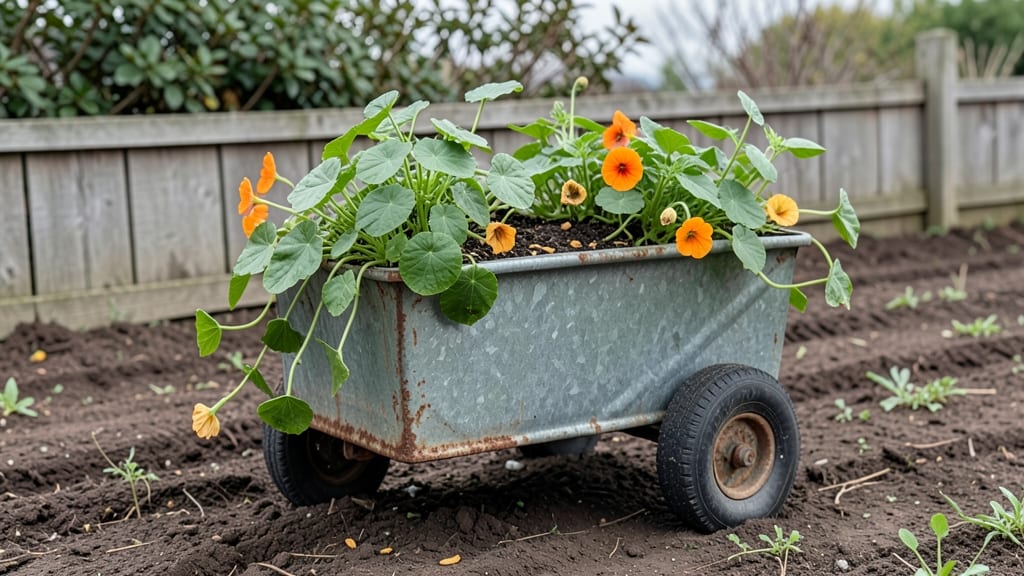
A flower box on wheels lets you chase the sun—and the compliments—without digging a single hole. 🌸 I first spotted mine at a neighborhood yard sale, and it changed how I garden.
No more guessing where to place delicate flowers; just roll them to the sunniest spot every morning and watch them thrive.
The magic is in the mobility. You can tuck it against a fence for winter protection, wheel it to a party for instant centerpieces, or even move it to shade when summer heats up.
Best of all, it works on patios, balconies, or even gravel driveways—no permanent garden bed required. Just add wheels, soil, and sun-loving plants.
Imagine vibrant blooms that stay picture-perfect all season because you control their environment. Petunias spill over the edges, geraniums blush in the afternoon light, and you’ll harvest cut flowers daily. The only hard part? Deciding which spot to park it next.
Works for small spaces, rental properties, or anyone who loves to rearrange their outdoor decor. Let’s get yours rolling—and blooming—today.
📚 In This Guide
- What you need
- Instructions
- Tips and common mistakes
- Wrapping up and next steps
What you need
- ● Wooden crate or planter box: Choose a sturdy, weather-resistant material like cedar, redwood, or treated pine. Dimensions should be at least 24" (L) x 12" (W) x 12" (H) for a standard-sized mobile planter.
- ● Wheels: 2–4 4"–6" castor wheels (with brakes for stability) or swivel wheels for easy maneuvering. Ensure they’re rated for outdoor use.
- ● Potting soil: 1–2 cubic feet of high-quality, well-draining potting mix (avoid garden soil—it’s too heavy!).
- ● Drainage solution: Drill bits (for creating drainage holes)
- ● Plastic mesh or landscape fabric (to cover holes)
- ● Fasteners: 3"–4" deck screws or galvanized nails for assembling the crate and attaching wheels.
- ○ Paint or stain: Outdoor-rated paint/stain (optional but recommended for longevity).
- ● Flower seeds/seedlings: Choose sun-loving annuals or perennials like petunias, geraniums, or marigolds (check your USDA hardiness zone!).
- ● Drill or power drill (with hole saw attachment for wheels)
- ● Screwdriver or impact driver
- ● Measuring tape
- ● Pencil (for marking)
- ● Sandpaper (80–120 grit, for smoothing edges)
- ● Paintbrush or roller (if staining/painting)
- ● Gloves and safety glasses (for protection)
- ● Handle: A D-shaped or loop handle for easier pulling.
- ● LED solar lights: Battery-powered lights to illuminate your mobile garden at night.
- ● Self-watering system: A wicking bed kit or drip irrigation line for low-maintenance hydration.
- ● Decorative trim: Copper flashing, lattice, or rope accents for a polished look.
- ● Weighted base: A concrete block or metal plate to prevent tipping in windy conditions.
Step-by-step instructions for building a mobile flower box
Here's how to create a sun-tracking flower box that keeps your plants thriving all season long.
🪴 Step 1: Select and Prepare Your Base Structure
Choose a sturdy wooden planter box with a flat bottom and 4-inch wheels attached to the underside. I prefer cedar because it resists rot and insects naturally. Make sure the box is at least 12 inches deep—shallow boxes dry out too quickly. Sand all edges smooth to prevent splinters and ensure the wheels roll freely.
Line the bottom with landscape fabric to prevent soil from falling through any gaps. Cut a hole in the fabric for drainage, then place a plastic nursery pot upside-down in the center to create a reservoir for excess water. This keeps roots from sitting in soggy conditions while still allowing drainage.
🌱 Step 2: Fill with Drainage and Soil Mix
Add a 2-inch layer of gravel or pebbles over the fabric to improve drainage. This layer prevents soil compaction and ensures water flows out freely. Next, fill the box halfway with a mix of 60% potting soil and 40% perlite or vermiculite. This lightweight blend stays aerated and drains well, which is critical for container plants.
I like to add a slow-release balanced fertilizer (10-10-10) mixed into the soil at this stage. The granules release nutrients gradually, so you won’t need to fertilize again for at least 8-10 weeks. Press the soil down gently but don’t compact it—you want it loose enough for roots to spread easily.
☀️ Step 3: Plant Sun-Loving Annuals for Mobility
Select plants that thrive in full sun and can tolerate being moved occasionally. I recommend petunias, geraniums, or marigolds—they’re drought-tolerant once established and handle root disturbance well. Space plants 8-12 inches apart to allow airflow and prevent overcrowding as they grow.
Dig holes slightly deeper than the root balls and place each plant gently into the soil. Fill the holes with the remaining potting mix, pressing lightly around the base to eliminate air pockets. Water thoroughly after planting to help the soil settle and remove any air gaps. Avoid wetting the leaves to prevent fungal diseases.
⏰ Step 4: Position and Track the Sun
Place your mobile flower box in the sunniest spot in your yard, ideally where it receives at least 6 hours of direct sunlight. Every 2-3 days, move the box slightly to follow the sun’s path—west in the morning, south at noon, and east in the afternoon. This mimics natural sunlight and prevents leggy growth.
Watch for signs of stress like yellowing leaves or wilting, which usually indicate too much or too little light. If you notice plants leaning toward one side, they’re stretching toward the light. Adjust the box’s position gradually to avoid shocking the plants. A small flag or marker can help you track the box’s movement over time.
💧 Step 5: Maintain Water and Soil Health
Water deeply every 2-3 days, checking the soil with your finger to ensure the top 1-2 inches are dry before watering again. Mobile boxes dry out faster than in-ground planters because they’re exposed to more wind and sun. Use a watering can with a long spout to reach the center of the box without disturbing the plants.
Every 4-6 weeks, top off the soil with fresh potting mix to replace nutrients lost through watering. This also helps maintain the box’s appearance and prevents soil compaction. If you notice pests like aphids, spray the plants with a mix of water and mild dish soap to deter them naturally.
Tips & tricks for perfect mobile flower boxes
A few simple tricks will help your sun-tracking flower box thrive all season long.
Wheels and Weight Balance: When selecting your 4-inch wheels, opt for ones with ball bearings for smoother movement—this makes repositioning every 2-3 days much easier without straining. I also recommend adding small weights to the bottom corners of the box to prevent tipping, especially if you're using a deep 12-inch planter. This extra stability is particularly important if you live in windy areas or have children who might play near the garden.
Soil Mix Secrets: The 60% potting soil to 40% perlite or vermiculite ratio is key for preventing compaction in container plants. For even better results, add a handful of coconut coir to the mix—it helps retain moisture while still allowing excellent drainage. This blend is especially important because mobile boxes dry out faster than in-ground planters due to their exposure. Pro tip: Mix in a slow-release fertilizer like 10-10-10 at planting time to avoid frequent feeding for 8-10 weeks.
Sun Tracking Strategy: For easier repositioning, mark your yard with small flags or stakes to indicate morning, noon, and afternoon positions. This visual guide makes it simple to follow the sun's path without guesswork. I also recommend moving the box gradually—just a few inches each time—rather than making large jumps. Plants handle small adjustments better and won't show stress signs like yellowing leaves or wilting that indicate too much light exposure.
Watering Wisdom: The 2-3 day watering schedule assumes average summer conditions. In hotter climates or during heatwaves, you may need to water daily—always check the top 1-2 inches of soil first. For even distribution, use a watering wand with a long spout to reach the center of the box without disturbing plants. This is particularly important for sun-loving annuals like petunias and geraniums that thrive in full sun but need consistent moisture.
Pro Tips for Flower Box On Wheels
- A few simple tricks will help your sun-tracking flower box thrive all season long.
- Wheels and Weight Balance: When selecting your 4-inch wheels, opt for ones with ball bearings for smoother movement—this makes repositioning every 2-3 days much easier without straining.
- Soil Mix Secrets: The 60% potting soil to 40% perlite or vermiculite ratio is key for preventing compaction in container plants.
Frequently asked questions
Got questions about your new flower box on wheels? You’re not alone! Here are some of the most common queries—plus quick, practical answers to keep your mobile garden thriving.
How often should I move my flower box to follow the sun?
Move your flower box every 1–3 hours, depending on sunlight intensity and plant needs. Start with shorter intervals (like every 2 hours) in peak sun, then adjust based on wilting or leaf burn. Most plants thrive with 4–6 hours of direct sun daily—just observe their response and tweak as needed!
What’s the best way to water plants in a mobile flower box?
Use a self-watering system (like a drip tray or wicking bed) or a spray bottle for gentle hydration while moving. Avoid overwatering—check soil moisture daily and water early morning or evening to reduce evaporation. Pro tip: Add a moisture meter to track levels without guessing!
Can I use regular potting soil, or do I need something special?
Regular potting soil works, but mix in 20% perlite or vermiculite for drainage and aeration. For heavy movers, consider a lightweight, fast-draining blend (like cactus mix) to prevent root rot. Avoid garden soil—it compacts and suffocates roots when mobile!
Why are my plants wilting even after moving them?
Wilting can mean overwatering, underwatering, or shock from sudden moves. First, check soil moisture—fingers should feel damp but not soggy. If roots are exposed, add mulch or adjust your moving schedule. Slow acclimation (gradual sun exposure) helps too!
Are there cheaper alternatives to a custom-built flower box on wheels?
Yes! Repurpose a rolling plant stand, dolly, or even a wagon with added trays. Thrift stores often have lightweight carts for $10–$20. For DIYers, IKEA Kallax shelves on casters or pallet wood + wheels work great. Just ensure stability—wobbly bases can stress plants!
How do I protect my mobile garden in extreme heat or cold?
For heat: Move to shade, use shade cloth, and water deeply at dawn. For cold: Roll indoors or cover with frost blankets. Avoid sudden temp swings—acclimate plants gradually to outdoor conditions. Hardy annuals (like marigolds) handle mobility best in mild climates.
Wrapping up and next steps
Transforming your space with a flower box on wheels isn’t just about aesthetics—it’s a dynamic way to bring nature’s beauty wherever you need it! Whether you’re chasing sunlight for optimal growth or simply adding charm to patios, balconies, or events, this mobile garden is a game-changer. 🌿✨
Ready to bloom with confidence? Start small—grab your materials, follow the steps, and let your creativity (and plants!) roll. Need inspiration? Sketch a design, experiment with layouts, or even turn it into a DIY project with friends. The only limit is your imagination!
Next step: Pick your first plants and head back to the materials list—your sun-tracking garden awaits! 🌞🚀