Flowers
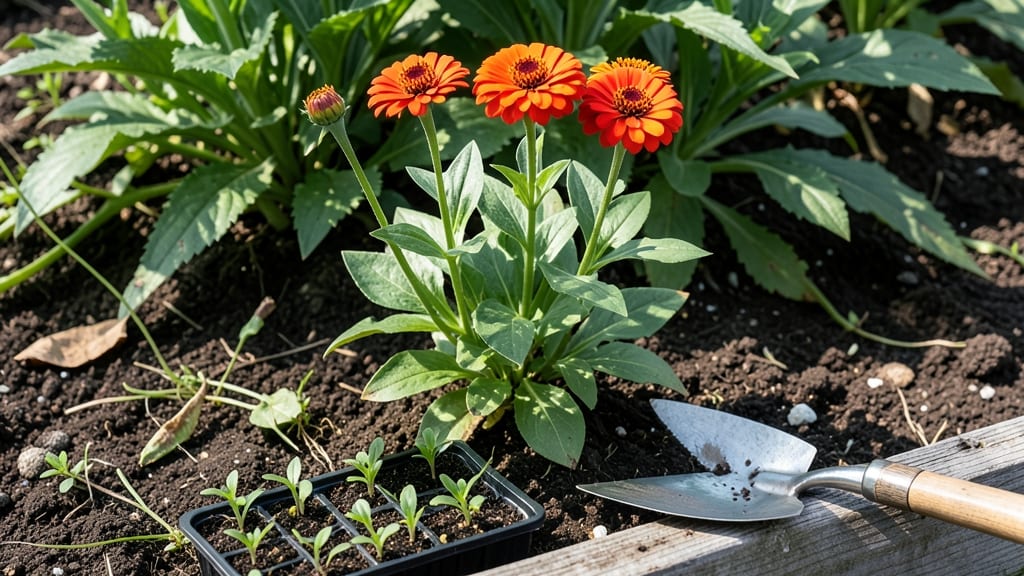
Flower gardening for beginners starts with the right flowers and a little patience. 🌸 I’ve turned my shady corner into a riot of color using just five easy annuals—no fancy skills required. The key is matching plants to sunlight, soil, and your watering habits, not your dream garden Pinterest board.
You’ll need basic tools—a trowel, gloves, and a watering can—and a spot that gets at least 6 hours of sun (even morning light works). Start with self-seeding flowers like cosmos or hardy perennials like coneflowers—they bounce back every year.
My first garden cost less than $30 and bloomed in 8 weeks.
By summer’s end, you’ll have a patch of vibrant blooms that attract bees and butterflies. The best part? No deadheading, no wilting—just foolproof plants that thrive with minimal effort. Even my black thumb can’t kill these.
Works for balconies, borders, or containers—no yard needed. Let’s make your first garden season the easiest one yet.
📚 In This Guide
- What you need
- Instructions
- Tips and common mistakes
- Wrapping up and next steps
What you need
- ● Gardening gloves (1 pair) – Protect your hands from dirt and thorns.
- ● Trowel or hand shovel (1) – For digging and transplanting.
- ● Pruners or scissors (1 pair) – Sharp, clean cuts for trimming.
- ● Watering can or hose with spray nozzle (1) – Gentle watering is key!
- ● Potting soil or garden soil (5–10 lbs, depending on space) – Check for organic content.
- ● Containers or garden bed (1–5, depending on scale) – Pots (5–10" deep) or raised beds work great.
- ● Seeds or young plants (3–6 per pot/bed) – Choose beginner-friendly flowers like marigolds, sunflowers, or petunias.
- ● Fertilizer (balanced, 10-10-10 or organic) (small bag) – Boosts growth without overwhelming newbies.
- ● Mulch (shredded bark or straw) – Retains moisture and suppresses weeds.
- ● Stakes or trellis (for climbing flowers) – Keeps vines supported.
- ● Soil pH tester – Ensures your plants thrive in the right conditions.
- ● Decorative stones or pebbles – Adds a polished touch to your garden.
Instructions for stress-free flower gardening
Here's how to create a thriving flower garden without the guesswork—proven methods for consistent blooms.
🌱 Step 1: Select the Right Plant Placement
Start by choosing a location that gets at least 6 hours of sunlight daily—most flowering plants need this minimum. Observe your yard: south-facing spots get the most light, while north-facing areas stay shadier. I always test the site for 2 weeks before planting by placing a small plant there temporarily. If it thrives, you’ve found the perfect spot.
Group plants with similar sunlight needs together. For example, sun-lovers like marigolds and petunias belong in the brightest areas, while impatiens and coleus can handle partial shade. This simple step prevents leggy growth and weak blooms from light stress. Mark your zones with stakes to avoid confusion later.
🪴 Step 2: Prepare the Soil for Healthy Roots
Loosen the soil to a depth of 12 inches using a garden fork or tiller. This breaks up compacted layers so roots can spread easily. Amend the soil with 2-3 inches of compost—this boosts fertility without overwhelming plants. I like to mix in a slow-release fertilizer (like 10-10-10) at planting time for a steady nutrient supply.
Test your soil’s drainage by digging a hole, filling it with water, and timing how long it takes to drain. If water sits for more than 30 minutes, add sand or perlite to improve drainage. Well-draining soil prevents root rot, which is the #1 killer of new flower beds. A quick soil test kit (available at garden centers) can tell you if your soil needs extra phosphorus for blooming.
☀️ Step 3: Plant with Proper Spacing and Depth
Read the plant tags for spacing guidelines—crowding leads to competition for nutrients and air flow, which spreads disease. Dig holes twice as wide as the root ball but no deeper. The top of the root ball should sit just below soil level—burying the stem too deep suffocates the plant. Gently loosen the roots if they’re circling in the pot before placing them in the hole.
Water each plant deeply after planting to settle the soil and eliminate air pockets. Mulch around the base with 2-3 inches of organic mulch (like shredded bark) to retain moisture and suppress weeds. Keep mulch 2 inches away from stems to prevent rot. This step is critical for establishing strong roots before the first big watering.
💧 Step 4: Water Consistently Without Overdoing It
Water deeply 1-2 times per week rather than shallow daily sessions. The goal is to moisten the soil to 6 inches deep—this encourages roots to grow downward. Use a moisture meter or stick your finger in the soil: if the top 2 inches feel dry, it’s time to water. Early morning is the best time to water, as it reduces evaporation and fungal risks.
Watch for signs of overwatering: yellowing leaves, wilting despite moist soil, or mushrooms sprouting in the bed. If you see these, let the soil dry out slightly before watering again. Drip irrigation systems are ideal for flower beds—they deliver water slowly at the roots where it’s needed most. Avoid overhead sprinklers, which can spread disease and waste water.
✂️ Step 5: Deadhead and Maintain for Continuous Blooms
Pinch off spent blooms regularly to encourage more flowers. This simple task redirects the plant’s energy from seed production to creating new buds. I deadhead every 2-3 days during peak bloom season—it takes just a few minutes per plant. Use clean pruners or your fingers to avoid damaging stems. For annuals like zinnias and cosmos, deadheading keeps them flowering until frost.
Fertilize lightly every 4-6 weeks with a bloom-boosting formula (like 5-10-10). Too much fertilizer leads to lush foliage but few flowers. Watch for pests like aphids or powdery mildew—treat them immediately with neem oil or insecticidal soap. A healthy flower bed is low-maintenance once established, but these small check-ins keep it thriving all season.
Tips & tricks for perfect flower gardening
Here's what nobody tells you about creating a stunning flower garden that actually thrives—these pro secrets will save you from common mistakes.
Sunlight Strategy: That 6-hour minimum in Step 1 is non-negotiable for most flowering plants, but here's the secret: use a sunlight tracker app for a week to map your yard's light patterns. I discovered my "full sun" spot actually had 5 hours—enough for sun-tolerant plants like lantana but not dahlias. This simple step prevents underperforming blooms and wasted plants.
Soil Science: When testing drainage in Step 2, aim for water to drain within 15-30 minutes—the upper limit. I learned this the hard way after losing three batches of petunias to root rot. For heavy clay soil, mix in 1 part perlite to 3 parts soil by volume. This creates perfect drainage while maintaining fertility. The 2-3 inches of compost should be worked into the top 6 inches of soil, not just spread on top.
Planting Precision: The "twice as wide" holes in Step 3 might sound vague, but here's how to nail it: use your trowel to measure the root ball's diameter, then double that measurement for your hole width. For example, a 4-inch root ball needs an 8-inch wide hole. This prevents root circling and gives roots room to expand. I also gently score the bottom of root balls with a knife to encourage outward growth—it makes a noticeable difference in plant vigor.
Watering Wisdom: The 6 inches deep watering guideline in Step 4 is perfect, but here's how to check: insert a long screwdriver or metal rod after watering. If it comes out clean at 6 inches, you've hit the mark. For new plantings, I water deeply every 2-3 days for the first two weeks to establish roots before shifting to the 1-2 times per week schedule. This prevents transplant shock and gives your flowers the best possible start.
Pro Tips for Flower Gardening For Beginners
- Here's what nobody tells you about creating a stunning flower garden that actually thrives—these pro secrets will sav...
- Sunlight Strategy: That 6-hour minimum in Step 1 is non-negotiable for most flowering plants, but here's the secret: ...
- Soil Science: When testing drainage in Step 2, aim for water to drain within 15-30 minutes—the upper limit. I learned...
Frequently asked questions
Got questions? You’re not alone—flower gardening for beginners often comes with curiosity! Here are some of the most common concerns, answered in plain terms to help you grow with confidence.
What’s the best time of year to start planting flowers?
Timing depends on your climate and flower type! For cool-season blooms (like pansies or snapdragons), plant in early spring or fall. Warm-season flowers (e.g., marigolds, zinnias) thrive when soil warms—usually after the last frost. Pro tip: Check your local frost dates or plant hardy annuals in containers for flexibility!
How often should I water my flowers, and how do I know if they’re getting enough?
Most flowers need 1–1.5 inches of water per week, either from rain or you. Check soil moisture by sticking your finger 1–2 inches deep—if it’s dry, it’s time to water. Watch for: Wilting leaves (underwatering) or yellowing (overwatering). Mulch helps retain moisture and keeps roots cool.
What are the most common flower gardening mistakes for beginners?
Avoid these pitfalls:
- Overcrowding plants—follow spacing guidelines on seed packets.
- Ignoring soil health—test soil pH and amend with compost.
- Skipping deadheading—removing spent blooms encourages more flowers.
- Using the wrong fertilizer—stick to balanced, slow-release options for beginners.
Can I grow flowers in containers, or do I need a yard?
Containers are perfect for balconies, patios, or small spaces. Choose pots with drainage holes and use well-draining soil. Just ensure containers are at least 6–12 inches deep for most flowers. Bonus: Herbs and compact varieties (like petunias) thrive in small pots!
My flowers aren’t blooming—what’s wrong?
Lack of blooms often means one of these:
- Not enough sunlight—most flowers need 6+ hours of sun daily.
- Over-fertilizing with nitrogen—too much promotes leafy growth, not flowers.
- Pruning too late—deadhead regularly and prune in early spring.
- Stress from pests/disease—inspect leaves and treat early.
Try adjusting care and observe changes in 2–3 weeks.
Wrapping up and next steps
You’ve got everything you need to dive into flower gardening for beginners with confidence! Remember, the key is to start small, choose the right plants for your space, and enjoy the process—every gardener began exactly where you are now. 🌱
Your next step? Grab your tools, pick a sunny spot, and let your green thumb grow! Whether you’re planting annuals for quick color or perennials for long-term beauty, the most important thing is to start today. Happy gardening!