Flowers
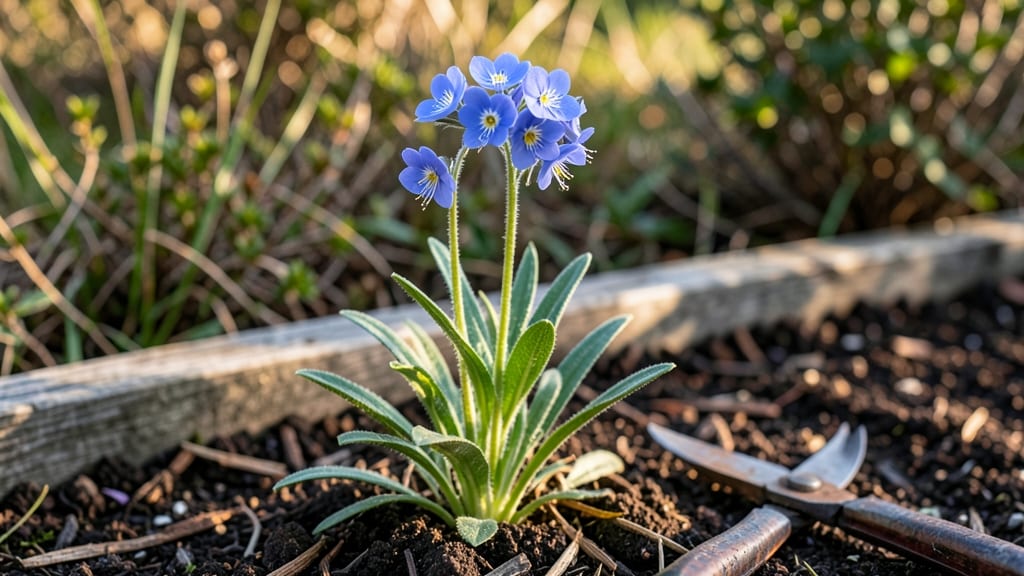
Those delicate forget-me-not blue flowers are the Pacific Northwest’s secret weapon for year-round color—frost won’t touch them, and their symbolism of love and remembrance makes every arrangement meaningful. 💙 I first fell for them when they bloomed through last winter’s snow, their tiny star-shaped faces defying the cold with cheerful resilience.
Pair them with silver foliage plants like lamb’s ear or dusty miller for a soft, ethereal contrast, or tuck them into cottage-style borders where they’ll spill over paths like scattered memories.
In containers, mix them with trailing lobelia or sweet alyssum for a spill-and-fill effect that never looks staged—just like a wild meadow caught in a frame.
What you’ll end up with is a garden that feels both timeless and effortlessly put-together—think velvety blue clusters against mossy green ground covers or bright yellow black-eyed Susans. The flowers even dry beautifully, preserving their color for winter arrangements that whisper of summer’s end.
Whether you’re designing a formal border or a wildflower meadow, these hardy bloomers adapt beautifully. Here’s how to make them the star of your seasonal displays without sacrificing their natural charm.
📚 In This Guide
- What you need
- Instructions
- Tips and common mistakes
- Wrapping up and next steps
What you need
- ● Seeds or young plants: Myosotis sylvatica (true forget-me-not) or Myosotis scorpioides (water forget-me-not). Choose cold-hardy varieties labeled for zones 3-7.
- ● Well-draining soil: Mix 1 part garden soil with 1 part peat moss or coco coir and 1 part perlite (for aeration). Aim for a pH of 6.0-7.0.
- ● Containers or garden bed: For containers: 6-8" pots with drainage holes (1 plant per pot). Use 3-4 pots for a small display.
- ● For garden beds: A sunny to partially shaded spot with 4-6 hours of sunlight daily.
- ● Mulch: 2-3 inches of shredded bark or straw to retain moisture and protect roots from frost.
- ● Garden trowel or small shovel (for planting).
- ● Watering can or hose with a gentle spray nozzle (avoid overwatering!).
- ● Pruning shears (for deadheading spent blooms).
- ○ Gloves (optional but recommended for soil contact).
- ● Fertilizer: Balanced 10-10-10 or compost tea (apply lightly every 4-6 weeks).
- ● Cold frame or cloches (to extend the growing season in early spring/fall).
- ● Epsom salt (1 tbsp per gallon of water monthly for magnesium boost).
- ● Decorative stakes or trellis (if growing near pathways for a charming display).
- ● Dried flower press (to preserve blooms for crafts or memories!).
Step-by-Step guide to cultivating forget-me-nots in the Pacific Northwest
Here’s how I grow these delicate blue blooms—hardy enough for PNW winters yet light enough for woodland gardens.
🌱 Step 1: Select the Right Variety and Planting Site
Forget-me-nots (Myosotis sylvatica) thrive in partial shade—think dappled sunlight under deciduous trees or along shaded garden edges. Choose a spot with well-draining soil (they rot easily in soggy conditions) and humidity levels typical of the PNW. I opt for the ‘Victoria’ cultivar—its larger blooms hold up better to rain and wind than standard varieties.
Test your soil’s moisture retention by digging a 6-inch hole and filling it with water. If it drains within 15-30 minutes, the site is ideal. Forget-me-nots dislike competition, so remove weeds or ground cover within a 2-foot radius of where you’ll plant. Their delicate stems need space to sprawl without bending.
🌿 Step 2: Prepare Soil and Plant with Precision
Amend your native soil with 2 inches of compost mixed into the top 6 inches of soil. Forget-me-nots prefer slightly acidic to neutral pH (6.0–7.0)—test with a kit if your soil leans alkaline. I add a handful of peat moss to improve moisture retention without compacting the soil.
Plant seeds ¼ inch deep in early spring (March–April), just as soil temperatures warm to 45–50°F. Space seeds 6–8 inches apart—crowding leads to leggy stems and fewer blooms. Water gently with a fine mist to avoid displacing seeds, then cover the area with 1 inch of straw mulch to retain moisture and deter weeds.
☀️ Step 3: Maintain Moisture and Light Balance
Keep soil consistently moist but never soggy—forget-me-nots wilt quickly in dry spells. Water every 2–3 days until seedlings reach 2 inches tall, then reduce to once weekly (adjust for rain). You’ll know moisture is right when the top ½ inch of soil feels cool to touch but doesn’t clump when squeezed.
Watch for leggy seedlings stretching toward light—this means your site is too shady. If stems exceed 4 inches before flowering, gradually move plants to a sunnier spot (but avoid full sun, which scorches leaves). Forget-me-nots bloom best in cool weather, so deadhead spent flowers in late summer to encourage a second flush of blooms before frost.
✂️ Step 4: Overwinter and Propagate for Next Year
Forget-me-nots are frost-resistant but benefit from a 2-inch layer of shredded leaves or evergreen boughs as mulch in winter. Their rosettes often survive 20°F temperatures, but a thick mulch prevents heaving in freeze-thaw cycles. I mark their locations with small flags—they self-seed prolifically, but their delicate stems can get lost in spring growth.
Divide clumps in early spring when new shoots appear. Dig up a section with a sharp spade, ensuring each piece has 3–4 stems. Replant divisions 6 inches apart and water deeply. This keeps plants vigorous and prevents overcrowding, which reduces bloom quantity. With proper care, forget-me-nots naturalize beautifully, returning year after year.
Tips & tricks for perfect Pacific Northwest forget-me-nots
A few strategic moves will help your forget-me-nots thrive in the PNW's unique climate—here's what I've learned after years of growing these delicate blooms.
Soil Test Wisdom: That 15-30 minute drainage test in Step 1 is your secret weapon. If water drains faster than 15 minutes, mix in 25% more compost to improve moisture retention. If it takes longer than 30 minutes, add a handful of coarse sand or perlite to prevent root rot. These plants hate soggy feet but need consistent moisture—think "damp sponge" rather than "swamp."
Seedling Light Balance: When your seedlings reach 2 inches tall (Step 3), watch for that classic "reaching" behavior—stems stretching toward light means they're begging for more sun. Gradually move them to a slightly sunnier spot, but never full sun which scorches their tender leaves. I've found that morning sun with afternoon shade works best in most PNW gardens.
Mulch Strategy: That 1-inch straw mulch in Step 2 isn't just for weed control—it's your winter insurance policy. In late fall, double it to 2 inches and top with evergreen boughs. This creates a microclimate that protects rosettes down to 20°F while preventing soil heaving. Mark your planting spots with small flags now so you don't accidentally disturb them in spring.
Deadheading Technique: When you deadhead in late summer (Step 3), don't just snip off the spent flowers—cut back to the first set of healthy leaves. This encourages bushier growth and a second flush of blooms before frost. I've seen plants produce two full blooming cycles this way, extending their season by nearly 6 weeks in our climate.
Pro Tips for Forget Me Not Blue Flowers
- A few strategic moves will help your forget-me-nots thrive in the PNW's unique climate—here's what I've learned after...
- Soil Test Wisdom: That 15-30 minute drainage test in Step 1 is your secret weapon. If water drains faster than 15 min...
- Seedling Light Balance: When your seedlings reach 2 inches tall (Step 3), watch for that classic "reaching" behavior—...
Frequently asked questions
Got questions about cultivating or caring for forget-me-not blue flowers? You’re not alone! Here are answers to some of the most common queries—from planting tips to troubleshooting—so you can enjoy these charming blooms with confidence.
When is the best time to plant forget-me-nots in the Pacific Northwest?
Forget-me-nots thrive in the PNW’s mild climate! Plant them in early spring (March–April) or early fall (September–October) to avoid summer heat stress. They’re frost-resistant but prefer cooler weather, so avoid planting in late summer when temperatures spike. If starting from seeds, sow them indoors 6–8 weeks before the last frost for a head start.
How often should I water forget-me-nots, and do they need special care in rain?
These flowers love moisture but hate soggy roots. Water them 1–2 times per week (or more in dry spells) to keep soil evenly damp. In the PNW’s rainy season, ensure pots have drainage holes and avoid overwatering—yellowing leaves can signal root rot. Mulch around the base to retain moisture without suffocating the plants.
Can forget-me-nots grow in containers, and what’s the ideal pot size?
Forget-me-nots adapt well to containers. Use pots at least 6–8 inches deep with drainage holes to prevent waterlogging. A 12-inch diameter pot works for 3–5 plants, giving them room to spread. Choose lightweight containers for easy moving if frost threatens. Just ensure they get 4–6 hours of sunlight daily—partial shade is fine in hotter PNW summers.
Are forget-me-nots truly frost-resistant, or do I need to protect them in winter?
Yes, they’re hardy to USDA Zones 3–8, meaning they can handle light frosts. However, heavy snow or prolonged cold may require a thin layer of mulch (like straw) around the base. If growing in containers, move them to a sheltered spot or wrap pots in burlap. Most forget-me-nots die back in winter but regrow vigorously in spring—no need for drastic measures!
What can I do if my forget-me-nots aren’t blooming?
Lack of blooms often stems from too much nitrogen (focus on balanced fertilizer) or overcrowding. Deadhead spent flowers to encourage new blooms and prune leggy stems in early spring. Ensure they get full sun to partial shade—too much shade reduces flowering. If pests (like aphids) are present, use neem oil or insecticidal soap for a gentle fix.
Still stumped? Drop your question in the comments—we’re happy to help your forget-me-nots flourish!
Wrapping up and next steps
The forget-me-not blue flowers of the Pacific Northwest aren’t just a symbol of enduring love—they’re a resilient, frost-resistant gem that brings color and charm to gardens year after year.
Whether you’re drawn to their delicate petals or their hardy nature, these blooms are a perfect choice for gardeners who want beauty without compromise. 🌸
Now that you’re armed with tips on planting, care, and troubleshooting, why not take the next step? Visit a local nursery to pick out your own forget-me-nots, or experiment with companion plants to create a stunning PNW-inspired garden. The possibilities—and blooms—are endless!