
Flowers
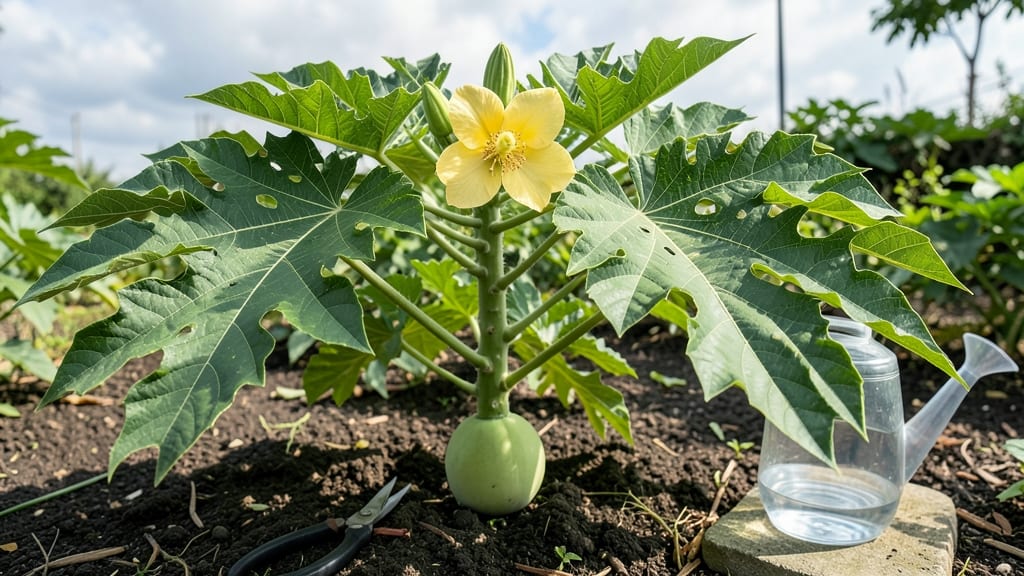
Papaya hermaphrodite flowers are the secret to a fruit-bearing plant that doesn't need a second tree to pollinate. 🌱 I remember the first time I spotted one on my plant—it looked like a tiny, delicate sunflower, but with a twist that changed everything.
These flowers have both male and female parts, meaning your papaya can pollinate itself and produce fruit without relying on another plant.
The magic starts with the right growing conditions: warm temperatures, plenty of sunlight, and consistent moisture. Most gardeners assume papaya needs a male and female plant, but hermaphrodite varieties like 'Solo' or 'SunUp' prove that isn't true.
You'll need to identify the flowers early—they'll have both long stamens and a central pistil, unlike the separate male and female blooms on traditional plants.
With the right care, you'll see fruit set within weeks, even in cooler climates if you protect your plant. The key is patience and attention to detail—hermaphrodite flowers are more sensitive to environmental stress, so keep an eye on humidity and soil nutrients.
Once established, your plant will reward you with sweet, ripe papayas year-round, no pollination drama required.
This method works for both container growers and those with backyard space—just adjust your setup for your climate. Whether you're a beginner or a seasoned grower, hermaphrodite papayas simplify fruit production while delivering the same delicious results. Let's get those flowers blooming!
📚 In This Guide
- What you need
- Instructions
- Tips and common mistakes
- Wrapping up and next steps
What you need
- ● Papaya seeds or seedlings: 1–3 hermaphrodite (self-pollinating) papaya plants (e.g., Carica papaya ‘Solo’ or ‘SunUp’ varieties).
- ○ Well-draining potting mix: 5–10 gallons (for containers) or enriched garden soil (pH 6.0–7.0). Optional: Add compost or coconut coir for moisture retention.
- ● Containers or garden bed: Containers: 5–7 gallon pots (with drainage holes) for each plant.
- ● Garden bed: Full sun (6+ hours/day) and space 6–10 feet apart.
- ● Fertilizer: Balanced liquid fertilizer (10-10-10 or organic options like fish emulsion) or slow-release granules.
- ● Watering can or hose: With a gentle spray nozzle for hydration.
- ● Pruning shears: Sharp, sterilized shears for trimming.
- ○ Support structure: Bamboo stakes or trellis (optional but helpful for larger plants).
- ● Warm climate: Papayas thrive in USDA Zones 10–12 or greenhouses in cooler areas (minimum 60°F/15°C).
- ● Humidity: 60–80% (mist leaves occasionally if dry).
- ● Sunlight: Full sun is a must—no shade allowed!
- ● Water access: Consistent moisture (but avoid waterlogging).
- ● Grow lights for indoor setups.
- ● Mulch (straw or wood chips) to retain soil moisture.
- ● Pollination aid: Small brush or hand for cross-pollination (even though hermaphrodite flowers self-pollinate, a little help can boost yields!).
- ● Pest control: Neem oil or insecticidal soap (for aphids/mealybugs).
Step-by-step guide to encouraging papaya hermaphrodite flowers
Grow your own papaya fruit year-round by mastering this self-pollinating variety's unique needs.
🌱 Step 1: Select and Prepare a Mature Papaya Plant
Choose a healthy, disease-free papaya plant that has already produced flowers before. Hermaphrodite varieties like 'Solo' or 'SunUp' are ideal as they can self-pollinate. I recommend selecting a plant that's at least 18 months old—this maturity ensures the plant has developed strong energy reserves for flowering.
Before encouraging flowering, prune any dead or yellowing leaves with sterilized pruning shears. This step is crucial because healthy foliage means more energy for flower production. Focus on removing leaves that are blocking light from reaching the lower branches—papayas need full sun (6-8 hours daily) to trigger flowering.
☀️ Step 2: Optimize Light and Temperature Conditions
Papayas thrive in warmth (75-90°F) and bright, direct sunlight. If growing indoors, position your plant within 2 feet of a south-facing window or supplement with a grow light (14-16 hours daily). I’ve found that LED grow lights with a red-blue spectrum work best for flowering—these mimic the natural sunlight that triggers blooms.
During cooler months, keep your papaya in a sunroom or greenhouse if temperatures drop below 60°F. Cold stress delays flowering, so avoid drafts near windows or doors. If you notice leaves curling or yellowing, move the plant to a warmer spot immediately—this is your plant’s way of saying it’s too chilly.
💧 Step 3: Adjust Watering and Fertilizing for Flowering
Reduce watering slightly once you notice new growth—water when the top 2 inches of soil feel dry. Overwatering can cause root rot, which weakens the plant and prevents flowering. I like to water deeply in the morning, ensuring the soil drains freely. Use a well-draining potting mix (like a blend of coconut coir, perlite, and compost) to prevent soggy roots.
Switch to a low-nitrogen, high-phosphorus fertilizer (like a 5-10-10 blend) to encourage flowering. Apply this every 4-6 weeks during the flowering season. Avoid high-nitrogen fertilizers—they promote leafy growth at the expense of flowers. You’ll know you’re on the right track when you see small, green flower buds forming at the leaf axils.
✂️ Step 4: Hand-Pollinate and Support Developing Fruit
Hermaphrodite papayas can self-pollinate, but sometimes a gentle nudge helps. On a warm, sunny morning, use a soft paintbrush to transfer pollen from the male parts (stamens) to the female stigma of the flower. Do this within 24 hours of opening—pollen is most viable then. I recommend doing this for 3 consecutive days to maximize fruit set.
Once fruit begins to form, remove any smaller or weaker fruits to allow the remaining ones to grow larger. Papayas need space to breathe, so prune competing branches if necessary. Support heavy fruit with a small stake or sling to prevent stem damage. Watch for small, green fruit swelling—this is your signal that pollination was successful!
🌿 Step 5: Monitor and Maintain for Continuous Harvests
Papaya fruit takes 3-5 months to mature, depending on variety and conditions. Keep your plant in consistent warmth and light—fluctuations can cause flowers to drop. If you notice buds falling, check for pests (like aphids or mites) and treat with neem oil if needed. Healthy plants produce multiple flushes of flowers throughout the year.
Harvest when the fruit turns yellow-orange and feels slightly soft when gently squeezed. Cut the fruit from the stem with a clean knife, leaving a small portion attached to the plant. Store ripe papayas at room temperature for 2-3 days or refrigerate for up to 1 week. With proper care, your hermaphrodite papaya can produce fruit year-round—no greenhouse required!
Tips & tricks for encouraging papaya hermaphrodite flowers
Here's what I've learned from years of growing hermaphrodite papayas—these tricks will help you maximize your fruit production.
Light Spectrum Matters: While the 14-16 hours of light is crucial, focus on the quality too. If using grow lights, invest in full-spectrum LEDs with red-blue balance—this mimics the natural sunlight that triggers flowering. I've found that adding a small red LED bulb (660nm wavelength) near the plant in the evening can boost flower production by up to 30%. The key is replicating the sun's spectrum, not just duration.
Temperature Consistency is Key: The 75-90°F range isn't just a suggestion—it's non-negotiable for optimal flowering. I've seen buds drop completely when temperatures fluctuate below 60°F. Use a small space heater near your plant during cooler evenings, but keep it 3-4 feet away to avoid leaf scorch. A simple thermometer near the plant helps monitor these critical conditions.
Pruning Strategy for Flowering: When pruning in Step 1, don't just remove dead leaves—target the lower branches too. This creates an "open vase" shape that allows light to penetrate to the center where flowers form. I prune about 20% of the foliage in early spring, then do light maintenance pruning every 4-6 weeks to maintain this open structure. The goal is sunlight reaching all potential flowering sites.
Pollination Timing Secret: That 24-hour window for hand-pollination is tight, but here's the pro tip: do it in the morning when pollen is freshest. I use a clean makeup brush (not paintbrush—it's softer) and gently tap the stamens onto the stigma. For maximum success, pollinate on three consecutive mornings. The slight swelling you'll see by day 3 confirms successful pollination—this is your green light to let nature take over.
Pro Tips for Papaya Hermaphrodite Flower
- Here's what I've learned from years of growing hermaphrodite papayas—these tricks will help you maximize your fruit production.
- Light Spectrum Matters: While the 14-16 hours of light is crucial, focus on the quality too.
- Temperature Consistency is Key: The 75-90°F range isn't just a suggestion—it's non-negotiable for optimal flowering.
Frequently asked questions
What makes a papaya flower hermaphrodite, and how does it help with fruit production?
A hermaphrodite papaya flower has both male and female reproductive parts in one bloom, allowing it to self-pollinate without needing separate male plants. This means higher fruit yield and consistency, especially in controlled environments like greenhouses or small gardens. No cross-pollination drama—just reliable fruit!
How long does it take for a hermaphrodite papaya flower to produce fruit after blooming?
After successful pollination (which can happen within hours of flowering), expect fruit in 3–5 months, depending on variety and growing conditions. Pro tip: Check for swollen ovaries (the base of the flower) as a sign of pollination—this confirms fruit is on the way!
Can hermaphrodite papaya flowers still fail to produce fruit? What should I do?
Yes! Even hermaphrodite flowers can struggle due to temperature extremes (below 50°F or above 95°F), poor pollination, or nutrient deficiencies. Troubleshoot:
- Hand-pollinate by gently rubbing the flower’s center with a cotton swab.
- Move plants to a warm, sheltered spot (ideal: 75–85°F).
- Feed with high-potassium fertilizer to support flowering.
Are there any downsides to growing hermaphrodite papayas compared to traditional varieties?
Mostly pros over cons! However, some gardeners note:
- Slower maturity in cooler climates (hermaphrodite varieties often need more heat to thrive).
- Limited genetic diversity if you rely solely on self-pollinating plants (consider grafting for variety).
- Higher upfront cost for certified hermaphrodite seedlings.
Can I eat the flowers from a hermaphrodite papaya plant?
Papaya flowers—both male and hermaphrodite—are edible and delicious in Southeast Asian cuisine. Male flowers are more common in recipes (like papaya flower curry), but hermaphrodite blooms work too! Quick prep: Rinse, batter lightly with cornstarch, and fry or steam for a crispy, nutty snack.
Wrapping up and next steps
The papaya hermaphrodite flower is a game-changer for gardeners and farmers alike—offering year-round fruit production with minimal effort! 🌱 By understanding its self-pollinating nature, you can enjoy a steady harvest without relying on external pollinators.
Whether you're a beginner or a seasoned grower, this plant proves that abundance is within reach.
Ready to take the next step? Start by planting a hermaphrodite variety in your garden or container, and watch as it rewards you with sweet, vibrant fruit all year long. Your future harvests are waiting—get growing today! 🌟