
Tools
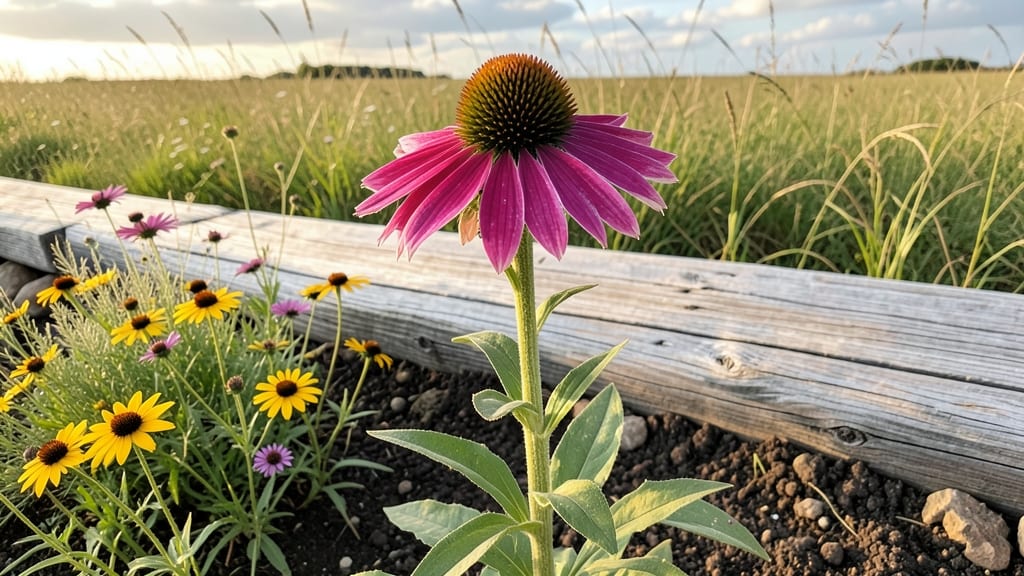
A wildflower garden bed isn’t just pretty—it’s a buzzing, blooming ecosystem that keeps your yard alive with color from spring through frost. 🌸 I remember the first time I saw a patch of native wildflowers humming with bees and butterflies; it changed how I thought about gardening forever.
These beds thrive on neglect, outperform manicured lawns, and give back to local wildlife in ways a traditional garden never could.
Start with native wildflowers—your best bet for low-maintenance success. They’re already adapted to your climate, need minimal water once established, and attract the right pollinators.
A simple 3-foot by 6-foot bed can make a difference, whether you place it along a fence, edge a driveway, or tuck it into a corner of your yard. Just clear the weeds, loosen the soil, and let the flowers do the rest.
By midsummer, you’ll have a riot of color—purple coneflowers, golden black-eyed Susans, and delicate white asters—that never fades into a dull brown. The air will smell like honey and sunshine, and your garden will become a magnet for bees, hummingbirds, and butterflies.
Best of all, this isn’t a one-season wonder; with the right mix, your bed will keep blooming until the first hard frost.
Works in small urban yards or sprawling rural plots—just adjust the scale. Whether you’re a first-time gardener or a seasoned pro, this is the easiest way to turn a corner of your land into a thriving, self-sustaining paradise. Ready to skip the mowing and start the buzzing?
📚 In This Guide
- What you need
- Instructions
- Tips and common mistakes
- Wrapping up and next steps
What you need
- ● Wildflower seeds: Choose a native seed mix (1–2 lbs per 100 sq. ft.). Look for blends labeled for your region (e.g., Milkweed, Coneflower, Black-Eyed Susan).
- ● Topsoil or compost: 2–3 inches per sq. ft. to enrich the soil (opt for organic, well-draining soil).
- ● Mulch: Straw or wood chips (1–2 inches) to retain moisture and suppress weeds.
- ○ Garden stakes or flags: 6–12 stakes (6" tall) to mark seed rows (optional but helpful).
- ● Garden shovel or spade: For digging and turning soil.
- ● Rake: A bow rake (8–12" teeth) to level the bed.
- ● Garden hose with nozzle: For even watering.
- ● Gloves: Heavy-duty work gloves to protect your hands.
- ● Wheelbarrow or bucket: For hauling soil and mulch.
- ○ Optional: Seedling trays (if starting from seed indoors).
- ● Soil tester kit (to check pH, ideally 6.0–7.0 for wildflowers).
- ● Birdseed or suet feeder (to attract pollinators while your flowers establish).
- ● Sunlight: A spot with full sun (6+ hours/day) or partial shade (4–6 hours).
- ● Water source: Access to a hose or irrigation system.
- ● Space: A minimum 4’ x 4’ area (bigger is better for biodiversity!).
- ● Patience: Wildflowers thrive with minimal maintenance—let nature do the work! 🌸
How to create a wild flower garden bed that thrives Year-round
Here's the straightforward approach I've used to turn barren patches into buzzing pollinator havens.
🌱 Step 1: Choose the Perfect Location and Clear the Space
Pick a spot with at least 6 hours of sunlight daily—most wildflowers thrive in full sun. Avoid low-lying areas where water pools after rain, as soggy soil invites rot and fungal diseases. I always mark the area with stakes and string to visualize the final shape before digging.
Remove existing vegetation by hand or with a garden fork, being careful not to disturb the underlying soil. For stubborn weeds, apply a layer of black landscape fabric and leave it for 4-6 weeks to smother unwanted growth. This step prevents competition and gives your wildflowers a fighting chance from day one.
🪴 Step 2: Prepare the Soil for Native Wildflowers
Wildflowers don't need rich soil—they love lean, well-draining earth. Loosen the top 6-8 inches of soil with a broadfork or tiller, breaking up any compacted layers. If your soil is heavy clay, mix in 2-3 inches of coarse sand or perlite to improve drainage.
Skip the fertilizer—wildflowers grow best in poor soil, which mimics their natural habitats. Instead, spread a 1-inch layer of compost over the area and lightly rake it in. This provides just enough nutrients without encouraging fast, weak growth that flops in the first wind.
☀️ Step 3: Select and Plant a Diverse Wildflower Mix
Choose a pre-mixed wildflower seed blend designed for your region—this ensures native species that attract local pollinators. I like to plant in early spring or late summer when soil moisture is reliable. Scatter seeds evenly over the prepared bed, then lightly press them into the soil with a board or your hands.
Cover with a thin layer of straw mulch (¼ inch max) to protect seeds from birds and erosion. Water gently but thoroughly right after planting, then keep the soil consistently moist until germination. You'll see tiny sprouts in 2-4 weeks—don't be tempted to water heavily once they appear, as this can wash away seeds or disturb seedlings.
💧 Step 4: Establish Maintenance Routines for Long-Term Success
Once established, wildflowers need very little care. Water deeply once a week during the first growing season, then reduce to every 2-3 weeks once roots are deep. Mature wildflowers often survive on rainfall alone. I always water in the early morning to reduce evaporation and fungal risks.
Leave seed heads through winter—they provide food for birds and shelter for beneficial insects. In early spring, cut back dead growth to 3-4 inches tall to make room for new growth. This simple step prevents the bed from looking messy while encouraging fresh blooms.
✂️ Step 5: Encourage Pollinators with Strategic Care
To maximize pollinator visits, avoid pesticides entirely—even "organic" sprays can harm bees and butterflies. If you notice aphids or other pests, blast them off with a strong stream of water instead. I also add a small water source like a shallow dish with pebbles for insects to drink from during dry spells.
Every few years, thin out crowded areas by removing some plants and adding fresh soil. This prevents competition and keeps your wildflower bed looking vibrant. I like to do this in late winter when everything's dormant—it's less stressful for the plants and gives you a clean slate for the season ahead.
Tips & tricks for perfect wild flower garden beds
Transforming your yard into a thriving pollinator paradise starts with these essential tips that'll help you avoid common pitfalls and create a garden that truly flourishes.
Location is Everything: That 6 hours of sunlight requirement in Step 1 is non-negotiable for most wildflowers. If your yard has shady spots, consider creating smaller beds in sunnier areas instead of forcing the whole space to work. I've seen gardeners struggle with poor growth because they chose a partially shaded location—trust me, the difference is night and day!
Soil Prep Shortcut: If you're working with heavy clay soil, don't overlook the 2-3 inches of sand or perlite recommendation in Step 2. This isn't just about drainage—it also helps prevent soil compaction that can smother young seedlings. For a quicker fix, you can rent a soil aerator from your local garden center to break up compacted layers before adding amendments.
Seed Planting Precision: When scattering seeds in Step 3, aim for a light dusting rather than heavy handfuls. Most wildflower seed mixes contain tiny seeds that need good light to germinate—burying them too deep will prevent them from sprouting. Think of it like sprinkling confetti—lightly and evenly distributed!
Watering Wisdom: The consistent moisture requirement during germination (Step 3) is crucial, but don't drown your seeds. Use a gentle spray nozzle or soaker hose to keep the soil evenly moist without creating puddles. Once sprouts appear, reduce watering frequency as instructed in Step 4—overwatering at this stage can lead to fungal issues.
Pro Tips for Wild Flower Garden Bed
- Transforming your yard into a thriving pollinator paradise starts with these essential tips that'll help you avoid common pitfalls and create a garden that truly flourishes.
- Location is Everything: That 6 hours of sunlight requirement in Step 1 is non-negotiable for most wildflowers.
- Soil Prep Shortcut: If you're working with heavy clay soil, don't overlook the 2-3 inches of sand or perlite recommendation in Step 2.
Frequently asked questions
Got questions about creating your own wild flower garden bed? You’re not alone! Here are some of the most common concerns—and their answers—to help you get started with confidence.
What’s the best time of year to plant wildflowers?
Most wildflowers thrive when planted in early spring or fall. Spring gives seeds time to establish roots before summer heat, while fall planting lets them settle in before winter dormancy. Avoid planting in peak summer—dry conditions can stress young seedlings.
Do wildflowers need a lot of water once established?
Once your wildflower garden is fully established (usually after 1–2 years), it’s extremely drought-tolerant! During the first growing season, water deeply 1–2 times per week to encourage strong root growth. After that, Mother Nature usually does the work for you.
Will wildflowers attract bees and butterflies—or pests like mosquitoes?
Wildflowers are pollinator magnets () and won’t attract mosquitoes! To maximize benefits, choose native species like coneflowers, black-eyed Susans, or milkweed—they support local ecosystems without drawing pests. Avoid stagnant water sources nearby to keep mosquitoes away.
Can I mix wildflowers with vegetables or herbs in the same bed?
While possible, it’s not ideal for both plants’ needs. Wildflowers thrive in poor soil and low maintenance, while veggies/herbs often need richer soil and more care. For harmony, plant wildflowers in a separate border or pollinator patch nearby to avoid competition.
How do I keep weeds from taking over my wildflower bed?
Weeds are the biggest challenge! Start with bare soil or minimal tilling to reduce weed seeds. Use mulch or cardboard layers before planting to smother weeds, and hand-pull any invaders early. Once wildflowers establish, they’ll outcompete weeds naturally.
What if my wildflowers don’t bloom the first year?
Don’t panic! Many wildflowers, especially perennials and biennials, focus on root growth in Year 1. Some may bloom lightly, while others wait until Year 2. Be patient—your garden will explode with color once mature!
Wrapping up and next steps
Creating a wildflower garden bed is more than just a gardening project—it’s a gift to nature and your senses! 🌸 With the right mix of native plants, thoughtful design, and a little patience, you’ll transform your space into a pollinator paradise that thrives year-round.
The best part? Every bloom, buzz, and flutter makes the effort worthwhile.
Ready to dive in? Start small—even a single bed can make a difference. Grab your tools, pick your favorites from the FAQs, and get planting! Your future wildflower haven (and its tiny visitors) will thank you. 🐝✨