
Companion Plants
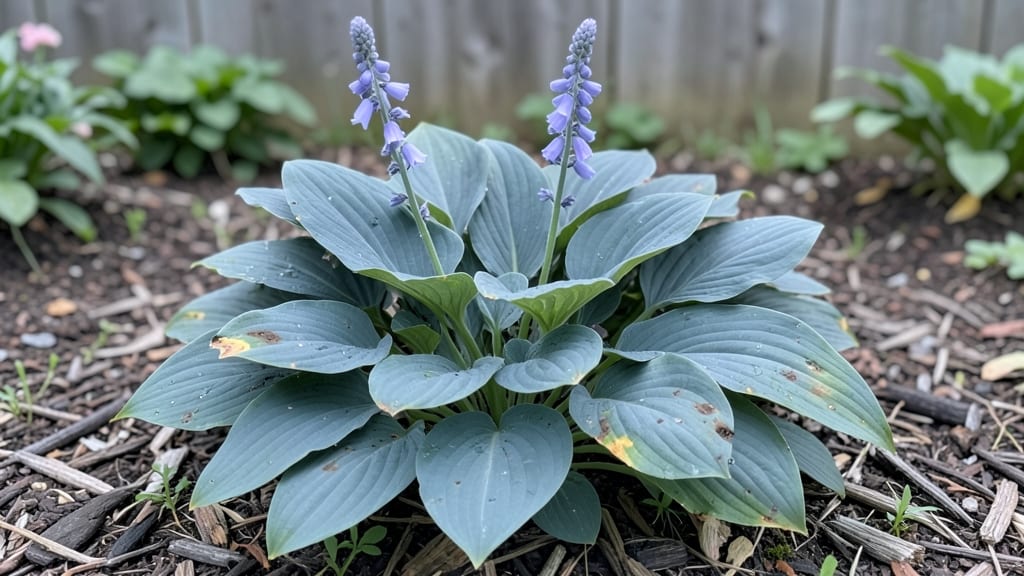
Some flowering plants that do well in shade don’t just survive—they burst into life, turning dull corners into lush, colorful escapes. 🌿 I’ve filled my own shady spots with impatiens that bloom nonstop, hostas with chartreuse foliage, and astilbes that dance in the breeze. the breeze.
The key is choosing the right plants for your specific shade conditions, whether it’s dappled light or deep shadow.
These shade-lovers need moist but well-draining soil and regular watering, especially in hotter months. Most prefer partial shade (3-6 hours of sunlight) but can handle full shade if the soil stays consistently damp.
I’ve found that mulching helps retain moisture and keeps roots cool—critical for plants that struggle in dry conditions.
By summer’s end, you’ll have a garden bursting with color—think deep burgundy impatiens, fluffy white astilbes, and the delicate blooms of ferns. The best part? These plants attract pollinators just like sun-loving flowers, proving shade gardens can be just as lively. Let’s pick the perfect shade plants for your space.
Whether you’re working with a north-facing yard, a tree’s dappled canopy, or a building’s shadow, these plants adapt beautifully. The secret is matching their light needs to your garden’s reality—no more guessing, just thriving blooms all season long.
📚 In This Guide
- What you need
- Instructions
- Tips and common mistakes
- Wrapping up and next steps
What you need
- ● Flowering shade plants: Hostas (e.g., Hosta 'Blue Angel' or Hosta 'Halcyon') – 3-5 plants
- ● Astilbes (e.g., Astilbe 'Fanal') – 2-3 plants
- ● Bleeding hearts (Dicentra spectabilis) – 2-4 plants
- ● Hellebores (Helleborus niger) – 3-5 plants
- ○ Ferns (e.g., Matteuccia struthiopteris) – 3-4 plants (optional for texture)
- ● Potting soil: 1-2 bags (18-20 lbs each) of high-quality, well-draining organic potting mix (e.g., Miracle-Gro or FoxFarm).
- ● Compost or organic fertilizer: 1 bag (10-15 lbs) of balanced, slow-release fertilizer (e.g., 10-10-10 or worm castings).
- ● Mulch: 2-3 bags (2-3 cubic feet each) of shredded bark or pine straw to retain moisture.
- ● Garden tools: Trowel or hand shovel
- ● Garden gloves (1 pair)
- ● Pruners (for trimming)
- ● Watering can or hose with a gentle spray nozzle
- ● Slow-release fertilizer spikes (for long-term nourishment).
- ● Garden stakes or rings (to support taller plants like astilbes).
- ● Decorative stones or pebbles (for a polished look).
- ● Shade cloth (30-50%) (if your area gets partial shade and you want to adjust light levels).
- ● Soil pH test kit (to ensure your soil is slightly acidic to neutral, ideal for most shade plants).
How to select and care for flowering plants that thrive in shade
Here's how I turn dim corners into vibrant displays—no direct sun required.
🌱 Step 1: Choose the Right Shade-Tolerant Varieties
Not all shade is equal—partial shade (3-6 hours of dappled light) suits bold bloomers like impatiens and astilbe, while full shade (less than 3 hours) demands tougher players like hellebores and ferns. I always match plants to their light conditions: hostas and lungwort love deep shade, while bleeding hearts and ferns thrive in filtered light. Check the plant tag for light requirements—partial shade is the sweet spot for most flowering favorites.
For a 4-plant display, I mix 2 partial-shade bloomers (like astilbe or hydrangeas) with 2 full-shade plants (like hellebores or toad lilies). This ensures continuous color from early spring through fall. Avoid sun-lovers like geraniums—they’ll sulk in shade and reward you with weak stems and sparse blooms.
🪴 Step 2: Prepare the Soil for Moisture-Retentive Growth
Shade plants hate soggy roots, but they also can’t handle dry soil. Amend your garden beds with 3 inches of compost and a handful of organic mulch (like shredded bark) to improve drainage while retaining moisture. I dig in 1 part peat moss to 3 parts native soil for heavy clay areas—this prevents compaction and keeps roots happy.
Test your soil’s moisture level by pressing your finger 1 inch deep—if it feels dry, water deeply until moisture reaches 6 inches down. Shade plants signal thirst by drooping leaves, but overwatering causes root rot. A slow-release fertilizer (like 10-10-10) applied at planting ensures steady nutrients without burning tender roots.
☀️ Step 3: Plant with Light and Airflow in Mind
Space plants 12-18 inches apart to allow airflow, which prevents fungal diseases like powdery mildew. I plant taller varieties (like astilbe) toward the back of the bed and shorter ones (like impatiens) in front. This mimics their natural light-seeking behavior and creates a layered, lush look.
Dig holes twice as wide as the root ball but only as deep—burying the stem too deep suffocates the plant. Water each hole before planting to eliminate air pockets, then fill with soil while gently pressing around the roots. A light mulch layer (1-2 inches) after planting locks in moisture and keeps roots cool.
💧 Step 4: Water Consistently Without Overdoing It
Shade plants need 1-1.5 inches of water per week, but they’re more forgiving than sun-lovers. I water deeply every 5-7 days (or daily in extreme heat) until moisture reaches 6 inches down. Check with your finger—if the top 2 inches feel dry, it’s time to water. Overhead watering encourages mildew, so I use a soaker hose or drip irrigation for targeted moisture.
Yellowing leaves? It’s usually overwatering—let the top inch dry out between waterings. Brown edges? Underwatering—increase frequency slightly. Mulch is your best friend here—it slows evaporation and keeps roots in the perfect moisture range.
✂️ Step 5: Prune and Maintain for Continuous Blooms
Deadhead spent blooms weekly to encourage new flowers—this is especially critical for impatiens and begonias. I snip stems just above a leaf node with clean pruners to stimulate bushier growth. For perennials like hellebores, remove only the dead foliage in early spring to reveal fresh growth.
Fertilize lightly in spring and mid-summer with a balanced, water-soluble fertilizer (like 20-20-20) diluted to half strength. Too much nitrogen = leafy growth, fewer flowers. I also top-dress with compost in fall to feed roots through winter. With consistent care, your shade garden will burst with color year after year.
Tips & tricks for perfect shade-garden blooms
Here's how I've transformed shady spots into vibrant flower displays without the guesswork.
Light Matching Matters: That 3-6 hour partial shade range is critical—it's where most flowering plants hit their sweet spot. I always check the plant tag for light requirements before buying. For example, astilbe and hydrangeas thrive in that 3-6 hour window, while hellebores can handle just 3 hours or less. If your spot gets less than 3 hours, focus on shade specialists like lungwort or ferns that won't get leggy trying to reach light.
Soil Prep Secret: The 3 inches of compost and 1:3 peat moss mix I mentioned isn't just about drainage—it creates the perfect moisture balance. I test soil moisture by pressing my finger 1 inch deep before watering, but here's a pro move: mix in a handful of perlite or vermiculite with your compost. This creates tiny air pockets that prevent compaction while still holding moisture for those shade-loving roots.
Plant Placement Hack: When spacing plants 12-18 inches apart in Step 3, I always arrange them in odd-number groupings (like 3 or 5 plants) rather than straight rows. This creates natural visual flow and prevents that "too-perfect" garden look. For the 4-plant display, I place the two taller varieties diagonally across from each other to draw the eye through the garden bed.
Watering Wisdom: Those 1-1.5 inches of weekly water might seem like a lot, but remember—shade plants can't photosynthesize as efficiently as sun-lovers. I set a rain gauge near my garden to track actual rainfall, then adjust my watering schedule accordingly. In extreme heat, I increase to daily watering but only until moisture reaches 6 inches down. The key is consistent moisture without soggy soil.
Pro Tips for Flowering Plants That Do Well In Shade
- Here's how I've transformed shady spots into vibrant flower displays without the guesswork.
- Light Matching Matters: That 3-6 hour partial shade range is critical—it's where most flowering plants hit their sweet spot.
- Soil Prep Secret: The 3 inches of compost and 1:3 peat moss mix I mentioned isn't just about drainage—it creates the perfect moisture balance.
Frequently asked questions
Got questions about growing flowering plants in shady spots? You’re not alone! Here are answers to the most common queries to help you create a lush, low-light garden with ease.
What are the easiest flowering plants to grow in shade?
Start with impatiens, coleus, or begonias—they’re forgiving and thrive in dappled light. For bold blooms, try astilbes or foxgloves. These plants handle shade well while requiring minimal fuss!
How long does it take for shade-loving flowers to bloom?
Most shade-tolerant flowers bloom within 6–12 weeks after planting, depending on the variety. Impatiens and bromeliads often flower quickly, while hostas (which have showy foliage) may take a full season. Patience pays off!
Can I grow flowering plants in full shade (no direct sunlight)?
Yes! Opt for heucheras, lungworts, or Japanese painted ferns (non-flowering but stunning). For blooms, bleeding hearts and toad lilies love deep shade. Just ensure they get 4+ hours of indirect light daily for best results.
Why aren’t my shade plants flowering? Troubleshooting tips.
Leggy stems or sparse blooms? Check these fixes:
- Light: Move plants to a slightly brighter spot (but avoid harsh sun).
- Water: Overwatering stresses roots—let soil dry slightly between waterings.
- Fertilizer: Use a balanced, slow-release formula (like 10-10-10) in spring.
- Deadheading: Snip spent blooms to encourage new growth.
Are there any shade plants that attract pollinators?
Columbines, foxgloves, and shade-loving asters draw bees and butterflies. Even lamium (dead nettle) offers nectar. Plant near windows or patios to enjoy the buzz!
Wrapping up and next steps
Transforming a shady garden into a vibrant oasis is easier than you think! With the right flowering plants that thrive in low light, you can enjoy bursts of color and life without needing full sun.
From hostas and bleeding hearts to heucheras and astilbes, these beauties prove shade isn’t a limitation—it’s just a different kind of opportunity. 🌿
Ready to get started? Pick one or two plants from this list, grab some well-draining soil, and let nature do the rest. Before you know it, your garden will be a lush, blooming retreat—even in the shade! Happy gardening! 🌸