
Blooming
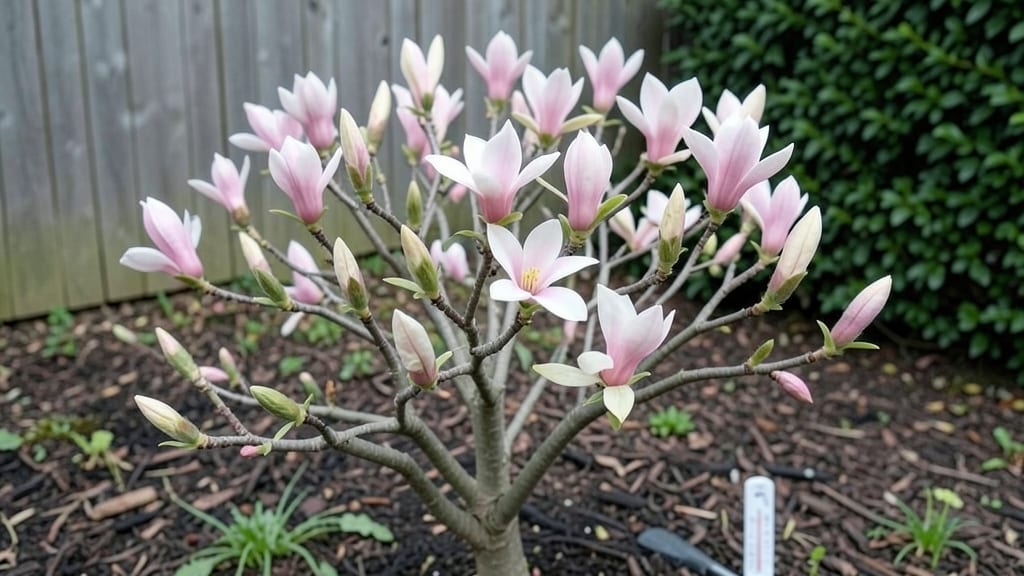
Studying flowers blooming early graphs for the Pacific Northwest isn’t just helpful—it’s the key to beating frost and maximizing your garden’s beauty. 🌸 I learned this the hard way when my first spring daffodils were wiped out by an April freeze. but now I use bloom timelines to plan with precision.
The secret lies in frost-resistant species like hellebores, crocuses, and early tulips, which push through cold soil when most plants still sleep. These hardy bloomers follow predictable patterns, and graphing their timelines reveals when to plant, prune, or even harvest for cut flowers.
My garden now bursts into color weeks before neighbors’ yards even wake up.
You’ll end up with a garden that thrives despite unpredictable PNW weather—think velvety purple crocuses in March, followed by waves of color through May. The graphs also show when to succession plant heat-lovers like zinnias, ensuring your blooms never stop. No more wasted space or missed opportunities.
Perfect for container gardeners, raised beds, or full yards—these timelines adapt to any scale. Whether you’re a beginner or a seasoned gardener, this system turns guesswork into guaranteed results. Let’s get your bloom schedule nailed down!
📚 In This Guide
- What you need
- Instructions
- Tips and common mistakes
- Wrapping up and next steps
What you need
- ● Notebook or digital spreadsheet: For recording bloom dates (e.g., Google Sheets, Excel, or a simple lined journal).
- ● Permanent markers or colored pencils: At least 3 colors to differentiate flower types or years.
- ● Ruler (12-inch): For drawing accurate timelines or graphs.
- ○ Printed bloom timeline template (optional but helpful): Pre-made graph paper or a blank timeline grid (available online or hand-drawn).
- ● Field guide or plant ID app: To identify frost-resistant flowers (e.g., Heuchera, Camassia, or Lenten Rose).
- ● Weather-resistant outdoor markers: If tracking blooms in a garden (e.g., waterproof labels or stakes).
- ● Camera or smartphone: For documenting blooms with timestamps (apps like iNaturalist can help!).
- ● Thermometer/hygrometer: To correlate blooms with temperature trends (e.g., digital outdoor models).
- ● Graphing software: Tools like Desmos or Canva for digital graphs with trends/forecasts.
- ● Local climate data: Historical frost dates from NOAA or regional gardening groups.
How to track and extend your Pacific Northwest flower bloom seasons
Use this data-driven approach to predict frost-resistant blooms and adjust planting for longer color displays.
📊 Step 1: Gather Historical Bloom Data for Your Region
Start with USDA Hardiness Zone maps to identify your exact microclimate—Pacific Northwest zones range from 6b (cooler coastal areas) to 9a (warmer inland valleys). I recommend downloading 10 years of bloom records from local botanical gardens or university extension services, as microclimates can vary by 100-200 feet in elevation. Focus on native species like Pacific Dogwood (Cornus nuttallii) or Western Red Columbine (Aquilegia formosa)—these have proven frost resilience in early spring.
Cross-reference bloom dates with last frost averages (typically April 15-May 1 in most PNW zones) to identify which flowers reliably beat frost. Create a simple spreadsheet with columns for species, average bloom window, and your local frost dates. This ensures you're selecting varieties that align with your climate's natural rhythms rather than forcing premature blooms that may get nipped.
☀️ Step 2: Create a Custom Bloom Timeline Graph
Use graphing software like Excel or free tools like Google Sheets to plot your bloom data. On the x-axis, mark weekly intervals from February 1 through June 30. On the y-axis, list your selected frost-resistant species vertically. For each species, plot three data points: the earliest observed bloom, the peak bloom period, and the latest bloom from your historical records.
Add a second line to your graph marking your local frost-free date (use the 10-year average for accuracy). This visual comparison immediately shows which flowers reliably bloom before your frost window. I like to color-code: green for safe early bloomers, yellow for borderline species, and red for varieties that typically bloom too late. This color system makes seasonal adjustments intuitive at a glance.
🌱 Step 3: Adjust Planting Times Based on Graph Insights
Use your graph to determine optimal planting windows for each species. For example, if your data shows Pacific Hyacinth (Camassia leichtlinii) blooms 3-4 weeks earlier than standard tulips in your zone, plant them 4-6 weeks earlier than you would bulbs from other regions. Divide your garden into three planting zones: early, mid, and late-season bloomers, with 10-foot spacing between each to create a staggered visual effect.
For perennials, adjust division schedules based on bloom timing. If your graph shows Sword Fern (Polystichum munitum) foliage emerges 2 weeks before your last frost, divide clumps in late summer (August) rather than early spring to give roots time to establish before winter. This timing ensures stronger early-season growth and more reliable blooms the following year.
⏰ Step 4: Implement Frost-Protection Strategies for Early Bloomers
Even frost-resistant flowers benefit from strategic protection during unpredictable cold snaps. Install frost cloth (rated for 28°F protection) over high-value early bloomers like Western Bleeding Heart (Dicentra formosa) when nighttime temperatures drop below 35°F. Secure the cloth with u-shaped stakes and landscape pins—never weights, which can damage stems. Remove cloth by 10 AM to prevent overheating and allow pollinators access.
For ground covers like Creeping Phlox (Phlox subulata), use row covers instead of cloth to allow light penetration while still providing 5°F of protection. Water deeply the evening before a forecast frost—moist soil retains heat better than dry soil. This simple adjustment can extend bloom seasons by 1-2 weeks in marginal climates.
📝 Step 5: Document and Refine Your Timeline Annually
After each growing season, update your bloom graph with new observations. Note any shifts in bloom timing (common in PNW due to marine layer variations) and adjust future planting schedules accordingly. For example, if Lungwort (Pulmonaria) blooms 10 days later than your original data suggested, shift its planting date 2 weeks earlier the following year. Over time, your graph will become a predictive tool rather than just a historical record.
Include photographs of each species at peak bloom alongside your data—visual records help you spot subtle color changes or growth patterns that written notes might miss. Share your refined timeline with local gardening groups; many PNW nurseries welcome community-contributed data to improve regional bloom predictions. This collaborative approach turns your garden into a living research project that benefits the entire community.
Tips & tricks for creating Pacific Northwest frost-resistant bloom timelines
A few strategic adjustments can transform your bloom timeline from reactive to predictive—here's how to get the most out of your data-driven approach.
Data Collection Precision: When gathering your 10 years of bloom records, prioritize sources that track microclimate variations like local botanical gardens or university extension services. I've found that even within a single city, elevation changes of just 100-200 feet can shift bloom windows by 1-2 weeks. For example, coastal areas in Zone 6b might see Pacific Dogwood bloom 3 weeks earlier than inland valleys in Zone 7a. Cross-check with last frost averages (typically April 15-May 1) to identify your true frost window.
Graph Design Optimization: Your custom bloom timeline graph becomes exponentially more useful when you implement a fourth data layer: historical weather patterns. Add a third line showing average minimum nighttime temperatures for each week. This reveals which weeks have the highest frost risk, helping you prioritize protection for high-value early bloomers. I use blue shading for weeks with 35°F or lower nighttime temps—this visual cue instantly shows your most vulnerable periods.
Planting Zone Strategy: The 10-foot spacing between your three planting zones (early, mid, late-season) creates visual interest, but it also serves a practical purpose: it accounts for light competition as plants mature. Place taller species at the back of each zone to prevent shading of smaller flowers. For example, position Pacific Hyacinth (which blooms 3-4 weeks earlier than tulips) at the front of your early-season zone—this ensures it gets maximum light while still providing early color before taller perennials emerge.
Frost Protection Pro Tips: When using frost cloth rated for 28°F protection, remember that 35°F is actually the critical threshold for most frost-sensitive bloomers. The 5°F buffer from row covers (for ground covers) is perfect for Creeping Phlox—these provide enough protection for marginal climates while allowing light penetration. For deep watering before frost, aim for 1-1.5 inches of water 24 hours prior—this gives soil time to absorb moisture without creating soggy conditions that stress roots.
Pro Tips for Flowers Blooming Early Graphs
- A few strategic adjustments can transform your bloom timeline from reactive to predictive—here's how to get the most out of your data-driven approach.
- Data Collection Precision: When gathering your 10 years of bloom records, prioritize sources that track microclimate variations like local botanical gardens or university extension services.
- Graph Design Optimization: Your custom bloom timeline graph becomes exponentially more useful when you implement a fourth data layer: historical weather patterns.
Frequently asked questions
Got questions about early-blooming flowers in the Pacific Northwest?
Here are answers to the most common concerns—from timing and frost risks to troubleshooting unexpected blooms.
Why are some flowers blooming earlier than usual in the PNW?
Climate change and warmer winters are the primary culprits! Studies show PNW temperatures have risen 2-3°F in the last 50 years, tricking plants into blooming weeks ahead of schedule. Early bloomers like camas lilies or western bleeding heart may appear as early as February or March, depending on microclimates.
Will early blooms survive a late frost?
Unfortunately, yes—but not always. Frost-sensitive flowers like tulips or hyacinths can suffer damage if temps drop below 28°F. Native PNW species (e.g., shooting stars) are hardier but still vulnerable. Check local frost advisories and consider row covers or mulch for high-value plants.
How do I track bloom times for my region?
Use USGS Native Plant Database or PNW-specific bloom calendars like those from Washington State University Extension. For real-time data, apps like iNaturalist let you log sightings and compare trends. Pro tip: Note chill hours (cold exposure needed to trigger blooms) for your area!
Can I force early blooms indoors?
Try paperwhite narcissus or amaryllis—they bloom in 6-8 weeks with cool temps and indirect light. For native PNW flowers, seed-starting trays in a garage (40–50°F) can jumpstart growth. Just avoid direct sunlight until roots establish!
What if my flowers bloom too early and look sad?
Don’t panic! Wilted blooms often recover with water and pruning. For severe cases, fertilize lightly with balanced 10-10-10 and monitor for pests (early blooms attract aphids). If the plant is struggling, it may need more winter chill hours—consider relocating it to a shadier spot next season.
Where can I find graphs of PNW bloom timelines?
Check these free resources:
- University of Washington’s Climate Impacts Group (historical bloom data)
- PNW Gardens’ Seasonal Bloom Tracker (interactive maps)
- Citizen science projects like eBird or iNaturalist (crowdsourced trends)
Wrapping up and next steps
Early-blooming flowers in the Pacific Northwest aren’t just a sign of spring—they’re a resilient celebration of nature’s adaptability. 🌸 From Camassia quamash to Lupinus polyphyllus, these frost-resistant blooms defy expectations, proving that patience (and the right conditions) unlocks beauty sooner than you’d think.
Whether you’re a gardener, photographer, or simply a lover of life’s fleeting moments, this timeline empowers you to plan ahead and cherish the magic of each bloom.
Ready to dive deeper? Start sketching your garden layout or mark your calendar—then step outside and let these early blooms inspire your next adventure! 🌿