
Flowers
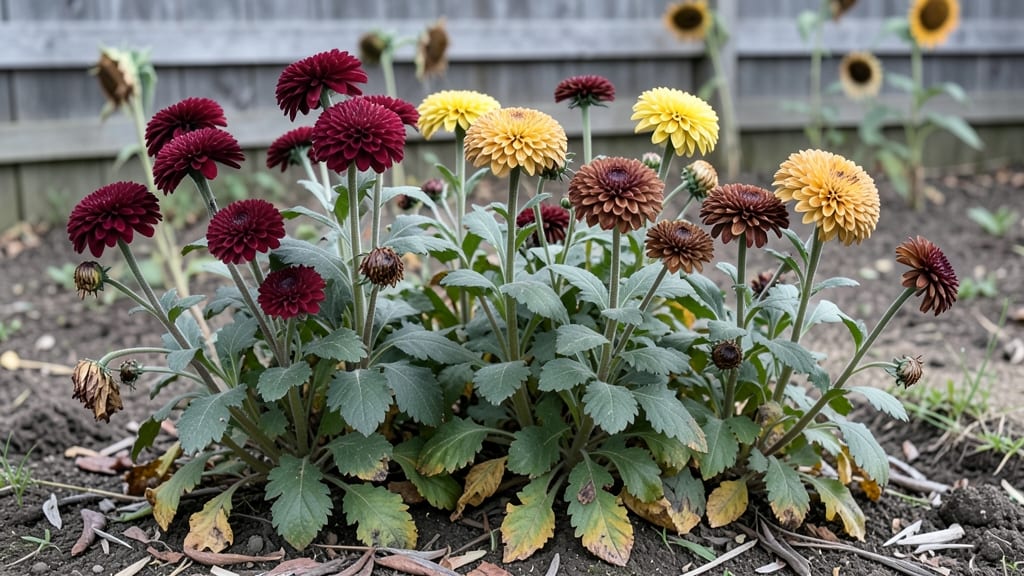
Autumn flowers bring the boldest color when temperatures dip and leaves turn gold. 🌻 I’ve learned the hard way that skipping these late-season stars means a garden that fades too soon—so I now plant chrysanthemums, asters, and ornamental kale to keep things vibrant through frost.
The secret isn’t just choosing the right varieties; it’s timing their care to match the season’s shift from warmth to chill.
Most autumn bloomers thrive with minimal fuss once you get the basics right: well-draining soil, morning sun, and regular deadheading to encourage new flowers. My go-to mix is a blend of compost and native soil, which keeps roots happy even as nights grow cooler.
Pruning back spent blooms in late summer extends their season, and a light mulch layer protects tender roots from early frosts.
What you’ll end up with is a garden that stays lively when others go dormant—think deep burgundy mums, lavender asters, and the delicate lace of Russian sage. The fragrance alone makes fall walks worth it, and these plants often return stronger each year with proper winter prep.
Even in small spaces, a few well-placed pots create instant impact.
Works for containers, borders, or mass plantings—just adjust spacing for your climate. Here’s how to pick the perfect varieties for your zone and keep them blooming until the first hard freeze.
📚 In This Guide
- What you need
- Instructions
- Tips and common mistakes
- Wrapping up and next steps
What you need
- ● Autumn-blooming flowers: Choose from chrysanthemums (mums), asters, goldenrod, sedum, or ornamental kale (10–20 plants, depending on desired coverage). Opt for cool-hardy varieties rated for your USDA zone (e.g., Zone 4–8).
- ● Well-draining soil: 5–10 bags of garden loam or compost mix (per 10 sq. ft. of planting area). Amend heavy clay with 1–2 inches of perlite or coarse sand.
- ● Organic fertilizer: A balanced 10-10-10 or slow-release 5-10-10 (1–2 lbs per 10 sq. ft.) to support root growth.
- ● Mulch: 2–3 inches of shredded bark or straw mulch to retain moisture and regulate soil temperature.
- ● Watering can or hose: With a fine-mist nozzle for gentle hydration (1–2 gallons per plant, 2–3 times weekly).
- ● Garden trowel or spade (for transplanting seedlings or dividing perennials).
- ● Pruning shears (sharp, bypass-style for clean cuts).
- ● Gloves (gardening or nitrile-coated for handling thorny plants like roses).
- ● Measuring tape or ruler (to space plants 12–24 inches apart, depending on variety).
- ○ Optional: A soil pH tester (aim for 6.0–7.0 for most autumn flowers).
- ● Container pots (10–15 gallon size for patio displays; ensure drainage holes!).
- ● Drip irrigation kit (for automated watering in larger gardens).
- ● Sunlight: Full sun (6+ hours/day) for most varieties; partial shade (3–6 hours) for delicate blooms like asters.
- ● Climate readiness: Plant after the last frost date in your area (typically late August–early September in cooler zones).
- ● Water source: Access to water for consistent moisture (autumn flowers hate soggy roots!).
Step-by-Step guide to selecting and planting late-season flowers
Here's how I bring bold autumn color to my garden—even when temperatures dip.
🌿 Step 1: Choose Cool-Weather Flowers That Thrive
Focus on varieties that bloom in 50-60°F temperatures and tolerate light frosts. My go-to picks are mums (chrysanthemums), asters, sedum, and pansies—they handle cooler weather like champs. Mums come in every color, while asters add height with their daisy-like blooms. For ground cover, sweet alyssum and lobelia provide delicate contrast.
Check your local nursery's fall catalog for disease-resistant varieties—they'll last longer in damp autumn conditions. I always ask for 'Autumn Joy' or 'Williamson' mums—they're the toughest in my experience. Avoid tropical flowers like impatiens; they'll bolt at the first chill.
☀️ Step 2: Prepare the Planting Site for Autumn Conditions
Test your soil's moisture retention—autumn flowers need well-draining soil but consistent moisture. If your garden drains poorly, mix in 2-3 inches of compost to improve structure. I add a handful of slow-release fertilizer (10-10-10) at planting time to give roots a boost before winter.
Choose a spot with 4-6 hours of sunlight daily. Even in autumn, flowers need light to bloom. If your yard is shady, opt for shade-tolerant varieties like heuchera (coral bells) or Japanese anemones. Mulch with 2-3 inches of shredded leaves after planting to protect roots from temperature swings.
🌱 Step 3: Plant with Proper Spacing for Wind Protection
Dig holes twice as wide as the root ball but only as deep. This encourages roots to spread outward instead of settling too deep. Space mums 12-18 inches apart, asters 18-24 inches, and sedum 10-12 inches. Tight spacing leads to crowded, weak stems that flop in autumn winds.
Water deeply right after planting—1 gallon per plant—to eliminate air pockets. I like to add a mulch ring around each plant to retain moisture. Avoid planting too late; aim for 4-6 weeks before your first frost so roots establish before cold sets in.
💧 Step 4: Adjust Watering for Cool, Damp Weather
Water in the early morning to prevent fungal diseases from overnight moisture. Most autumn flowers need 1 inch of water weekly, but check soil moisture—top 2 inches should feel dry before watering again. Overwatering in cool weather leads to root rot, especially in heavy clay soils.
Reduce watering as temperatures drop below 50°F. Many autumn flowers go dormant naturally, so let the soil dry slightly between waterings. I stop fertilizing after mid-October—new growth at that point won't harden off before frost.
✂️ Step 5: Deadhead and Protect Before Frost
Remove spent blooms regularly to encourage new flower production until frost. For mums, cut back one-third of the foliage after the first hard frost to promote bushier growth next spring. I always leave 2-3 inches of stem—this protects the crown from freezing.
Cover tender plants like pansies with frost cloth when nighttime temperatures drop below 30°F. Even hardy flowers benefit from a 2-inch layer of straw mulch around the base. This simple step keeps roots 5-10°F warmer and extends the season by weeks.
Tips & tricks for perfect late-season flower planting
A few key strategies will help you create a stunning autumn garden that blooms beautifully despite cooler temperatures.
Variety Selection Matters: When choosing your flowers, focus on those labeled as 'hardy' or 'disease-resistant'—these varieties handle autumn's damp conditions much better. For example, 'Autumn Joy' mums consistently outperform regular mums in cooler weather. I've found that asters and sedum actually thrive when temperatures drop below 60°F, producing their best blooms in these conditions.
Soil Preparation is Critical: The 2-3 inches of compost mentioned in Step 2 isn't just about nutrients—it dramatically improves drainage while retaining moisture. If your soil drains too quickly, add a bit of coconut coir to help hold water. For heavy clay soils, work in some perlite to create better aeration. I always test my soil's moisture retention before planting by digging a small hole and checking how quickly water drains.
Timing is Everything: Planting 4-6 weeks before your first frost gives roots ample time to establish, but don't wait until temperatures consistently drop below 50°F. I've learned this the hard way—planting too late in October can leave flowers struggling to establish before winter sets in. Use a soil thermometer to confirm your soil is above 60°F before planting.
Deadheading Technique: When removing spent blooms in Step 5, cut just above a set of healthy leaves rather than at the base. This encourages new growth from lower stems, giving you more blooms. For mums specifically, I find cutting back one-third of the foliage after the first frost actually improves next year's growth by redirecting energy to root development.
Pro Tips for Flowers Of Autumn
- A few key strategies will help you create a stunning autumn garden that blooms beautifully despite cooler temperatures.
- Variety Selection Matters: When choosing your flowers, focus on those labeled as 'hardy' or 'disease-resistant'—these varieties handle autumn's damp conditions much better.
- Soil Preparation is Critical: The 2-3 inches of compost mentioned in Step 2 isn't just about nutrients—it dramatically improves drainage while retaining moisture.
Frequently asked questions
Got questions about embracing autumn’s floral beauty? You’re not alone! Here are some of the most common queries—and answers—to help you make the most of late-season blooms in cool climates.
Which flowers bloom best in autumn’s cooler temperatures?
Autumn thrives with hardy blooms like mums, aster, sedum, chrysanthemums, and Japanese anemones. These varieties love crisp air and can handle light frosts. For containers, try pansies or calendula—they’re tough and add vibrant pops of color!
When is the perfect time to plant autumn flowers?
For most cool-climate flowers, aim for 6–8 weeks before your first frost (typically mid-to-late August in many regions). This gives roots time to establish before winter. Check your USDA zone for precision—just don’t wait too late, or your blooms may struggle to take hold!
Can I still grow flowers in autumn if I live in a very cold area?
Opt for evergreen shrubs (like boxwood or holly), winter jasmine, or heather for year-round interest. For annuals, choose cold-hardy varieties (e.g., stock or snapdragons) and use mulch to protect roots. Containers can be moved to sheltered spots too!
Why are my autumn flowers wilting or dying early?
Common culprits include overwatering (roots rot in cool, damp soil), poor drainage, or pests like aphids. Check soil moisture (keep it evenly moist, not soggy) and inspect leaves for pests. Deadheading spent blooms also encourages new growth—just snip above a leaf pair!
What’s the best way to extend autumn flower color into winter?
Mix evergreen foliage (e.g., ornamental grasses or heuchera) with late bloomers like winter aconite or snowdrops. Add mulch to insulate roots and use dried flowers (like strawflowers) in arrangements for indoor winter cheer!
Wrapping up and next steps
As the leaves turn golden and crisp air fills the breeze, autumn’s flowers of late season prove that beauty thrives even in cooler climates. From hardy chrysanthemums to delicate asters, these blooms bring warmth, resilience, and a touch of magic to your garden—and your soul.
Whether you’re a seasoned gardener or just starting, now’s the perfect time to embrace their vibrant hues and effortless charm.
Ready to transform your outdoor space? Start small: Pick one flower from this guide, gather your supplies, and dive in! The best part? These plants will reward you with color long after summer fades. Happy planting! 🌼