Flowers
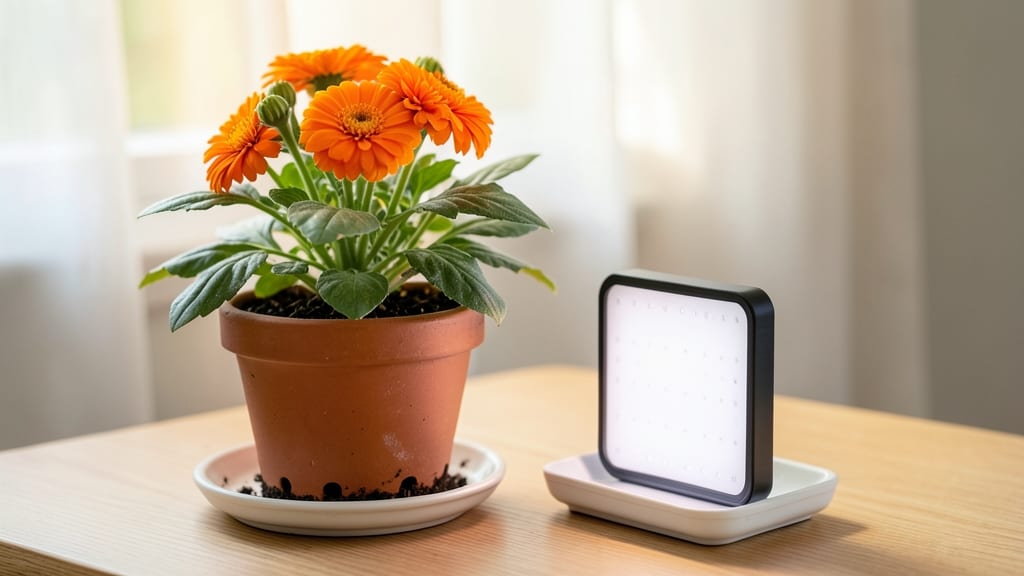
Your kitchen windowsill could be growing vibrant, edible flowers in just 30 days—no greenhouse or fancy setup required. 🌸 I’ve grown nasturtiums, pansies, and borage indoors for years, and the secret is choosing the right varieties, containers, and light conditions.
These flowers aren’t just beautiful; they’re packed with flavor and safe to eat once you confirm they’re the real deal (no toxic look-alikes!). The best part? You’ll need minimal supplies: shallow containers with drainage, lightweight potting mix, and a sunny spot.
Even a south-facing window works, though a grow light helps if your space is dim. Start with seeds or young plants from a trusted nursery, and you’re set. Within weeks, you’ll have blooms bright enough to garnish salads or infuse honey—plus, the process is oddly satisfying.
What you’ll end up with is a sunlit harvest of edible petals that add color and crunch to dishes. Imagine fresh nasturtiums on your morning omelet or pansies scattered over summer cocktails. The key is consistent moisture (but not soggy soil) and a little pruning to keep plants bushy.
Troubleshooting is simple: leggy stems mean more light, and pests? A spray bottle of water usually does the trick. This method works year-round, whether you’re in a tiny apartment or a cozy cottage. Next, let’s pick your flowers and get growing!
📚 In This Guide
- What you need
- Instructions
- Tips and common mistakes
- Wrapping up and next steps
What you need
- ● Containers: 4–6-inch diameter pots (2–3 per flower type) with drainage holes. Terracotta or ceramic work best!
- ● Potting Mix: 2–3 bags of well-draining, organic potting soil (avoid garden soil—it’s too dense!). Look for mixes labeled "seed starting" or "container gardening."
- ● Edible Flower Seeds: Fast-growing varieties like nasturtiums, pansies, or calendula (1–2 seed packets per pot). Check seed packets for indoor-growing suitability!
- ● Watering Can or Spray Bottle: A gentle spray nozzle prevents overwatering.
- ○ Grow Lights (Optional but Helpful): A full-spectrum LED grow light (12–16 watts) for 6–8 hours/day if natural light is <12 hours.
- ● Trowel or Small Shovel: For transplanting seedlings (if starting from seeds).
- ● Fertilizer: Balanced liquid fertilizer (5-5-5 NPK ratio) or worm castings (dilute to half-strength).
- ● Twine or Small Stakes: To support taller flowers like borage or violas.
- ○ Humidity Dome (Optional): A clear plastic cover to retain moisture while seeds germinate.
- ● Scissors or Pruners: For harvesting flowers (sterilize with rubbing alcohol!).
Step-by-Step instructions for growing edible flowers indoors
Here's how to coax vibrant, tasty blooms from your kitchen window in just a month.
🌱 Step 1: Select Fast-Growing Varieties and Prepare Containers
Start with quick-maturing edible flowers like nasturtiums, pansies, or violas—these bloom in 3-4 weeks from seed. I always choose small pots (4-6 inches wide) with drainage holes to prevent soggy roots. Fill each container with 2-3 inches of seed-starting mix, leaving ½ inch of space at the top for watering.
Press the soil down gently until it's firm but not compacted. The surface should feel like a damp sponge—moist but not dripping. I like to tap the pot on my workbench once to settle the mix evenly. This prevents air pockets that could delay germination.
🌱 Step 2: Sow Seeds at the Right Depth and Water Gently
Scatter seeds thinly across the soil surface—edible flowers like nasturtiums germinate easily, but crowding leads to weak stems. Cover with just a sprinkle of additional mix (⅛ inch max). Press lightly so seeds make contact with soil but don't bury them too deep.
Mist the surface with a spray bottle until the soil looks uniformly damp. Avoid heavy watering here—it washes seeds away or buries them too deep. I place the tray in a sealed plastic bag for 48 hours to create a humid environment, which speeds up germination. Check daily for condensation—remove the bag if water droplets form.
☀️ Step 3: Provide Bright Light and Maintain Consistent Moisture
Move containers to the brightest window you have, ideally south-facing. Edible flowers need 6+ hours of direct light daily to prevent leggy growth. If your window isn't sunny enough, supplement with a grow light kept 4-6 inches above the plants for 12-14 hours daily.
Water when the top ½ inch of soil feels dry—stick your finger in to check. You'll see strong seedlings develop round, glossy leaves within 10-14 days. At this stage, I switch to bottom-watering by placing pots in a tray of water for 10 minutes to encourage deep root growth.
✂️ Step 4: Thin and Fertilize for Lush Blooms
When seedlings have 2 sets of true leaves (not the initial seed leaves), thin to the strongest plant per pot. Snip the extras at the soil line with clean scissors—this prevents competition. I always keep 1-2 plants per 6-inch pot for best results.
Feed with a balanced liquid fertilizer (10-10-10) diluted to half-strength every 2 weeks once flowers appear. You'll notice buds form in 3-4 weeks if light and moisture are right. Pinch back any spent blooms to encourage more flowers—this keeps plants bushy and productive.
🌿 Step 5: Harvest and Enjoy Your Homegrown Edibles
Pick flowers in the morning when petals are fully open but still crisp. Use clean scissors to snip stems just above a leaf node. Nasturtiums and pansies taste best when harvested young—wait until petals are fully unfurled but before they start wilting.
Garnish salads, infuse honey, or sprinkle over desserts. I always save a few blooms to dry between pages of a book for winter use. With proper care, your windowsill harvest can last 8-12 weeks before replanting.
Tips & tricks for perfect indoor edible flowers
Transforming your windowsill into a fragrant edible garden is easier than you think—here are the secrets to thriving blooms.
Humidity Hack: That 48-hour humidity boost in Step 2 is your secret weapon for faster germination. I like to prop up a small tray of water near the pots during this time too—it creates a microclimate that keeps the soil consistently moist without overwatering. Just remove the tray once seeds sprout to avoid fungal issues.
Light Strategy: In Step 3, if your south-facing window isn't bright enough, rotate your pots daily so all sides get equal light exposure. I've seen leggy seedlings grow when one side gets more sun—this simple rotation keeps them compact and strong. For extra insurance, place a mirror angled toward the window to reflect light onto the darker side.
Thinning Technique: When you're thinning in Step 4, don't just pull the weak seedlings—use clean scissors to snip them at soil level. This prevents disturbing the roots of your keepers. I always save the thinned seedlings to replant in a separate pot if I have extra space—they'll often grow into new plants!
Harvest Timing: For the freshest flavor in Step 5, harvest flowers in the morning after the dew has dried but before the heat of the day. I've noticed that nasturtiums picked at this time stay crisp for days in the fridge, while those harvested later wilt faster. Always use sharp scissors to avoid crushing stems—this keeps your plants producing new blooms.
Pro Tips for Growing Edible Flowers Indoors
- Transforming your windowsill into a fragrant edible garden is easier than you think—here are the secrets to thriving ...
- Humidity Hack: That 48-hour humidity boost in Step 2 is your secret weapon for faster germination. I like to prop up ...
- Light Strategy: In Step 3, if your south-facing window isn't bright enough, rotate your pots daily so all sides get e...
Frequently asked questions
Got questions about growing edible flowers indoors? You’re not alone! Here are some of the most common concerns—and their answers—to help you cultivate a thriving windowsill garden with ease.
Which edible flowers are easiest to grow indoors?
Start with nasturtiums, pansies, or calendula—they’re fast-growing, resilient, and thrive in containers with just 4–6 hours of sunlight. Basil flowers (like those on Thai basil) are another great beginner pick since they grow alongside your herbs!
How long does it take to harvest edible flowers indoors?
Most edible flowers bloom in 3–6 weeks with proper care, but some (like violas) may take up to 8 weeks. Check seed packets for specific timelines, and harvest petals in the morning when they’re freshest and most vibrant.
What if my flowers aren’t blooming?
Lack of light or nutrients are the usual culprits. Move your plants to a sunnier spot (south-facing windows are ideal) or supplement with a grow light for 12–14 hours/day. Overcrowding or underwatering can also stall blooms—ensure pots have drainage and soil stays lightly moist.
Can I grow edible flowers without natural sunlight?
Use a full-spectrum LED grow light (like those designed for herbs) 6–8 inches above plants for 10–12 hours daily. Microgreens with edible flowers (e.g., sunflower sprouts) are another low-light option—just keep them hydrated!
Are all edible flowers safe to eat raw?
Most are, but always double-check before consuming. Some flowers (like foxglove or oleander) are toxic—stick to proven edibles like marigolds, roses (petals only, pesticide-free), and borage. When in doubt, cook them (e.g., in salads or teas) to reduce risk.
Wrapping up and next steps
Growing edible flowers indoors isn’t just a rewarding hobby—it’s a delicious way to bring freshness and color to your meals! With the right sunlight, soil, and care, you can enjoy vibrant blooms like nasturtiums or pansies in just 30 days.
Whether you’re a beginner or a seasoned gardener, this sunlit windowsill harvest is your ticket to homegrown flavor.
Ready to dive in? Start with one easy-to-grow variety and watch your kitchen transform into a mini garden. Your next step? Grab your seeds, a sunny spot, and let the blooms begin! 🌱✨