
Aphids
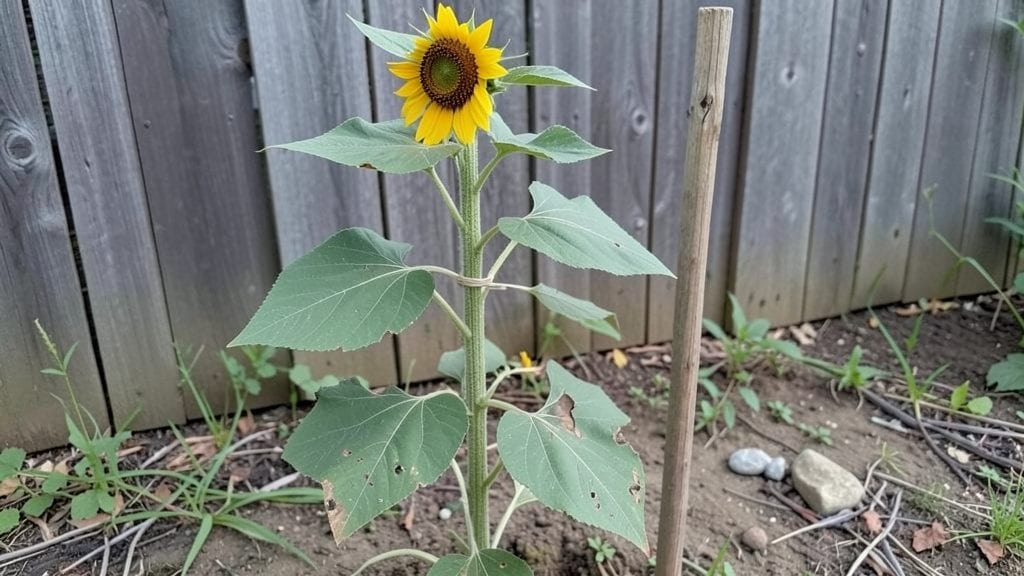
Supporting sunflowers isn't just about keeping them upright—it's about unlocking their full towering potential. 🌻 I've learned the hard way that skipping stakes turns those majestic blooms into floppy messes by mid-summer, but the right support transforms them into the showstoppers they're meant to be.
The key is choosing the right method for your sunflower variety and growing conditions, whether that's windy city patios or sheltered backyard plots.
You'll need just a few simple supplies: sturdy bamboo stakes or spiral supports, soft gardening twine, and a little patience for training. Tall varieties like 'Mammoth' or 'Russian Giant' need support from day one, while shorter types might only need help when they hit 3-4 feet.
The trick is to tie the stems loosely—tight knots strangle growth as they thicken.
What you end up with is sunflowers that stand proud through storms and heavy blooms, their faces turning fully toward the sun. The stems stay strong, the foliage stays healthy, and you avoid the heartbreak of watching them topple over just as they reach their prime.
This method works for container gardens too—just use wider bases for stability.
Here's where it gets interesting: the same support techniques that keep stems upright also create better airflow around the foliage, which coincidentally makes them less appealing to pests like aphids. Less crowding means fewer hiding spots for those tiny invaders. Ready to turn floppy stems into garden stars?
📚 In This Guide
- What you need
- Instructions
- Tips and common mistakes
- Wrapping up and next steps
What you need
- ● Sunflower seeds – Choose pest-resistant varieties (e.g., 'Autumn Beauty' or 'Moulin Rouge') or organic, non-GMO seeds. Quantity: 1–2 lbs (enough for 50–100 plants).
- ● Compost or well-aged manure – Boosts soil health and plant resilience. Quantity: 2–3 gallons per 10 sq ft of planting area.
- ● Organic mulch – Straw, grass clippings, or shredded leaves to suppress weeds and retain moisture. Quantity: 2–3 inches thick, spread evenly.
- ● Neem oil (100% cold-pressed) – Natural pesticide/repellent. Quantity: 1–2 tbsp per gallon of water for spraying.
- ● Insecticidal soap – Targets aphids without harming beneficial insects. Quantity: 1–2 tbsp per quart of water.
- ● Diatomaceous earth (food-grade) – Dries out aphids and other soft-bodied pests. Quantity: 1–2 tbsp per plant (apply lightly).
- ○ Garden gloves – Protect your hands from thorns and soil. Optional: Nitrile gloves for extra sensitivity.
- ● Hand trowel or transplanting spade – For digging and planting. Specification: 6–8 inches long for precision.
- ○ Watering can or hose with adjustable nozzle – Gentle watering prevents aphid attraction. Optional: Drip irrigation kit for efficiency.
- ○ Spray bottle (16–32 oz) – For neem oil or insecticidal soap applications. Optional: Backpack sprayer for larger gardens.
- ● Pruning shears – To trim infested leaves or encourage airflow. Specification: Bypass pruners (sharp and clean).
- ● Row covers (floating fabric) – Protects seedlings from early pests. Specification: Lightweight, breathable mesh (e.g., 30% shade cloth).
- ● Companion plants – Marigolds, basil, or garlic deter aphids naturally. Quantity: 1–2 plants per 4 sq ft.
- ● Ladybugs or lacewing larvae – Beneficial insects that eat aphids. Quantity: 50–100 per acre (release at dusk).
- ● Reflective mulch (aluminum foil or silver plastic) – Confuses aphids and other pests. Use sparingly: 1–2 sheets per 10 sq ft.
- ● Pheromone traps (aphid-specific) – Monitors and reduces pest populations. Quantity: 1–2 traps per 100 sq ft.
Step-by-Step guide to supporting sunflowers organically
Sunflowers grow fast but need sturdy support to handle their weight—here’s how to keep them standing tall.
🌱 Step 1: Choose the Right Support System
Sunflowers need support when they reach 3-4 feet tall, but the type depends on your variety. For standard 6-8 foot types, use wooden stakes (5-6 feet long) or bamboo poles. Dwarf varieties (under 4 feet) only need smaller stakes (3-4 feet). I like 3-inch wide stakes—they’re sturdy enough to prevent leaning but won’t damage stems.
Skip flimsy twine or single strings—they’ll snap under the weight. Instead, opt for two stakes per plant placed 6-8 inches apart on either side. This creates a natural "V" that cradles the stem without restricting growth. Drive stakes 2-3 inches deep into the soil for stability, but leave the top 12 inches above ground to avoid blocking sunlight.
🪴 Step 2: Position Stakes Early and Secure Gently
Install stakes within 1-2 weeks of planting—before the stem thickens. Push them into the soil 2-3 inches from the plant, angling slightly outward to create a 30-degree lean. This prevents the stake from poking the stem as it grows. Use your fingers to gently press the young stem between the stakes, but never tie it tightly—sunflower stems need room to thicken.
I avoid wrapping stakes with wire or tight ties because they can girdle the stem as it expands. Instead, use soft garden twine or old fabric strips loosely tied in a figure-eight pattern around both the stake and stem. Check ties weekly—they’ll need adjusting as the plant grows. If the stem outgrows the stake, add a second stake on the opposite side before the flower head forms.
☀️ Step 3: Monitor and Adjust as Sunflowers Grow
Watch for leaning or bending—this usually means the stake isn’t deep enough or the plant is growing unevenly. If the stem sways in wind, add a horizontal support by tying a lightweight branch or dowel between two stakes at mid-height. This creates a "tripod" effect that stabilizes the plant without restricting movement.
Here’s the thing—sunflowers will test your supports. When the flower head forms, the weight shifts dramatically. If you see the stem bowing under the bloom, reinforce immediately. I’ve seen 10-foot sunflowers snap at the base if stakes weren’t checked every 5-7 days during the budding stage. A quick adjustment now saves hours of cleanup later.
✂️ Step 4: Prune Strategically to Reduce Strain
Sunflowers grow side shoots that drain energy from the main stem. Remove these suckers (small stems at the base) when they’re 2-3 inches tall—they’ll compete for nutrients and make the plant top-heavy. Use clean, sharp pruners and cut at a 45-degree angle just above a leaf node to encourage healthy regrowth.
Don’t over-prune, though. Leave 1-2 strong side shoots if your goal is multiple smaller blooms—just monitor their weight. If the main stem starts to split or crack under the flower’s weight, reduce watering slightly (but never let soil dry out completely). A slightly drier stem is stronger and less prone to snapping than one overloaded with moisture.
💧 Step 5: Water and Fertilize for Stability
Deep, infrequent watering encourages deeper root systems that anchor the plant better. Water once a week (more in extreme heat) at the base, avoiding the leaves to prevent fungal issues. I water in the early morning so foliage dries quickly—wet leaves + wind = broken stems.
Add a balanced organic fertilizer (10-10-10) when plants are 1 foot tall, then again when buds form. Too much nitrogen makes stems soft and weak, while phosphorus and potassium strengthen cell walls. If your sunflowers start yellowing at the base, they’re nitrogen-burned—cut back on fertilizer and focus on watering deeply instead.
Tips & tricks for supporting sunflowers organically
A few simple strategies will help you avoid the heartbreak of snapped stems and flopping blooms.
Stake Placement is Everything: When positioning your two stakes 6-8 inches apart in Step 1, imagine creating a gentle cradle for the stem. The 30-degree lean mentioned in Step 2 isn't just about aesthetics—it prevents the stake from rubbing against the stem as it grows. I've seen sunflowers grow right into stakes that were positioned straight up, creating painful gashes. Angle those stakes properly, and you'll save yourself a lot of pruning later.
The Weekly Check-In: That 5-7 day monitoring window during the budding stage in Step 3 is non-negotiable. I learned this the hard way when a 10-foot sunflower snapped in my garden—it happened between my weekly checks. Set a phone reminder or tie a bright ribbon to the stem as a visual cue. When the flower head starts forming, that's when you need to be most vigilant about checking for bowing or leaning.
Pruning Like a Pro: Those 2-3 inch suckers at the base might look harmless, but they're siphoning energy from your main stem. Use clean pruners and make your cuts at a 45-degree angle just above a leaf node—this encourages healthy regrowth. I always prune on a dry morning when the stems are firm, and I never remove more than 20% of the foliage at once. Remember, you're not just removing growth—you're shaping the plant's energy toward that glorious bloom.
Wind Defense Strategy: If you're in a particularly windy area, consider adding a horizontal support between stakes at mid-height as mentioned in Step 3. I've had great success using lightweight bamboo canes tied between stakes with soft twine. This creates a natural "tripod" effect that stabilizes the plant without restricting its movement. Think of it as giving your sunflower a gentle hug—just enough support to keep it standing tall without squeezing too tight.
Pro Tips for Support Sunflowers
- A few simple strategies will help you avoid the heartbreak of snapped stems and flopping blooms.
- Stake Placement is Everything: When positioning your two stakes 6-8 inches apart in Step 1, imagine creating a gentle cradle for the stem.
- The Weekly Check-In: That 5-7 day monitoring window during the budding stage in Step 3 is non-negotiable.
Frequently asked questions
Got questions about keeping your sunflowers thriving with organic pest barriers? Here are some of the most common ones—and their answers!
What’s the best organic material to use as a pest barrier for sunflowers?
For sunflowers, diatomaceous earth (DE) or neem oil are top choices—both deter aphids and other pests without harming your plants. DE creates a physical barrier, while neem oil disrupts pests’ life cycles. For a physical barrier, try straw mulch or cardboard collars around the base to block crawling insects.
How long does it take for organic pest barriers to work?
Results vary! Diatomaceous earth starts working within hours (just reapply after rain), while neem oil may take 24–48 hours to show effects. Physical barriers like row covers or mulch provide immediate protection but need consistent maintenance. Monitor your plants daily for early signs of pests.
Will organic pest barriers harm bees or beneficial insects?
Most organic options are bee-safe if used correctly. Avoid spraying neem oil directly on flowers (apply at dusk instead), and never use DE in windy conditions. Beneficial insects like ladybugs and lacewings thrive with companion planting (e.g., marigolds or basil) and avoid broad-spectrum sprays.
Can I use coffee grounds as a pest barrier for sunflowers?
Coffee grounds are a great soil amendment (adds nitrogen and deters slugs), but they’re not a strong pest barrier for aphids. Mix them into the soil around your sunflowers for extra nutrition, but pair them with DE or neem oil for aphid control. Sprinkle used grounds sparingly—too much can acidify the soil.
What should I do if aphids return after using organic barriers?
If aphids persist, rotate your methods: try a soapy water spray (1 tsp mild soap per quart of water), introduce aphid-eating ladybugs, or use kaolin clay as a protective film. Check for hidden infestations on undersides of leaves and remove heavily infested growth. Consistency is key!
Wrapping up and next steps
Supporting your sunflowers with organic pest barriers isn’t just about protecting them—it’s about nurturing their natural beauty and resilience! 🌻 From companion planting to DIY sprays, these methods are simple, effective, and kind to your garden.
With the right tools and a little patience, you’ll watch your sunflowers thrive, standing tall and proud against pests.
Ready to take action? Start small: pick one barrier method today, observe how your sunflowers respond, and adjust as needed. Happy gardening—your sunflowers (and pollinators!) will thank you! 🌱