
Flowers
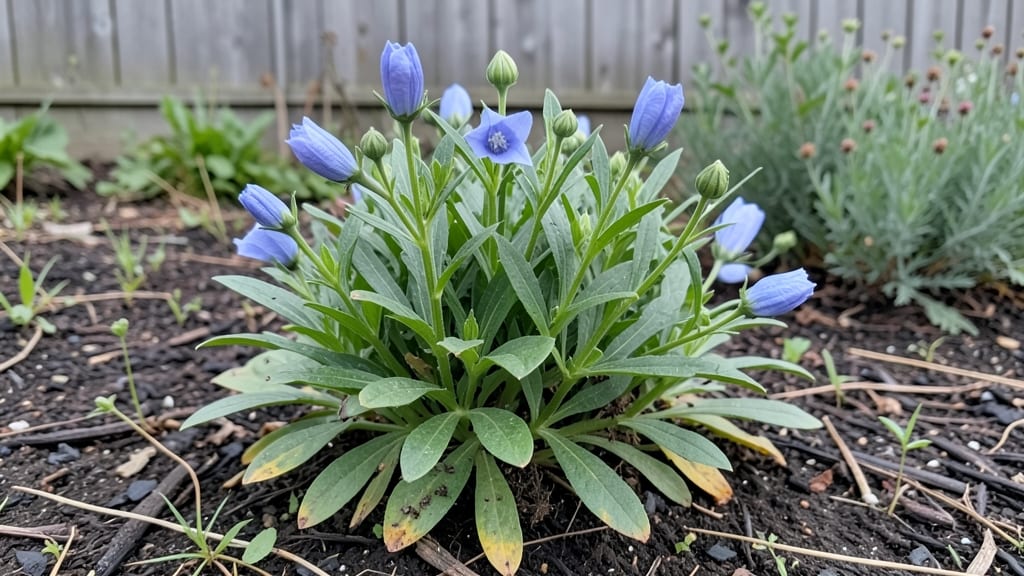
The Komachi balloon flower thrives in Pacific Northwest gardens where frost won’t stop its stunning blooms. 🌿 I’ve grown this delicate beauty for years, and its ability to bounce back from winter freezes makes it my go-to for reliable color.
The secret lies in its love for well-drained soil and partial shade—exactly what our rainy climate provides.
This hardy perennial (zones 3-8) rewards patience with vibrant blue-purple blooms that pop against deep green foliage. Plant in early spring or fall, spacing them 12-18 inches apart for that classic cottage-garden look.
The real magic happens when those balloon-shaped buds unfurl into starry flowers—it’s like watching fireworks in your own yard.
Slugs and powdery mildew are the only real challenges, but a light copper tape barrier and proper spacing keep pests at bay. Prune spent blooms to encourage more flowers, and you’ll enjoy months of color from summer through fall.
The best part? These flowers naturalize over time, creating a self-sustaining display year after year.
Pair them with asters or Russian sage for a showstopping late-season combo, or let them mingle with hostas for a lush woodland feel. Whether you’re filling a border or adding height to a shade garden, Komachi delivers effortless perfection with minimal fuss.
📚 In This Guide
- What you need
- Instructions
- Tips and common mistakes
- Wrapping up and next steps
What you need
- ● Komachi Balloon Flower Seeds or Bare-Root Plants: 1–3 plants (or seeds) per desired cluster (they self-seed easily!)
- ● Choose Platycodon grandiflorus 'Komachi' for its frost-hardy, vibrant blooms.
- ● Well-Draining Soil: Mix of garden soil, compost (20–30%), and perlite or sand (10%) for aeration.
- ● pH: 6.0–7.0 (slightly acidic to neutral).
- ● Sunlight Access: Full sun to partial shade (4–6 hours of sunlight daily).
- ● Watering Can or Hose: With a gentle spray nozzle for delicate watering.
- ○ Mulch (Optional but Recommended): 2–3 inches of organic mulch (e.g., straw or shredded bark) to retain moisture and protect roots in PNW winters.
- ● Garden Trowel or Transplant Spade (for digging holes or planting seeds).
- ● Gloves (to protect hands from soil and thorns on stems).
- ● Pruning Shears (for deadheading spent blooms or shaping plants).
- ● Fertilizer: Balanced 10-10-10 or low-phosphorus fertilizer (e.g., fish emulsion) applied 2–3 times per season.
- ○ Staking (Optional): 3–4 bamboo stakes (if plants grow taller than 2 feet in windy PNW areas).
Step-by-Step instructions for planting Komachi balloon flower
Here's how to cultivate this Pacific Northwest standout with minimal fuss—once established, it thrives for decades.
🌱 Step 1: Select and Prepare the Planting Site
Komachi balloon flowers (Platycodon grandiflorus) perform best in partial shade to full sun with 6+ hours of morning light—critical for the PNW's intense afternoon sun. Choose a spot with well-draining soil (they rot easily in soggy conditions). Test drainage by digging a 6-inch hole—if water pools after 30 minutes, amend with 2-3 inches of compost mixed into the native soil.
These plants handle USDA Zones 3-8 and tolerate light frost, but avoid low-lying areas where cold air settles. I always plant mine on a slight mound to prevent winter waterlogging. The ideal soil pH is 6.0-7.0—test with a kit if your yard soil leans acidic (common in the PNW).
🪴 Step 2: Plant at the Right Depth and Spacing
Dig a hole twice as wide as the root ball but only as deep as the container's base—planting too deep suffocates the crown. Gently loosen the roots if they're circling and position the plant so the top of the root ball sits 1 inch below soil level. This prevents crown rot while allowing flexibility for winter mulch.
Space plants 18-24 inches apart—Komachi forms clumping habits but needs room to mature. For a 4-plant border, arrange them in a square formation for balanced blooms. Water deeply after planting to eliminate air pockets, then let the soil dry slightly before watering again (top inch dry is ideal).
☀️ Step 3: Establish a Watering and Fertilizing Routine
Komachi needs consistent moisture the first year to develop strong roots. Water 2-3 times weekly until new growth appears, then taper to once weekly once established. In the PNW's rainy seasons, reduce to every 10-14 days—overwatering is the #1 killer. You'll know it's right when the soil feels damp but not soggy 2 inches down.
Fertilize lightly in early spring with a balanced 10-10-10 formula (½ teaspoon per plant). Avoid high-nitrogen feeds—Komachi prioritizes blooms over foliage. I top-dress with 1 inch of compost in late summer to prepare for next year's growth. Deadhead spent blooms to encourage prolonged flowering through late summer.
✂️ Step 4: Prune and Overwinter for Longevity
Cut back brown foliage in early spring (March) to 2 inches above ground—this stimulates fresh growth. In fall, reduce deadheading but leave 3-4 inch stems for winter interest. Komachi's woody stems are frost-resistant, but mulch with 3 inches of shredded bark after the first hard freeze to protect the crown.
Here's the thing—Komachi self-seeds minimally, so I pull volunteer seedlings in spring to maintain clump purity. If you want to propagate, divide mature clumps in early fall when foliage yellows. Dig up the plant, separate sections with 3-4 stems each, and replant immediately—they establish faster than transplants.
🌿 Step 5: Monitor for Pests and Adjust Care
Watch for aphids on new shoots—spray with neem oil if clusters appear. Slugs may nibble young leaves, but Komachi's thick stems deter most pests. If leaves yellow between veins, it's iron deficiency—apply chelated iron in spring. Over time, these plants become low-maintenance workhorses that outperform annuals.
Real talk: The first year is critical. If you skip mulching or overwater, you'll get leggy stems and sparse blooms. But once established, Komachi balloon flowers deliver decades of drama with almost no effort—just remember: drainage > everything, and less fertilizer > more blooms.
Tips & tricks for perfect Komachi balloon flower cultivation
These pro tips will help you avoid common pitfalls and get the most stunning blooms from your Komachi plants—especially in the challenging PNW climate.
Soil Preparation Secret: The 30-minute drainage test in Step 1 is non-negotiable. I've seen Komachi plants rot within weeks in heavy clay soil, no matter how well they seemed established. If your soil fails the test, mix in 2-3 inches of perlite along with the compost—this creates air pockets that prevent root suffocation. For container growing, use a mix of 50% potting soil, 30% perlite, and 20% compost for perfect drainage.
Planting Depth Visual: When positioning your Komachi in Step 2, imagine the top of the root ball sitting at the same level as where it grew in its container. The 1-inch below soil level guideline means the crown should be just covered—not buried. I use a small stake to mark the ideal depth before planting, which prevents the common mistake of planting too deep and suffocating the crown.
Watering Wisdom: The 2-3 times weekly watering in Step 3 is a guideline, not a rule. In the PNW's rainy seasons, I often reduce to every 10-14 days once established—but I check the 2-inch soil depth first. Stick your finger in the soil: if it's damp, wait; if it's dry, water. Overwatering causes more Komachi failures than underwatering, and the plants actually prefer slightly drier conditions once established.
Frost-Proofing Hack: For Zone 3-4 growers, extend the 3 inches of shredded bark mulch from Step 4 to 4-5 inches in the first winter. This extra insulation prevents crown heave—the painful cycle where roots freeze, thaw, and lift out of the soil. I also mound soil slightly higher around the base in late fall to create an extra protective barrier against winter winds.
Pro Tips for Komachi Balloon Flower
- These pro tips will help you avoid common pitfalls and get the most stunning blooms from your Komachi plants—especially in the challenging PNW climate.
- Soil Preparation Secret: The 30-minute drainage test in Step 1 is non-negotiable.
- Planting Depth Visual: When positioning your Komachi in Step 2, imagine the top of the root ball sitting at the same level as where it grew in its container.
Frequently asked questions
Got questions about growing Komachi balloon flowers? You’re not alone!
Here are some of the most common queries from gardeners in the Pacific Northwest—and beyond—ready to cultivate this stunning, frost-hardy beauty.
When is the best time to plant Komachi balloon flowers in the PNW?
The ideal window is early spring (March–April) or early fall (September–October), once soil temperatures reach at least 40°F (4°C). Planting in spring gives roots time to establish before summer heat, while fall planting lets them settle before winter dormancy. Avoid planting in late summer—drought stress can harm young plants!
How cold can Komachi balloon flowers tolerate?
This variety is extremely cold-hardy, thriving in USDA Zones 3–9. It handles light frosts without issue and even survives winter dormancy in snowy PNW climates. Just ensure well-draining soil to prevent root rot from soggy winters.
How long does it take for Komachi balloon flowers to bloom?
With proper care, you’ll see first blooms in 60–90 days after planting (spring-sown) or the following summer (fall-planted). Patience pays off—mature plants (2+ years old) produce show-stopping clusters of lavender-blue flowers from mid-to-late summer through fall.
What should I do if my Komachi balloon flowers aren’t blooming?
Don’t panic! Common culprits include:
- Insufficient sunlight: Ensure full sun (6+ hours/day)—partial shade may delay blooms.
- Over-fertilizing: Too much nitrogen = leafy growth, fewer flowers. Use a low-phosphorus fertilizer (like 5-10-5) in early spring.
- Stress from transplant shock: Give plants 2–3 weeks to acclimate before expecting blooms.
Are there any alternatives to Komachi if I want similar frost-resistant flowers?
Try these PNW-friendly, cold-tolerant perennials with comparable charm:
- Russian Sage (Perovskia atriplicifolia): Drought-resistant, lavender spikes, Zone 5–9.
- Catmint (Nepeta spp.): Long-blooming, deer-resistant, Zone 3–8.
- Lungwort (Pulmonaria): Early spring blooms, Zone 3–8, thrives in shade.
- Bee Balm (Monarda): Bold flowers, attracts pollinators, Zone 4–9.
Wrapping up and next steps
Growing Komachi Balloon Flower in the Pacific Northwest isn’t just about adding beauty to your garden—it’s about embracing a hardy, low-maintenance plant that thrives in your climate. 🌿 With its striking blooms and resilience to frost, this flower is a dream for both beginners and seasoned gardeners alike.
Whether you’re drawn to its delicate petals or its ability to brighten shady spots, now’s the perfect time to plant your own.
Ready to take the next step? Pick a sunny or partially shaded spot, gather your supplies, and get those seeds in the ground—your future garden will thank you! 🌱