
Flowers
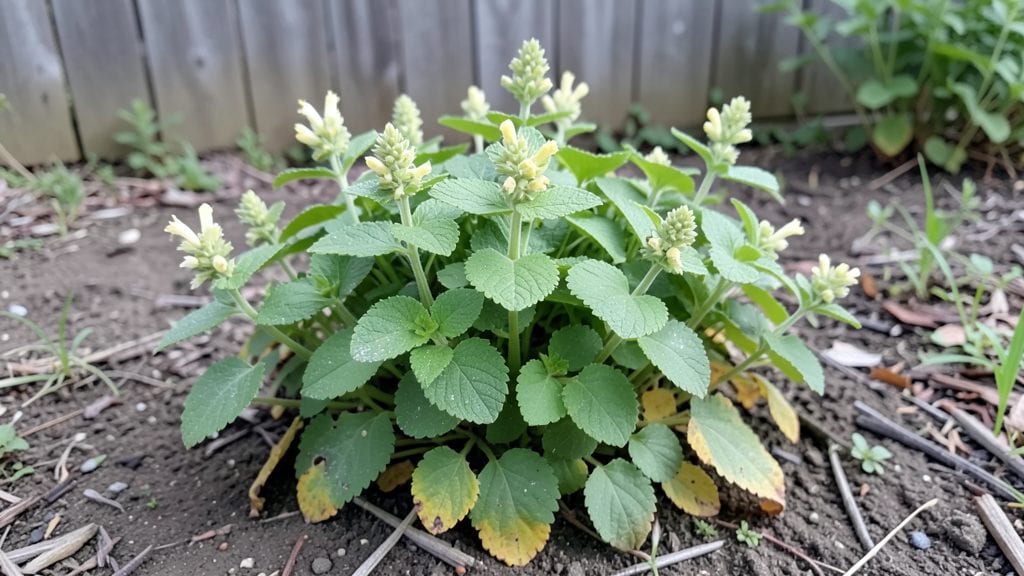
The lemon balm flowers you’ll grow are more than just pretty—they’re fragrant, hardy, and packed with uses from tea to pest control. 🌿 I’ve grown lemon balm for years, and its lemony scent and adaptability make it a standout in any garden, whether as a border or a pollinator magnet.
This plant thrives in partial shade to full sun and tolerates almost any soil, though it spreads aggressively if unchecked. The secret to managing it lies in pruning and placement—contain it in pots or designate a spot where its vigor won’t overwhelm other plants.
Within weeks, you’ll see lush foliage with delicate white or pale yellow flowers that attract bees and butterflies.
Beyond its beauty, lemon balm’s leaves make a refreshing tea, repels mosquitoes, and even calms nerves. The flowers themselves are edible and add a mild citrus note to salads. Just be ready for its enthusiasm—it’s the kind of plant that rewards bold gardeners with effortless charm.
Whether you’re using it as a fragrant hedge, a medicinal herb, or a pollinator-friendly addition, lemon balm delivers year after year. Here’s how to grow it without the headaches—so you can enjoy its benefits without the chaos.
📚 In This Guide
- What you need
- Instructions
- Tips and common mistakes
- Wrapping up and next steps
What you need
- ● Lemon balm plants or seeds: Start with Melissa officinalis seeds or nursery-grown plants (6-12 inches tall for best results).
- ● Seeds: 10-20 seeds per plant (or pre-sprouted seedlings).
- ● Growing medium: Well-draining potting mix (for containers) or fertile garden soil (amend with compost for best growth).
- ○ Optional but recommended: Perlite or sand (10-20% mix) to improve drainage.
- ● Containers (if not planting in-ground): 5-10 gallon pots or raised beds (lemon balm spreads aggressively—choose deep containers to contain roots).
- ● Drainage holes required!
- ● Sunlight access: Full sun to partial shade (6+ hours of sunlight daily for optimal blooms).
- ● Watering supplies: Watering can or hose with a gentle spray nozzle.
- ● Fertilizer: Balanced, organic fertilizer (e.g., 10-10-10 or compost tea) applied every 4-6 weeks.
- ● Pruning shears or scissors: For trimming spent blooms and shaping plants (sterilized with rubbing alcohol).
- ● Mulch: Straw or shredded leaves to retain moisture and suppress weeds.
- ● Support stakes: If growing in containers, small stakes can help prevent flopping.
- ● Pest control: Neem oil or insecticidal soap (for aphids or spider mites).
- ● Gloves: To protect hands from lemon balm’s mild irritant properties (if sensitive).
- ● Harvesting containers: Mesh bags or paper envelopes for drying flowers.
Step-by-step instructions for cultivating lemon balm flowers
Here's how to grow this fragrant, low-maintenance edging plant that blooms all season long.
🌱 Step 1: Choose the Perfect Planting Location
Lemon balm thrives in partial shade to full sun, but I've found it performs best with 4-6 hours of morning sunlight and afternoon shade—especially in hotter climates. The plant spreads aggressively, so pick a spot where it can spill over edges or borders without becoming invasive. A well-drained soil is critical; lemon balm hates soggy roots, so avoid low-lying areas where water pools.
Test your soil's drainage by digging a 6-inch hole and filling it with water. If it drains completely within 1 hour, your spot is perfect. If not, amend the soil with 2-3 inches of compost to improve drainage before planting. I like to plant mine near pathways where the fragrance can be enjoyed while walking.
🪴 Step 2: Plant Lemon Balm in Spring or Early Fall
Spring planting gives lemon balm time to establish strong roots before summer heat, while early fall planting avoids the stress of transplant shock during peak growing season. Dig a hole twice as wide as the root ball but no deeper—this encourages outward root growth. Gently loosen the roots if they're circling in the container, and place the plant so the top of the root ball sits level with the surrounding soil.
Backfill with native soil mixed with 1 part compost to give it a nutrient boost. Water deeply right after planting to settle the soil and eliminate air pockets. You'll see new growth within 7-10 days—that's your signal the plant has rooted successfully. I like to mulch around the base with 1-2 inches of organic mulch to retain moisture and suppress weeds.
☀️ Step 3: Provide Consistent Moisture and Prune for Bushiness
Water lemon balm once a week during the first growing season, allowing the top 1-2 inches of soil to dry out between waterings. Once established, it's quite drought-tolerant, but the leaves lose their intense lemon scent when stressed. You'll know it's thirsty when the leaves start to droop slightly in the afternoon—give it a deep watering then and watch it perk up within hours.
Prune lemon balm regularly to encourage bushy growth and prevent it from becoming leggy. After the first flush of flowers appears, cut back the stems by one-third to promote denser foliage. Deadhead spent blooms throughout the season to encourage continuous flowering. I like to harvest leaves in the morning when the essential oils are at their peak—just snip the stems just above a leaf node to encourage branching.
✂️ Step 4: Divide and Control Spread Every 2-3 Years
Lemon balm spreads rapidly through underground runners, so division is key to maintaining control. In early spring or fall, dig up the entire plant and separate it into 3-4 inch sections, ensuring each section has both roots and shoots. Replant the divisions immediately in their new locations, spacing them 18-24 inches apart to give them room to grow. You'll see new growth within 2 weeks—this is your cue that the division was successful.
If you prefer to contain the spread, plant lemon balm in containers with at least 12-inch depth. I use wide, shallow pots to mimic its natural spreading habit while keeping it manageable on patios or balconies. Just be prepared to divide and repot every 2-3 years to prevent overcrowding. The plant's fragrance is strongest when it's actively growing, so regular division keeps it vibrant.
🌿 Step 5: Protect and Enjoy the Fragrance All Season
Lemon balm is relatively pest-resistant, but watch for aphids on new growth, especially in warm, humid climates. A strong spray of water usually dislodges them, or you can wipe them off with a damp cloth. The plant's strong scent naturally deters many pests, so it's a great companion plant for roses and vegetables.
To maximize the fragrance, crush a few leaves between your fingers and inhale—it's like a natural mood booster! The flowers are also edible and attract pollinators, so let some bloom for the bees while harvesting others for tea or garnishes. I like to dry the leaves for winter use by hanging small bundles upside down in a dark, well-ventilated area. Once completely dry, store them in an airtight container for up to 6 months.
Tips & tricks for perfect lemon balm flowers
These simple tricks will help you cultivate lemon balm that's lush, fragrant, and full of blooms all season.
Soil Prep Secret: Before planting, mix a handful of compost directly into the hole you've dug for your lemon balm. This gives the roots an instant nutrient boost right where they need it most. I've found that plants established this way show new growth within just 5-7 days instead of the usual 7-10 days. The key is to work the compost into the native soil rather than just placing it at the bottom of the hole.
Morning Sun Strategy: For that perfect 4-6 hours of morning sunlight, position your lemon balm so it gets direct sun from sunrise until around 10 AM. This timing prevents the leaves from scorching during peak afternoon heat while still giving enough light for strong growth. In hotter climates, I even create light shade with a sheer fabric over the afternoon sun—this keeps the leaves vibrant and prevents them from turning yellow.
Pruning Timing: When you're ready to cut back those stems by one-third after the first flush of flowers, time it right after a light rain or when the soil is moist. The plant handles pruning much better when it's well-hydrated, and you'll see new growth within 7-10 days. I always carry a small pair of pruning shears with me during the growing season—those quick pruning sessions keep the plant bushy and encourage continuous blooming.
Container Hack: If you're growing lemon balm in containers, place a layer of gravel or broken pottery pieces at the bottom before adding soil. This creates better drainage than just relying on the container's drainage holes, which is especially important since lemon balm hates soggy roots. I've had great success with 12-inch deep containers—just remember to divide and repot every 2-3 years to keep the plant healthy and prevent overcrowding.
Pro Tips for Lemon Balm Flowers
- These simple tricks will help you cultivate lemon balm that's lush, fragrant, and full of blooms all season.
- Soil Prep Secret: Before planting, mix a handful of compost directly into the hole you've dug for your lemon balm.
- Morning Sun Strategy: For that perfect 4-6 hours of morning sunlight, position your lemon balm so it gets direct sun from sunrise until around 10 AM.
Frequently asked questions
Got questions about growing and using lemon balm flowers? You’re not alone! Here are some of the most common queries—plus quick answers to help you thrive with this fragrant plant.
When is the best time to plant lemon balm flowers?
Plant lemon balm in early spring after the last frost (USDA Zones 3–9) or in early fall for a head start. It’s hardy and adaptable, so it’ll bounce back even if planted later—but expect slower growth in hot summers. For containers, start seeds indoors 4–6 weeks before your last frost date.
Do lemon balm flowers attract bees or other pollinators?
Lemon balm flowers are a bee magnet, especially when in bloom (June–August). Their nectar-rich blossoms also draw butterflies and hoverflies. If you’re growing it for pollinators, plant it near herbs or veggies to create a mini ecosystem. Just avoid spraying pesticides—let the buzzing begin!
Why isn’t my lemon balm flowering this year?
Lemon balm may skip flowers if it’s too crowded, over-fertilized (especially with high nitrogen), or not getting enough sun (6+ hours/day). Try these fixes:
- Trim back leggy stems to encourage bushier growth.
- Move pots to a sunnier spot or thin out seedlings.
- Use a balanced fertilizer (10-10-10) in early spring.
Can I use lemon balm flowers for tea or cooking like the leaves?
Yes! While the leaves are the star for tea and culinary uses, the flowers add a mild citrusy note to infusions (try them with chamomile for a calming blend). Steep 1–2 tsp of fresh/dried flowers in hot water for 5–10 minutes. For cooking, sprinkle them sparingly into salads, desserts, or syrups—just remember they’re milder than the leaves.
What’s the best alternative if lemon balm spreads too aggressively?
If lemon balm’s rhizomatous roots are taking over, try these low-maintenance alternatives with similar fragrance and pollinator appeal:
For containers, grow lemon balm in root barriers or prune roots back annually to control spread.
Wrapping up and next steps
Lemon balm flowers are a fragrant, low-maintenance addition to any garden, offering year-round beauty with minimal effort. Whether you’re growing them for their citrusy aroma, pest-repelling benefits, or edible uses, their adaptability makes them a winner for beginners and seasoned gardeners alike. 🌿
Ready to transform your space? Start by selecting the perfect spot, gathering your supplies, and following the simple steps—your garden (and senses!) will thank you. Happy planting! 🌱