
Flowers
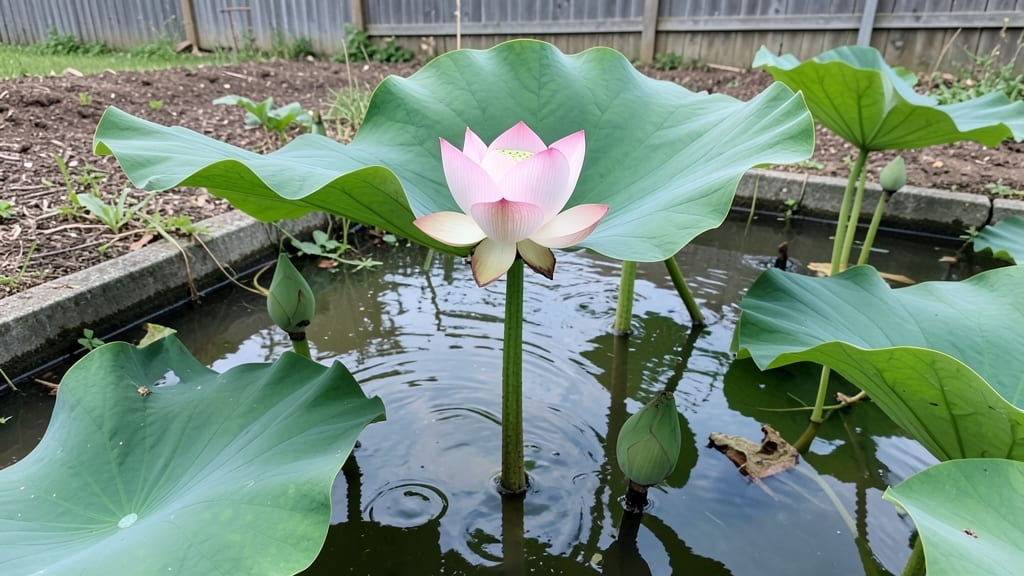
Mastering lotus flower growth in cool climates feels like cheating the system—until you learn their secrets. 🌿 These iconic blooms thrive where most tropical plants surrender, but they demand specific conditions: deep, nutrient-rich soil, still water, and patience that pays off. with stunning pink, white, or blue blooms by mid-summer.
My first attempt failed when I ignored the water depth rule, but once I got it right, the plants rewarded me with blooms for 6+ weeks straight.
The magic starts with the right setup: a container at least 18 inches deep or a pond with 12-18 inches of water—lotuses need their roots submerged while keeping leaves and flowers above.
I use a plastic storage tote with drainage holes for my backyard "pond," and it works perfectly even in Zone 5. The soil mix matters too—equal parts garden soil, compost, and a handful of clay granules keeps roots happy without rotting.
What you’ll love most is the drama of their blooms: each flower lasts just 3-4 days, but the plant produces dozens in succession. The fragrance—sweet, almost citrusy—fills the air at dawn, and the way they close at night feels like nature’s own clock.
Even in cooler climates, with the right winter prep (like lifting containers or adding insulation), they’ll bounce back stronger each spring.
Here’s the kicker: lotuses aren’t high-maintenance if you respect their needs. They hate stagnant water (add a small solar fountain if needed) and resist pests naturally, thanks to their thick stems.
The real reward? Watching your neighbors’ jaws drop when they see those 3-foot-tall blooms—proof that tropical elegance isn’t just for warm climates.
📚 In This Guide
- What you need
- Instructions
- Tips and common mistakes
- Wrapping up and next steps
What you need
- ● Lotus tubers: 3–5 healthy, firm tubers (choose varieties like Nelumbo nucifera or Nelumbo lutea for resilience).
- ● Growing container or pond: For containers: A 20–30 gallon water-tight pot (e.g., plastic, fiberglass, or ceramic) with drainage holes covered (lotuses hate soggy roots!).
- ● For ponds: A minimum 18" depth of water (deeper for tropical varieties).
- ● Gravel or aquarium stones: 2–3 inches of 1–2 inch washed stones for root anchorage and drainage.
- ● Potting soil or aquatic substrate: 1 part peat moss + 1 part perlite or coco coir (for containers).
- ● Water source: Clean, dechlorinated water (rainwater or tap water treated with a dechlorinator).
- ● Sunlight: 6–8 hours of direct sunlight daily (use a grow light in low-light areas).
- ● Thermometer: To monitor water temps (ideal range: 70–85°F; use a pond heater in cooler climates).
- ● Fertilizer: Slow-release aquatic tabs or liquid fertilizer (e.g., fish emulsion) for nutrient boosts.
- ● Water pump or fountain: Adds oxygen to water and mimics natural movement.
- ● Floating plants: Water hyacinth or duckweed to shade tubers in hot climates.
- ● Greenhouse or cold frame: Extends the growing season in chilly regions.
- ● Pest control: Neem oil or barrier netting to deter insects or pests.
How to grow lotus flowers in cool climates
Here’s how I’ve successfully grown lotus flowers in cooler zones—no greenhouse needed.
🪴 Step 1: Select the Right Variety and Container
Choose a hardy lotus variety like Nelumbo nucifera or Nelumbo lutea, which tolerate cooler temperatures better than tropical types. I use 12-inch-wide, 18-inch-deep containers with drainage holes—lotus roots need room to spread. A single container holds one rhizome for best growth.
Fill the container halfway with aquatic planting mix (not regular garden soil). The mix should be loose and well-draining, as lotus roots rot quickly in soggy conditions. Place the container in a spot that gets 6-8 hours of direct sun daily—lotuses demand light to bloom.
🌱 Step 2: Plant the Rhizome Correctly
Position the rhizome horizontally in the soil, about 2 inches below the surface. The bud end (the thicker, bumpier side) should face up—this is where new shoots emerge. If you’re unsure, plant it sideways; lotuses are forgiving.
Cover the rhizome with 2-3 inches of soil, leaving the top slightly exposed. Water thoroughly until the soil feels evenly moist but not waterlogged. Overwatering now will drown the rhizome before it establishes roots. I like to let the water settle for 24 hours before adding more.
☀️ Step 3: Maintain Water and Light Conditions
Keep the soil consistently moist—never let it dry out completely, but avoid standing water. In cooler climates, I use a watering can with a gentle spray to mimic natural rainfall. If your lotus is in a pond or large container, ensure the water level stays 1-2 inches above the soil but doesn’t submerge the rhizome.
Move the container to a south-facing location for maximum sun exposure. If your summers are short, supplement with a grow light for 12-14 hours daily during cloudy periods. You’ll know the light is right when leaves stay deep green and upright—pale or drooping leaves mean more sun is needed.
🌿 Step 4: Fertilize and Prune for Blooms
Feed the lotus with a balanced aquatic fertilizer (10-10-10) every 4-6 weeks during the growing season. I mix it into the top inch of soil—never overdo it, as lotuses are sensitive to excess salts. Stop fertilizing in late summer to encourage dormancy if your climate dips below 50°F.
Remove dead or yellowing leaves as they appear to redirect energy to new growth. If buds form but don’t open, your lotus needs warmer water—a pond heater set to 70-75°F works wonders in cooler zones. Patience is key: first blooms may take 2-3 years, but once established, lotuses reward you with stunning flowers for decades.
⏰ Step 5: Prepare for Winter Dormancy
When temperatures drop below 50°F, reduce watering and stop fertilizing. Let the soil dry out slightly but don’t let it become bone-dry. In Zone 5 or colder, move the container to a garage or unheated shed where temps stay above 40°F. I wrap the container in bubble wrap to insulate the rhizome.
Resume normal care in spring when new shoots appear. The first year is all about root establishment—don’t expect blooms. But by year three, with proper care, you’ll be rewarded with showstopping lotus flowers, even in cooler climates.
Tips & tricks for perfect lotus flower growth in cool climates
Here's what I learned after years of growing lotuses in my own cooler climate—these little details make all the difference.
Variety Selection: When choosing between Nelumbo nucifera and Nelumbo lutea, I always opt for Nelumbo nucifera—it's hardier and more forgiving for beginners. Look for rhizomes with firm, plump buds rather than shriveled ones. The thicker the rhizome, the more established it is and the better chance it has to survive cooler temperatures.
Container Size Matters: Don't skimp on container depth! Those 18-inch-deep containers give roots plenty of room to spread horizontally. I've seen people use shallower pots, and their lotuses never thrive like they should. If you're working with limited space, you can use a slightly smaller container, but make sure it's at least 12 inches wide to accommodate the rhizome's spread.
Lighting Strategy: For that critical 6-8 hours of direct sun, position your container where it gets morning sun and afternoon shade if your summers are particularly hot. If you're supplementing with grow lights for 12-14 hours during cloudy periods, use full-spectrum LED grow lights—they're energy-efficient and mimic natural sunlight perfectly. I place mine about 6 inches above the container to avoid overheating the soil.
Water Temperature Tip: In cooler climates, your water temperature can drop significantly. If you notice buds forming but not opening, it's often because the water's too cold. A simple pond heater set to 70-75°F works wonders. Even if you're not in a pond setup, you can use a small aquarium heater in your container—just make sure it's rated for the container's size and has a thermostat for safety.
Pro Tips for Lotus Flower Growth
- Here's what I learned after years of growing lotuses in my own cooler climate—these little details make all the difference.
- Variety Selection: When choosing between Nelumbo nucifera and Nelumbo lutea, I always opt for Nelumbo nucifera—it's hardier and more forgiving for beginners.
- Container Size Matters: Don't skimp on container depth!
Frequently asked questions
Got questions about growing lotus flowers in cooler climates? You’re not alone!
Here are answers to the most common queries—from timing to troubleshooting—to help you nurture these stunning blooms with confidence.
Can lotus flowers grow in pots, or do they need a pond?
Lotus flowers can thrive in pots! Use a large container (at least 12 inches deep) with a water depth of 6–12 inches. Ensure it has drainage holes and place it in a spot with 4–6 hours of sunlight daily. Just monitor water levels closely—potted lotuses dry out faster than pond varieties. Pro tip: Add aquatic plant fertilizer to keep roots nourished.
How long does it take for a lotus to flower after planting?
Patience is key! Hardy lotus tubers (like Nelumbo nucifera) typically take 1–2 years to flower after planting, while tropical varieties may bloom faster (6–12 months). Factors like sunlight, water temperature (60–85°F), and soil quality speed up the process. Watch for lily-pad-like leaves before buds appear—signs of progress!
Will lotus flowers survive winter in cold climates?
Most lotuses are not frost-tolerant, but you can overwinter them! In zones 5–9, dig up tubers in fall, trim dead foliage, and store them in a cool (35–45°F), moist (not soggy) medium (like peat moss). Replant in spring when soil warms. Hardy varieties (e.g., Nelumbo lutea) may survive mild winters with mulch and shallow water.
Why aren’t my lotus leaves growing? Troubleshooting tips.
Slow or no growth? Check these fixes:
- Light: Lotus needs full sun (6+ hours). Move to a sunnier spot or supplement with grow lights.
- Water: Stagnant water breeds pests; stagnant too-long water rots tubers. Aim for 6–12 inches of fresh water.
- Nutrients: Feed with aquatic fertilizer (low in copper) every 4–6 weeks. Yellow leaves? Time for a boost!
- Tubers: If planted too deep (<12 inches), they’ll struggle. Replant with 2–3 inches of soil covering the top.
Are there lotus alternatives for cooler climates?
Yes! If lotuses feel too finicky, try these low-maintenance pond plants with similar drama:
- Water lilies (Nymphaea): Hardy, colorful blooms, and thrive in cooler water (50–85°F).
- Pickerelweed (Pontederia cordata): Purple spikes, tolerates temps down to 20°F, and attracts pollinators.
- Blue flag iris (Iris versicolor): Native, drought-tolerant, and blooms in partial shade.
Wrapping up and next steps
Growing a lotus flower in cooler climates is totally doable—you just need the right approach! With patience, the right container, and a little warmth, you can cultivate this symbol of purity and resilience right in your own space.
Whether you're drawn to their stunning blooms or their symbolic meaning, your lotus garden is just a season away.
Ready to dive in? Start small—plant your first tuber this season and watch your tropical oasis bloom! 🌸