
Succulent
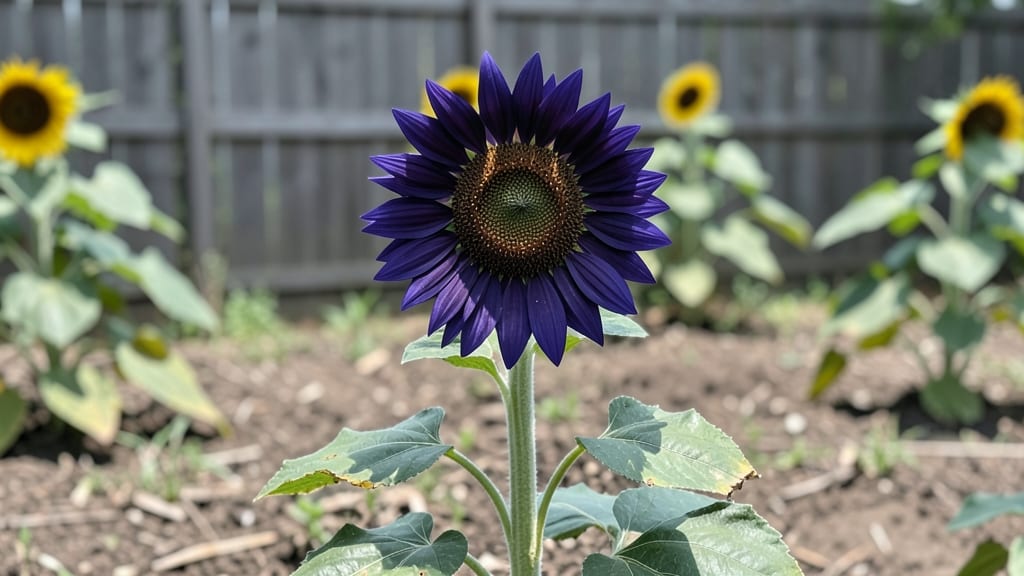
Growing Midnight Blue sunflowers is like having a frost-resistant showstopper that thrives with almost no fuss. 🌻 These deep blue-purple blooms stand out against any garden backdrop, and their hardy nature means they’ll keep flowering even when temperatures dip.
I’ve grown them in everything from heavy clay soil to raised beds, and they always deliver those striking, velvety petals with minimal effort.
The secret to their success lies in their love for full sun and well-draining soil—no fancy amendments needed. Plant seeds directly after your last frost date, or start indoors 6-8 weeks earlier if you prefer transplants.
They’re drought-tolerant once established, so watering deeply once a week is usually enough, though they’ll reward you with bigger blooms if you keep the soil consistently moist during dry spells.
By midsummer, you’ll be cutting stems for bouquets that last a full week in vases, or watching pollinators flock to their nectar-rich centers. These sunflowers also make stunning cut flowers—just snip stems at the base and let them dry upside down for long-lasting arrangements.
The best part? They self-seed easily, so you’ll likely have volunteers popping up next year.
Perfect for pollinator gardens, cottage-style borders, or even container growing in larger pots. Whether you’re a beginner or a seasoned gardener, these sunflowers are a foolproof way to add drama and color with almost no maintenance. Let’s get those seeds in the ground!
📚 In This Guide
- What you need
- Instructions
- Tips and common mistakes
- Wrapping up and next steps
What you need
- ● Seeds: Midnight Blue Sunflower seeds (non-GMO, heirloom variety recommended). Quantity: 5–10 seeds per plant (or 1 packet for a small garden).
- ● Potting Soil: Well-draining, nutrient-rich mix (e.g., 60% garden soil + 40% perlite or sand). Quantity: 1–2 gallons per plant.
- ● Containers or Garden Bed: Containers: 5–10 gallon pots with drainage holes (1 per plant).
- ● Garden Bed: Full sun (6+ hours daily), loose soil with compost worked in.
- ● Watering Can or Hose: With a gentle spray nozzle for even moisture.
- ● Fertilizer: Balanced, slow-release granular fertilizer (10-10-10 ratio). Quantity: 1 tbsp per plant at planting.
- ○ Plant Stakes or Trellis: (Optional but helpful) 3–4 ft tall for support as stems grow.
- ● Gloves: Gardening gloves to protect hands from soil and thorns.
- ● Trowel or Transplanter: For digging holes (2–3 inches deep).
- ● Mulch: Straw or shredded leaves to retain moisture (1–2 inches around base).
- ○ Sunflower Companion Plants (Optional): Marigolds or basil to deter pests.
- ● Knowledge: Basic understanding of sunflower care (frost tolerance, watering needs).
Step-by-Step instructions for growing Midnight Blue sunflowers
These striking sunflowers thrive with surprisingly little effort—here’s how to coax their bold blooms.
🌱 Step 1: Choose the Right Location and Prepare the Soil
Midnight Blue sunflowers love full sun and tolerate poor soil better than most varieties. Pick a spot with at least 6 hours of direct sunlight daily—they’ll grow in partial shade but produce fewer blooms. I always test soil drainage first by digging a 6-inch hole, filling it with water, and timing how long it takes to drain. If it holds water for more than 4 hours, amend with 2-3 inches of compost or sand to improve aeration.
These sunflowers are frost-resistant but need well-drained soil to avoid root rot. If your soil is heavy clay, mix in 1 part perlite to 3 parts soil before planting. The key is loose, fertile ground—they’ll reward you with those deep blue-purple blooms even in less-than-ideal conditions.
🌱 Step 2: Plant Seeds at the Right Depth and Spacing
Sow seeds ½ inch deep and 12-18 inches apart for full-size plants (closer spacing works for smaller varieties). I plant 4 seeds per hole and thin to the strongest seedling after germination to ensure no gaps. These sunflowers grow tall—4-6 feet—so avoid planting near structures or power lines unless you’re okay with them leaning dramatically.
Water lightly after planting, but don’t soak the soil—you’ll see germination in 7-14 days at soil temperatures above 55°F. If your climate is cool, use a seedling heat mat to speed up sprouting. The first true leaves will appear as small, toothy shapes—this is your signal to reduce watering slightly and let the roots establish.
☀️ Step 3: Maintain Water and Support for Tall Growth
Once seedlings reach 6 inches tall, water deeply 1-2 times per week, letting the top 2 inches of soil dry out between waterings. Overwatering causes the stems to weaken, and these sunflowers can topple in wind or rain. I stake mine with 3-foot bamboo stakes tied loosely at the base—tight ties restrict growth as the stem thickens.
Fertilize lightly with a balanced 10-10-10 formula when plants are 1 foot tall, but avoid high-nitrogen feeds after flowering begins. The deep blue blooms develop best when the plant focuses on flower production, not leafy growth. Watch for powdery mildew on leaves—this variety is resistant, but crowded plants or high humidity can still invite it.
✂️ Step 4: Deadhead and Harvest for Long-Lasting Blooms
Cut back spent blooms by ½ inch above the next set of buds to encourage continuous flowering. I harvest the seed heads when they turn brown and papery—twist gently to remove them without damaging the stem. These sunflowers self-seed prolifically, so collect seeds if you want to save them for next year or use them in bird feeders.
For cut flowers, harvest in the early morning when buds are just beginning to open. Place stems in warm water immediately—they’ll last 7-10 days in a vase. The Midnight Blue variety holds its color exceptionally well, making it a standout in arrangements. If you notice leaves yellowing, it’s often a sign of overwatering or nutrient deficiency—adjust your care routine accordingly.
Tips & tricks for growing Midnight Blue sunflowers
These simple strategies will help you coax the most dramatic blooms from your Midnight Blue sunflowers with minimal fuss.
Sunlight Secret: While the instructions mention 6 hours of direct sunlight daily, these sunflowers actually reward you for going all out. If possible, aim for 8-10 hours of full sun—the deeper blue-purple color intensifies with more light exposure. I've noticed the most vibrant blooms come from plants in south-facing locations where they get unfiltered morning sun. Morning sun is especially important as it helps dry dew quickly, reducing fungal risks.
Soil Drainage Test: The 4-hour drainage test in Step 1 is non-negotiable—these sunflowers hate soggy roots. If your soil drains too slowly, consider planting in raised beds or mounds. I've had success with container growing too: use pots with drainage holes at least 12 inches deep and fill with a mix of 60% potting soil, 30% perlite, and 10% compost. The elevated position helps prevent waterlogging while still providing excellent drainage.
Germination Hack: For that 7-14 day germination window at soil temperatures above 55°F, here's a pro move: soak your seeds in warm water for 4-6 hours before planting. This jumpstarts the process and can shave off 2-3 days from germination time. Just be sure to plant immediately after soaking—don't let them dry out. I also like to use clear plastic domes or even plastic wrap over newly planted seeds to create a mini greenhouse effect, which helps maintain consistent moisture and warmth.
Support System: The 3-foot bamboo stakes mentioned are perfect, but don't stop there. For extra insurance against toppling, I recommend adding a second stake on the opposite side of the plant when it reaches 3 feet tall. Tie them loosely with soft plant ties or even old tights—tight ties can restrict growth as the stem thickens. You can also weave the stems between stakes for additional support, creating a natural trellis effect that actually helps strengthen the stems.
Pro Tips for Midnight Blue Sunflower
- These simple strategies will help you coax the most dramatic blooms from your Midnight Blue sunflowers with minimal fuss.
- Sunlight Secret: While the instructions mention 6 hours of direct sunlight daily, these sunflowers actually reward you for going all out.
- Soil Drainage Test: The 4-hour drainage test in Step 1 is non-negotiable—these sunflowers hate soggy roots.
Frequently asked questions
When is the best time to plant Midnight Blue Sunflowers?
These frost-resistant beauties thrive when planted 2–3 weeks after your last spring frost (or even earlier in cooler climates!). For fall blooms, sow seeds 6–8 weeks before the first frost. They’re hardy and adaptable, so don’t stress over timing—just avoid extreme heat during germination (aim for 50–70°F).
How long does it take for Midnight Blue Sunflowers to bloom?
From seed to flower, expect 70–90 days under ideal conditions (full sun, well-drained soil). If planted late in the season, they may bloom smaller but still deliver that moody midnight-blue hue. Pro tip: Deadhead spent blooms to encourage more flowers!
Do Midnight Blue Sunflowers need a lot of water?
Not at all! Once established, they’re drought-tolerant and prefer moderate watering (about 1 inch per week). Overwatering can lead to root rot, so let the soil dry slightly between waterings. Mulch around the base to retain moisture and keep weeds at bay.
Can I grow Midnight Blue Sunflowers in containers?
They’re perfect for pots, especially if you choose dwarf varieties (like ‘Moulin Rouge’). Use a 5-gallon container minimum with drainage holes, and ensure it gets 6+ hours of sun daily. Container-grown sunflowers may bloom slightly earlier than ground-planted ones!
What pests or diseases should I watch for?
Midnight Blue Sunflowers are generally pest-resistant, but keep an eye out for:
- Aphids: Spray with water or neem oil if clusters appear.
- Powdery mildew: Improve airflow and avoid overhead watering.
- Birds: Use netting if they peck at buds (they love the seeds!).
Wrapping up and next steps
The Midnight Blue Sunflower is a stunning, low-maintenance addition to any garden, thriving in cooler climates and adding a touch of elegance with its deep blue-purple blooms.
Whether you're a seasoned gardener or just starting out, its frost-resistant nature and minimal care requirements make it a perfect choice for effortless beauty. 🌱
Now that you’re equipped with all the tips and tricks, why not give it a try? Grab your supplies, find a sunny spot, and watch these enchanting sunflowers transform your space. Happy planting—your garden will thank you! 🌻