
Flowers
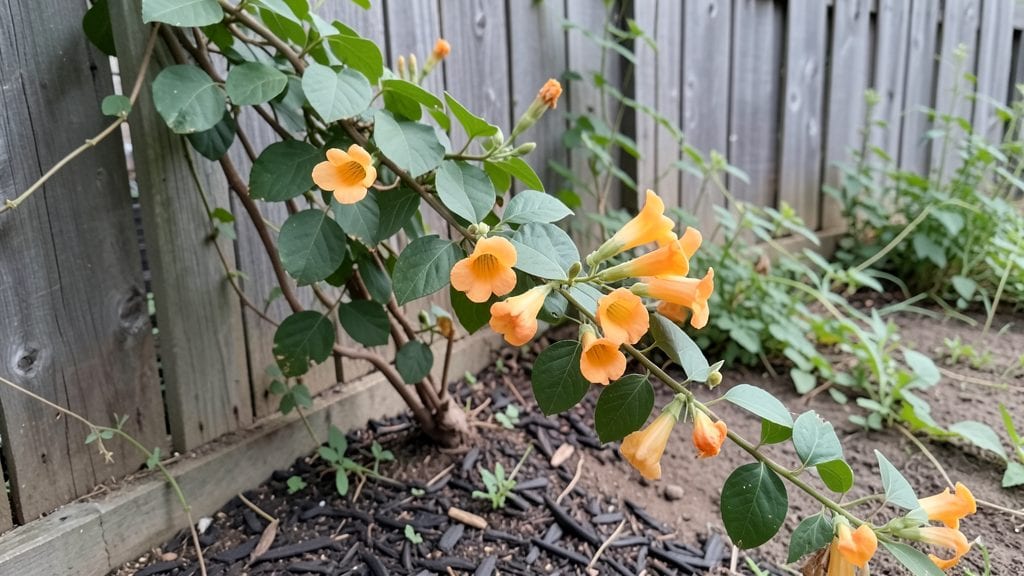
Orange trumpet-like flowers instantly transform a garden border into a sunlit spectacle. 🌺 I’ve used them to create vertical drama along fences and trellises, where their bold hue and tubular shape catch every passing glance.
These plants aren’t just pretty—they’re conversation starters, drawing eyes upward and adding layers to any space.
Think of them as the stars of your garden’s stage. Allamanda’s glossy leaves and fiery blooms shine in full sun, while Brugmansia’s dangling trumpets thrive in partial shade, offering a dreamy, almost tropical vibe.
Pair them with deep purples like salvia or soft greens like dusty miller for a striking contrast that pops all season long.
You’ll love how they anchor borders while climbing or sprawling, creating natural vertical lines that frame pathways and patios. In late summer, when most gardens fade, these flowers burst with color—perfect for adding warmth to autumn weddings or cozy fall evenings.
Just place them where they’ll get the right light, and watch your garden borders come alive.
Works equally well in cottage gardens, modern landscapes, or pollinator-friendly designs. The key is balancing their boldness with complementary textures—try pairing them with ornamental grasses or trailing ivy for softness. Once you see how they elevate a space, you’ll want them everywhere.
📚 In This Guide
- What you need
- Instructions
- Tips and common mistakes
- Wrapping up and next steps
What you need
- ● Orange trumpet-like plants: 1–3 mature plants (6–12 inches tall, potted or bare-root)
- ● OR seeds (if starting from scratch—germination can take 2–4 weeks)
- ● Well-draining potting mix: 1–2 bags (look for a blend labeled for tropical/subtropical plants or mix 60% garden soil + 40% perlite/sand)
- ● Container or garden bed: Containers: 1–2 large pots (12–18 inches deep, with drainage holes)
- ● Garden beds: Full sun spot (6+ hours daily) with loose, fertile soil (amend with compost if needed)
- ● Fertilizer: Balanced liquid fertilizer (10-10-10 or 20-20-20, diluted to half-strength) OR slow-release granules
- ● Mulch: 1–2 inches of organic mulch (pine bark or shredded leaves) to retain moisture
- ● Basic gardening tools: Trowel or small shovel
- ○ Gloves (optional but recommended)
- ● Pruning shears (for shaping and deadheading)
- ● Watering can or hose with gentle spray nozzle (avoid soaking the soil)
- ○ Stakes or trellis (optional): For climbing varieties (e.g., Allamanda), use 4–6 ft bamboo stakes or a metal trellis
- ● Sunlight access: Confirm your planting spot gets full sun (these beauties thrive in heat!)
- ● Patience! 🌟 Trumpet flowers may take 6–12 months to bloom fully from seeds.
- ● 🌡️ Climate check: Hardy in USDA Zones 9–11. In colder zones, grow in containers and overwinter indoors.
- ● ✨ Soil test: Aim for a pH of 6.0–7.0. Test your soil or use a simple kit to adjust if needed.
- ● 🔥 Fertilizer schedule: Feed every 4–6 weeks during growing season (spring–fall). Reduce in winter.
How to plant and care for orange trumpet-like flowers
These bold beauties transform any garden border into a vibrant focal point—here's how to grow them successfully.
🌱 Step 1: Select the Right Orange Trumpet Variety
Most dramatic orange trumpet flowers belong to the Allamanda or Tecoma families. I recommend Allamanda cathartica for its glossy leaves and showy blooms, or Tecoma stans (yellow bells) for a slightly smaller trumpet shape. Check your hardiness zone—Allamanda thrives in zones 10-11, while Tecoma handles zones 7-11.
If you're in cooler climates, opt for container growing so you can bring plants indoors before frost. I've grown Tecoma in pots for years—just use a 12-inch diameter container with drainage holes. The key is matching the plant's natural habitat: full sun and well-draining soil.
☀️ Step 2: Prepare the Planting Site or Container
These trumpet flowers despise soggy roots, so amend your garden soil with 2-3 inches of compost and mix in 1 part perlite to 3 parts native soil for improved drainage. For in-ground planting, choose a location with 6+ hours of direct sunlight—morning sun with afternoon shade works in hotter zones.
If using containers, fill with a cactus/succulent mix (they need excellent drainage). I add a handful of slow-release fertilizer at planting time to give roots a nutrient boost. Water thoroughly after planting, then let the top 1-2 inches of soil dry between waterings—this prevents root rot.
🪴 Step 3: Plant and Stake for Vertical Growth
Dig a hole twice as wide as the root ball but only as deep as the container's base. Place the plant so the top of the root ball sits 1 inch below soil level—this helps prevent stem rot. Backfill with native soil mixed with compost, then water deeply to settle everything.
Here's the thing—these trumpet flowers grow 10-15 feet tall in ideal conditions, so staking is essential. Install a 5-foot bamboo stake at planting and loosely tie the main stem with soft garden twine. You'll see new growth arching toward the sun within 4-6 weeks—that's your cue to add a second tie.
💧 Step 4: Water and Fertilize for Continuous Blooms
Water when the top 2-3 inches of soil feel dry—stick your finger in to check. Overwatering causes yellow leaves and stunted growth. During the first growing season, I fertilize every 6 weeks with a balanced 10-10-10 formula diluted to half-strength. In the second year, switch to a low-nitrogen, high-phosphorus fertilizer (like 5-10-5) to encourage more flowers.
Deadhead spent blooms by pinching off the flower stem just above a leaf node. This redirects the plant's energy into producing more trumpets. I do this every 2 weeks during peak bloom season—you'll see new buds forming within 10-14 days.
✂️ Step 5: Prune and Overwinter for Next Year
Prune back leggy growth in early spring by cutting stems to 1/3 their length. This encourages bushier growth and more blooms. For container-grown plants, trim back 50% of the foliage after the first frost to reduce stress during dormancy.
In cold climates, move potted plants to a garage or unheated shed where temperatures stay above 40°F. Water sparingly—just enough to keep soil from drying completely. I've kept Tecoma alive through winters this way for years, and they bounce back with vigor in spring.
Tips & tricks for perfect orange trumpet-like flowers
Here's what nobody tells you about growing these stunning vertical garden stars—tricks that'll make all the difference in your border.
Variety Selection: When choosing between Allamanda cathartica and Tecoma stans, consider your climate and space. Allamanda offers glossy foliage but needs warmer zones (10-11), while Tecoma handles cooler zones (7-11) and grows slightly smaller. For container growing, Tecoma is my go-to—it's more forgiving for beginners and handles indoor wintering beautifully.
Soil Mix Matters: The 1:3 perlite-to-soil ratio in Step 2 is non-negotiable for these thirsty beauties. I've learned the hard way that compacted soil leads to root rot. For containers, mix in a handful of orchid bark (available at garden centers) for extra aeration—this helps prevent that dreaded soggy soil issue. Trust me on this.
Staking Strategy: That 5-foot bamboo stake in Step 3 isn't just decorative—it's essential for supporting their 10-15 foot growth habit. I recommend using soft garden twine or even old fabric strips instead of wire, which can damage stems as they grow. Add your second tie when you notice new growth arching toward the sun (usually around week 5-6), but don't tie too tightly—you want room for expansion.
Fertilizer Timing: The switch from 10-10-10 to 5-10-5 in your second year is brilliant for encouraging blooms. Here's the thing: apply your first fertilizer dose in early spring (around March) when you see new growth emerging. This timing gives roots a nutrient boost just as they're waking up from dormancy, setting you up for continuous blooms all season.
Pro Tips for Orange Trumpet Like Flowers
- Here's what nobody tells you about growing these stunning vertical garden stars—tricks that'll make all the difference in your border.
- Variety Selection: When choosing between Allamanda cathartica and Tecoma stans, consider your climate and space.
- Soil Mix Matters: The 1:3 perlite-to-soil ratio in Step 2 is non-negotiable for these thirsty beauties.
Frequently asked questions
What are some easy-to-grow orange trumpet-like flowers for beginners?
If you’re new to gardening, start with Allamanda cathartica (Golden Trumpet) or Tecoma stans (Yellow Trumpet Flower, which has orange varieties). Both are hardy, drought-tolerant, and thrive in full sun. For cooler climates, Campsis radicans (Trumpet Vine) is a vigorous climber with bright orange blooms—just give it space!
When is the best time to plant orange trumpet-like flowers?
Plant in early spring after the last frost (Zone 8+ for tropical varieties) or late spring in cooler zones. For container-grown plants, you can also transplant in fall as long as the ground isn’t frozen. Pro tip: If planting in fall, mulch heavily to protect roots from winter chill.
Why aren’t my orange trumpet flowers blooming?
Common culprits include overcrowding (prune back leggy growth), poor sunlight (most need 6+ hours of sun), or nutrient deficiencies (feed with a balanced fertilizer in spring). For Allamanda, lack of pruning can also stunt blooms—trim back 1/3 in early spring to encourage new growth. Troubleshoot: Check for pests like aphids, which can stress plants.
Can I grow orange trumpet flowers in containers?
Dwarf varieties like Allamanda ‘Sunburst’ or Tecoma ‘Orange Flame’ thrive in 5-gallon+ pots with well-draining soil. Use a mix of potting soil and perlite, and place containers in full sun. Pro tip: In winter, move pots indoors near a sunny window or use a grow light to keep them alive.
What are some striking alternatives to orange trumpet flowers?
If you love the drama but want variety, try:
- Bignonia capreolata (Crossvine)—deep orange-red trumpets with a climbing habit.
- Catalpa bignonioides (Southern Catalpa)—creamy-white trumpet blooms with tropical vibes.
- Ixora coccinea (Jungle Flame)—clusters of orange-red flowers (great for warm climates).
Wrapping up and next steps
Adding orange trumpet-like flowers to your garden borders is a game-changer—these vibrant blooms inject drama, height, and a pop of cheer into any outdoor space!
Whether you’re drawn to Allamanda cathartica, Tecoma stans, or Campsis radicans, their bold colors and striking shapes create eye-catching vertical accents that elevate your landscape effortlessly. 🌸
Ready to transform your garden? Start small—pick one variety that thrives in your climate, gather your supplies, and dive in! With a little patience and care, you’ll soon be rewarded with a breathtaking display that turns heads and brightens every season. Happy planting!