
Container Gardens
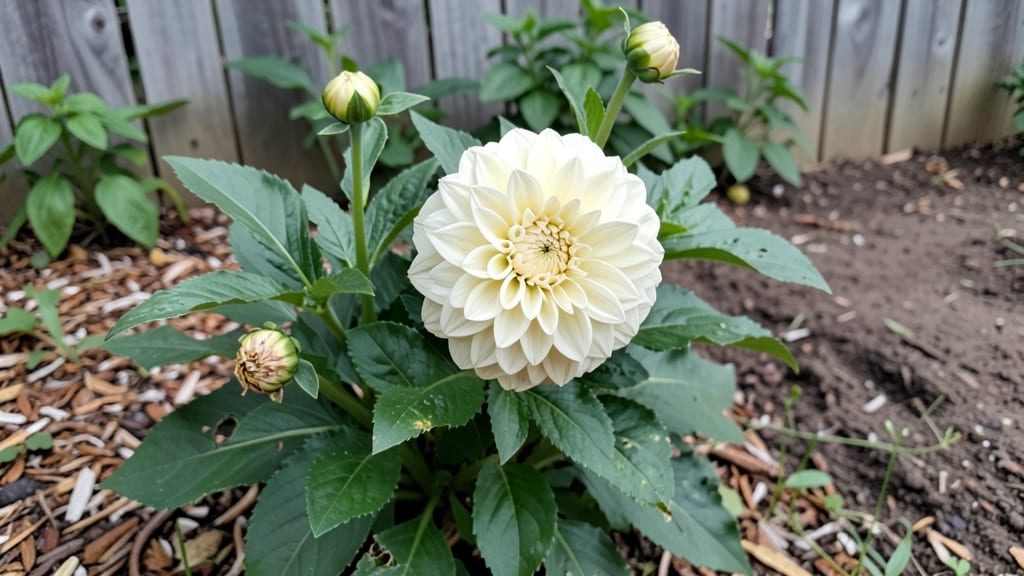
Growing peony-flowered dahlias means your garden gets showstopping blooms that look like they belong in a botanical garden—without the fuss. 🌸 I learned the hard way that these aren’t your average dahlias, but once you master their quirks, they reward you with layered, peony-like flowers that last longer than most varieties.
The secret lies in the soil, sunlight, and a little patience—no green thumbs required.
These dahlias thrive in full sun (at least 6 hours daily) and well-draining soil rich in organic matter. Unlike their floppy cousins, peony-flowered types hold their blooms upright, making them perfect for containers or mixed borders.
Start with tubers in early spring, plant them 2-3 inches deep, and space them 18-24 inches apart—they’ll fill out fast once established.
Water them deeply once a week (more in heatwaves), and you’ll see bold, dinner-plate blooms by mid-summer. The best part? They self-clean—spent blooms drop neatly, so deadheading isn’t a chore.
Just watch for slugs and black spot (remove affected leaves immediately), and these beauties will steal the show all season.
Perfect for beginner gardeners who want drama without the upkeep. With the right care, your peony-flowered dahlias will return year after year, proving that stunning flowers don’t have to mean endless work. Let’s get those tubers planted!
📚 In This Guide
- What you need
- Instructions
- Tips and common mistakes
- Wrapping up and next steps
What you need
- ● Peony-flowered dahlia tubers: 3–5 tubers (choose disease-resistant varieties like 'Bishop' or 'Galaxy').
- ● Well-draining potting mix: 1–2 bags (5–10 gallons each) of high-quality, organic mix (e.g., Miracle-Gro Potting Mix).
- ● Containers: 1–2 large pots (12–15 inches deep) with drainage holes or a raised bed (if gardening in-ground).
- ● Slow-release fertilizer: 1–2 cups (e.g., Osmocote Smart-Release Flower & Vegetable).
- ● Watering can or hose: With a gentle spray nozzle for even moisture.
- ● Gloves: A pair (to protect hands from thorns and soil).
- ● Trowel or hand shovel: For planting and soil prep.
- ● Pruning shears: Sharp, sterilized shears for cutting back dead foliage.
- ○ Mulch (optional): 1–2 inches of straw or shredded bark to retain moisture.
- ○ Stakes or cages (optional): For tall varieties (e.g., 'Café au Lait').
Step-by-step instructions for growing peony flowered dahlias
Here’s how to cultivate those dramatic, peony-like blooms with lush foliage that thrives with minimal fuss.
🌱 Step 1: Select and Prepare Tubers for Planting
Peony flowered dahlias produce dramatic, dinner-plate blooms that resemble peonies, but they need careful tuber handling to thrive. Start with dormant tubers (available in early spring) and examine each for firm, plump "eyes" or growth points—these are your future stems. I always soak tubers in lukewarm water for 12 hours before planting to rehydrate them after winter dormancy. This step is critical: dry tubers may take weeks longer to sprout.
Once soaked, let them dry slightly for 30 minutes to prevent rot. Choose a planting site with well-draining soil and full sun (6+ hours daily). Dahlias hate soggy roots, so amend heavy clay with compost or perlite to improve drainage. If planting in containers, use a large pot (12+ inches deep) with drainage holes—these beauties need room for their sprawling tubers.
☀️ Step 2: Plant Tubers at the Right Depth and Spacing
Dig a hole 3-4 inches deep—this ensures tubers won’t rot from sitting too low but still have enough soil cover to stabilize them. Place the tuber eyes-up (growth points facing upward) and spread roots gently downward. If planting multiple tubers, space them 18-24 inches apart—crowding leads to weak stems and fewer blooms. I mark each spot with a stake to avoid disturbing roots later.
Fill the hole with soil, pressing lightly to eliminate air pockets, then water deeply until moisture reaches 6 inches down. The soil should feel damp but not waterlogged. Mulch with 2-3 inches of organic mulch (like straw or shredded bark) to retain moisture and regulate soil temperature. This step prevents the tubers from drying out during hot spells, which can stress young plants.
💧 Step 3: Water and Fertilize for Strong Stems
Keep the soil consistently moist (not soggy) for the first 4-6 weeks—this is when roots establish. I water every 2-3 days until shoots emerge, then reduce to once weekly once growth appears. Overwatering now causes rot, while underwatering stunts stem development. Once true leaves (not the first small sprout leaves) appear, switch to a balanced liquid fertilizer (10-10-10) diluted to half-strength. Apply every 2 weeks to encourage lush foliage and robust blooms.
Peony flowered dahlias grow 3-5 feet tall, so stake each plant early (when stems reach 12 inches) with 3-foot bamboo stakes or a tomato cage. Tie stems loosely to the stake as they grow—this prevents wind damage and ensures stems grow upright. I use soft plant ties to avoid girdling the stems, which can restrict growth.
✂️ Step 4: Prune for Bushier Growth and Minimal Deadheading
When stems reach 12-18 inches tall, pinch back the top 2-3 inches to encourage branching. This step is key for peony flowered dahlias—they produce larger blooms when they have multiple stems. Wait until after the first true leaves form before pruning, as early cuts can delay blooming. Remove any weak or leggy growth immediately to redirect energy to stronger stems.
Deadheading isn’t as critical with peony flowered dahlias because their blooms often rebloom naturally, but I still remove spent blooms by cutting the stem just above a set of leaves. This encourages more flowers and keeps the plant looking tidy. Avoid cutting into the tuber—always leave 3-4 inches of stem above the soil to protect the growth points.
🌿 Step 5: Prepare for Winter Dormancy
When frost threatens (usually late September to October), cut back stems to 2-3 inches above the soil. Gently lift tubers from the ground, brush off excess soil, and let them dry for 24 hours in a cool, dark place. Store them in a paper bag or cardboard box with dry peat moss or vermiculite to prevent desiccation. Keep them in a garage or basement at 35-45°F until spring planting.
This step ensures tubers survive winter and return stronger next year. I label each tuber with the variety to avoid confusion—some peony flowered dahlias have double blooms, while others produce ruffled petals, and mixing them up can be frustrating. With proper winter care, your tubers will produce even more dramatic blooms in subsequent seasons.
Tips & tricks for growing stunning peony flowered dahlias
These game-changing strategies will help you cultivate showstopping blooms that rival peonies with minimal effort—once you know the secrets!
Tuber Revival Technique: The 12-hour lukewarm water soak in Step 1 isn't just about hydration—it jumpstarts tuber metabolism after winter dormancy. I add a teaspoon of seaweed fertilizer to the water for an extra nutrient boost that gives plants a head start. This step is non-negotiable: tubers soaked for only 6 hours may take 3-4 weeks longer to sprout, while the full 12 hours ensures consistent growth.
Soil Science Matters: When amending heavy clay soil, I mix in equal parts compost and perlite (50/50 ratio) to achieve perfect drainage. The key is creating a "sponge-like" texture that holds moisture without suffocating roots. For container gardeners, I use a blend of 60% potting mix, 20% perlite, and 20% coconut coir—this combination prevents the dreaded "soggy bottom" syndrome that kills dahlias.
Watering Wisdom: The critical 4-6 week moisture window in Step 3 requires precision. I test soil moisture by sticking my finger 2 inches down—if it feels dry, it's time to water. During heatwaves, I water in the early morning (before 8 AM) to prevent fungal issues. Overwatering here causes rot, while underwatering stunts those dramatic blooms we're after. The "damp but not waterlogged" rule is your golden standard.
Winter Storage Hack: For the 24-hour drying period before storage, I place tubers on a wire rack in my garage rather than directly on surfaces. This allows air circulation that prevents mold while maintaining that crucial moisture balance. I also wrap each tuber in newspaper before boxing—this extra layer protects against temperature fluctuations that can wake tubers prematurely.
Pro Tips for Peony Flowered Dahlias
- These game-changing strategies will help you cultivate showstopping blooms that rival peonies with minimal effort—once you know the secrets!
- Tuber Revival Technique: The 12-hour lukewarm water soak in Step 1 isn't just about hydration—it jumpstarts tuber metabolism after winter dormancy.
- Soil Science Matters: When amending heavy clay soil, I mix in equal parts compost and perlite (50/50 ratio) to achieve perfect drainage.
Frequently asked questions
Got questions about growing peony-flowered dahlias? You’re not alone! Here are answers to the most common queries to help you cultivate stunning blooms with ease.
What’s the best time to plant peony-flowered dahlias?
Plant your tubers after the last frost when soil temperatures reach at least 60°F (15°C). In warm climates, aim for spring (March–April); in cooler zones, late spring (May–June) works best. Avoid planting too early—they hate cold, wet soil!
How often do I need to deadhead peony-flowered dahlias?
Here’s the good news: minimal deadheading! Unlike other dahlias, these beauties often self-clean, dropping spent blooms naturally. If you spot wilting flowers, snip stems 1–2 inches above a leaf node to encourage new blooms. Do this every 2–3 weeks during peak season for continuous flowers.
Can peony-flowered dahlias survive winter in containers?
Yes, but with care! Dig up tubers before the first frost, trim foliage, and store them in a cool (35–45°F/2–7°C), dry place (like a garage). Replant in spring. For in-ground plants, mulch heavily with straw or leaves to protect roots.
What’s a good alternative if my dahlias get powdery mildew?
Powdery mildew is common but manageable! Start by pruning for airflow and watering at the base (avoid overhead sprinkling). Spray with a baking soda mix (1 tsp baking soda + 1 quart water + a drop of soap) weekly. For severe cases, try neem oil or fungicidal soap. Resistant varieties like ‘Bishop’ or ‘Karma Choc’ are great choices!
Why aren’t my peony-flowered dahlias blooming?
Check these fixes:
- Light: Ensure 6+ hours of sun daily—they’re sun-worshippers!
- Fertilizer: Use a balanced bloom booster (10-10-10) every 4–6 weeks.
- Water: Keep soil consistently moist but not soggy.
- Tubers: If planted too deep (4–6 inches max), they may struggle to bloom.
Wrapping up and next steps
Peony flowered dahlias are a game-changer for gardeners who love dramatic blooms without the fuss! Their lush, layered petals and minimal deadheading needs make them perfect for containers, borders, or even cutting gardens.
With the right soil, sunlight, and a little care, you’ll enjoy months of stunning color—and maybe even inspire your neighbors to try them too!
Ready to transform your space? Start by picking your favorite varieties and ordering tubers or seeds today. Then, grab your gloves and get planting—your future garden will thank you! 🌸✨