
Shrubs
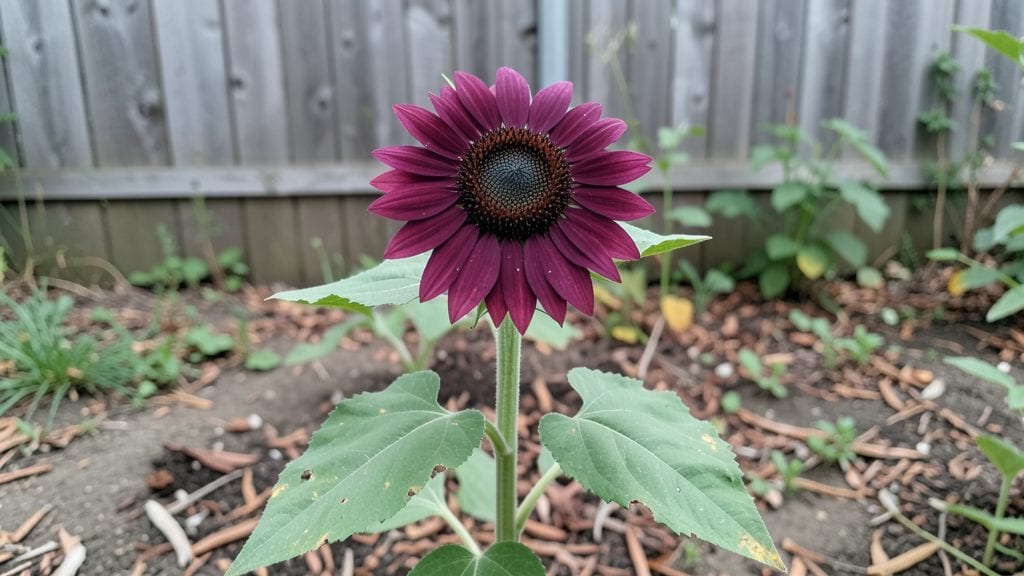
Those purple-red sunflowers don’t just steal the show—they turn your garden into a living painting. 🌻 I planted mine last spring as a bold statement piece, and now they’re the first thing visitors notice.
Their deep burgundy petals contrast perfectly with the golden centers, creating a dramatic focal point that no other flower can match.
The real magic happens when you pair them with complementary plants. Try placing them alongside silver foliage like lamb’s ear or dusty miller to make their rich color pop even more.
For height contrast, mix in shorter perennials like coneflowers or black-eyed Susans—they’ll frame your sunflowers beautifully while keeping the design balanced. Even in containers, these sunflowers shine when paired with trailing plants like nasturtiums or sweet potatoes.
You’ll love how they draw in pollinators all season long—bees, butterflies, and hummingbirds can’t resist their nectar. The visual impact is just as rewarding as the wildlife activity.
By late summer, their towering stems (some reaching 6 feet or taller) create a natural vertical accent that adds depth to any space, whether it’s a mixed border, a cut flower arrangement, or a standalone statement in the backyard.
For maximum effect, plant them in odd-numbered groups of three or five—it creates a more natural, eye-catching display. And don’t be afraid to play with their placement: near patios, along fences, or even as a dramatic centerpiece in a large container.
The possibilities are endless, and the results are always stunning.
📚 In This Guide
- What you need
- Instructions
- Tips and common mistakes
- Wrapping up and next steps
What you need
- ● Purple-red sunflower seeds or seedlings: Choose varieties like ‘Moulin Rouge’ or ‘Purple Sun’ for vibrant hues.
- ● Quantity: 10–20 seeds (or 3–5 seedlings) per planting area.
- ● Well-draining potting mix or garden soil: 1–2 cubic feet per planting spot (or a 10-inch pot per seedling).
- ● Amend with compost for nutrient-rich soil (1 part compost to 3 parts soil).
- ● Containers or garden bed: For pots: 10–12 inch diameter (1 per seedling).
- ● For in-ground: Full sun (6+ hours/day) and space 12–18 inches apart.
- ● Watering can or hose with gentle spray nozzle.
- ● Planting tray or biodegradable pots (if starting seeds indoors).
- ● Garden trowel or transplanting spade (for digging holes).
- ● Mulch (straw or shredded leaves) to retain moisture (1–2 inches around plants).
- ● Fertilizer: Balanced 10-10-10 or slow-release granules (1 tbsp per plant at planting).
- ○ Optional: Liquid bloom booster (like fish emulsion) every 3–4 weeks.
- ● Stakes or cages (6–8 feet tall) to support tall varieties (e.g., ‘Moulin Rouge’).
- ● Garden gloves (to protect your hands from prickly stems!).
- ● Plant labels (to track varieties and planting dates).
Step-by-step guide to growing stunning purple red sunflowers
Here’s how I cultivate these bold blooms—tall, vibrant, and irresistible to pollinators.
🌱 Step 1: Select the Right Location and Prepare the Soil
Sunflowers thrive in full sun, so choose a spot that gets at least 6-8 hours of direct sunlight daily. I always test the soil first—purple red varieties need well-draining, nutrient-rich earth with a pH between 6.0 and 7.0. If your soil is heavy clay, amend it with 2-3 inches of compost and mix in a handful of perlite to improve aeration.
Loosen the top 12 inches of soil with a garden fork to break up compaction. Sunflowers have deep taproots, so they need loose soil to establish properly. If your garden bed is new, I recommend adding a 5-10-10 fertilizer at planting time to give them a strong start. Avoid fresh manure—it can burn tender roots.
🌱 Step 2: Plant Seeds at the Right Depth and Spacing
Direct-sow seeds ½ inch deep and 6 inches apart in rows spaced 18-24 inches apart. Purple red sunflowers grow 6-10 feet tall, so give them room to avoid overcrowding. I like to plant them in clusters of 4-5 for a dramatic visual impact, spacing the clusters 2 feet apart.
Plant seeds after the last frost when soil temperatures reach at least 55°F. You’ll see sprouts in 7-14 days—just wait until the soil is warm enough, or germination will be sluggish. If you’re in a cooler climate, consider using a black plastic mulch to warm the soil faster. Water gently after planting to settle the soil around the seeds without disturbing them.
☀️ Step 3: Provide Consistent Water and Support for Tall Growth
Water sunflowers deeply once a week, providing 1-1.5 inches of water per week. Purple red varieties are drought-tolerant once established, but they need consistent moisture during their first 4-6 weeks to develop strong stems. Water at the base to prevent fungal diseases like powdery mildew, which loves damp foliage.
As they grow, you’ll need to stake or cage them—especially in windy areas. I use 6-foot bamboo stakes driven into the ground beside each plant and tie the stems loosely with soft garden twine. Avoid tight ties; sunflower stems thicken rapidly and can split if restricted. If you prefer a no-stake option, plant them in a windbreak or along a fence for natural support.
✂️ Step 4: Monitor for Pests and Deadhead for Longer Blooms
Watch for sunflower moths, aphids, and Japanese beetles, which can defoliate plants quickly. I spray affected leaves with neem oil in the evening to avoid harming pollinators. Remove any heavily damaged foliage to encourage new growth. If you notice yellowing leaves, it’s often a sign of overwatering—let the soil dry out slightly between waterings.
Deadhead spent blooms by snipping off the flower head just above the first set of leaves. This encourages the plant to produce secondary blooms later in the season. Purple red sunflowers are fantastic pollinator magnets—you’ll see bees, butterflies, and hummingbirds flocking to them. Leave a few blooms uncut to enjoy their beauty and support local ecosystems.
🌿 Step 5: Harvest and Enjoy the Height and Color
Cut stems when 75% of the back flowers are open for the longest vase life. Use clean, sharp pruners and cut at a 45-degree angle just above a leaf node. Strip the lower leaves to fit them into vases, but leave the top foliage intact to prolong freshness. Purple red sunflowers make a dramatic statement in arrangements—pair them with greens like eucalyptus or dusty miller for contrast.
After blooming, leave the seed heads on the stems for 2-3 weeks to dry fully. Once the back of the head turns brown, twist or cut the head off and hang it upside down in a dry, dark place to finish drying. Store seeds in a paper bag until ready to plant next season. These sunflowers aren’t just beautiful—they’re a pollinator powerhouse, making your garden a thriving ecosystem.
Tips & tricks for growing stunning purple red sunflowers
These pro tips will help you cultivate sunflowers that reach their full dramatic height while attracting pollinators all season long.
Sunlight Strategy: The 6-8 hours of daily sunlight requirement is non-negotiable for purple red varieties—they need intense light to develop their signature deep purple hues. If your garden gets less than 6 hours, consider growing them in containers and moving them to a sunny spot during peak sunlight hours. I've seen dramatic color differences between sunflowers in full sun versus partial shade.
Soil Preparation Secret: Don't just amend the top 6 inches of soil—those deep taproots need loose soil down to 12 inches. Use a garden fork to break up compaction all the way down. For heavy clay soil, mix in perlite at a ratio of 1 part perlite to 3 parts soil by volume. This creates perfect drainage while maintaining moisture—exactly what sunflowers crave for their first 4-6 weeks of growth.
Planting Timing: The soil temperature threshold of 55°F is crucial—below this, germination slows dramatically. Use a soil thermometer to check before planting. In cooler climates, I recommend using black plastic mulch not just to warm the soil, but also to suppress weeds that compete with sunflowers for nutrients during their critical first 6 weeks.
Watering Wisdom: Those 1-1.5 inches of water per week should be delivered deeply at the base, never overhead. I use a soaker hose to prevent wetting the foliage, which dramatically reduces the risk of powdery mildew. The key is consistent moisture during the first 4-6 weeks—this is when the stems are developing their structural strength for that impressive 6-10 foot height.
Pro Tips for Purple Red Sunflowers
- These pro tips will help you cultivate sunflowers that reach their full dramatic height while attracting pollinators all season long.
- Sunlight Strategy: The 6-8 hours of daily sunlight requirement is non-negotiable for purple red varieties—they need intense light to develop their signature deep purple hues.
- Soil Preparation Secret: Don't just amend the top 6 inches of soil—those deep taproots need loose soil down to 12 inches.
Frequently asked questions
Got questions about growing purple-red sunflowers? You’re not alone! Here are answers to some of the most common queries to help you cultivate these stunning blooms with confidence.
Why are my purple-red sunflowers not blooming?
Sunflowers need full sun (6+ hours daily) and well-draining soil. Overcrowding, poor nutrition, or inconsistent watering can delay blooms. Try fertilizing with a balanced 10-10-10 formula mid-season and thin seedlings to 12–18 inches apart for better airflow.
How long does it take for purple-red sunflowers to grow?
From seed to bloom, expect 8–12 weeks in warm climates (Zones 4–9). In cooler areas, germination may take 7–14 days after soil reaches 70°F+. Start indoors <4–6 weeks before last frost for a head start!
Are purple-red sunflowers good for pollinators?
Absolutely!
These sunflowers attract bees, butterflies, and hummingbirds with their nectar-rich blooms. For maximum impact, plant in clusters (3+ plants) and avoid pesticides. Bonus: Their tall stalks provide perching spots for birds!
Can I grow purple-red sunflowers in containers?
Yes! Choose large pots (12+ inches deep) with drainage holes and use a lightweight potting mix. Dwarf varieties like ‘Moulin Rouge’ (3–4 ft tall) thrive in containers. Place them in full sun and water deeply 2–3 times weekly.
What pests should I watch for with purple-red sunflowers?
Common culprits include aphids, spider mites, and sunflower moths. For organic control:
- Spray neem oil on undersides of leaves.
- Introduce ladybugs for aphid management.
- Remove damaged flowers to prevent spread.
Wrapping up and next steps
Purple-red sunflowers aren’t just a stunning addition to your garden—they’re a game-changer for height, drama, and pollinator support! 🌻 With their bold hues and towering presence, these sunflowers bring unmatched visual impact while attracting bees, butterflies, and hummingbirds.
Whether you’re a seasoned gardener or just starting, their versatility makes them a must-have.
Ready to transform your space? Grab your seeds or cuttings, follow the care tips, and watch your garden thrive with color and life. Start planting today—your future blooms will thank you!