
Flowers
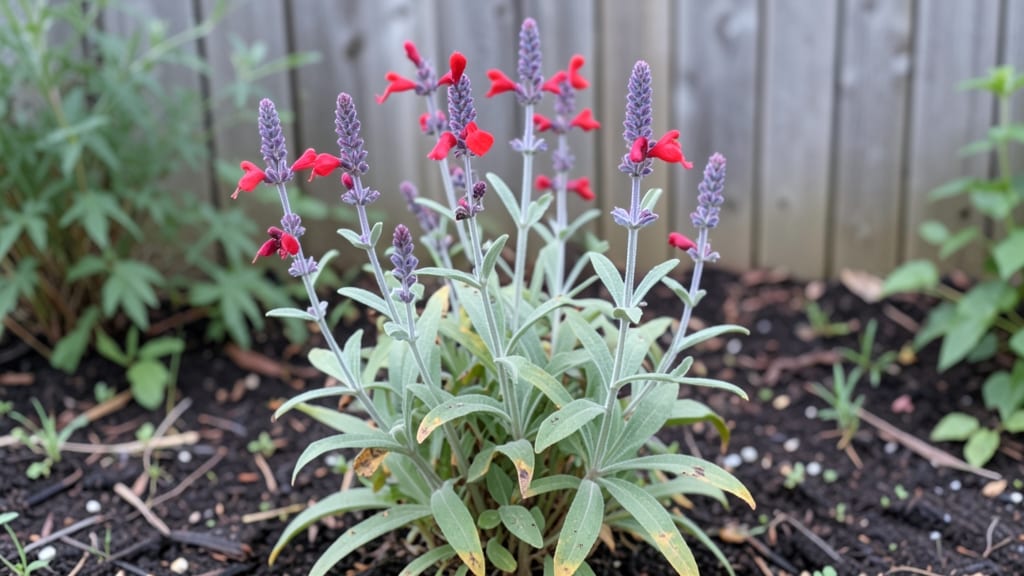
Those purple-stalked blooms—like spider flower or celosia—bring drama to cool-season gardens where other plants wilt. 🌿 I’ve grown them in zones 3-8, and their bold stems and frost-tolerant foliage make them standout stars even when temperatures dip.
The secret? Planting them early enough to establish roots before the first hard freeze, then letting their unique color contrast with greenery all season long.
You’ll need well-draining soil, full sun to partial shade, and consistent moisture—not soggy roots. Spider flowers thrive in average garden beds, while celosia loves slightly richer soil. Both handle light frost better than most annuals, so they’re perfect for extending your garden’s color palette well into fall.
The key is spacing them 12-18 inches apart to let their airy stalks shine without crowding.
Once established, these plants reward you with nearly maintenance-free growth. Deadhead spent blooms to encourage more flowers, and watch as their purple stems deepen in color as they mature.
By late summer, you’ll have a garden feature that looks stunning in bouquets or left standing in the border. Their drought tolerance makes them ideal for low-water landscapes too.
For cooler climates, start seeds indoors 6-8 weeks before your last frost or sow directly after soil warms to 50°F. If you’re unsure which variety to choose, spider flower (Cleome hassleriana) offers the most striking purple stalks, while celosia provides a velvety texture that’s equally eye-catching.
Both bring a modern, architectural flair to any garden.
📚 In This Guide
- What you need
- Instructions
- Tips and common mistakes
- Wrapping up and next steps
What you need
- ● Purple stalk flower seeds or nursery starts: 5–10 seeds (if starting from scratch) or 2–3 healthy plants (for faster blooms).
- ● Recommended varieties: Delphinium elatum ‘Pacific Giant,’ Clematis montana ‘Ruby’ (for frost resistance).
- ● Well-draining soil mix: 50% garden soil + 30% compost + 20% perlite or coarse sand (for aeration).
- ● pH preference: 6.0–7.5 (slightly acidic to neutral).
- ● Containers or garden bed: For pots: 12–18" diameter containers (1 plant per pot).
- ● For in-ground: Full sun (6+ hours/day) with shelter from strong winds.
- ● Fertilizer: Balanced 10-10-10 or slow-release granular fertilizer (follow package rates).
- ○ Optional boost: Epsom salt (1 tbsp/gallon of water) for magnesium (prevents yellowing).
- ● Tools: Trowel, pruners, and gloves (for handling stems—some varieties have prickly stalks!).
- ● Watering can or hose with a gentle spray nozzle.
- ● Mulch (2–3 inches of straw or wood chips) to retain moisture and insulate roots in winter.
- ● Stakes or cages (3–4 ft tall) to support tall varieties like Delphinium.
- ● Frost cloth (for young plants in late spring/early fall).
- ● Plant labels (to track varieties and care notes!).
Step-by-Step guide to growing purple stalk flowers
Here’s how to cultivate hardy, frost-resistant purple stalk blooms that thrive in cooler climates.
🌱 Step 1: Choose the Right Location and Prepare the Soil
Purple stalk flowers love partial shade to full sun—at least 4-6 hours of sunlight daily—but they tolerate cooler temperatures better than most flowers. I always pick a spot where morning sun warms the soil but afternoon shade prevents wilting. Test your soil first: these plants prefer well-draining, slightly acidic soil with a pH between 6.0 and 7.0. If your soil is heavy clay, mix in 2-3 inches of compost or sand to improve drainage.
Loosen the soil to a depth of 12 inches with a garden fork or tiller. This helps roots spread easily, especially in cooler climates where growth starts slow. Avoid fresh manure—it can burn young roots. Instead, work in aged compost or a balanced 10-10-10 fertilizer at planting time. The goal is loose, airy soil that holds moisture without becoming soggy.
🪴 Step 2: Plant Seeds or Transplants at the Right Time
For direct sowing, plant seeds 4-6 weeks before your last frost date in spring. Purple stalk flowers germinate best in soil temperatures between 60-70°F. If your climate runs cooler, use a seedling heat mat to warm the soil and speed up germination. Sow seeds ¼ inch deep, spacing them 12-18 inches apart—they don’t like crowding and need room to develop strong stalks.
If you’re transplanting, wait until after the last frost and choose established plants with healthy, compact growth. Dig a hole twice as wide as the root ball but no deeper. Gently remove the plant from its container, tease the roots if they’re circling, and place it in the hole so the top of the root ball sits level with the soil surface. Backfill with native soil and water deeply to settle everything in place.
☀️ Step 3: Water Consistently and Mulch for Frost Protection
Purple stalk flowers need 1-1.5 inches of water per week, but they’re drought-tolerant once established. Water deeply at the base in the morning to reduce evaporation and prevent fungal diseases. You’ll know you’re doing it right when the top 2 inches of soil feel dry before the next watering. Avoid wetting the leaves—this can lead to powdery mildew, a common issue in humid climates.
Apply 2-3 inches of organic mulch (like straw or shredded leaves) around the base of the plants after they’ve sprouted. This keeps roots cool in summer and insulates them from frost in fall. I always add mulch in early autumn—it’s the secret to getting longer blooming seasons in cooler zones. Just keep the mulch 2 inches away from the stems to prevent rot.
✂️ Step 4: Prune for Stronger Stalks and Encourage More Blooms
Deadhead spent blooms regularly to encourage more flowers. Simply pinch off the faded blossoms with your fingers or snip them with clean scissors just above a set of leaves. This redirects the plant’s energy into producing new stalks and buds instead of seeding. I do this every 2-3 weeks during the blooming season, and my plants reward me with nonstop color from early summer until frost.
If your purple stalk flowers start to flop or look leggy, prune back the longest stems by one-third in early summer. This triggers bushier growth and stronger stalks. Avoid heavy pruning in late summer—it can reduce fall blooms. Always use sterilized pruners to prevent disease, and prune on a dry, sunny morning when the plants are at their strongest.
⏰ Step 5: Prepare for Winter and Extend the Blooming Season
Purple stalk flowers are frost-resistant, but they’ll benefit from a little winter protection. After the first hard frost, cut back the stalks to 4-6 inches tall and apply a 4-inch layer of mulch. This shields the crown from freezing temperatures and keeps roots insulated. In Zone 5 or colder, I also cover the mulch with a thick layer of straw for extra protection during extreme cold snaps.
In early spring, remove the mulch and check for new growth. If you see green shoots, your plants are ready to bloom again. If not, don’t worry—purple stalk flowers are resilient and often bounce back quickly once temperatures warm. With proper care, they’ll reward you with vibrant purple blooms year after year, even in cooler climates.
Tips & tricks for perfect purple stalk flower cultivation
These simple strategies will help you grow vibrant, frost-resistant purple stalk flowers that thrive even in cooler climates.
Soil Preparation Secret: The 12-inch deep soil loosening in Step 1 is crucial for root development, especially in cooler climates where growth starts slow. I like to add a handful of perlite to the compost mix—it improves drainage while retaining moisture, which is perfect for these drought-tolerant plants. This extra step prevents waterlogging that can occur in heavy clay soils.
Timing Tip for Cooler Climates: When planting seeds 4-6 weeks before your last frost date, check your local frost dates carefully. In Zone 5 or colder, I often plant 6-8 weeks early using seedling heat mats to warm the soil to that ideal 60-70°F range. This gives seedlings a head start before the ground thaws completely. The extra time helps compensate for slower growth in cooler temperatures.
Watering Wisdom: The 1-1.5 inches of water per week guideline works perfectly, but I've found a simple trick to check moisture levels: stick your finger about 2 inches into the soil. If it feels dry at that depth, it's time to water. This method prevents overwatering while ensuring the roots get enough moisture to establish strong stalks. Morning watering is key—it reduces evaporation and prevents fungal diseases that thrive in damp foliage.
Pruning Pro Tip: When deadheading every 2-3 weeks, I always use clean, sterilized scissors to make precise cuts just above a set of leaves. This prevents disease transmission between plants. For the one-third pruning in early summer, I target the longest stems first—they're often the ones causing that leggy look. The result? Bushier growth and stronger stalks that support more blooms throughout the season.
Pro Tips for Purple Stalk Flower
- These simple strategies will help you grow vibrant, frost-resistant purple stalk flowers that thrive even in cooler climates.
- Soil Preparation Secret: The 12-inch deep soil loosening in Step 1 is crucial for root development, especially in cooler climates where growth starts slow.
- Timing Tip for Cooler Climates: When planting seeds 4-6 weeks before your last frost date, check your local frost dates carefully.
Frequently asked questions
Got questions about cultivating purple stalk flowers (like Delphinium elatum or Allium species)? Here are answers to the most common ones—so you can grow these striking blooms with confidence!
What’s the best time to plant purple stalk flowers in my climate?
For cool-season varieties, plant in early spring (3–4 weeks before last frost) or late summer (6–8 weeks before first frost). They thrive in USDA Zones 3–9 and tolerate light frost—just avoid planting when soil temps are below 40°F (4°C). Pro tip: Hardened-off seedlings survive better than direct-sown seeds in cold soils.
How cold can these flowers handle? Will they die in a hard freeze?
Purple stalk flowers are frost-resistant but not freeze-proof! Most varieties survive down to 10–15°F (-12 to -9°C). If temps drop below 5°F (-15°C), mulch the base with straw or leaves and protect young plants with frost cloth. Evergreen alliums (like Allium giganteum) often regrow after winter dieback.
Can I grow purple stalk flowers in containers? What’s the best pot size?
Yes! Use large containers (at least 12–18 inches deep) with drainage holes and a well-draining mix (add perlite or sand). Delphiniums need sturdy stakes to support their height, while Allium varieties can sprawl—choose wider pots for clumping types. Pro tip: Move pots to shade if temps exceed 85°F (29°C) to prevent bolting.
Why are my purple stalk flowers flopping over or leaning? How do I fix it?
Flopping usually means lack of support or weak stems. Install bamboo stakes or tomato cages at planting (bury ⅓ of the stake) and tie stems loosely with soft garden twine. For Allium, prune lower leaves to reduce weight. Overcrowding or poor soil can also weaken stems—amend soil with compost and space plants 12–24 inches apart.
Are there any purple stalk flowers that bloom all summer long?
Most purple stalk flowers (like Delphinium) are one-season bloomers, but perennial alliums (e.g., Allium schubertii or Allium karataviense) rebloom year after year with minimal care. For longer color, plant succession varieties like Allium ‘Globemaster’ (spring) + Delphinium ‘Black Night’ (summer). Pro tip: Deadhead spent blooms to encourage a second flush!
Wrapping up and next steps
Growing purple stalk flowers is a rewarding journey—especially for gardeners in cooler climates! 🌸 Their frost-resistant nature and striking blooms make them a perfect addition to any garden, whether you're a beginner or a seasoned green thumb.
With the right soil, sunlight, and care, you’ll enjoy vibrant colors and long-lasting beauty year after year.
Ready to transform your garden? Start by planting your seeds or bulbs this season—and don’t forget to share your progress with fellow plant lovers. Happy gardening! 🌱