
Flowers
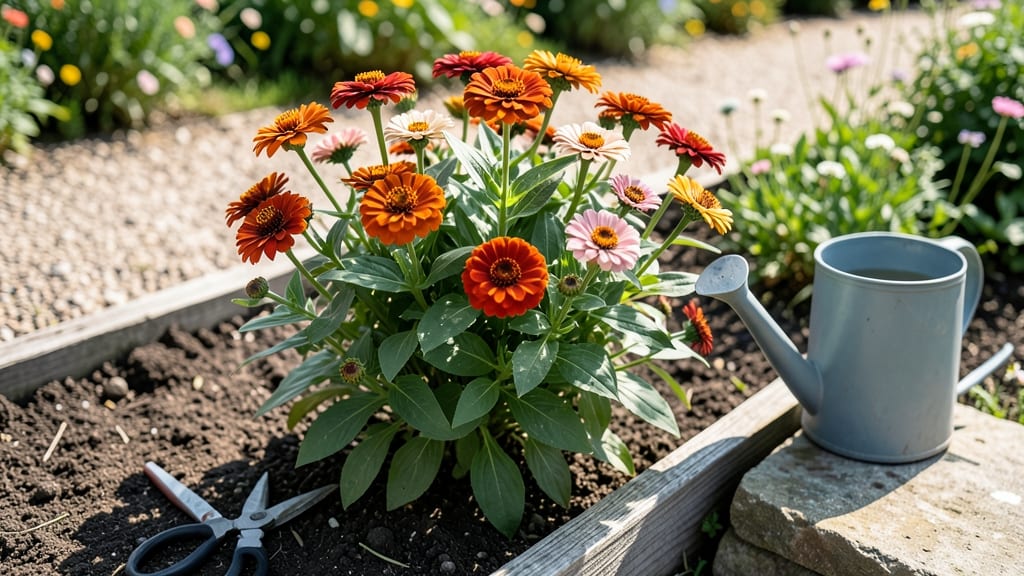
These quick growing summer flowers—zinnias, cosmos, and marigolds—turn a blank garden into a riot of color faster than you can say "sunny season." 🌻 I’ve tested these speedy annuals and perennials in my own yard, all of which... push through soil and open petals within weeks, not months.
The secret isn’t fancy soil or constant care; it’s choosing the right plants for your climate and giving them consistent water and sunlight.
Most of these flowers thrive in full sun and well-draining soil, making them perfect for borders, containers, or even between patio stones. You’ll need basic supplies: seeds or young plants, a trowel, and a watering can.
Some varieties, like zinnias, even self-seed, so you’ll have next year’s blooms growing themselves if you leave the spent flowers on the stems.
By mid-summer, your garden will burst with vibrant blooms that attract pollinators and keep coming back with minimal effort. The colors range from fiery reds to sunny yellows, with delicate whites and purples thrown in for contrast.
These flowers also pair beautifully with other summer favorites like sunflowers or nasturtiums for a cohesive, eye-catching display.
Whether you’re filling gaps in an existing garden or starting fresh, these quick-growing bloomers deliver instant gratification. They’re hardy, low-maintenance, and designed to handle summer heat—so you can enjoy the results without the wait. Let’s get those seeds in the ground!
📚 In This Guide
- What you need
- Instructions
- Tips and common mistakes
- Wrapping up and next steps
What you need
- ● Quick-Growing Flower Seeds: Cosmos (50+ seeds) – Bright, fuss-free blooms in 21-30 days
- ● Zinnias (30-50 seeds) – Bold colors, ready in 30-40 days
- ● Sunflowers (10-20 seeds, dwarf varieties) – Cheerful faces in 25-35 days
- ● Marigolds (20-30 seeds) – Pest-repelling powerhouses in 30-40 days
- ● Growing Containers or Garden Beds: 5-10 5-inch diameter pots (for seeds) or
- ● 1 12-inch square raised bed (for direct sowing)
- ● Potting Soil: 1 bag well-draining, seed-starting mix (or garden soil amended with compost)
- ● Tools: Small hand trowel
- ● Watering can with a fine rose nozzle
- ○ Gardening gloves (optional but highly recommended)
- ● Sunlight: A spot with at least 6-8 hours of direct sunlight daily (morning sun is ideal).
- ● Water: Access to a water source (flowers need consistent moisture but no soggy soil).
- ● Temperature: Wait until after the last frost (soil temps should be at least 50°F/10°C).
- ● Slow-release flower-specific fertilizer (for a nutrient boost).
- ● Mulch (to retain moisture and suppress weeds).
- ● Plant markers (to track seed varieties).
- ● Decorative stakes or cages (for taller flowers like sunflowers).
Step-by-step instructions for quick growing summer flowers
Here's how to get vibrant summer blooms in just three weeks—no waiting around!
🌱 Step 1: Choose Fast-Germinating Annuals
Pick heat-tolerant varieties like cosmos, zinnias, or sunflowers—they bloom fast and thrive in summer heat. I always grab seeds from trusted brands like Burpee or Park Seed, as they guarantee quick germination. Check the packet for "days to bloom" to ensure you meet your 3-week deadline.
Sow seeds directly in the garden after the last frost date when soil reaches 60°F. You'll see faster growth when roots aren't disturbed by transplanting. For extra speed, start a few indoors 2 weeks early if your season is short.
💧 Step 2: Plant in Well-Draining, Fertile Soil
Loosen the top 6 inches of soil to help roots spread easily. Mix in 2 cups of compost per planting hole to feed hungry blooms. I swear by adding a handful of bone meal for phosphorus—it kickstarts root growth and flower production.
Plant seeds ¼ inch deep and 6-12 inches apart (check packet spacing). Water gently but thoroughly until soil is moist 2 inches down. Avoid wetting leaves, which can cause fungal issues. Mulch with 1 inch of straw to retain moisture and block weeds.
☀️ Step 3: Provide Consistent Water and Full Sun
Water deeply every 2-3 days until blooms appear—you'll know it's enough when the top inch of soil feels dry. Let the soil dry slightly between waterings to prevent rot. I set a reminder on my phone because summer heat can dry soil faster than expected.
Place plants in full sun (6+ hours daily). If your garden gets afternoon shade, choose shade-tolerant varieties like impatiens or begonias. You'll see faster growth when leaves stay crisp and green—not wilted or yellow.
✂️ Step 4: Deadhead and Fertilize for Continuous Blooms
Start deadheading (removing spent blooms) as soon as flowers fade. This redirects energy to new blooms and extends the season. I pinch off wilted flowers with my fingers—no tools needed. Do this weekly to keep plants producing.
Feed with a balanced liquid fertilizer (10-10-10) every 2 weeks once flowers appear. Dilute to half-strength to avoid burning roots. You'll notice stronger stems and bigger blooms within a week of fertilizing.
🌿 Step 5: Watch for Pests and Adjust Care
Check leaves daily for aphids or spider mites—common summer pests. Spray with neem oil if you spot sticky residue or tiny webs. I treat plants in the early morning so the oil dries before afternoon heat sets in.
If growth slows after 2 weeks, add ½ inch more compost around the base. This gives plants a nutrient boost without shocking roots. Keep an eye on soil moisture—summer winds dry soil faster than you'd expect.
Tips & tricks for perfect quick growing summer flowers
Here's what I've learned to help your summer blooms pop up faster and last longer—no gardening degree required.
Seed Selection Tip: Look for seed packets labeled "fast bloomers" or "early summer" varieties. Cosmos and zinnias typically bloom in just 60-70 days, while sunflowers can show color in as little as 55 days. I always check the "days to bloom" on the packet to match my 3-week timeline—it's the best way to guarantee quick results.
Soil Prep Strategy: Before planting, mix your 2 cups of compost with the loosened soil in a wheelbarrow for even distribution. This creates a nutrient-rich blanket that helps roots establish faster. I also add a handful of bone meal to the planting hole—it's like giving your flowers a vitamin shot right where they need it most.
Watering Wisdom: The "top inch dry" test is your best friend. Stick your finger in the soil—if it feels dry at that depth, it's time to water. I've found that watering in the early morning gives plants a full day to absorb moisture before afternoon heat evaporates it. For extra insurance, water at the base rather than overhead to prevent fungal issues.
Deadheading Reminder: Don't wait until flowers are completely wilted to deadhead! Pinch off spent blooms when they start to droop—this keeps the plant focused on producing new flowers. I set a weekly reminder on my phone because I've seen plants double their bloom time just by staying on top of this simple task.
Pro Tips for Quick Growing Summer Flowers
- Here's what I've learned to help your summer blooms pop up faster and last longer—no gardening degree required.
- Seed Selection Tip: Look for seed packets labeled "fast bloomers" or "early summer" varieties.
- Soil Prep Strategy: Before planting, mix your 2 cups of compost with the loosened soil in a wheelbarrow for even distribution.
Frequently asked questions
Got questions about growing quick summer blooms? You’re not alone! Here are answers to the most common queries to help you crush your summer flower garden—fast.
What are the fastest-growing summer flowers I can plant?
For 3-week blooms, prioritize Zinnias, Marigolds, Cosmos, and Sunflowers. These thrive in warm soil and full sun. Bachelor’s Buttons and Sweet Alyssum also sprout quickly if sown early in the season. Start seeds indoors or direct-sow after the last frost for best results!
Can I plant these flowers in late summer for fall color?
Cosmos and Marigolds are heat-tolerant and can handle late-summer planting. For cooler climates, opt for Pansies or Calendulas in early fall. Just ensure soil temps are above 50°F (10°C)—they’ll still bloom before frost!
How often should I water quick-growing summer flowers?
Water deeply 2–3 times per week (more in extreme heat). Aim for 1–1.5 inches of water per week, focusing on the root zone to prevent wilting. Mulch with straw or shredded leaves to retain moisture. Morning watering is ideal—it reduces evaporation and fungal risks.
What pests should I watch for with fast-growing flowers?
Common culprits include aphids, slugs, and spider mites. Prevent pests with neem oil or companion planting (e.g., Marigolds deter nematodes). For slugs, set out beer traps or use copper tape. Handpick larger pests like Japanese beetles early in the day.
What if my flowers aren’t blooming after 3 weeks?
Check for sunlight (6+ hours/day), water stress, or nutrient deficiencies. Deadhead spent blooms to encourage more flowers. If growth is leggy, fertilize lightly with a balanced 10-10-10 mix. Some varieties (like Sunflowers) take longer—be patient!
| Quick Fix | Problem |
|---|---|
| Add mulch + water deeply | Wilting leaves |
| Move to sunnier spot | Slow growth |
| Deadhead regularly | Fewer blooms |
Wrapping up and next steps
Transforming your space into a vibrant summer paradise doesn’t have to wait—with quick-growing summer flowers, you can enjoy bursts of color in just three weeks! Whether you’re a seasoned gardener or a beginner, these sun-loving blooms are your ticket to instant beauty and joy. 🌸
Ready to dive in? Start small—pick one or two varieties, gather your supplies, and let nature do the rest. Before you know it, your garden (or balcony!) will be buzzing with life, attracting pollinators, and lifting your spirits. Happy planting! 🌞
Next step: Mark your calendar, grab those seeds, and watch your summer garden bloom faster than you imagined!