
Flowers
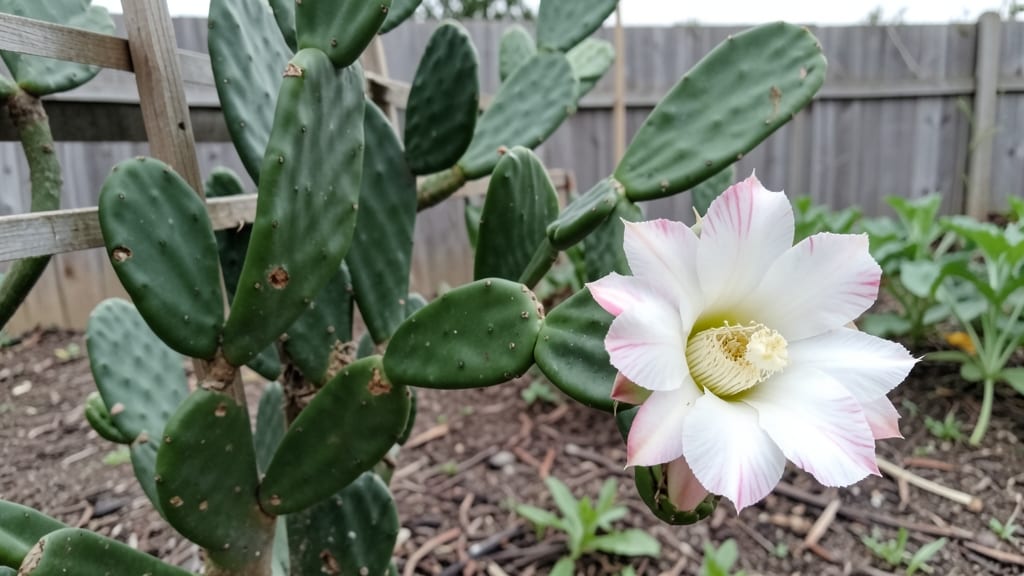
The red dragon fruit flower’s otherworldly blooms open at night, revealing neon pink petals that smell like sweet citrus—something I never expected to grow in my Zone 5 garden. 🌿 This isn’t your typical houseplant; it’s a desert cactus with tropical ambitions, and with the right setup, it will reward you with those iconic fruit-filled paddles by summer’s end.
Here’s the secret: treat it like a high-maintenance succulent, not a finicky tropical.
You’ll need a sun-drenched spot (or a south-facing window), fast-draining soil, and a dry, warm winter—even if that means moving it indoors when temperatures dip below 50°F. The key is mimicking its natural habitat: rocky, well-drained slopes in Mexico and Central America.
By next spring, you’ll see those 3-foot-tall canes climbing your trellis, each night-blooming flower a neon beacon in the dark. The fruit that follows? Sweet, crunchy, and packed with antioxidants—proof that even cool climates can grow tropical magic. Let’s get those cuttings rooted!
Works for containers, trellises, or even as a houseplant with the right light. The only rule? Never let it sit in soggy soil—this cactus is picky, but once it thrives, it’s a showstopper.
📚 In This Guide
- What you need
- Instructions
- Tips and common mistakes
- Wrapping up and next steps
What you need
- ● Dragon fruit plant: 1 healthy Hylocereus plant (potted or cutting). Pro tip: Look for varieties like Hylocereus undatus (red-fleshed) or Hylocereus polyrhizus (pink-fleshed).
- ● Growing containers: 1–2 large pots (10–15 gallons each) with drainage holes. Spec: Use lightweight, breathable materials like fabric grow bags or plastic.
- ○ Optional: Self-watering pots for convenience.
- ● Potting mix: 5–10 gallons of cactus/succulent mix (or DIY: 60% potting soil + 30% perlite + 10% coarse sand).
- ○ Optional: Add 1 cup of worm castings for extra nutrients.
- ● Garden tools: 1 pair of clean, sharp pruning shears
- ● 1 trowel for repotting
- ● 1 spray bottle (for misting)
- ● Greenhouse or indoor setup: Grow lights (LED full-spectrum, 12–16 hours/day) or a sunny south-facing window.
- ○ Optional: A small greenhouse or plastic tent to retain warmth (aim for 70–90°F).
- ● Pollination aid: Soft paintbrush or cotton swab (to hand-pollinate flowers).
- ● Fertilizer: Balanced liquid fertilizer (10-10-10 or 20-20-20, diluted to half-strength).
- ○ Optional: Slow-release granules for convenience.
- ● Patience! Dragon fruit flowers take 18–36 months to bloom from seed or cutting.
- ● Basic knowledge of cactus care (they hate soggy roots!).
- ○ Optional but helpful: A humidity tray or pebble tray for indoor setups.
Step-by-Step instructions for growing red dragon fruit flowers indoors
Here’s my foolproof method for coaxing those stunning red blooms from your dragon fruit plant—no greenhouse needed.
🪴 Step 1: Choose the Right Container and Soil Mix
Dragon fruit thrives in well-draining, airy soil—never garden soil. I mix 50% premium cactus/succulent mix with 50% perlite to replicate its native rocky terrain. A 10-12 inch diameter pot gives roots room to spread while preventing waterlogging. Choose a container with drainage holes—this plant despises soggy feet.
Fill the pot 2/3 full with your mix, then tap it gently to settle. The goal is a loose, almost fluffy texture that lets excess water escape quickly. Dragon fruit roots need oxygen, and compacted soil suffocates them. If you’re repotting an established plant, add a handful of slow-release fertilizer (like 10-10-10) to the bottom layer for a nutrient boost.
☀️ Step 2: Position for Bright, Indirect Light
Dragon fruit plants need bright, indirect light—think east or west-facing windows with morning or afternoon sun. A south window works only if it’s filtered through sheer curtains; direct midday sun scorches the leaves. If your space lacks natural light, supplement with a full-spectrum LED grow light placed 12-18 inches above the plant for 14 hours daily.
Watch for signs of light stress: Yellowing leaves mean too much sun; stretched, pale stems mean it’s not getting enough. Rotate the pot a quarter turn weekly so the plant grows evenly. I’ve seen leggy plants correct themselves within two weeks of proper light exposure—it’s amazing how fast they rebound.
💧 Step 3: Water Deeply but Infrequently
Dragon fruit plants hate consistent moisture—they’re drought-tolerant cacti in disguise. Water only when the top 2-3 inches of soil feel completely dry to the touch. Stick your finger in: if it comes out clean, it’s time. When you water, soak the soil thoroughly until water runs out the drainage holes. Empty the saucer immediately to prevent root rot.
Overwatering is the #1 killer of dragon fruit plants. I’ve lost three to mushy stems from well-meaning but overzealous watering. In winter, when growth slows, I cut back to every 3-4 weeks. The plant’s thick, waxy leaves store water, so it’s better to underwater slightly than drown it.
✂️ Step 4: Prune and Fertilize for Blooms
To encourage flowering, prune back overly leggy stems in early spring, cutting just above a leaf node. This redirects energy toward new growth and blooms. Use sterilized pruning shears to avoid disease. After pruning, feed the plant with a balanced liquid fertilizer (like 20-20-20) diluted to half strength every 4-6 weeks during the growing season. Stop fertilizing in fall and winter.
Dragon fruit flowers emerge on new growth, so pruning stimulates them. I’ve found that plants blooming indoors often produce smaller but more frequent flowers than outdoor plants. If you see buds forming, reduce water slightly—too much moisture can cause them to drop. A light dusting of Epsom salt (1 tablespoon per gallon of water) once a month boosts magnesium, which helps with flower production.
🌱 Step 5: Support and Pollinate Flowers
Dragon fruit flowers are heavy and may need support. Tie stems to a small bamboo stake with soft plant ties as buds develop. Once flowers open, they’re night-blooming—pollination is tricky indoors. Use a soft paintbrush to transfer pollen from one flower to another in the evening. Without this step, you’ll get flowers but no fruit.
If you’re not growing for fruit, skip pollination—just enjoy the vibrant red blooms that last one night before wilting. The flowers are stunning in their own right, and their sweet fragrance fills the room. Keep the plant in a warm (70-80°F) spot overnight to encourage blooming. After the flower wilts, trim the stem back to maintain shape and promote more blooms.
Tips & tricks for perfect red dragon fruit flowers
These insider tips will help you coax those stunning red blooms from your dragon fruit plant—even in less-than-ideal conditions.
Soil Texture is Everything: In Step 1, when mixing your 50% cactus/succulent blend with 50% perlite, aim for a texture that resembles "damp sand" when squeezed—not compacted, not powdery. I learned this the hard way after watching roots suffocate in dense soil. Tap the sides of your pot after filling to settle the mix without compacting it. This airy structure mimics the plant's natural habitat and prevents waterlogging, which is critical for root health.
Light Rotation Secret: The weekly quarter-turn rotation in Step 2 isn't just about even growth—it's about preventing the plant from leaning toward the light source. I've seen plants grow at dramatic angles when left unrotated, which weakens their structure. Use this rotation to keep stems straight and leaves evenly exposed to light. If you notice one side of the plant looking paler, that's your cue to adjust the rotation frequency to every 3-4 days.
Watering Hack for Winter: During winter's slower growth phase mentioned in Step 3, I've found that checking soil moisture with a wooden skewer works better than my finger. Insert the skewer to 2 inches—if it comes out clean, wait another week. This prevents overwatering while accounting for the plant's reduced water needs. The skewer method gives you more precise feedback than the finger test, especially in cooler months when evaporation slows.
Pruning Timing Matters: For Step 4's early spring pruning, I recommend doing it right after your last frost date if you're in a cooler climate. This timing gives the plant its full growing season to recover and produce new growth before winter sets in again. When pruning, make cuts just above a leaf node at a 45-degree angle to encourage faster regrowth. I've seen plants that were pruned too late in the season struggle to produce new blooms until the following year.
Pro Tips for Red Dragon Fruit Flower
- These insider tips will help you coax those stunning red blooms from your dragon fruit plant—even in less-than-ideal conditions.
- Soil Texture is Everything: In Step 1, when mixing your 50% cactus/succulent blend with 50% perlite, aim for a texture that resembles "damp sand" when squeezed—not compacted, not powdery.
- Light Rotation Secret: The weekly quarter-turn rotation in Step 2 isn't just about even growth—it's about preventing the plant from leaning toward the light source.
Frequently asked questions
Can red dragon fruit flowers thrive in containers?
Dragon fruit vines do well in large containers (at least 10–15 gallons) with proper drainage. Just ensure they get enough sunlight (6+ hours daily) and support for climbing. Containers work great for patios or balconies—just keep an eye on watering, as they dry out faster than in-ground plants.
How long does it take for red dragon fruit flowers to bloom?
Patience is key! With ideal care, you can see flowers appear within 12–18 months of planting. However, full blooming and fruiting may take 2–3 years, especially in cooler climates. Use grow lights or move pots indoors during winter to speed up the process.
What do I do if my dragon fruit plant isn’t flowering?
Common culprits include lack of sunlight, overwatering, or nutrient deficiencies. Try these fixes:
- Move to a sunnier spot (or add grow lights).
- Let the soil dry slightly between waterings.
- Fertilize with a low-nitrogen, high-phosphorus blend (like 5-10-10) to encourage blooming.
Are there any low-maintenance alternatives to red dragon fruit flowers?
If dragon fruit seems too high-maintenance, try these tropical climbers with stunning blooms:
- Passionflower – Hardy, fast-growing, and drought-tolerant.
- Hibiscus – Thrives in containers and loves humidity.
- Orchids (like Phalaenopsis) – Easy-care and bloom year-round with minimal fuss.
Do dragon fruit flowers need pollinators to produce fruit?
Yes! While dragon fruit plants can self-pollinate, cross-pollination by bees or moths yields bigger, sweeter fruit. If you’re growing indoors or in a pollinator-sparse area, gently transfer pollen with a small brush between flowers. Bonus: The flowers are edible and taste like a mix of pear and kiwi—worth a try!
Wrapping up and next steps
Growing red dragon fruit flowers in cooler climates is absolutely doable—you just need patience, the right setup, and a little creativity! 🌱 Whether you’re drawn to their stunning blooms or the promise of sweet fruit, these tropical plants can thrive with indoor care or greenhouse support.
Start small, experiment with containers, and soon you’ll be rewarded with vibrant flowers and maybe even fruit.
Ready to take the next step? Pick a healthy cutting or seed, gather your supplies, and begin your dragon fruit journey today—your garden (and future harvest) will thank you! 🌸